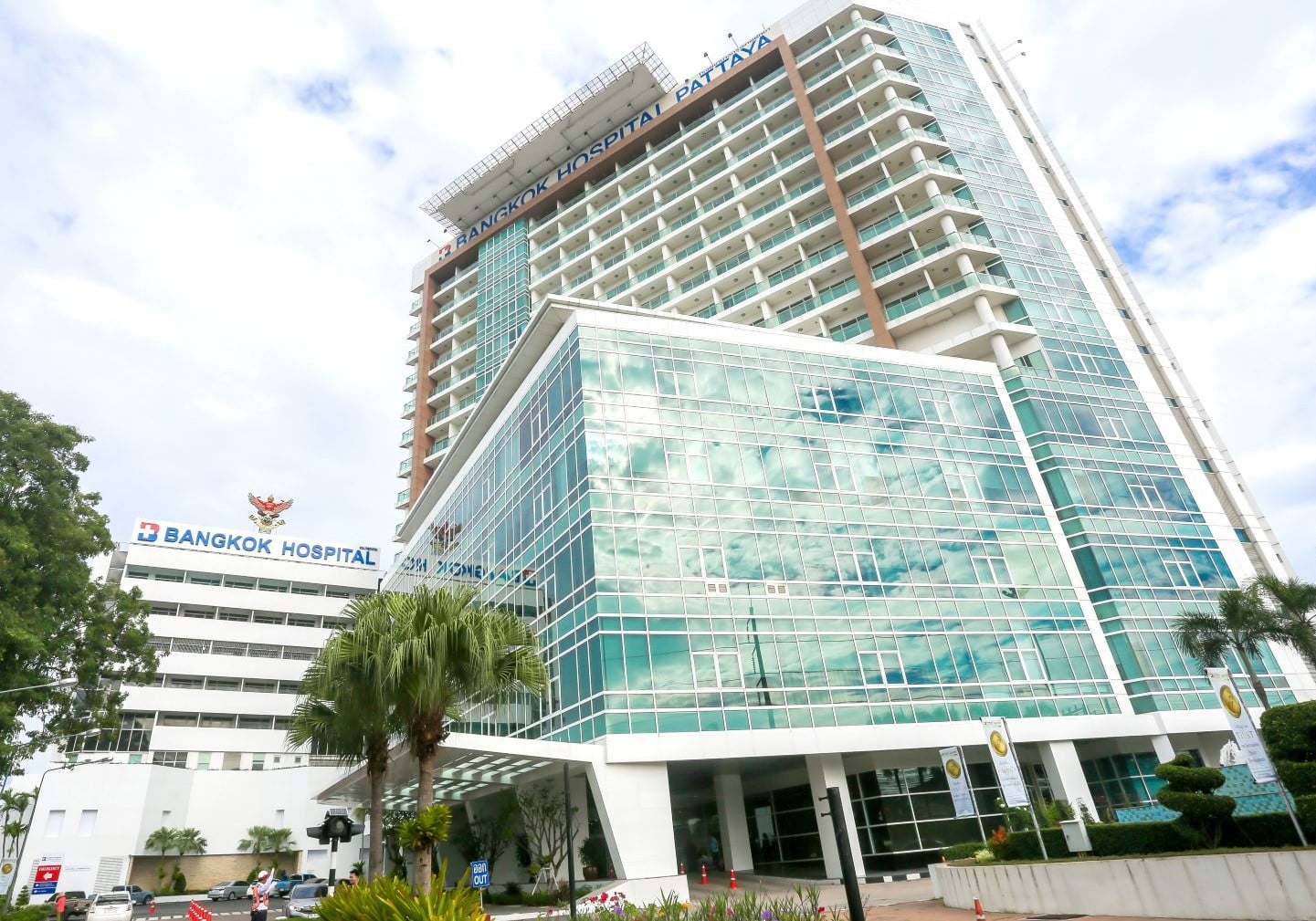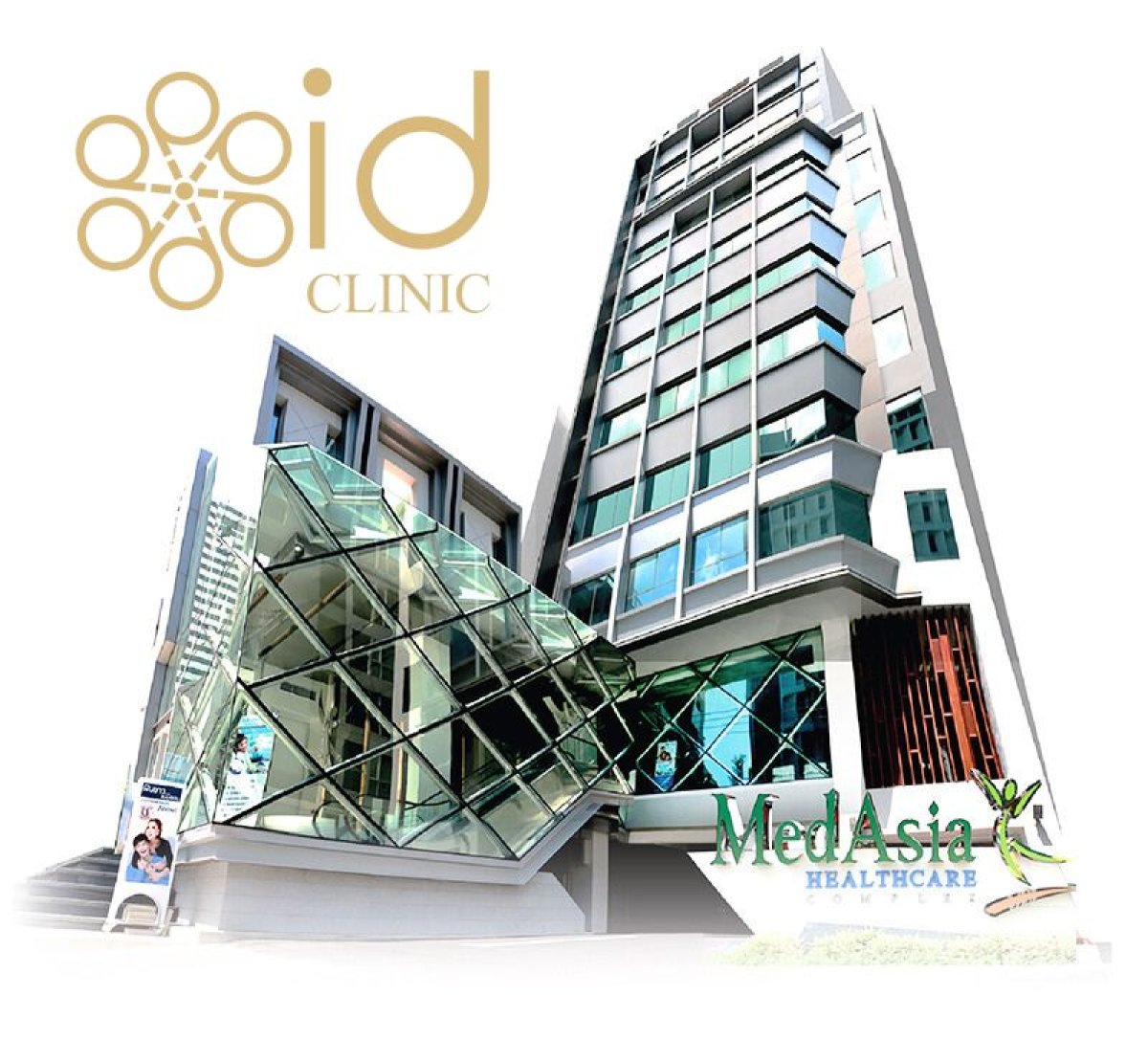
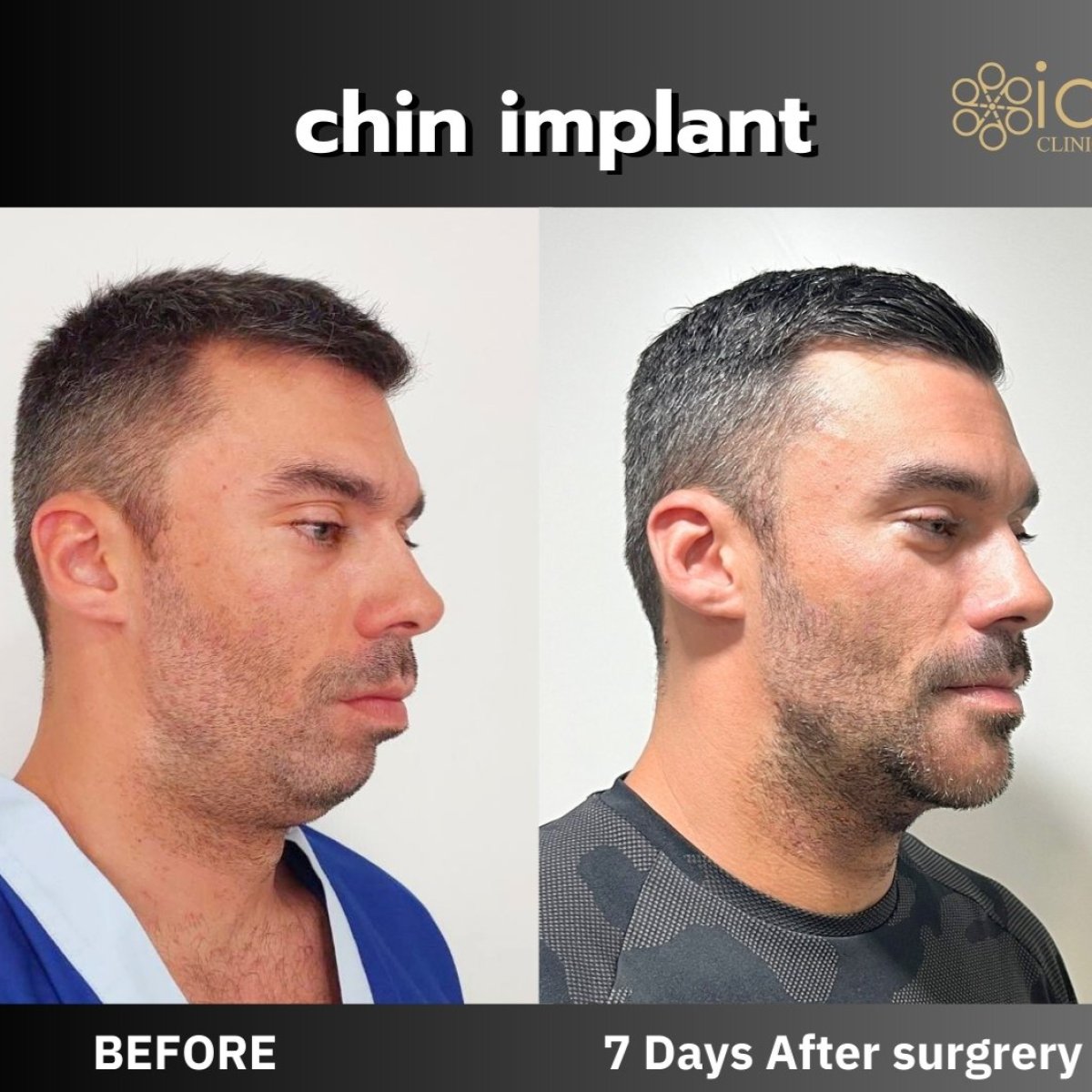
ID Clinic Bangkok
Thailand, Bangkok
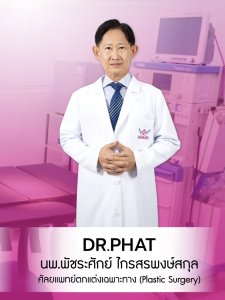
Dr Phatcharasak Kraisornphongsakul Md
34 years of experience • 20000+ treatments performed

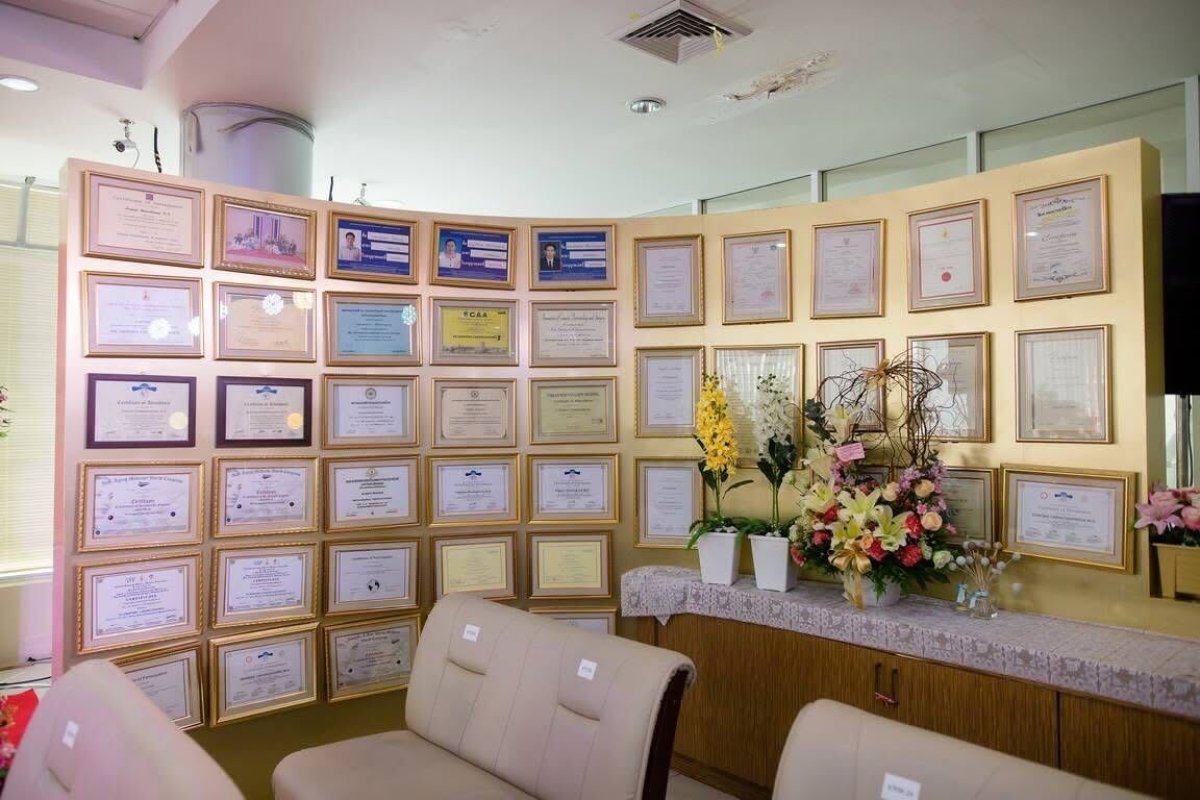
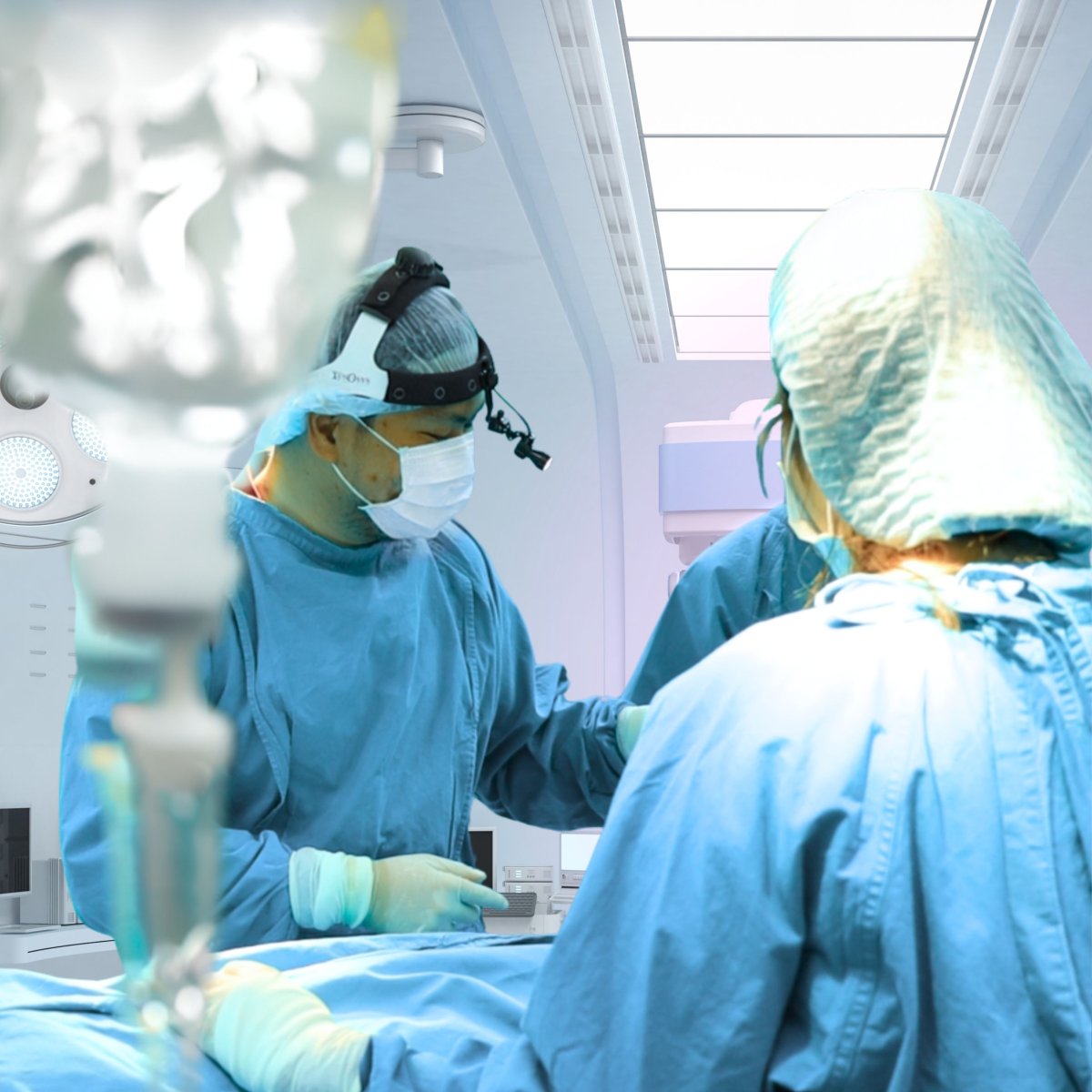
Surgeon's portfolio
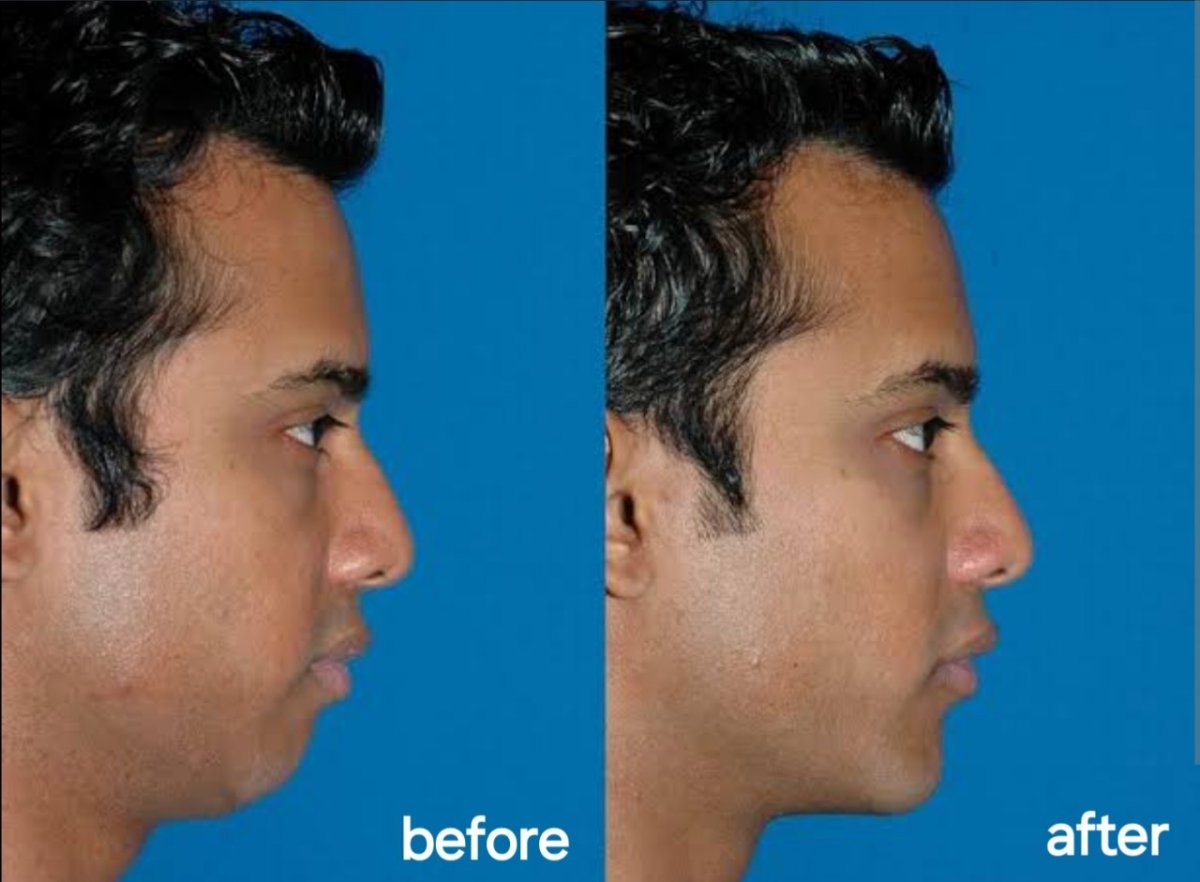
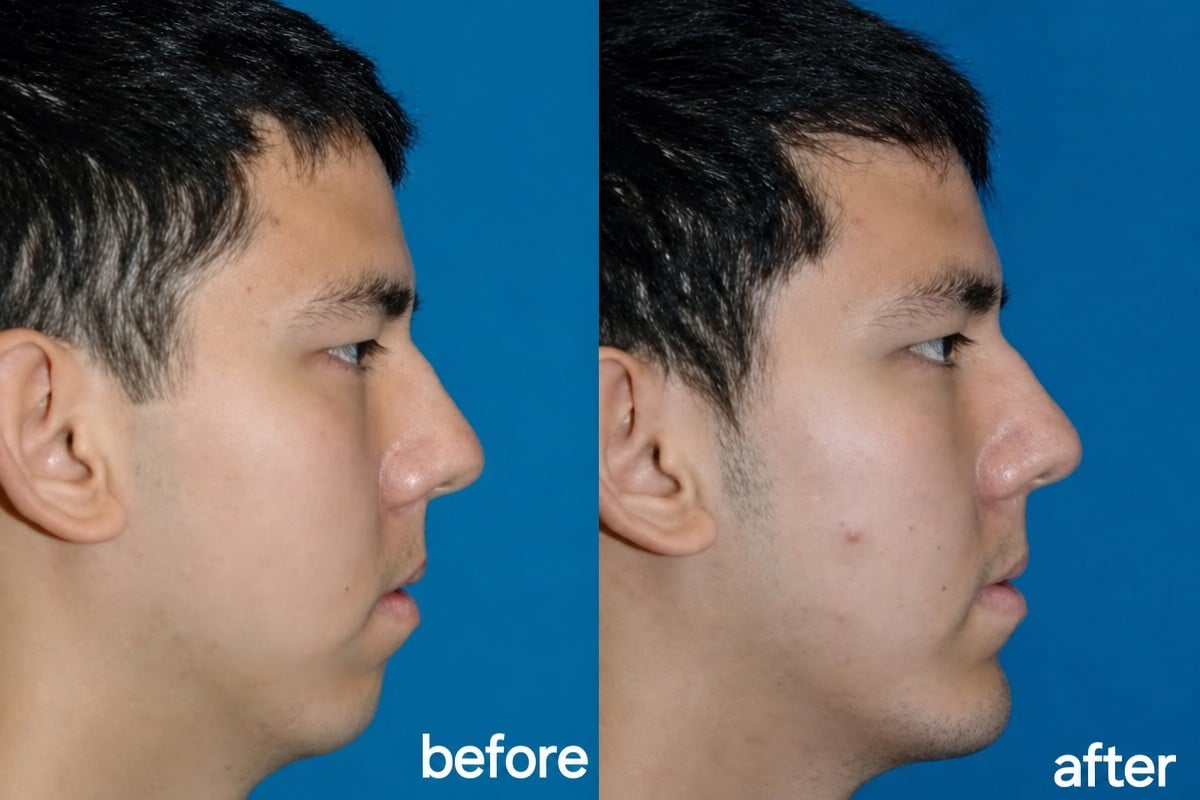
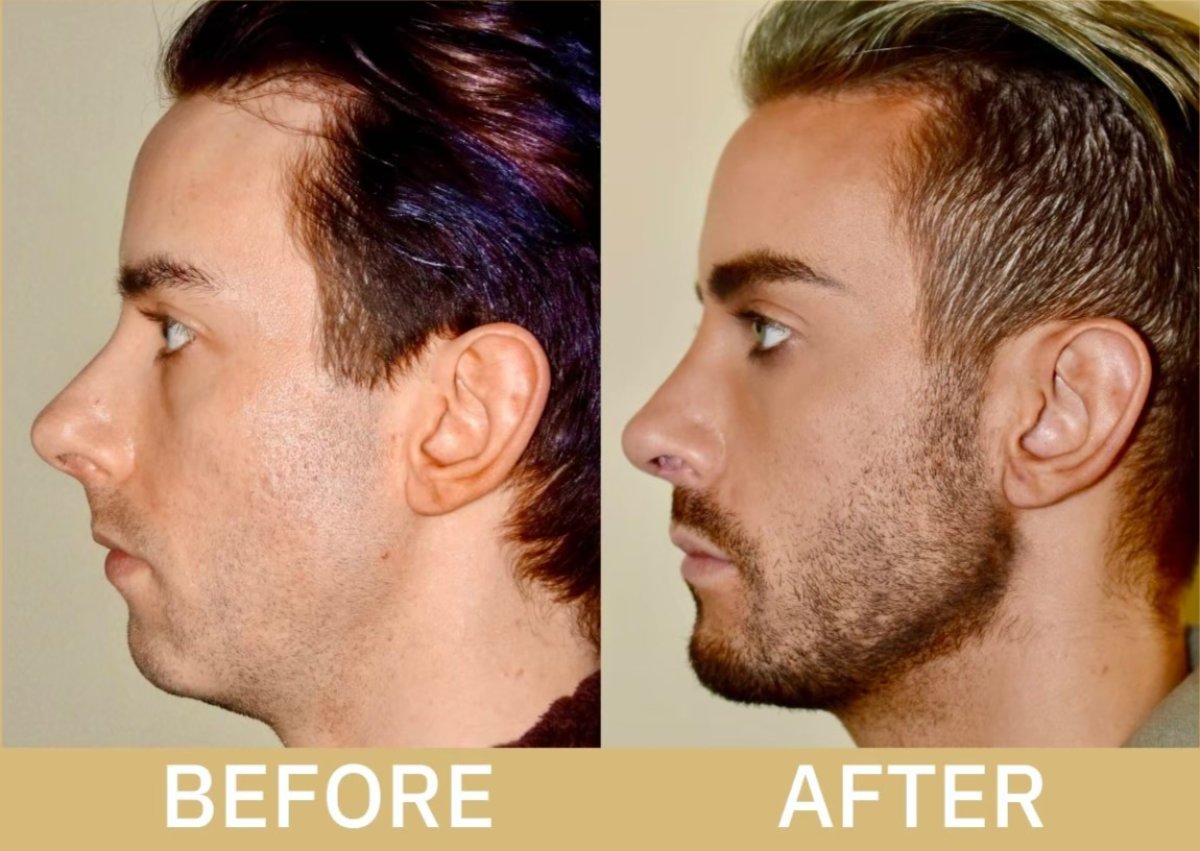
Clinic is certified : 
A chin implant in Thailand costs $1,000 / ฿34,000 to $1,500 / ฿51,000, about 79% less than the US average of $6,300 / ฿214,200 (Bookimed data, November 2026). Bookimed lists 12 chin implant clinics in Thailand, in Bangkok and Phuket, including JCI-accredited and HA Thailand-accredited clinics. These clinics are rated 4.4/5 in 200 verified patient reviews on Bookimed.

Last updated: Nov 24, 2026
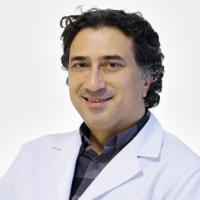
Medically reviewed by
Ergin Er
Bookimed is free for patients – clinics pay us a commission, and you pay the clinic its own price with no markup. Five steps to your chin implant in Thailand:
Tell us about your goals and share photos showing your lower face from the front, both sides, and at an angle.
Your coordinator finds clinics that match your needs and helps you choose. Your preferred clinics then send personalized treatment plans and quotes for you to compare.
We set treatment dates that work for you and help arrange your flights and accommodation. If needed, we request a visa support letter from the clinic.
The clinic team places your chin implant on the agreed dates. We support you throughout your trip.
You can fly home 5–10 days after surgery, and your result settles over 2–6 months. Your coordinator stays in touch and helps arrange a follow-up if you need one.
Some clinics ask for a deposit. A $200 or €200 deposit paid through Bookimed comes off your clinic bill and is refundable up to 10 calendar days before your visit. A deposit paid to the clinic follows its own terms.





Tell us about your needs — and get 3 tailored offers from top doctors for you.
Has there been any previous cosmetic surgery on the chin or jaw area?
Direct prices from clinics
Free evaluation of your medical case
Free personal assistance 24/7
Cost and clinics
| Typical chin implant price in Thailand | Clinics | Accreditations | Cities | Chin implant surgeons | Surgeon experience |
|---|---|---|---|---|---|
| $1,000 / ฿34,000–$1,500 / ฿51,000 | 17 clinics | JCI (6 clinics), ISO (4), GHA (1), TEMOS (1) | Bangkok (13 clinics), Phuket (2), Nonthaburi (1), Pattaya (1) | 30 surgeons | ~89% of surgeons have 10+ years of practice (median 24 years) |
The procedure
| Before the trip | Time in Thailand | Operation time | Anesthesia | Back to desk work | Final result |
|---|---|---|---|---|---|
| Consult with surgeon, plan implant size, review history and tests, stop smoking, arrange transport and help | 5–10 days, including up to 1 night in hospital | 30–90 minutes | General or local sedation | 5–7 days | 2–6 months |
Chin implant in Thailand costs from $1,000 / ฿34,000 to $1,500 / ฿51,000. Final quotes depend on implant material and design, surgical approach, revision status, clinic tier, and location.
Chin implant in Thailand costs from $1,000 / ฿34,000 to $1,500 / ฿51,000. Final quotes depend on implant material and design, surgical approach, revision status, clinic tier, and location. In the US, similar procedures cost around $6,300 / ฿214,200 on average. Thailand offers savings of around 79% compared with the US. Bookimed data does not specify standard package inclusions, so patients should confirm what each quote covers. Bangkok and Pattaya are listed treatment destinations.
Bookimed Expert Insight. The listed Bangkok providers show distinct price points across clinic settings. Wansiri Hospital’s range is approximately $1,000–$1,200, and it has a 4.5 rating and Royal College of Surgeons Thailand accreditation. Asia Cosmetic Hospital lists approximately $1,400–$1,550 and holds Joint Commission International accreditation. Patients can compare these stated credentials and request itemized quotes before choosing.
| Thailand | Turkey | The USA | |
|---|---|---|---|
| Chin implant | from $1,000 / ฿34,000 | from $1,500 / ฿51,000 | from $3,500 / ฿119,000 |
For chin implant in Thailand, narrow the clinic options, compare like-for-like starting quotes, match the surgeon to your technique, confirm qualifications and facility standards, then use reviews to judge care and travel.
Start with geography
Price fit
Choose the approach
Credentials and setting
Read patient accounts
| Clinic Name | Patient Rating | About | Accreditations | Lead Doctor | Techniques |
|---|---|---|---|---|---|
| ID Clinic Bangkok Bangkok | 4.4 (141 reviews) | Dr Phatcharasak Kraisornphongsakul has performed 20,000+ procedures over 34 years, specializing in chin implants. The package may cost around $1,800, typically covering surgery, anesthesia, pre-op tests, and post-op care. Board certified in plastic surgery since 2000, Dr Phatcharasak trained at Khon Kaen University. ID Clinic Bangkok holds Royal College of Surgeons Thailand accreditation and treats 4,000 international patients yearly. | — | Chin implant, Chin implant replacement surgery | |
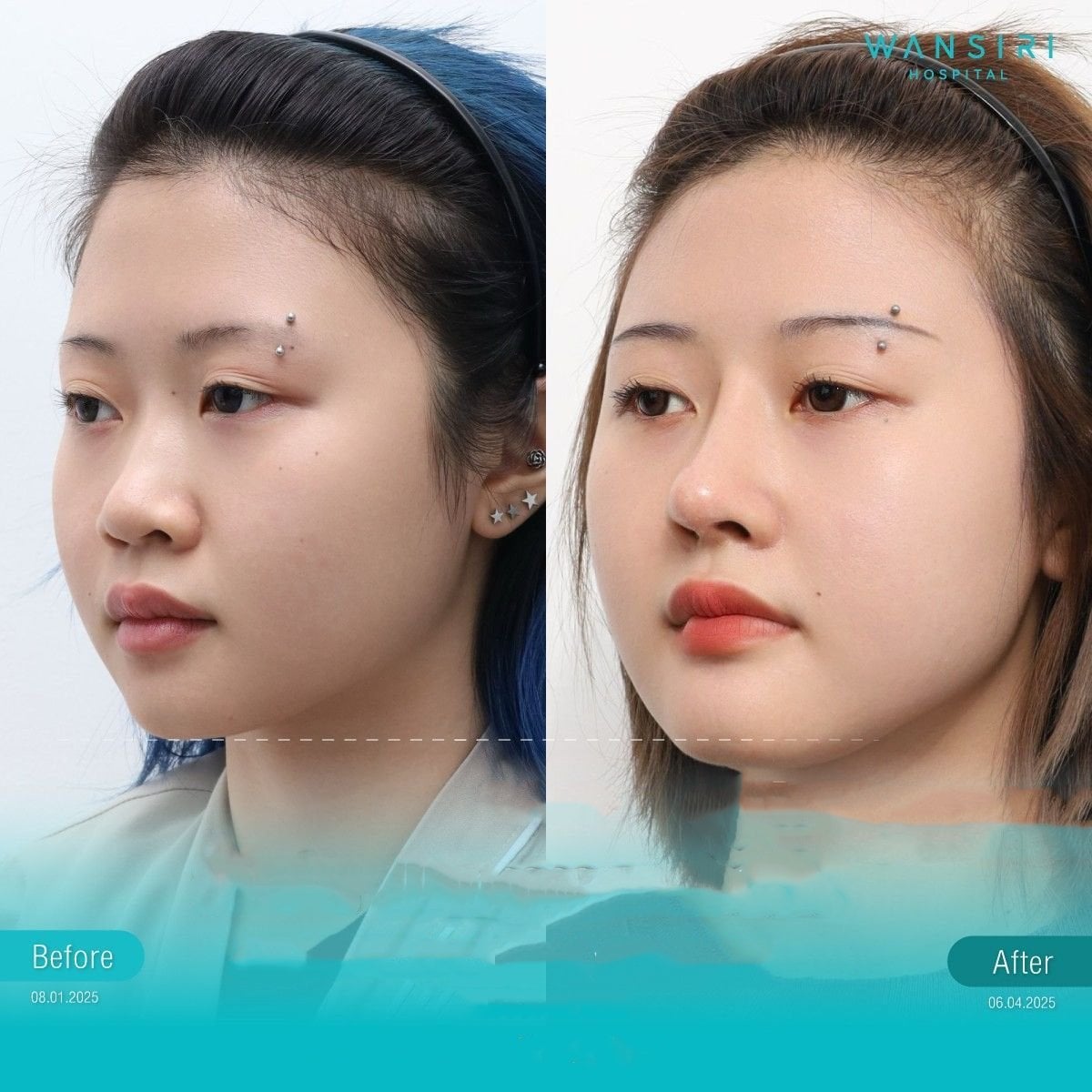
| Wansiri Hospital Bangkok | 4.6 (33 reviews) | Dr. Shananya Varophas has performed 900+ chin implant procedures with a 5-star patient rating. The chin augmentation package typically costs around 40,000 THB, covering surgery, local anesthesia, medications, and 1-day hospital stay. Wansiri Hospital holds Royal College of Surgeons Thailand accreditation and maintains Clean Room standard operating theatres. Dr. Varophas specializes in facial plastic surgery with a 99% surgical success rate across procedures. | — |  Shananya Varophas 11 years | Chin implant, local anesthesia |
| Somchai Clinic Bangkok | 4.0 (1 review) | Somchai Clinic serves 10,000+ patients annually in Bangkok for aesthetic enhancements. The team offers customized silicone implants to address short, recessed, or combined chin shapes. Surgeons perform the procedure through an internal incision between the lip and gum. This method leaves no visible external scars. The clinic uses dissolvable sutures and local anesthesia for the surgery. Full recovery typically takes about 4 weeks. Patients receive detailed care plans, including salt water rinses and specific dietary steps to help the healing process. | — | Phatcharasak Kraisornphongsakul 40 years | Silicone implant, intraoral incision |

Dr. Saran Wannachamras specializes in chin implants with decades of expertise in plastic and reconstructive surgery at Wansiri Hospital.
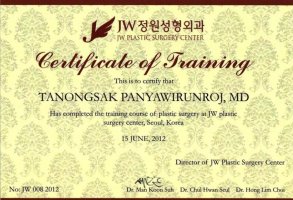
Dr. Tanongsak specializes in facial cosmetic procedures at Asia Cosmetic Hospital, with international training in Rhinoplasty and Facial Surgery.
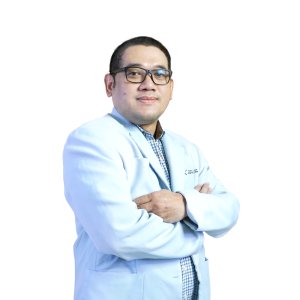
Dr. Thanakom Laisakul is a plastic surgeon at Asia Cosmetic Hospital in Bangkok. He is a member of the International Society of Aesthetic Plastic Surgery (ISAPS). He specializes in breast aesthetics, body contouring, and facial rejuvenation. Dr. Laisakul trained at Mahidol University and held a leadership role at Trang Hospital.
Budget-friendly facial contouring
| Typical price | vs Thailand | |
|---|---|---|
| Thailand (this page) | $1,000 – $1,500 | – |
| United States of America | from $3,500 | +250% |
| Turkey | from $1,500 | +50% |
In Thailand, Bangkok has 13 clinics, giving patients the widest choice, mentoplasty and silicone implant options, and prices from $1,000 / ฿34,000 to $1,600 / ฿54,400. Phuket has lower starting prices, from $1,000 / ฿34,000, and suits patients seeking recovery days beside the Andaman Sea.
| City | Clinics | Price range | Top clinics | Logistics & setting | Good for |
|---|---|---|---|---|---|
| Bangkok | 13 | $1,000 / ฿34,000–$1,600 / ฿54,400 | ID Clinic Bangkok – 4.4, 132 reviews Wansiri Hospital – 4.5, 31 reviews Asia Cosmetic Hospital – 4.0, 23 reviews | Capital city and major metropolis · Suvarnabhumi Airport (BKK), about 30 km from downtown | Widest clinic choice |
| Phuket | 2 | From $1,000 / ฿34,000 | Healthy Skin Clinic Phi Beauty Clinic (Phibeauty Clinic Phuket) | Big island resort province · Phuket International Airport, 32 km from Phuket Town | Lower starting prices |
| Nonthaburi | 1 | – | Janasia Clinic | Riverside province capital city · Don Mueang Airport (DMK), 12 km from city center · Suvarnabhumi Airport (BKK), 32 km from city center | Riverside recovery setting |
A city tells you how you will travel and where you will recover, but not how your chin implant will go. Surgeons and clinics in the same city differ in experience and in how they handle aftercare, so choosing them matters just as much as choosing the city.
You can usually fly home 5–10 days after surgery once swelling has settled, with your surgeon’s approval and after your first check and suture removal. You may return to desk work in 5–7 days after uncomplicated surgery, though swelling, bruising, dressings, sutures, or diet limits may delay it. Light activity may resume earlier, while strenuous exercise and contact sports usually wait 3–6 weeks until your surgeon clears you. Your final chin contour usually emerges over 2–6 months as swelling resolves and soft tissue settles over the implant.
Expect peak swelling, tightness, and mild bruising, with a chin dressing or tape in place. Rest with your head elevated, choose soft foods, and avoid pressure on your chin. Some clinics include postoperative medications or a wound dressing set.
You may usually fly home 5–10 days after surgery once swelling has settled, with your surgeon’s approval and after your first check and suture removal. As swelling decreases, desk work may be possible, and tape is removed at your check. Avoid strenuous activity, use gentle oral hygiene, and avoid stretching an intraoral incision or massaging or knocking your chin unless advised.
Most visible swelling resolves, and you may return to exercise when cleared at review. Avoid contact sports until your surgeon clears you.
Your final contour emerges as residual swelling resolves and soft tissue settles over the implant. Some clinics offer free follow-up consultations for up to 6 months after surgery.
When to contact your clinic: Contact your clinic for pus, drainage, fever, or flu-like symptoms. Seek clinic advice for swelling or pain lasting more than several days. For chest pain or sudden breathlessness after a long flight, seek emergency help locally.
 Anna Leonova

Chin implant surgery in Thailand is generally safe, though potential risks include infection, nerve damage causing lower lip numbness, and implant displacement. These complications are often manageable when procedures are performed by board-certified surgeons in JCI-accredited facilities like Yanhee International Hospital or Bumrungrad International Hospital.
Bookimed Expert Insight: Data from leading Bangkok clinics shows a trend toward using PEEK or custom implants over traditional silicone. While silicone is common, surgeons at Wansiri Hospital and Asia Cosmetic Hospital report that custom-fitted materials reduce the risk of displacement and long-term bone wear. Choosing a clinic with high patient volumes, such as those serving over 10,000 patients annually, typically correlates with lower revision rates.
Patient Consensus: Patients emphasize the need for a 14-day stay in Thailand to monitor swelling and ensure early signs of infection are treated. Many recommend prioritizing surgeons with over 100 documented cases to avoid suboptimal aesthetic results or `overdone` appearances.
Recovery after a chin implant in Thailand typically takes 7 to 14 days for visible swelling and bruising to subside. Most patients return to work within 1 week, though final contour results emerge over 3 to 6 months as the implant fully settles into place.
Bookimed Expert Insight: Thai clinics like Yanhee International Hospital and Wansiri Hospital leverage high patient volumes to refine minimally invasive incision techniques. Data shows hospitals in Bangkok often use smaller intraoral incisions to speed up external healing. This allows international patients to fly home safely just 7 days after the procedure.
Patient Consensus: Expect the first 3 days to be the most uncomfortable due to tightness and swelling. Many patients suggest using arnica and following a soft-food diet for the first week to ensure the implant remains stable.
Chin implants in Thailand primarily feature medical-grade silicone due to its flexibility and ease of customization. Surgeons at JCI-accredited facilities like Yanhee International Hospital or Asia Cosmetic Hospital frequently sculpt these smooth implants on-site to ensure a precise, natural fit for each patient's facial structure.
Bookimed Expert Insight: While silicone remains the regional standard for its $2,000–$3,000 price point, high-volume centers like Wansiri Hospital emphasize intraoperative sculpting. Our data shows Thai surgeons prefer silicone because it allows for real-time adjustments during the 450,000 annual procedures performed at top-tier hospitals.
Patient Consensus: Patients often recommend confirming if the surgeon will screw the implant in place to avoid shifting. Many noted that while Medpor feels more `integrated,` silicone's smooth surface makes any future adjustments significantly simpler.
Surgeons in Thailand typically place chin implant incisions intraorally inside the lower lip to ensure zero visible external scarring. Alternatively, a submental incision is hidden within the natural crease under the chin, where it matures into a faint, nearly invisible line within 3 to 6 months.
Bookimed Expert Insight: While many budget clinics prefer the submental approach for speed, top-tier Bangkok facilities like Wansiri Hospital or Asia Cosmetic Hospital prioritize intraoral techniques. Choosing an International Society of Aesthetic Plastic Surgery member ensures advanced masking methods that eliminate visible neck scars entirely.
Patient Consensus: Patients often recommend the internal lip incision to avoid any outward signs of surgery. They suggest avoiding strenuous lower lip movement for 2 weeks to prevent the internal stitches from pulling.
All-inclusive chin implant packages in Thailand typically bundle the primary surgical fee, anesthesia, and 1–2 nights of hospital stay. These packages also cover standard pre-operative screenings, basic post-operative medications during the stay, and one follow-up consultation with a board-certified surgeon.
Bookimed Expert Insight: Data shows a significant value gap between basic and luxury tiers. While mid-range packages from JCI-accredited clinics like Yanhee International Hospital focus on medical essentials, premium options at facilities like Wansiri Hospital often add VIP airport transfers and 5-star hotel stays. Always confirm if your quoted price includes the specific implant brand, as premium silicone upgrades can add $500 to $1,000 to the baseline cost.
Patient Consensus: Patients emphasize that while surgery and hospital stays are covered, you should budget 20% extra for specialized compression garments and additional post-op painkillers. Many travelers recommend getting a detailed inclusion list in writing to avoid paying out-of-pocket for airport transfers.
Plan for a 10 to 12 day stay in Thailand for a chin implant procedure. While surgery takes 4 to 6 hours, patients need 7 to 10 days post-operation before receiving fit-to-fly clearance from surgeons at JCI-accredited facilities like Yanhee International Hospital.
Bookimed Expert Insight: While some clinics suggest a 7-day stay, our data shows patients at high-volume centers like ID Clinic Bangkok benefit from a 12-day window. This buffer accounts for peaking swelling on day 4 and ensures your final check-up happens before long-haul travel.
Patient Consensus: Many travelers regret booking shorter stays because the initial 5 days involve intense swelling. Those who stayed at least 10 days felt much more comfortable navigating international airports during their return journey.
Patients must follow a liquid or soft-food diet for 7 to 14 days after chin implant surgery to minimize jaw movement. This phase protects internal incisions and prevents implant displacement. Most Thailand clinics, including JCI-accredited facilities in Bangkok, recommend transitioning from clear liquids to soft solids like mashed potatoes by day 5.
Bookimed Expert Insight: While US averages reach $6,300, Thailand offers chin augmentation from $1,800 at elite centers like Bumrungrad International Hospital. High-volume Bangkok clinics often perform thousands of procedures annually, which correlates with their 0% complication claims. Choosing an experienced surgeon who uses intraoral incisions can hide scarring but requires stricter adherence to liquid diets to prevent infection.
Patient Consensus: Many patients find that sticking to a liquid diet for the full 10 days is vital. They often suggest skipping spicy local cuisine initially to avoid aggravating sensitive surgical sites and swelling.
Last review: Nov 24, 2026
Ergin Er — Dr. Ergin Er is a plastic, reconstructive and aesthetic surgeon who has performed more than 10,000 aesthetic procedures. He is a multiple award winner at Turkish National Congresses of Plastic Surgery and completed advanced training at Baylor College of Medicine in Houston, Texas.
Ask a Bookimed medical coordinator about prices, clinics, techniques or your case. Write to us in the messenger you already use.
Tap a messenger to open a chat with a Bookimed medical coordinator.
Free and without obligation · Terms of use · Privacy policy