ID Clinic Bangkok
Thailand, Bangkok
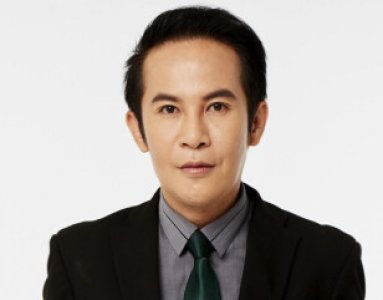
Dr Phatcharasak Kraisornphongsakul Md
34 years of experience • 20000+ treatments performed

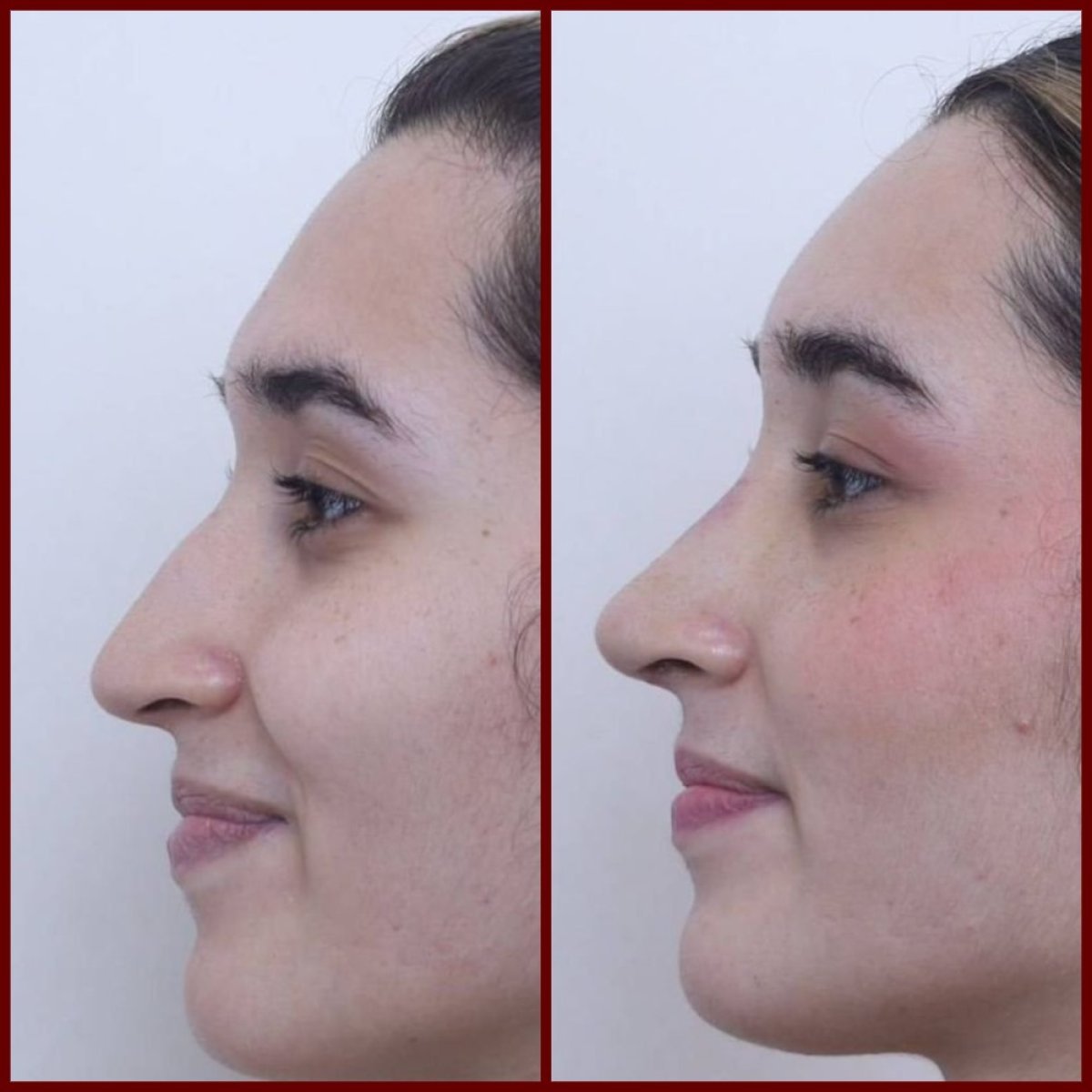
Surgeon's portfolio
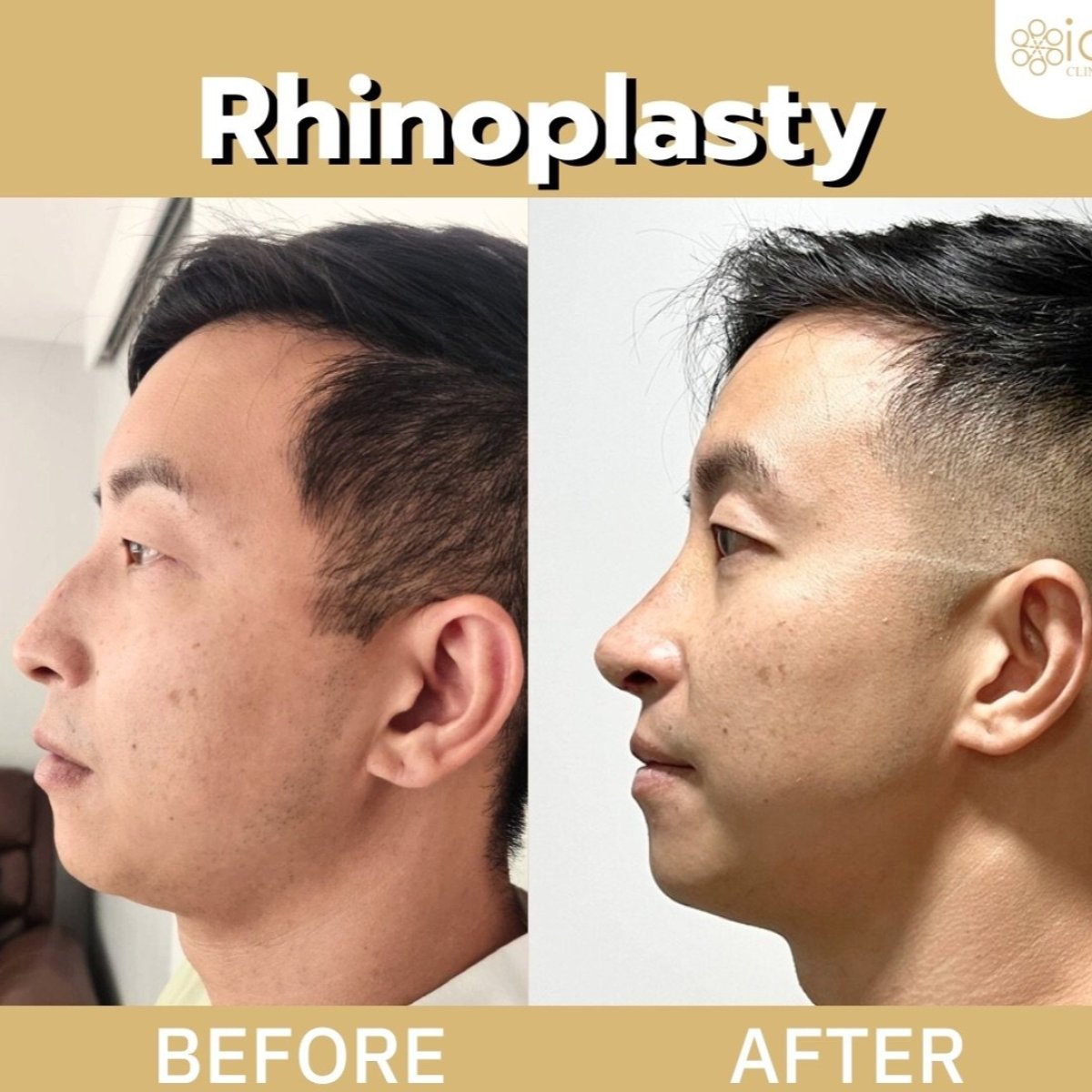
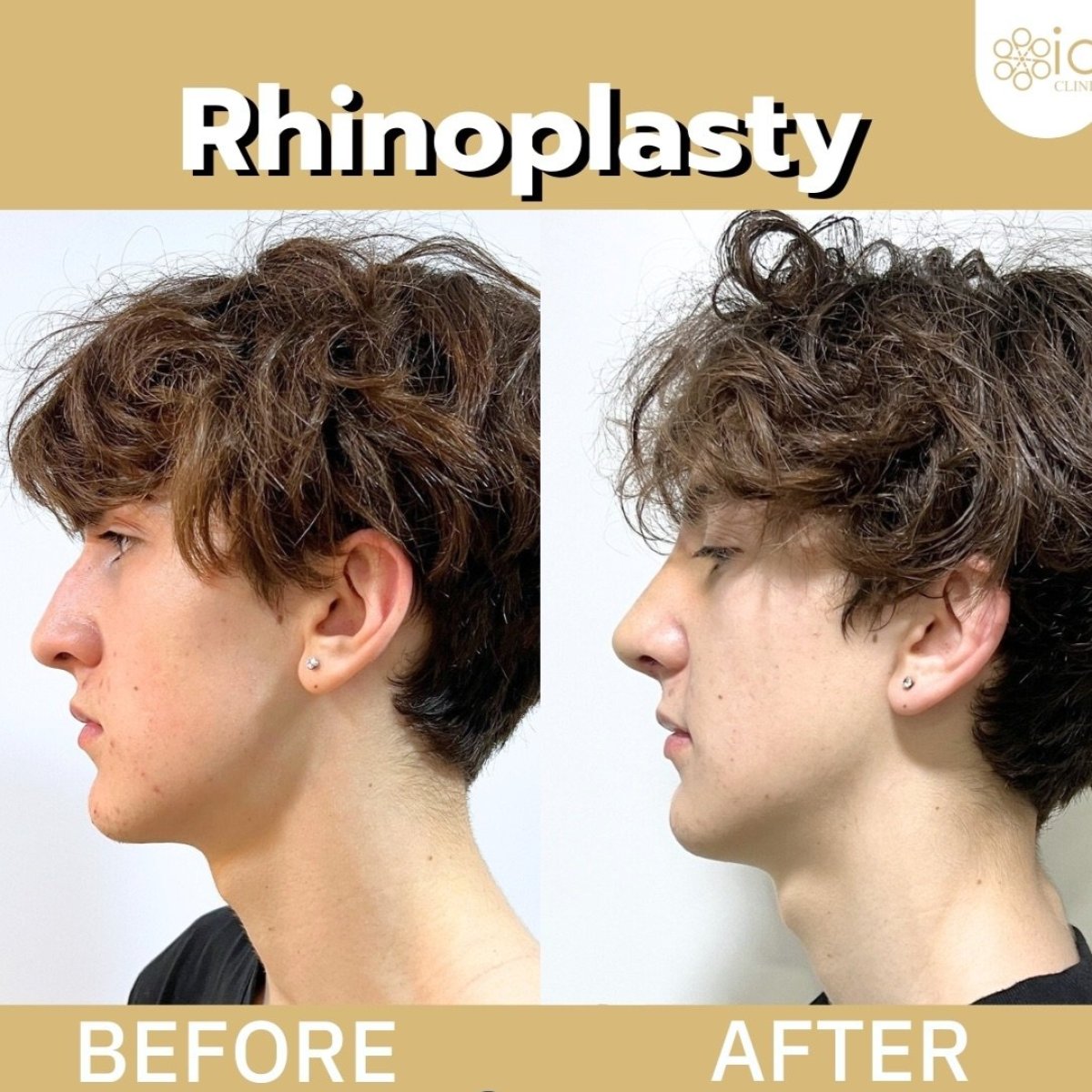
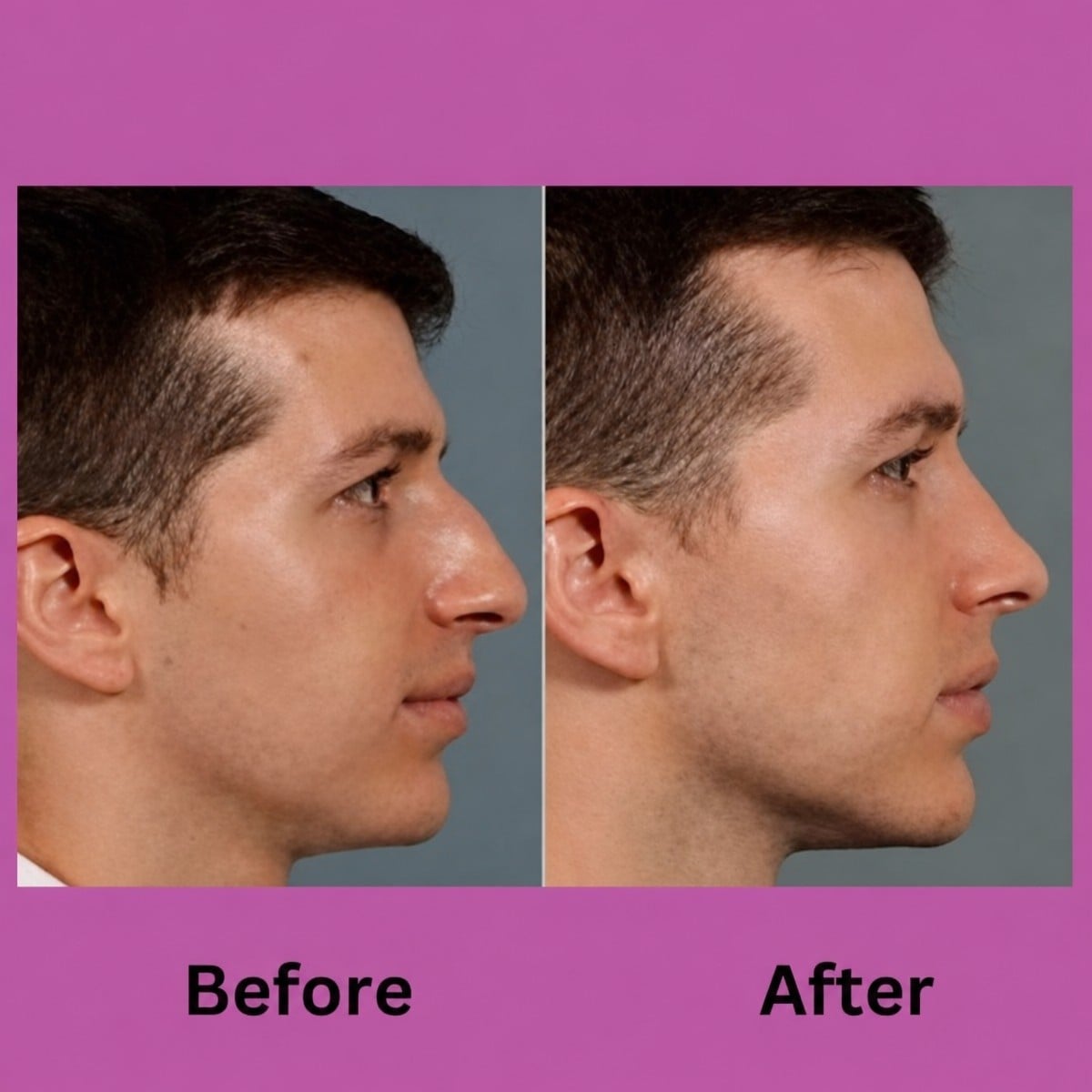
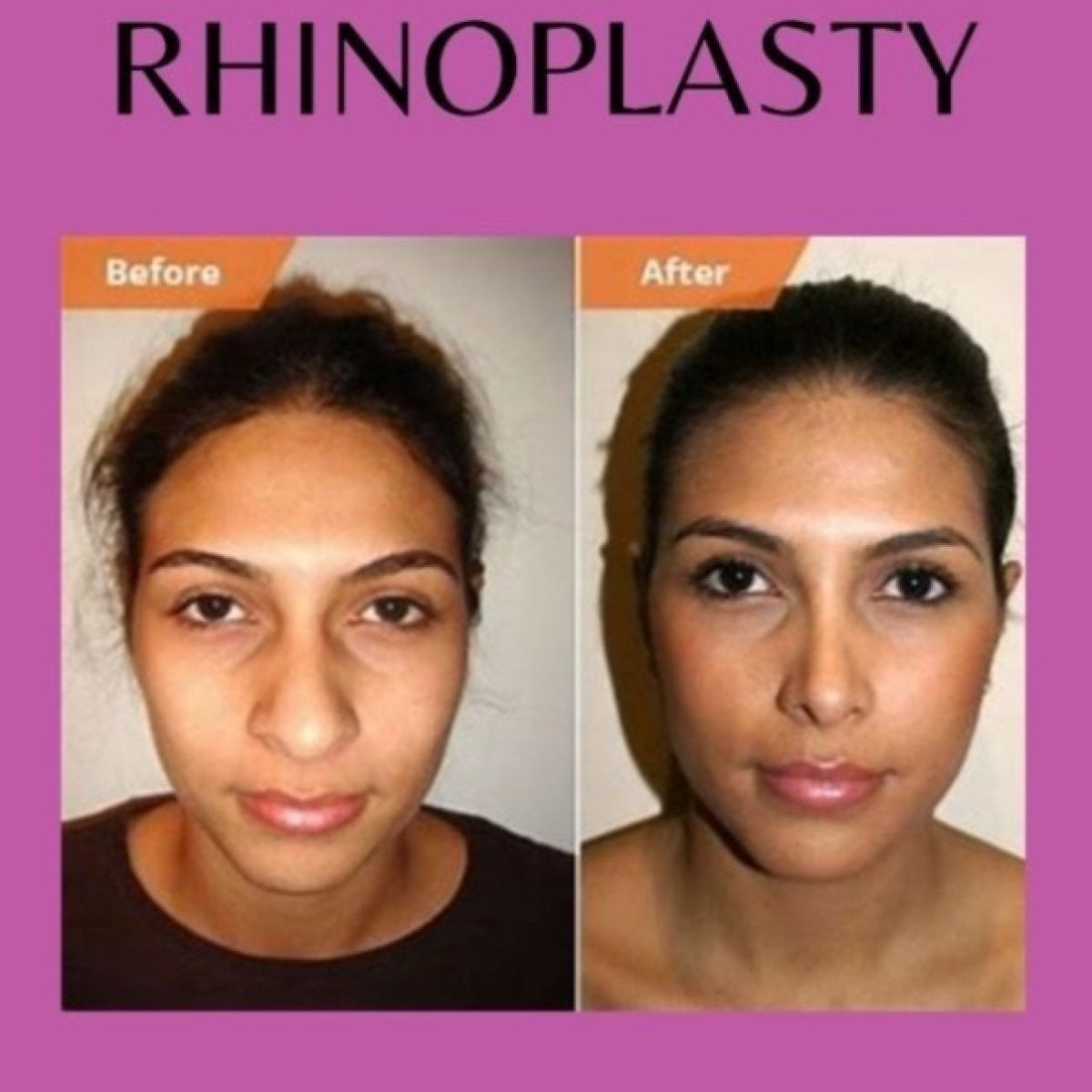
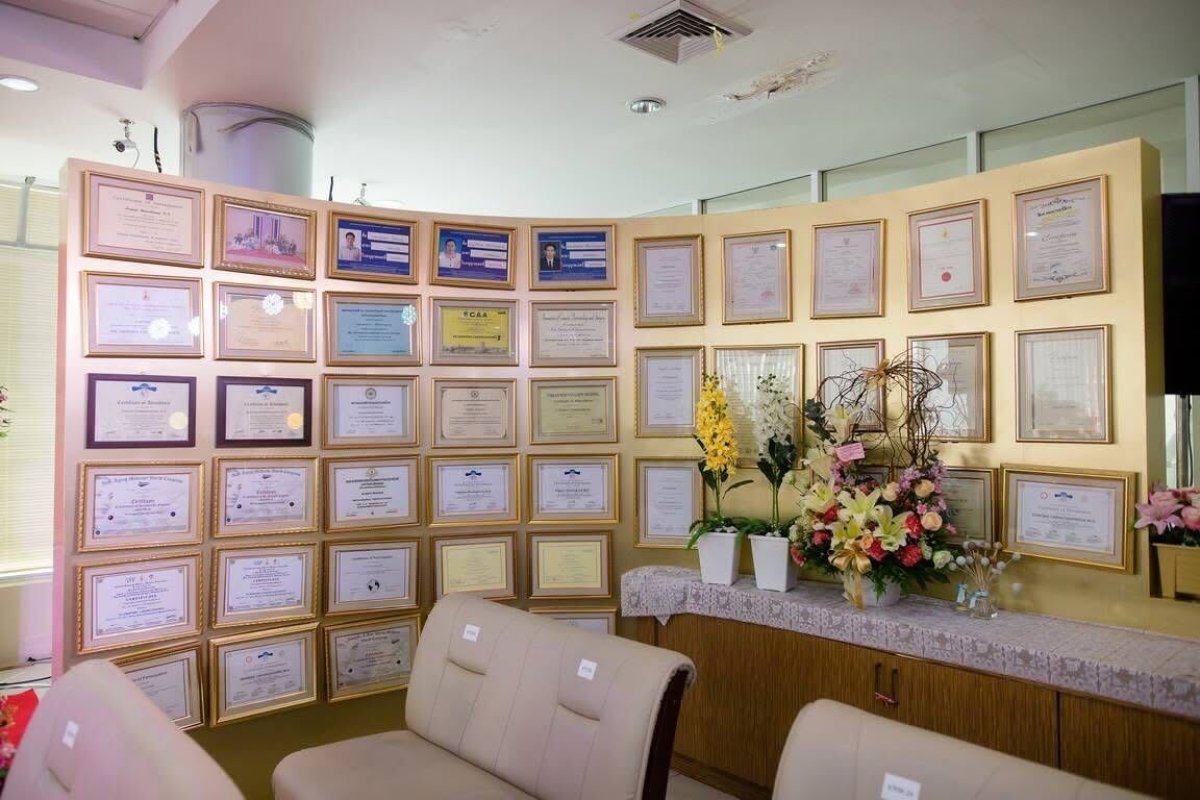
Clinic is certified : 
Closed rhinoplasty in Thailand costs $1,400 / ฿47,600 to $2,000 / ฿68,000, about 81% less than the US average of $8,800 / ฿299,200 (Bookimed data, November 2026). Bookimed lists 5 closed rhinoplasty clinics in Thailand, all in Bangkok, including HA Thailand-accredited and JCI-accredited clinics. These clinics are rated 4.4/5 in 200 verified patient reviews on Bookimed.

Last updated: Nov 24, 2026
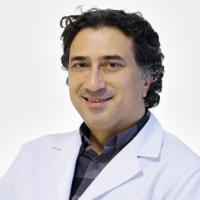
Medically reviewed by
Ergin Er
Bookimed is free for patients – clinics pay us a commission, and you pay the clinic its own price with no markup. Five steps to your closed rhinoplasty in Thailand:
Tell us what you need and share photos of your nose from the front, side, and below.
Your coordinator finds clinics that match your needs and helps you choose. Your preferred clinics then send personalized treatment plans and quotes for you to compare.
We set treatment dates that work for you and help arrange your flights and accommodation. If needed, we request a visa support letter from the clinic.
The clinic team performs your closed rhinoplasty on the agreed dates. We support you throughout your trip.
You can fly home 7–10 days after surgery, and your nose settles over 6–12 months. Your coordinator stays in touch and helps arrange a follow-up if you need one.
Some clinics ask for a deposit. A $200 or €200 deposit paid through Bookimed comes off your clinic bill and is refundable up to 10 calendar days before your visit. A deposit paid to the clinic follows its own terms.




Tell us about your needs — and get 3 tailored offers from top doctors for you.
Do you have difficulty breathing your nose?
Direct prices from clinics
Free evaluation of your medical case
Free personal assistance 24/7
Cost and clinics
| Typical closed rhinoplasty price in Thailand | Clinics | Accreditations | Cities | Closed rhinoplasty surgeons | Surgeon experience |
|---|---|---|---|---|---|
| $1,400 / ฿47,600–$2,000 / ฿68,000 | 15 clinics | JCI (4 clinics), ISO (4), GHA (1), TEMOS (1) | Bangkok (9 clinics), Pattaya (2), Chon Buri (1), Khon Kaen (1) and 2 more | 29 surgeons | ~92% of surgeons have 10+ years of practice (median 22 years) |
The procedure
| Before the trip | Time in Thailand | Operation time | Anesthesia | Back to desk work | Final result |
|---|---|---|---|---|---|
| Consult with surgeon, review medical history and tests, stop smoking, avoid blood thinners, arrange transport and support | 7–10 days, including up to 1 night in hospital | 1.5–3 hours | General | 7–14 days | 6–12 months |
Closed rhinoplasty in Thailand costs from $1,400 / ฿47,600 to $2,000 / ฿68,000. The final quote depends on the surgeon, clinic tier, and whether cartilage grafts or tip support are involved.
Closed rhinoplasty in Thailand costs from $1,400 / ฿47,600 to $2,000 / ฿68,000. The final quote depends on the surgeon, clinic tier, and whether cartilage grafts or tip support are involved. Bangkok and Pattaya are listed treatment locations. In the US, similar procedures cost about $8,800 / ฿299,200 on average; Thailand offers savings of around 81%. Confirm whether anesthesia, medication, and follow-up visits are included, since fees may be bundled or separate.
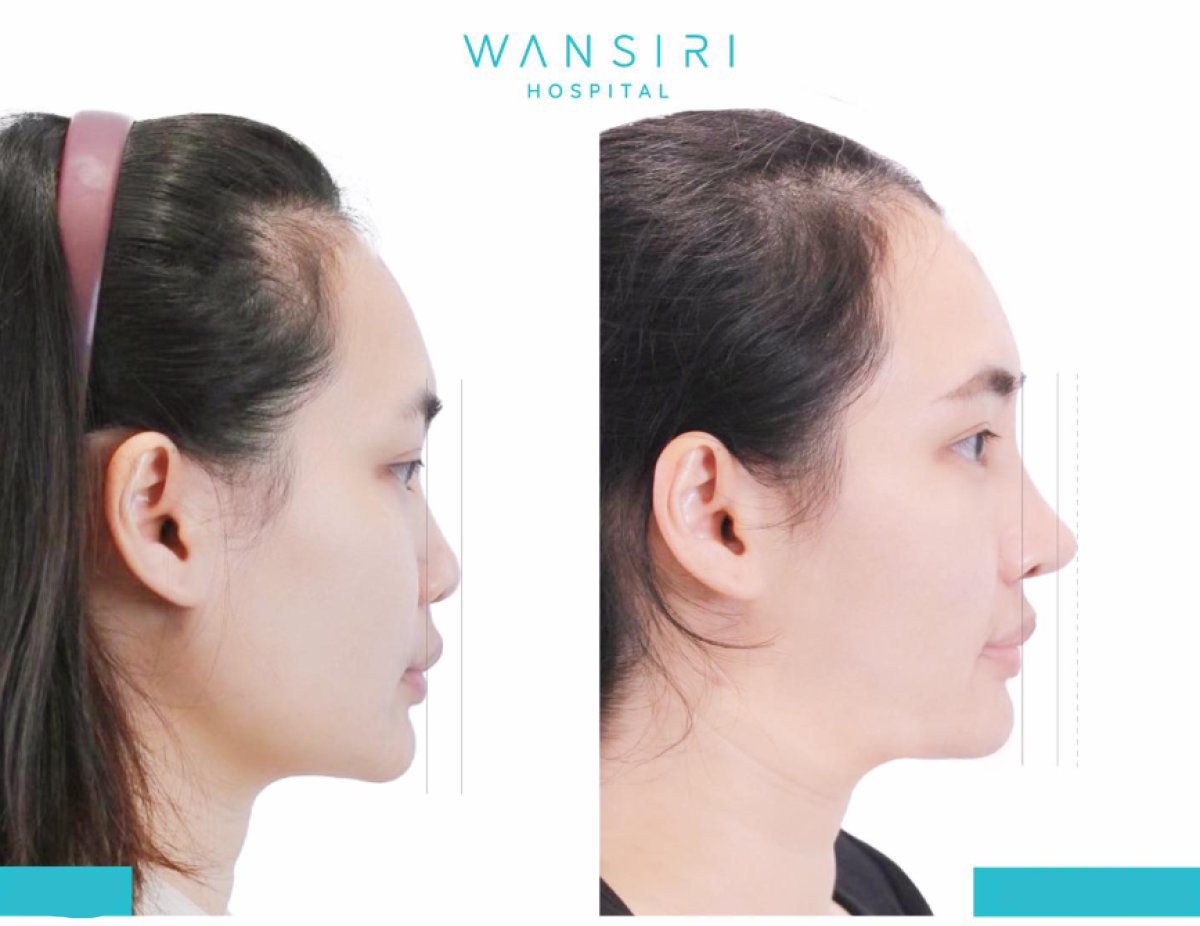
Bookimed Expert Insight. Comparing written inclusions alongside clinic credentials can help clarify what each quote covers. Wansiri Hospital lists rhinoplasty prices around $1,350–$1,950 and has a 4.5/5 rating from 15 reviews. Asia Cosmetic Hospital lists approximately $1,500–$2,800 and holds Joint Commission International (JCI) accreditation. Its surgeon, Tanongsak Panyawirunroj, has performed over 15,000 operations. These are listed rhinoplasty prices, not package specifications.
| Thailand | Turkey | The USA | |
|---|---|---|---|
| Closed rhinoplasty | from $1,400 / ฿47,600 | from $2,000 / ฿68,000 | from $6,000 / ฿204,000 |
For closed rhinoplasty in Thailand, narrow your clinic choices, compare starting quotes, confirm who will perform the operation, and assess qualifications and clinic accreditation.
Choose a city
Check price spread
Confirm the operator
Check credentials
Read reviews
| Clinic Name | Patient Rating | About | Accreditations | Lead Doctor | Techniques |
|---|---|---|---|---|---|
| ID Clinic Bangkok Bangkok | 4.4 (139 reviews) | Dr. Phatcharasak Kraisornphongsakul brings 34 years of experience with 20,000+ procedures performed. Closed rhinoplasty at ID Clinic Bangkok may cost around $2,000–2,800 – typically covering surgery, anesthesia, pre-op exams, lab tests, medications, and transfers. The clinic reports a 95% success rate for rhinoplasty and holds Royal College of Surgeons Thailand accreditation. Dr. Phatcharasak is board-certified in plastic surgery and trained at Khon Kaen University. | — | Closed rhinoplasty, ultrasonic piezotome for precise bony hump shaving | |
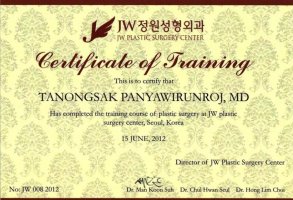
| Asia Cosmetic Hospital Bangkok | 4.0 (23 reviews) | Dr. Tanongsak Panyawirunroj specializes in closed rhinoplasty with training at Chang Gung Memorial Hospital and JW Hospital in Seoul. The procedure may cost around $1,100–$2,300. He holds board certifications in plastic surgery from Siriraj Hospital and has practiced since 2012. Asia Cosmetic Hospital is JCI-accredited with a 0% complication rate post-surgery. | ISAPS, JCI, ISO | Tanongsak Panyawirunroj 28 years | Silicone |
| Wansiri Hospital Bangkok | 4.5 (32 reviews) | Dr. Jiraroch Meevassana has performed 1,100+ rhinoplasty procedures with 22 years of experience. Closed rhinoplasty may cost around 42,000 THB, typically covering surgery with local anesthesia, silicone implant placement, ear cartilage grafting, and post-op care. The premium package runs at 118,000 THB with additional inclusions. Dr. Jiraroch trained at ASAN University Medical Rhinoplasty Forum and is ATLS certified. Wansiri Hospital holds Royal College of Surgeons Thailand accreditation with a 4.5/5 rating from 20 reviews. | — |  Jiraroch Meevassana 22 years | Closed rhinoplasty, semi-open rhinoplasty, tipoplasty |
Dr Phatcharasak Kraisornphongsakul Md specializes in closed rhinoplasty at ID Clinic Bangkok.

Dr. Saran Wannachamras specializes in closed rhinoplasty with training at East Virginia School (EVIMS), USA. He brings decades of experience in cosmetic and reconstructive surgery.
Dr. Tanongsak specializes in closed rhinoplasty with international training in Taiwan, USA, Canada, and South Korea.

Dr. Kasemsak Pyungtanasup specializes in closed rhinoplasty at Wansiri Hospital, bringing extensive training from top institutions.
Nose-shape planning with 3D face scanning
| Typical price | vs Thailand | |
|---|---|---|
| Thailand (this page) | $1,400 – $2,000 | – |
| United States of America | from $6,000 | +329% |
| Turkey | from $2,000 | +43% |
Bangkok has 9 clinics, the widest choice for closed rhinoplasty in Thailand. Patients can compare silicone implants, artificial tissue grafts, and autologous cartilage grafts, with prices from $1,400 / ฿47,600 to $2,000 / ฿68,000.
| City | Clinics | Popular techniques | Top clinics | Logistics & setting | Good for |
|---|---|---|---|---|---|
| Bangkok | 9 | Silicone implants, artificial tissue graft, autologous cartilage graft | ID Clinic Bangkok – 4.4, 132 reviews Asia Cosmetic Hospital – 4.0, 23 reviews Somchai Clinic – 4.0, 1 review | Capital and largest city · Suvarnabhumi Airport (BKK), 30 km from Bangkok · Don Mueang Airport (DMK), 24 km from central Bangkok | Widest choice of clinics |
| Pattaya | 2 | – | Seoul Clinic Thailand Bangkok Hospital Pattaya | Coastal resort city · U-Tapao airport about 45-minute drive away | Coastal resort recovery setting |
| Chon Buri | 1 | Ear cartilage graft, silicone implants | PHD Clinic | Coastal provincial city · Suvarnabhumi Airport, 44 km from the city center | Suvarnabhumi airport nearby |
A city tells you how you will travel and where you will recover, but not how your closed rhinoplasty will go. Surgeons and clinics in the same city differ in experience and in how they handle aftercare, so choosing them matters just as much as choosing the city.
You can usually fly home 7–10 days after surgery, once your splint is removed, you have your first surgical check, and your surgeon approves. Plan for 7–14 days before returning to desk work, though bruising and swelling may still be visible. Light activity may resume earlier, while strenuous exercise usually waits about 4–6 weeks and contact sports wait longer. Your nose settles over 6–12 months, although tip refinement may take longer.
You may have swelling, bruising around your eyes, and nasal congestion while your splint is in place. Rest with your head raised, and avoid nose-blowing, bending, and heavy lifting.
Your splint is removed, and bruising fades. You can usually fly home 7–10 days after surgery, after your first surgical check and splint removal, with your surgeon’s approval.
Visible swelling decreases, and breathing improves. Avoid heavy exercise until your surgeon clears you, and stay away from contact sports.
Residual swelling gradually settles as your nose’s shape becomes more refined. Avoid trauma to your nose during this longer healing period.
When to contact your clinic: Contact your clinic for a heavy nosebleed that does not stop or severe pain that is not improving. Call your clinic if you develop a fever or yellow discharge. For chest pain or sudden breathlessness after a long flight, seek emergency help locally.


 Anna Leonova

Closed rhinoplasty involves incisions hidden entirely inside the nostrils, while open rhinoplasty uses an additional small external cut across the columella. This distinction affects surgical visibility, with the closed approach offering a faster recovery and no visible scarring for primary nose reshaping in Thailand.
Bookimed Expert Insight: While open rhinoplasty is the global standard for complex cases, Asia Cosmetic Hospital maintains a 0% complication rate by matching techniques to anatomy. Specialized Thai surgeons like Dr. Pornthep Sirimahachaiyakul at Wansiri Hospital favor the closed approach for 80% of primary cases to prioritize natural, scarless results.
Patient Consensus: Patients report that closed rhinoplasty in Bangkok feels indistinguishable from open results after 6 months. Many emphasize the rapid 7 to 10 day recovery compared to longer timelines experienced elsewhere.
Closed rhinoplasty is a scarless surgical technique where all incisions are placed inside the nostrils. Unlike the open approach, which uses an external cut across the columella, this method leaves no visible marks and typically offers faster healing with reduced post-operative swelling for patients.
Bookimed Expert Insight: Thai clinics like Asia Cosmetic Hospital and Wansiri Hospital maintain high success rates by matching the technique to the patient's specific anatomy. While closed rhinoplasty is popular for its lack of scarring, Thai board-certified surgeons often recommend the open approach for complex tip grafting. This ensures structural stability that closed methods sometimes cannot provide in a single session.
Patient Consensus: Many patients prefer the closed approach for initial cosmetic refinements to avoid any visible signs of surgery. However, those needing significant corrective work often shift to open procedures to ensure the most symmetrical and lasting results.
You are a good candidate for closed rhinoplasty if you seek subtle nasal refinements without external scarring. This endonasal technique suits patients requiring dorsal hump reduction, nasal bone narrowing, or minor tip adjustments. It is ideal for those with thin to medium-skinned anatomy and symmetrical nasal structures.
Bookimed Expert Insight: While many search for the lowest price, the real value in Thailand lies in high-volume expertise. At ID Clinic Bangkok, surgeons like Dr. Phatcharasak Kraisornphongsakul have performed over 20,000 procedures. This massive experience level often allows Thai surgeons to achieve results using a closed approach that less experienced doctors might only attempt with open surgery. Choosing a high-volume center can reduce your surgical time and postoperative swelling significantly.
Patient Consensus: Experienced patients recommend sending profile photos to at least three surgeons to confirm candidacy. They emphasize that while closed surgery allows for a flight home by day 5, diligent taping remains essential for the best results.
Bridge augmentation in Thailand primarily uses medical-grade silicone implants, autologous cartilage grafts, or Gore-Tex (ePTFE). Surgeons often select L-shaped or I-shaped silicone for height, while rib, ear, or septal cartilage provides natural integration. These materials are frequently used in closed rhinoplasty to refine the nasal profile.
Bookimed Expert Insight: Thai clinics like Asia Cosmetic Hospital often favor brand-name implants like Implantech to ensure material purity. While silicone is the most requested due to its affordability, surgeons frequently suggest adding a cartilage shield at the tip. This small addition significantly reduces the risk of the implant thinning the skin over time.
Patient Consensus: Many patients appreciate the immediate results of silicone but note longer swelling when using rib cartilage. Checking a surgeon's specific portfolio for your chosen material is highly recommended for safety.
A typical all-inclusive Thai surgery package bundles the surgeon fee, anesthesiologist services, and a 1–3 night hospital stay into a single price. Most plans also cover pre-operative screenings, required medications, and follow-up consultations at Joint Commission International-accredited facilities in Bangkok.
Bookimed Expert Insight: Data from high-volume centers like ID Clinic Bangkok and Asia Cosmetic Hospital shows a trend where the highest success rates, often cited at 95% or above, are tied to surgeons like Dr. Phatcharasak Kraisornphongsakul who have performed 20,000+ operations. Choosing clinics with high `requests served` scores usually ensures more robust logistical support, such as 24/7 translation and smoother hospital-to-hotel transitions.
Patient Consensus: Patients emphasize getting itemized lists in writing as base prices can increase with onsite upgrades. Most recommend budgeting 20–50% extra for extended hotel stays during the 2–4 week recovery period.
Most patients recover from closed rhinoplasty within 7 to 14 days, allowing a return to work or social activities. While internal incisions accelerate initial healing and minimize visible scarring, complete nasal tip refinement and total swelling resolution typically require 12 months for full cosmetic maturity.
Bookimed Expert Insight: Thailand is a global leader for rhinoplasty because of high-volume specialized centers like Asia Cosmetic Hospital. Dr. Pichet Rodchareon has performed over 3,000 procedures, providing an experience level that often results in 0% post-operative complication rates. This high surgical volume ensures that recovery protocols follow refined, gold-standard safety patterns.
Patient Consensus: Patients report nasal breathing is often blocked for 2 to 3 weeks due to internal swelling. They recommend using straws for drinking and taking weekly photos to track the gradual 12-month transformation.
Patients undergoing closed rhinoplasty in Thailand should plan a stay of 7 to 14 days. This window ensures safe initial healing, provides time for critical follow-up appointments, and allows surgeons to remove internal splints or sutures before granting medical clearance for air travel.
Bookimed Expert Insight: While minimum stays are 7 days, our data suggests booking flexible accommodation for 14 days is the safest strategy. Leading facilities like Wansiri Hospital and ID Clinic Bangkok report peak swelling between days 7 and 10. Flying during this window is often uncomfortable. Extending your stay by just 3 days beyond the minimum often prevents the need for emergency local care once you return home.
Patient Consensus: Many travelers recommend a 10-day minimum to ensure the nasal splint is removed comfortably. Patients warn that flying too early causes intense sinus pressure and highly recommend having a 3-week buffer for peace of mind.
Preparing for closed rhinoplasty in Thailand requires focusing on physical optimization and strict medication management. You must stop smoking and all nicotine products 4 to 6 weeks before surgery to ensure proper healing. Finalize medical tests and coordinate local logistics at least 2 weeks prior.
Bookimed Expert Insight: While many focus on surgery day, the most successful patients in Thailand utilize the week prior to source recovery aids locally. Clinics like Asia Cosmetic Hospital maintain a 0% complication rate partly because international patients arrive early to stabilize their blood pressure and acclimate to the tropical climate before entering the operating room.
Patient Consensus: Many suggest downloading translation apps immediately and starting Arnica supplements 2 weeks early. Patients often emphasize that securing a local SIM card is vital for maintaining constant contact with clinic coordinators during the preparation phase.
Last review: Nov 24, 2026
Ergin Er — Dr. Ergin Er is a plastic, reconstructive and aesthetic surgeon who has performed more than 10,000 aesthetic procedures. He is a multiple award winner at Turkish National Congresses of Plastic Surgery and completed advanced training at Baylor College of Medicine in Houston, Texas.
Ask a Bookimed medical coordinator about prices, clinics, techniques or your case. Write to us in the messenger you already use.
Tap a messenger to open a chat with a Bookimed medical coordinator.
Free and without obligation · Terms of use · Privacy policy