
To homepage

How it works

Bookimed is free for patients – clinics pay us a commission, and you pay the clinic its own price with no markup. Five steps to your coronary artery bypass grafting in Thailand:

  1. Share your case

    Tell us about your condition and share your latest scans and medical reports.

  2. Get treatment plans

    Your coordinator finds clinics that match your needs and helps you choose. Your preferred clinics then send personalized treatment plans and quotes for you to compare.

  3. Plan your trip

    We set treatment dates that work for you and help arrange your flights and accommodation. If needed, we request a visa support letter from the clinic.

  4. Visit the clinic

    The clinic team performs your coronary artery bypass grafting on the agreed dates. We support you throughout your trip.

  5. Recover at home

    You fly home 7–14 days after surgery, with energy and symptoms improving over 3–6 months. Your coordinator stays in touch and helps arrange a follow-up if you need one.

Some clinics ask for a deposit. A $200 or €200 deposit paid through Bookimed comes off your clinic bill and is refundable up to 10 calendar days before your visit. A deposit paid to the clinic follows its own terms.

1M+ patient inquiries
32+ countries
3,323 partner clinics
13,325 certified doctors

Coronary artery bypass grafting Packages in Thailand

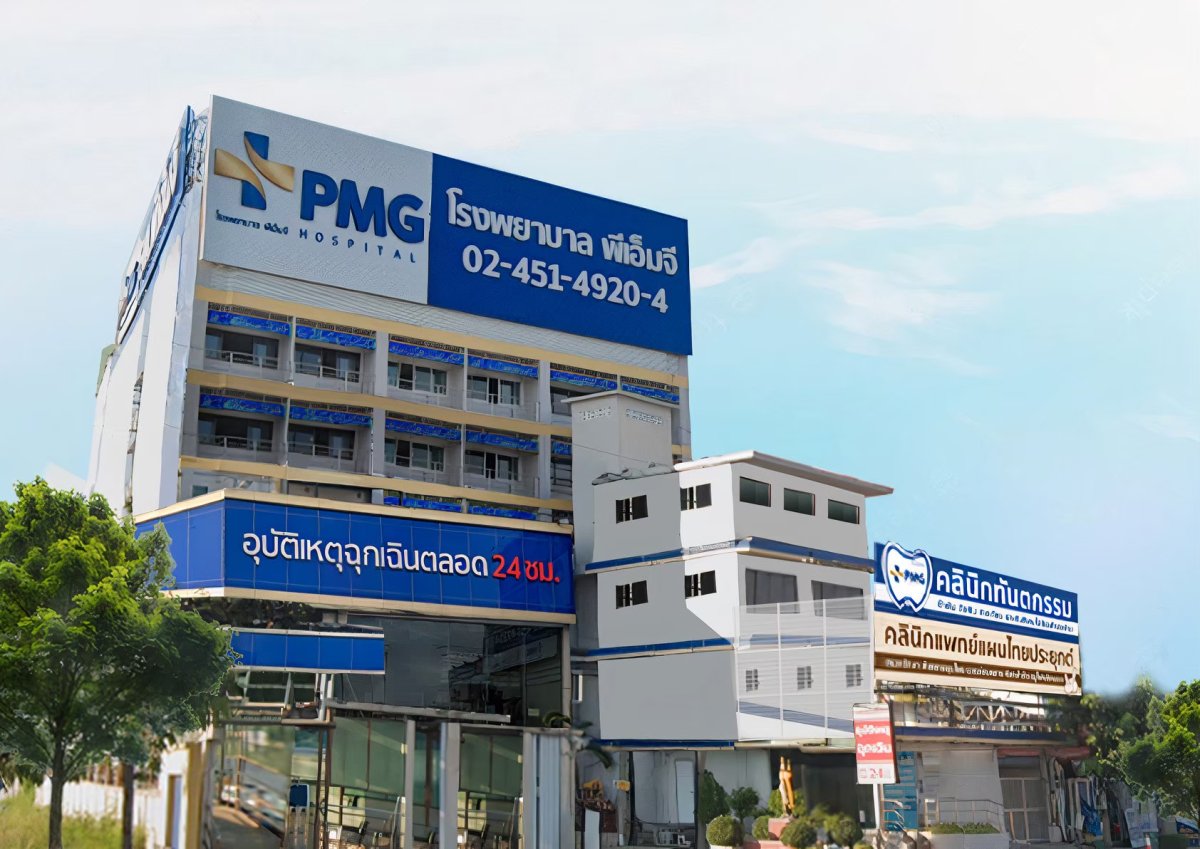
PMG HospitalCoronary Artery Bypass Grafting (CABG)

Thailand, Bangkok

sarunyoo Suttipongkeat

17 years of experience • 37977+ treatments performed
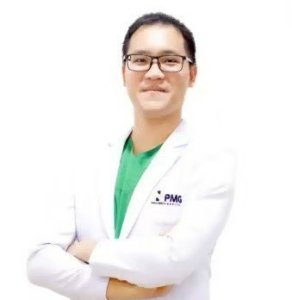
 sarunyoo Suttipongkeat
  • sarunyoo Suttipongkeat completed a clinical fellowship in interventional cardiology at Siriraj Hospital, Mahidol University.
  • PMG Hospital specializes in advanced cardiology procedures, including coronary angiography and carotid angioplasty with stenting.
  • Included Services: 3 meals per day by a nutritionist, 24-hour nurse services, various accommodations, consultation with a doctor, VIP hospital room, and transfer from airport to clinic and back.
  • Stay Info: 6 days hospital stay and 7 days hotel stay; accommodation included in the price.

Top Clinics

Get matched with the best doctors for Coronary artery bypass grafting

Tell us about your needs — and get 3 tailored offers from top doctors for you.

Do you have any medical records related to your issue?

Direct prices from clinics

Free evaluation of your medical case

Free personal assistance 24/7

Thailand Coronary artery bypass grafting overview

Cost and clinics

Typical coronary artery bypass grafting price in ThailandPackagesClinicsAccreditationsCities
$19,400 / ฿659,600–$20,000 / ฿680,0001 package3 clinicsISO (3 clinics), JCI (2), GHA (1), TEMOS (1)Bangkok (2 clinics), Pattaya (1)

The procedure

Before the tripTime in ThailandOperation timeAnesthesiaBack to desk workFinal result
Plan grafts with cardiac imaging and tests; consult surgeon; stop smoking; prepare for intensive care7–14 days, including about 6 nights in hospital3–6 hoursGeneral6–13 weeks3–6 months

How much does a Coronary artery bypass grafting cost in Thailand?

Coronary artery bypass grafting in Thailand costs from $19,400 / ฿659,600 to $20,000 / ฿680,000. The final amount depends on the hospital, surgical approach, and number of grafts.

Data verified by Bookimed as of November 2026, based on patient requests and official quotes from 100 clinics worldwide. Median costs are based on real invoices (2025–2026) and updated monthly. Actual prices may vary.

How to choose a Coronary artery bypass grafting clinic in Thailand

For coronary artery bypass grafting in Thailand, narrow the city choice, compare equivalent-scope starting quotes, confirm who will perform the operation, and assess credentials, facility standards, and aftercare.

What to check

  • 1. City shortlist

    Bookimed lists 3 clinics for coronary artery bypass grafting in Thailand, with top-ranked options in Bangkok and Pattaya.
  • 2. Price comparison

    Compare clinic starting quotes only when the treatment scope matches – the highest starting clinic quote on Bookimed is about 1.4 times the lowest.
  • 3. Team confirmation

    Ask whether the surgeon you meet will personally perform the planned coronary artery bypass grafting, and request experience examples and similar-case before-and-after results.
  • 4. Final checks

    Ask if your physician is licensed by the Medical Council of Thailand, how facility standards and equipment are verified, who handles complications after you return, and when you can fly.

Discover Coronary artery bypass grafting Clinics in Thailand

Clinic NamePatient RatingAboutAccreditationsLead DoctorTechniques
Intrarat Hospital

Bangkok

4.4 (15 reviews)

Intrarat Hospital offers coronary artery bypass grafting with an all-inclusive 6-night package covering surgery, diagnostics, and transfers. The procedure may cost around 800,000 THB (~$25,000-$28,000). The ISO 9001:2015 certified hospital has a 98% patient recommendation rate and provides comprehensive cardiology services.

ISO—Consultation with a cardiologist, Ultrasound
Bumrungrad International Hospital

Bangkok

4.6 (131 reviews)

Bumrungrad International Hospital handles over 1 million annual patients, with 50% coming from overseas, and is recognized among the world's top 30 most technologically advanced medical centers. Coronary artery bypass grafting typically costs around $22,800–$39,400. The facility's cardiology department operates with a dedicated team in one of Southeast Asia's largest private cardiac care units.

ISO, JCI, GHA—Coronary artery bypass grafting, Echocardiography, Ultrasound
Bangkok Hospital Pattaya

Pattaya

4.0

Forty percent of international medical tourists pick Bangkok Hospital Pattaya. It treats over 400,000 patients yearly from 150 countries and holds JCI accreditation. Part of the Bangkok Dusit Medical Services group, its top specialties are cardiology and cosmetic surgery. Heart Center performs coronary bypass surgery without a heart-lung machine. Received the Prime Minister's Export Award for services to international patients. Digital Mammogram with Tomosynthesis offers 2D and 3D breast imaging in 10 seconds with less pain. 128-Slice CT scans coronary arteries in 4 seconds with 90% accuracy. Accredited by TEMOS and certified under ISO 9001 by TÜV NORD.

JCI, ISO, TEMOS—Comprehensive cardiovascular diagnosis, ECG

Why choose Thailand for a Coronary artery bypass grafting

Heart-lung-machine-free surgical approach

Patients choose Thailand for coronary artery bypass grafting for internationally recognized clinic standards and a reimbursement pathway for foreign patients. ISO standards.

Where to get a Coronary artery bypass grafting in Thailand

In Thailand, Bangkok offers more clinic choice for coronary artery bypass grafting, with prices from $19,400 / ฿659,600. Suvarnabhumi Airport (BKK), about 30 km east of the capital's center, and Don Mueang Airport (DMK), about 24 km north, provide routes into the capital.

Coronary artery bypass grafting recovery timeline: what to expect week by week

You can usually fly home 7–14 days after surgery, once discharged and cleared by your surgeon. Desk or light work may resume after 42–90 days, while heavy manual work can take longer as your breastbone heals. Walking starts immediately, cardiac rehabilitation may begin around 2–6 weeks, and sternal precautions last 6–12 weeks. Strenuous exercise requires your surgeon’s clearance, and energy and symptoms often improve over 3–6 months, although full functional recovery varies.

  1. Days 0–2

    You’ll be closely monitored as staff help you come off the breathing machine and remove chest drains. Stay in bed with help to move, and wait to eat or drink until you’re stable after extubation.

  2. Days 2–7

    You’ll build up walking and practice breathing exercises while staff check your wound and heart rhythm. Follow sternal precautions to protect your breastbone, and avoid lifting or driving.

  3. Weeks 1–6

    Gradually increase walking as pain and fatigue ease and wounds heal. Avoid lifting over about 2–5 kg, arm pushing or pulling, and driving until cleared. You may fly home 7–14 days after surgery with your surgeon’s approval, and arrange an early local wound check after the flight.

  4. Weeks 6–12

    Your breastbone continues to heal, while cardiac rehabilitation may begin around 2–6 weeks and helps increase activity as return to work is considered. Around 30–60 days, a surgeon or cardiologist may review your recovery, medications, and breastbone healing. Increase heavier activity gradually and only with clearance.

  5. Months 3–6

    Energy and exercise tolerance may return to near full levels over 3–6 months, though full functional recovery varies. A cardiology review around 90–180 days checks symptoms and risk-factor control.

When to contact your clinic: Contact your clinic for wound redness, swelling, pus, fever, or chills. Chest pain with shortness of breath needs emergency care.

Is a Coronary artery bypass grafting in Thailand safe?

Coronary artery bypass grafting in Thailand is safe when an experienced cardiac surgeon performs it after an individual assessment, in a licensed clinic, with follow-up planned in advance. Of 3K+ Bookimed patients who had coronary artery bypass grafting, 85% would recommend it.

Which risks need attention?

Many side effects after coronary artery bypass grafting are temporary and treatable, although serious complications can occur. Possible risks and side effects include:

  • Bleeding that may require transfusion or another procedure
  • Postoperative atrial fibrillation
  • Sternal wound infection or poor healing
  • Stroke or changes in thinking
  • Heart attack or early graft failure
  • Kidney injury
  • Lung complications such as pneumonia or fluid around the lungs
  • Death, especially in high-risk patients

Your cardiac surgeon should explain how likely each risk is for you and how it would be treated. A licensed clinic with an experienced specialist is equipped to recognize and manage these risks early.

What if there is a complication or the result falls short?

Contact your cardiac surgeon or clinic straight away if you notice:

  • Irregular heartbeat or skipped beats
  • Incision redness, swelling, warmth, or opening
  • Clicking sound in the breastbone

Before the procedure, get the direct contact details of a named doctor who will handle any complications, not only a general helpline.

Traveling to Thailand for a Coronary artery bypass grafting

Plan 7–14 days, including about 6 nights in hospital, in Thailand after the procedure before your flight home. US and UK passport holders can stay without a visa for up to 30 days. A longer stay for planned medical treatment may need a medical visa or another appropriate visa.

When What happens
Before the procedure Arrival, consultation and agreed tests
7–14 days after Check-up
7–14 days after Flight home

Before you fly

  • Visa. US and UK passport holders can stay without a visa for up to 30 days. A longer stay for planned medical treatment may need a medical visa or another appropriate visa. US tourists entering for fewer than 60 days must complete online registration before arrival.
  • Passport. The US State Department strongly recommends that your US passport be valid for at least six months beyond your arrival date. Your UK passport must have an expiry date at least six months after arrival and at least one blank page.
  • Medicines. If you travel from the US, carry prescription medicines in their original packaging with your doctor's prescription, and check that they are legal in Thailand. Hospitals and pharmacies in Thailand will usually accept UK prescriptions. The legal status of some UK medicines can differ.
  • Hand luggage. Bring your coronary angiography report and images, echocardiogram report, recent ECG, and list of blood thinners and heart medications. Bring your stress test and cardiac MRI reports if available.

Getting there and staying

  • Airports. Suvarnabhumi Airport (BKK) is about 30 km east of Bangkok's center. Don Mueang Airport (DMK) is about 24 km north.
  • Flight time. London to Bangkok is about 9,600 km, with about 11–12 hours flying. New York to Bangkok is about 13,900 km, with about 16–17 hours flying. A connection adds time.
  • Emergency. In a medical emergency, call 191 for an ambulance.

When to go

  • Weather. In Bangkok, average daytime highs are about 31 °C from September to January and about 35 °C in April and May. The wettest months, with 100 mm of rain or more, are May to October.
  • Season. November to February is drier and relatively milder, making it better for a recovery trip. May to October is harder for recovery because of heavy rain and hotter weather.

Insurance and changes

  • Health insurance. Medicare and Medicaid do not apply overseas. If you travel from the US, make sure your health insurance covers you overseas. If you travel from the UK, you cannot use a UK GHIC or EHIC in Thailand.
  • Hospital payment. All hospitals in Thailand require a guarantee of payment before treating patients.

Flying home

  • Fit to fly. You can usually fly home once discharged and cleared by your surgeon.
  • Take home. Take your operation notes, discharge instructions, medicine list, and any implanted-device card if one was issued.

Coronary artery bypass grafting in Thailand: Video Reviews from Bookimed Patients

Bonnie
The surgeon was extremely knowledgeable, and I am very pleased with the international service provided.
Procedure: Open heart surgery
Randolph
Stay strong, stay informed, and never underestimate the power of cutting-edge treatments and a solid support system.
Procedure: Radioembolization for liver cancer

Share this content

Updated: Nov 19, 2026
Authored by
Anna LeonovaAnna Leonova
Anna Leonova
Head of Content Marketing Team
A certified medical writer with 10+ years of experience, developed Bookimed’s trusted content, backed by a Master’s in Philology and medical expert interviews worldwide.
Hasim Ustunsoy
Hasim Ustunsoy
Cardiovascular surgeon
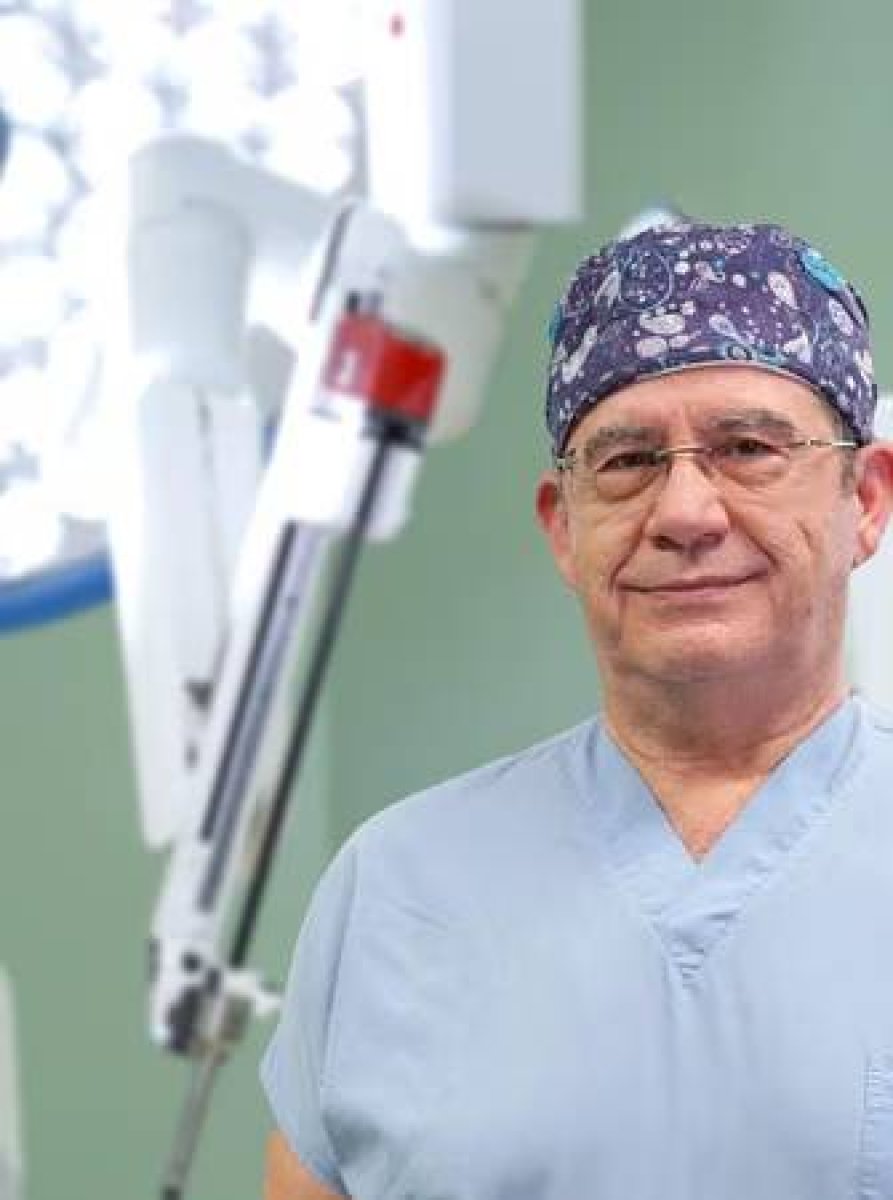
Prof. Dr. Haşim Üstünsoy is a cardiovascular surgeon specializing in robotic heart surgery, valve repair, and coronary artery bypass. He is a pioneer in robotic cardiac surgery using the Da Vinci system in Turkey.
This page may feature information relating to various medical conditions, treatments, and healthcare services available in different countries. Please be advised that the content is provided for informational purposes only and should not be construed as medical advice or guidance. Please consult with your doctor or a qualified medical professional before starting or changing medical treatment.

FAQ about Coronary artery bypass grafting in Thailand

What is the success rate of CABG in Thailand?

Thailand coronary artery bypass grafting (CABG) success rates range from 85% to 95% at specialized cardiac centers. Top-tier Joint Commission International accredited facilities like Bumrungrad International Hospital report in-hospital survival rates of 98% to 100%. These outcomes consistently meet or exceed established international medical benchmarks.

  • Survival rates: Leading Bangkok hospitals report 98% to 100% in-patient survival for primary procedures.
  • Long-term outcomes: Data indicates a 96.8% 1-year survival rate and 92.5% for 3-year periods.
  • Post-operative safety: Premier heart institutes maintain stroke rates as low as 0% following bypass.
  • Procedural efficiency: Average hospital stays last 7 days with readmission rates near 2%.

Bookimed Expert Insight: Thailand’s high success stems from extreme specialization at massive scales. Bumrungrad International Hospital treats 1,000,000 patients annually with 1,300 doctors. This high volume allows surgeons to maintain peak proficiency. Many Thai cardiac teams are board-certified in the US or Europe. They often utilize off-pump techniques to reduce surgical trauma.

Patient Consensus: Patients emphasize the importance of requesting a personalized risk score like EuroSCORE before surgery. Many reported that the level of English-speaking care and rigorous follow-up exceeded their experiences in Western hospitals.

Which are the top hospitals for CABG in Thailand?

Top hospitals for CABG in Thailand include Bumrungrad International Hospital and Bangkok Hospital, both recognized for high success rates and JCI accreditation. These facilities utilize advanced techniques like minimally invasive cardiac surgery and off-pump bypass to improve patient outcomes and shorten recovery times.

  • Bumrungrad International: Ranked 35th globally by Newsweek with a reported 0% post-operative stroke rate.
  • Bangkok Hospital: Features specialized cardiac surgery rooms and holds Newsweek Asia Pacific rankings.
  • Vejthani Hospital: Known for quaternary care and JCI-accredited cardiology units serving international patients.
  • Siriraj Piyamaharajkarun: Combines academic research expertise with costs approximately 20% lower than private peers.

Bookimed Expert Insight: While hospital branding is prestigious, focusing on surgeon volume is a smarter safety strategy. Data shows top-tier Thai surgeons often complete 1,000+ procedures, mirroring outcomes at elite US centers. Look for clinicians at Bumrungrad who handle 800+ annual coronary cases for the most consistent results.

Patient Consensus: Patients emphasize choosing surgeons with recognized international training, typically from the US or Australia. Most recommend budgeting an extra 30% for potential ICU extensions to ensure a stress-free recovery period.

What types of CABG procedures are available in Thailand?

Thailand provides advanced coronary artery bypass grafting (CABG) options including traditional on-pump, off-pump (OPCAB), and minimally invasive direct (MIDCAB) techniques. Specialized centers also perform hybrid procedures combining bypass with stenting and total arterial revascularization using internal thoracic and radial arteries for high durability.

  • On-pump CABG: traditional open-heart surgery using a heart-lung bypass machine for complex revascularization.
  • Off-pump (OPCAB): beating-heart surgery performed without a bypass machine to reduce systemic complications.
  • Minimally invasive (MIDCAB): small 7–10 cm incisions between ribs avoiding a full breastbone opening.
  • Total arterial grafting: use of LIMA-RIMA Y grafts rather than leg veins for longevity.
  • Hybrid CABG: integrated approach combining surgical bypass with percutaneous coronary intervention in one session.

Bookimed Expert Insight: Thai cardiac centers like Bumrungrad International Hospital and Bangkok Hospital Pattaya show a distinct specialization in total arterial revascularization. While many global centers still rely on saphenous vein grafts, top Thai surgeons frequently use multiple mammary arteries. This specific technical focus, backed by JCI and GHA accreditations, typically results in superior long-term graft patency for international patients.

Patient Consensus: Patients emphasize requesting arterial-only grafts over traditional vein grafts to ensure better long-term outcomes. Many report that verifying a surgeon's volume of over 200 procedures annually is essential for minimizing recovery risks.

What is the typical recovery period for CABG in Thailand?

The typical recovery period for CABG in Thailand spans 6 to 12 weeks for complete healing. Patients usually spend 5 to 7 days in the hospital, including 1 to 2 days in the ICU. Full sternum recovery typically requires 3 months of restricted lifting.

  • Hospital stay: Expect 3 to 7 days inpatient stay at JCI-accredited facilities like Bumrungrad International Hospital.
  • Mobility milestones: Supervised walking typically starts by day 2 to encourage circulation and prevent clots.
  • Travel safety: Medical experts recommend staying in Thailand for 3 to 4 weeks before flying home.
  • Physical restrictions: Avoid driving for 6 weeks and lifting over 10 lbs for 12 weeks.

Bookimed Expert Insight: Choosing off-pump surgery at high-volume centers like Bangkok Hospital Pattaya can significantly accelerate early recovery. Our data shows these patients often resume light activities by week 4. Traditional sternotomy patients usually require the full 6-week window before returning to light office work.

Patient Consensus: Many patients report that humidity in Thailand helps with breathing during early rehab. However, swelling in leg vein harvest sites can persist for over 4 weeks without compression stockings.

Are there travel restrictions after CABG in Thailand?

Travel restrictions after coronary artery bypass grafting in Thailand require waiting at least 14 days before flying. Most Thai airlines and major hospitals, including Bumrungrad International Hospital, recommend waiting 4 to 6 weeks for stability. Intercontinental flights often require 6 to 8 weeks and formal medical clearance.

  • Airline protocols: Thai Airways requires a 2-week wait to ensure intrathoracic air resorption.
  • Medical documentation: Patients must carry certificates for pacemakers, defibrillators, or essential medical equipment.
  • Mobility requirements: Surgeons recommend walking hourly and using compression socks to prevent thrombosis.
  • Physical limitations: Patients must avoid lifting over 10 pounds for the first 6 weeks.

Bookimed Expert Insight: Data from 145 Thai clinics shows centers like Bangkok Hospital Pattaya prioritize JCI standards. High-volume hospitals often require a formal follow-up at 4 weeks before granting travel clearance. Don't book return flights until this assessment is complete to avoid expensive changes.

Patient Consensus: Travelers emphasize that hospital discharge does not equal flight readiness. Many suggest coordinating with a home-country cardiologist before departing Thailand to ensure continuous care.

Last review: Nov 19, 2026

Hasim Ustunsoy
Content meets the Bookimed Editorial Policy and is medically reviewed by

Hasim Ustunsoy — Prof. Dr. Haşim Üstünsoy is a cardiovascular surgeon specializing in robotic heart surgery, valve repair, and coronary artery bypass. He is a pioneer in robotic cardiac surgery using the Da Vinci system in Turkey.

Get a free consultation

Have a question about Coronary artery bypass grafting in Thailand?

Ask a Bookimed medical coordinator about prices, clinics, techniques or your case. Write to us in the messenger you already use.

  • Direct prices from clinics
  • Free evaluation of your medical case
  • Free personal assistance 24/7

Ask your question in a messenger

Tap a messenger to open a chat with a Bookimed medical coordinator.

Free and without obligation · Terms of use · Privacy policy