Hydrotherapy in Thailand: costs, clinics and reviews

Last updated: 11/10/2026

Medically reviewed by
Fahad Mawlood
How it works
Bookimed is free for patients – clinics pay us a commission, and you pay the clinic its own price with no markup. Five steps to your hydrotherapy in Thailand:
Share your case
Tell us about your condition and share your latest scans and medical reports.
Get treatment plans
Your coordinator finds clinics that match your needs and helps you choose. Your preferred clinics then send personalized treatment plans and quotes for you to compare.
Plan your trip
We set treatment dates that work for you and help arrange your flights and accommodation.
Visit the clinic
The clinic team starts your hydrotherapy on the agreed dates. We support you throughout your trip.
Back home
You can fly home 7–21 days after your first session, with gains building over 1–3 months. Your coordinator stays in touch and helps arrange a follow-up if you need one.
Some clinics ask for a deposit. A $200 or €200 deposit paid through Bookimed comes off your clinic bill and is refundable up to 10 calendar days before your visit. A deposit paid to the clinic follows its own terms.
Hydrotherapy Prices by Clinic in Thailand

Panacee Hospital Rama 2 - Integrative Chronic Disease & Regenerative Center
Pacific Garden Hospital
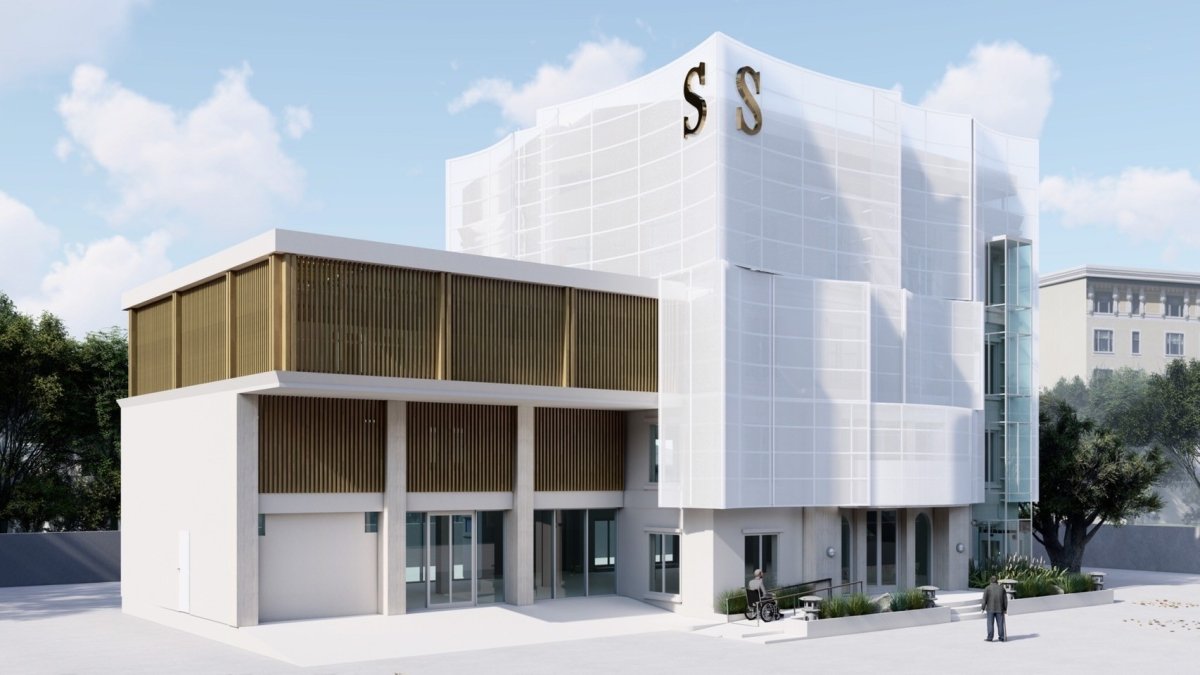
Sanpiti Rehabilitation Center

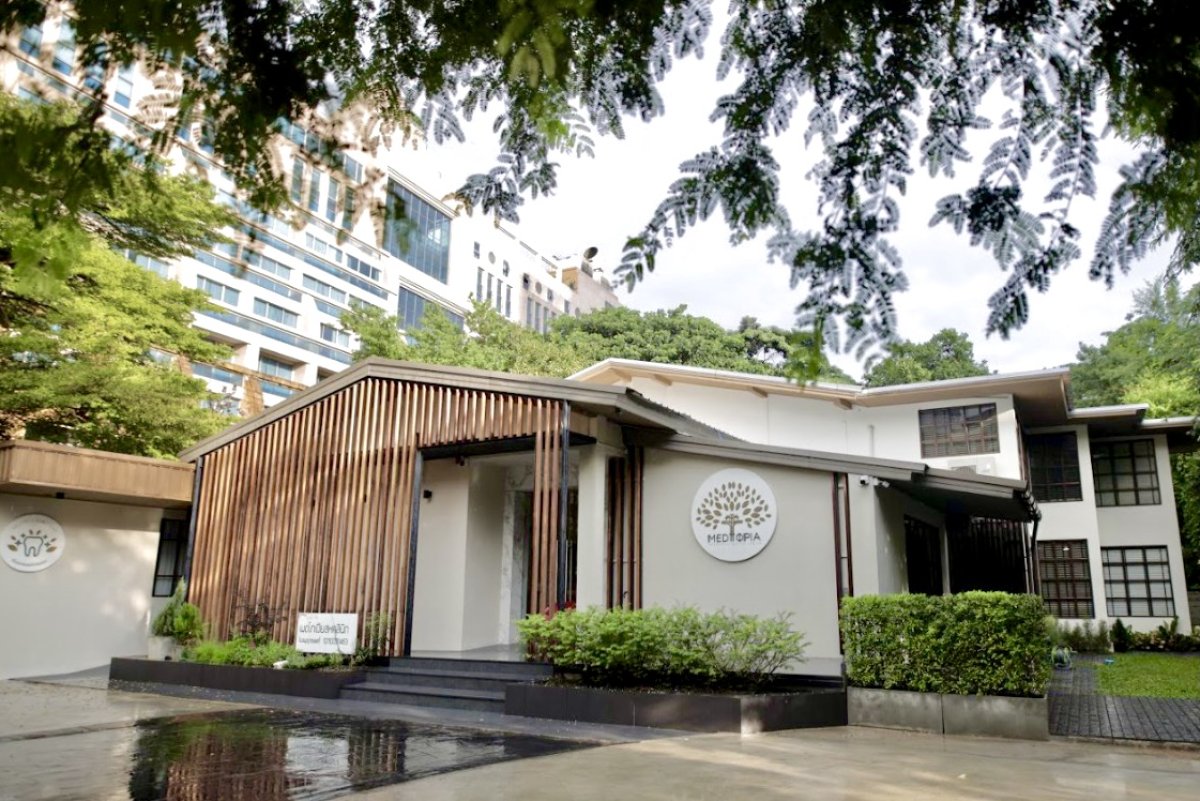
Medtopia Wellness Center
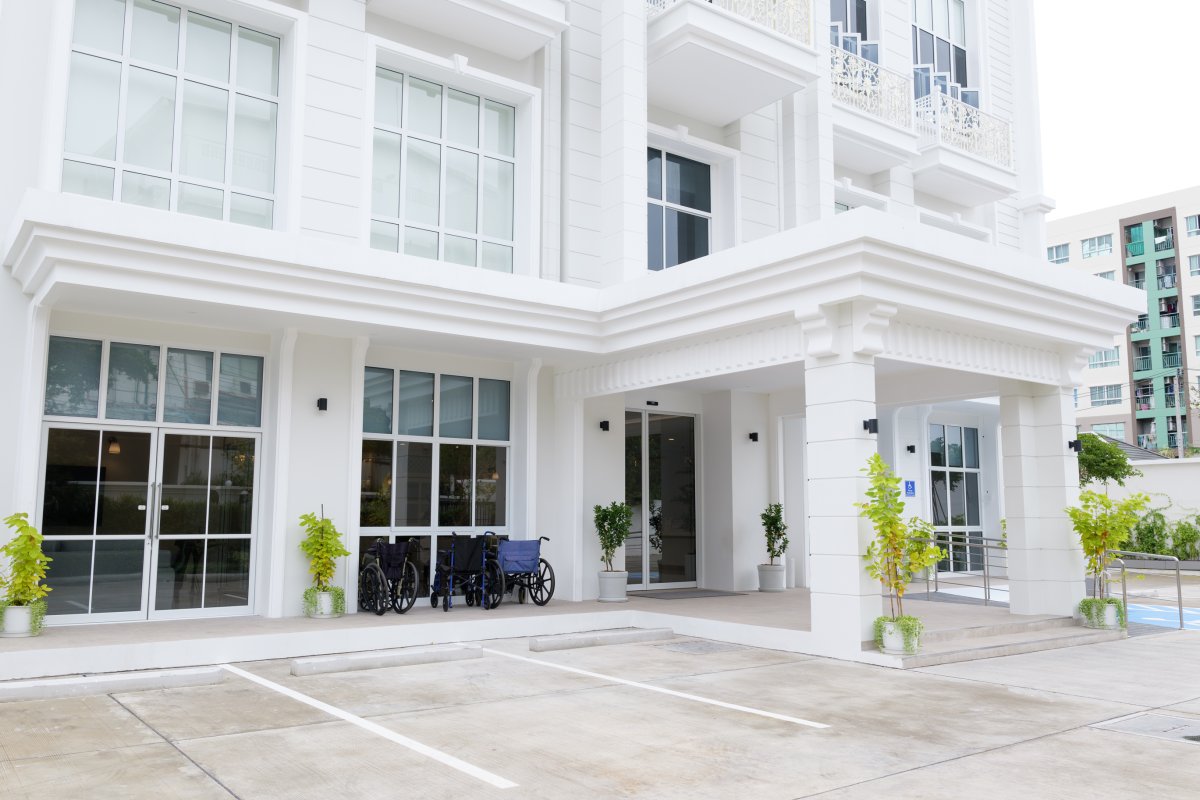
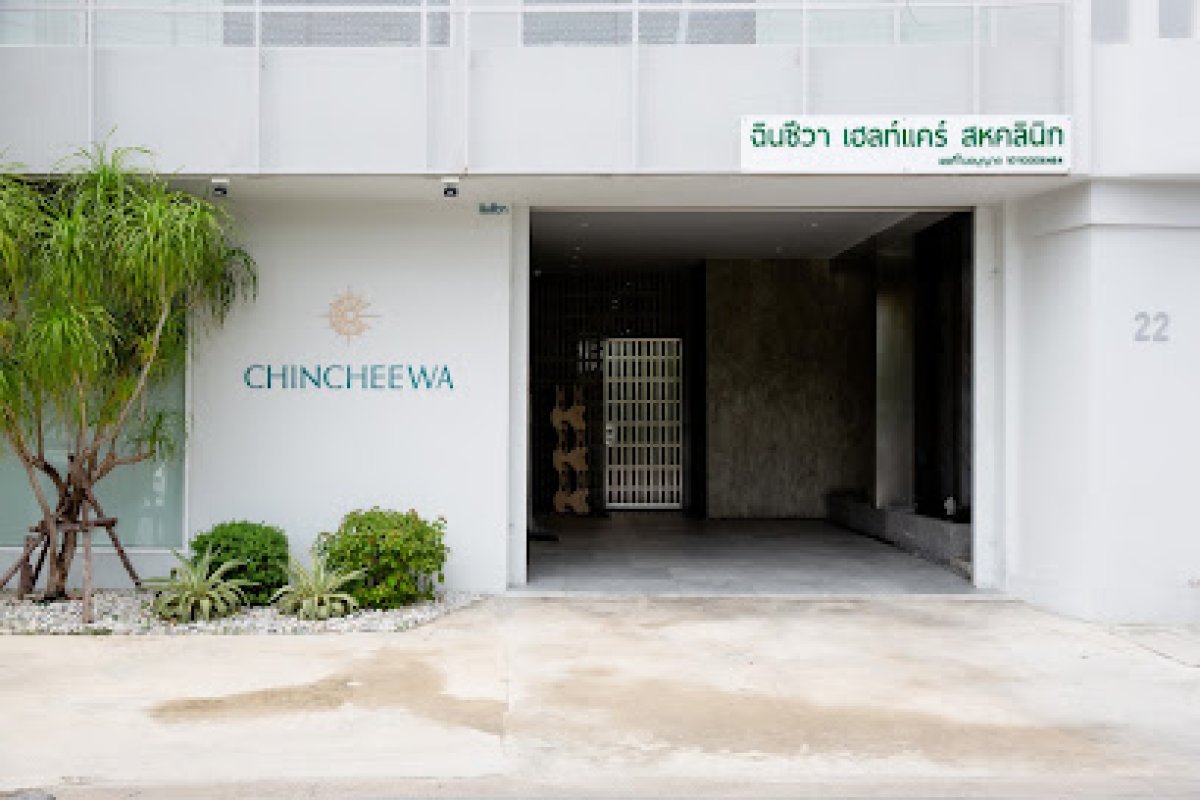
Chincheewa Healthcare Clinic
MALI CARE
Get matched with the best doctors for Hydrotherapy
Tell us about your needs — and get 3 tailored offers from top doctors for you.
Do you have any medical records related to your issue?
Direct prices from clinics
Free evaluation of your medical case
Free personal assistance 24/7
Thailand Hydrotherapy overview
Cost and clinics
| Typical hydrotherapy price in Thailand | Clinics | Accreditations | Cities | Hydrotherapy specialists | Specialist experience |
|---|---|---|---|---|---|
| $90 / ฿3,100–$1,100 / ฿37,400 | 9 clinics | ISO (1 clinic), JCI (1) | Bangkok (1 clinics), Nonthaburi | 6 specialists | ~100% of specialists have 10+ years of practice (median 14 years) |
The procedure
| Before the trip | Time in Thailand | Nights in hospital | Operation time | Anesthesia | Back to desk work | Final result |
|---|---|---|---|---|---|---|
| Share medical history and medications, confirm no fever or wounds, bring swimwear and towel, avoid heavy meal and alcohol, stay hydrated, shower before pool | 5–15 visits over 1–3 weeks (first trip 7–21 days) | None (outpatient procedure) | 30–60 minutes | None | Same or next day | 1–3 months |
How much does a Hydrotherapy cost in Thailand?
Hydrotherapy in Thailand costs from $90 / ฿3,100 to $1,100 / ฿37,400. The final price depends on whether treatment involves spa relaxation, colon hydrotherapy, or supervised aquatic rehabilitation, as well as clinic and location.
| Thailand | Turkey | Austria | |
|---|---|---|---|
| Hydrotherapy | from $90 / ฿3,100 | from $600 / ฿20,400 | ≈ $600 / ฿20,400 |
| Colon hydrotherapy | from $70 / ฿2,400 | from $200 / ฿6,800 | ≈ $90 / ฿3,100 |
How to choose a Hydrotherapy clinic in Thailand
For hydrotherapy in Thailand, compare clinic locations, match the clinician to the technique, ask about licensing and follow-up, then read patient feedback.
What to check
Narrow the field
Bookimed lists 9 clinics for hydrotherapy in Thailand – compare Bangkok, Nonthaburi, and Si Racha District to narrow your options.Performing clinician
Ask whether the doctor you meet, not an assistant or another team member, supervises aquatic exercise machines with physiotherapists – Bookimed doctors have a median of 14 years of practice.Qualification and facility
Ask whether it is licensed by the Medical Council of Thailand – top-ranked clinics have operated for a median of 6 years. Confirm follow-up and who handles complications after flying home.Patient feedback
Compare what people write about the doctor, care, and trip, rather than relying on the score alone.
Discover Hydrotherapy Clinics in Thailand
| Clinic Name | Patient Rating | About | Accreditations | Lead Doctor | Techniques |
|---|---|---|---|---|---|
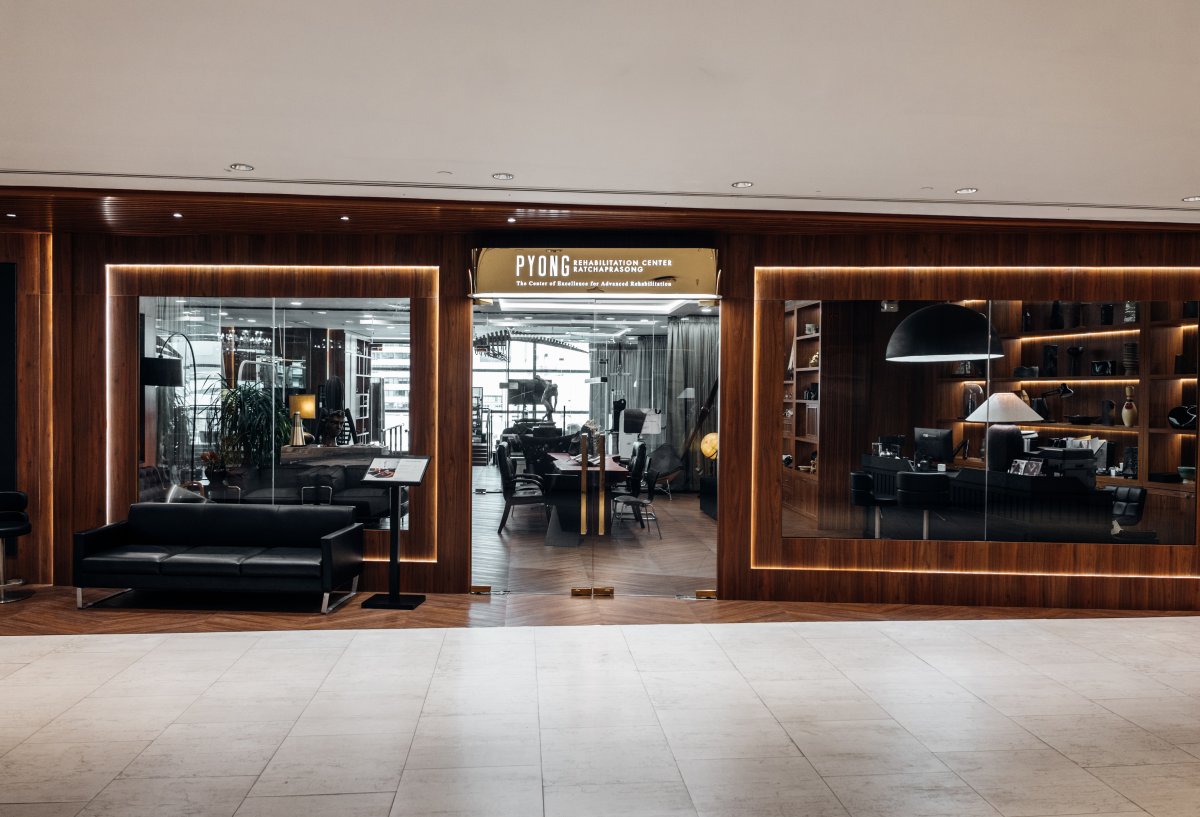
| PYONG Rehabilitation Center Bangkok | 5.0 | PYONG Rehabilitation Group is a private multi-specialty medical center in Bangkok, Thailand. The clinic specializes in neurology, pain management, rehabilitation, medical check-ups, and stem cell therapy, using methods such as robotic gait training and transcranial magnetic stimulation (TMS).More than 600 patients receive treatment at the center every year, with patients traveling most often from Arab League States and Asia. | — | — | Hydrotherapy underwater treadmill |
| Panacee Hospital Rama 2 - Integrative Chronic Disease & Regenerative Center Bangkok | 5.0 (2 reviews) | Panacee Hospital Rama 2 is an integrative chronic disease and regenerative center in Bangkok. It combines cell therapy, anti-aging, and detoxification with modern medical treatments. ISO 9001:2015 certified. Offers GMP Certified Cell Rejuvenation and Live Cell Therapy for Alzheimer’s, Parkinson’s, diabetes, and chronic fatigue. Peripheral Blood Stem Cell (PBSC) Therapy available for cellular degeneration. Cardiovascular program uses External Counter Pulsation (ECP) therapy. Detoxification includes chelation therapy, liver detox, colon hydrotherapy, and ozone therapy. Features a QRS PelviCenter and a Thai Traditional and Medical Cannabis Center. | ISO | — | — |
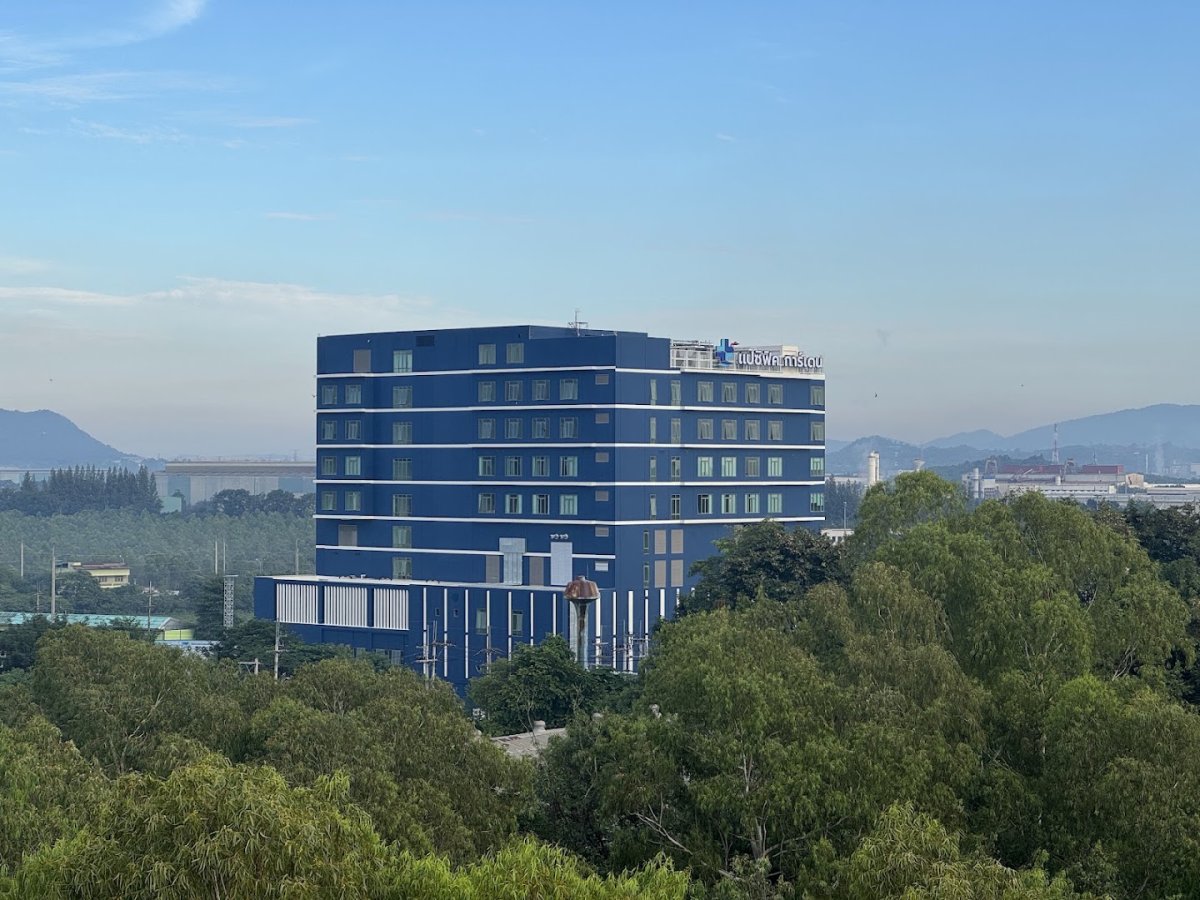
| Pacific Garden Hospital Si Racha District | 5.0 | Pacific Garden Hospital offers ultrasound, electrical stimulation, cervical and lumbar traction, and magnetic stimulation for rehabilitation. Programs are tailored to each patient’s condition, with systematic follow-up and self-care guidance to support continued progress. The clinic treats musculoskeletal and neurological conditions, including stroke and Parkinson’s disease, and provides recovery support after knee, hip, and shoulder surgery. Dedicated postpartum physical therapy addresses nursing-related pain and pelvic floor weakness. | — | — | — |
Our Trusted Doctors
View all Doctors
Songpoj Tanprasert
Dr. Songpoj Tanprasert specializes in Physical Medicine and Rehabilitation at Sanpiti Rehabilitation Center in Bangkok. He focuses on restoring function for patients with neurological and musculoskeletal disorders. Dr. Tanprasert builds evidence-based plans for stroke recovery and chronic pain management. He works at a specialized center treating 200 patients annually.
- Specializes in stroke rehabilitation, spinal cord injuries, and traumatic brain injury.
- Prioritizes non-surgical pain care and individualized therapeutic exercise programs.
- Performs specialized techniques including Bobath therapy and occupational therapy.
- Treats neurological conditions and post-surgical impairments in inpatient and outpatient settings.

Thanakom Sukcharoen
Specializing in anti-aging and regenerative medicine, Dr. Sukcharoen brings a unique approach to hydrotherapy at Intrarat Hospital.
- Board-certified in Anti-Aging and Regenerative Medicine (ABAARM)
- Expertise in preventive medicine and clinical sexology
- Trained at Thammasat University and Chulabhorn International College
- Focuses on holistic and regenerative treatments

Natthaphon Suwan
Dr. Natthaphon Suwan is a regenerative medicine specialist at Harmony Life Center in Bangkok. He is certified by the American Board of Anti-Aging and Regenerative Medicine (ABAARM). Dr. Suwan specializes in longevity health, stem cell therapy, and hormonal health. He treats patients at Harmony Life Center, which helps over 1,500 people annually.
- Performs IV therapies for detoxification, nutrition, and skin rejuvenation.
- Provides stem cell therapy for facial aesthetics, joint health, and whole-body wellness.
- Specializes in male hormone evaluation and testosterone replacement therapy.
- Conducts genetic cancer risk screening and NK cell therapy.

Chakarg Pongurgsorn
Dr. Chakarg Pongurgsorn specializes in hydrotherapy at Bumrungrad International Hospital, known for its advanced rehabilitation programs.
- Rehabilitation specialist with a focus on hydrotherapy
- Works at Bumrungrad International Hospital, a leading facility in Thailand
- Tailors hydrotherapy programs to individual patient needs
Why choose Thailand for a Hydrotherapy
Neurological rehabilitation with physiotherapist-guided water exercise
| Typical price | vs Thailand | |
|---|---|---|
| Thailand (this page) | $90 – $1,100 | – |
| US | from $1,800 | +1900% |
| Turkey | from $600 | +567% |
Where to get a Hydrotherapy in Thailand
In Thailand, Bangkok has 1 clinics, giving patients the widest choice and several hydrotherapy approaches. Options include cold water therapy, colon hydrotherapy, and contrast baths, with prices from $90 / ฿3,100.
| City | Clinics | Popular techniques | Top clinics | Logistics & setting | Good for |
|---|---|---|---|---|---|
| Bangkok | 1 | Cold water therapy, colon hydrotherapy, contrast bath | PYONG Rehabilitation Center Panacee Hospital Rama 2 - Integrative Chronic Disease & Regenerative Center – 5.0, 2 reviews Sanpiti Rehabilitation Center – 4.9 | Capital and megacity · Suvarnabhumi Airport (BKK), 30 km from downtown Bangkok | Widest choice of clinics |
| Nonthaburi | – | Underwater treadmill | MALI CARE | Riverside provincial city · Don Mueang Airport (DMK), 19 km from Nonthaburi center | Aquatic rehabilitation focus |
| Si Racha District | – | – | Pacific Garden Hospital – 5.0 | Coastal district in Chonburi · U-Tapao Airport, about 56 km from city center · Suvarnabhumi Airport, about 86 km by road | Coastal recovery setting |
A city tells you how you will travel and where you will recover, but not how your hydrotherapy will go. Surgeons and clinics in the same city differ in experience and in how they handle aftercare, so choosing them matters just as much as choosing the city.
Hydrotherapy recovery timeline: what to expect week by week
You can usually fly home after your final session, 7–21 days after your first session, with your doctor's approval. For non-strenuous sessions, you may return to work the same or next day, depending on your underlying condition. Light activity can continue immediately, while strenuous exercise depends on your condition and your therapist's advice. Functional gains build over 1–3 months, depending on your condition and session frequency.
Session day
You may feel relaxed or mildly tired after warm-water exercise or bathing. Rest if dizzy, avoid hot water while dizzy, and drink water after your session.
Weeks 1–3
Repeated sessions bring gradual gains in mobility and pain relief, with a therapist review 7–14 days after you start. Continue daily activities, follow exercise limits, and report skin irritation or a symptom flare.
After course
Continue your home exercise program to maintain benefits. You can fly home after your final session, usually 7–21 days after your first session, with your doctor's approval.
When to contact your clinic: Contact your clinic if you develop a fever or feel generally unwell, or notice an open wound or skin infection. Seek emergency help for chest pain, faintness, or dizziness.
Traveling to Thailand for a Hydrotherapy
Hydrotherapy in Thailand: Video Reviews from Bookimed Patients
Thailand Hydrotherapy Reviews at Bookimed: Discover Patients' Insights
View allShare this content
 Anna Leonova

FAQ about Hydrotherapy in Thailand
What is hydrotherapy in the context of Thai wellness?
Thai hydrotherapy is a holistic wellness practice combining traditional herbal steam baths, mineral-rich hot springs, and therapeutic water massage. It integrates indigenous herbs like turmeric and lemongrass to detoxify the body, soothe muscles, and enhance blood circulation, often serving as a preparation for traditional Thai massage.
- Core techniques: Includes herbal steam baths, contrast showers, and mineral-rich hot spring soaking.
- Herbal benefits: Uses lemongrass and ginger to reduce inflammation and clear respiratory passages.
- Muscle preparation: Warm water softens tissues, making subsequent deep-tissue Thai massage more effective.
- Session duration: Typical treatments last 20 to 30 minutes to ensure deep detoxification.
Bookimed Expert Insight: While many travelers seek hydrotherapy in luxury spas, the most authentic experiences are found in Northern Thailand. Clinics and wellness centers in Chiang Mai often utilize traditional takradang steam rituals. These sessions use up to 10 local herbs to induce potent detox sweats. Data shows these traditional methods are significantly more affordable than Western-style thermal circuits, often costing between $100 and $300.
Patient Consensus: Patients frequently report feeling a surge of energy and reduced bloating after one session. Many recommend drinking coconut water afterward to stay hydrated and counteract the intensity of the herbal steam.
What are the primary health benefits of hydrotherapy performed in Thailand?
Hydrotherapy in Thailand provides significant physical rehabilitation and wellness benefits, including reduced joint pressure, enhanced circulation, and accelerated recovery from sports injuries. Specialized facilities utilize buoyancy and resistance to treat arthritis and neurological conditions, while holistic centers offer detoxifying treatments like colon hydrotherapy and herbal steams.
- Joint decompression: Water buoyancy reduces body weight to minimize pressure on painful joints.
- Neurological recovery: Specialized clinics like PYONG Rehabilitation Group use aquatic therapy for neurorehabilitation.
- Circulatory health: Hydrostatic pressure and warmth dilate vessels to improve oxygen delivery.
- Detoxification: Specialized procedures like colon hydrotherapy help eliminate metabolic waste and toxins.
Bookimed Expert Insight: Thailand uniquely bridges the gap between clinical rehabilitation and regenerative medicine. Dr. Natthaphon Suwan at Harmony Life Center combines colon hydrotherapy with anti-aging protocols. This dual approach is rare, as most Western facilities strictly separate medical rehab from wellness-focused internal cleansing.
Patient Consensus: Patients report immediate relief from bloating and travel-related digestive sluggishness. Many emphasize that while mineral soaks effectively soothe back pain, maintaining high hydration is essential to avoid post-session fatigue.
What are the unique hydrotherapy treatments available in Thai centers?
Unique hydrotherapy in Thailand combines centuries-old herbal medicine with advanced aquatic techniques. Centers offer signature rituals like Thai herbal steam baths, floating clay tub soaks with galangal, and specialized Watsu stretching in magnesium-salted pools. These treatments prioritize holistic detoxification through traditional plant-based vapors and zero-gravity environments.
- Herbal steam baths: Uses kaffir lime, lemongrass, and turmeric vapors for respiratory detox.
- Floating herbal baths: Immersion in tea-colored water infused with ginger to relieve joint pain.
- Waterfall cascade therapy: Mineral water massages often enhanced with aromatic eucalyptus mists.
- Floatation therapy: Zero-gravity sensory deprivation using rooms filled with 1,200 lbs of salt.
Bookimed Expert Insight: Thai centers differentiate themselves by integrating clinical expertise into wellness environments. For example, Dr. Natthaphon Suwan at Harmony Life Center combines colon hydrotherapy with advanced O3 ozone treatments. This medical-grade approach at a lower cost provides a deeper detox than standard spa-only circuits.
Patient Consensus: Patients find the herbal steam rooms intensely hot but effective for clearing skin and lungs. Many recommend bringing mosquito repellent for outdoor moonlight soaks and scheduling a full rest day after long sessions.
How does hydrotherapy enhance a traditional Thai massage?
Hydrotherapy enhances traditional Thai massage by using heat and moisture to prep tissues for deep stretching. Herbal steam baths or mineral soaks soften muscle fibers and increase connective tissue elasticity. This allows therapists to perform assisted yoga-like movements with greater range and significantly less discomfort.
- Deep muscle relaxation: Warm water relaxes superficial muscles to allow deeper pressure.
- Improved joint mobility: Heat increases flexibility in tendons for safer, intensive stretching.
- Enhanced circulation: Combining water and massage stimulates blood flow to speed recovery.
- Herbal detoxification: Steams with lemongrass and turmeric open pores to flush toxins.
Bookimed Expert Insight: While many luxury spas offer modern hydro-circuits, seeking clinics with traditional Thai medicine specialists like those at Medtopia Wellness Center provides a more clinical approach to detoxification. Our data suggests that a 20-30 minute herbal steam session before the massage is the optimal window to maximize tissue pliability without causing heat exhaustion.
Patient Consensus: Patients report that starting with a herbal steam makes the deep compressions feel more effective and reduces post-massage soreness by half. Many find that mineral-rich soaks specifically aid joint mobility, making the rhythmic rocking movements feel entirely effortless.
Where are the best places for hydrotherapy in Thailand?
The best places for hydrotherapy in Thailand range from medical rehabilitation centers in Bangkok to luxury wellness resorts in Samui and Hua Hin. High-end facilities like Banyan Tree Samui and Chiva-Som offer integrated hydrothermal circuits, while specialized clinics provide clinical colon hydrotherapy and advanced aquatic rehabilitation supervised by medical specialists.
- Medical rehabilitation: PYONG Rehabilitation Group in Bangkok offers specialist-led hydrotherapy for stroke and pain recovery.
- Wellness circuits: Banyan Tree Samui features a 16-stage Rainforest journey with rain walks and ice fountains.
- Detox facilities: Medtopia Wellness Center and Hydrohealth specialize in medical-grade colon hydrotherapy and therapeutic saunas.
- Natural springs: San Kamphaeng near Chiang Mai provides mineral-rich baths favored for muscle relaxation and recovery.
Bookimed Expert Insight: While luxury resorts focus on relaxation, Bangkok clinics like PYONG integrate hydrotherapy into precision pain management. Data shows these medical centers serve roughly 300 to 1,000 patients annually, often using specialist-led protocols that cost between $90 and $1,100. For clinical results, choosing a facility in Bangkok with The Medical Council of Thailand accreditation ensures higher safety standards than standard hotel spas.
Patient Consensus: Patients recommend visiting natural hot springs in Chiang Mai early to avoid crowds and achieve miraculous muscle relaxation. Those seeking clinical recovery prefer Bangkok riverside spas, noting that combining medical-grade water therapy with traditional Thai massage yields the best results.
Last review: 11/10/2026
Fahad Mawlood — General practitioner. Winner of 4 scientific awards. Served in Western Asia. Former Team Leader of a medical team supporting Arabic-speaking patients. Now responsible for data processing and medical content accuracy.
Have a question about Hydrotherapy in Thailand?
Ask a Bookimed medical coordinator about prices, clinics, techniques or your case. Write to us in the messenger you already use.
- Direct prices from clinics
- Free evaluation of your medical case
- Free personal assistance 24/7
Ask your question in a messenger
Tap a messenger to open a chat with a Bookimed medical coordinator.
Free and without obligation · Terms of use · Privacy policy