Intrauterine Insemination in Thailand: costs, clinics and reviews
Intrauterine insemination in Thailand costs $1,100 / ฿37,400 to $1,500 / ฿51,000, about 32% less than the US average of $1,900 / ฿64,600 (Bookimed data, November 2026). It is offered by Genesis Fertility Center in Bangkok.
Bookimed is free for patients – clinics pay us a commission, and you pay the clinic its own price with no markup. Five steps to your intrauterine insemination in Thailand:
Share your case
Tell us about your fertility needs and share your recent test results and scans.
Get treatment plans
Your coordinator finds clinics that match your needs and helps you choose. Your preferred clinics then send personalized treatment plans and quotes for you to compare.
Plan your trip
We set treatment dates that work for you and help arrange your flights and accommodation.
Visit the clinic
The clinic team performs your intrauterine insemination on the agreed date. We support you throughout your trip.
Back home
You can fly home the same or next day, with results 4–7 weeks after insemination. Your coordinator stays in touch and helps arrange a follow-up if you need one.
Some clinics ask for a deposit. A $200 or €200 deposit paid through Bookimed comes off your clinic bill and is refundable up to 10 calendar days before your visit. A deposit paid to the clinic follows its own terms.
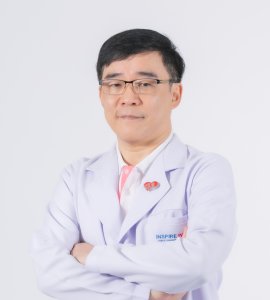
Bancha Kanluan is the medical director of Inspire IVF Clinic and is certified in reproductive medicine from Chulalongkorn University.
Inspire IVF Clinic features advanced genetic screening technologies like next generation sequencing and karyomapping for fertility treatments.
Included Services: Stimulation medications, ultrasound, consultation with a gynecologist.
Stay Info: Accommodation is not included; no hotel stay required for this procedure.
Technique: Intrauterine insemination (IUI) with ovulation stimulation.
Thailand Intrauterine Insemination overview
Cost and clinics
Typical intrauterine insemination price in Thailand
Packages
Clinics
Cities
$1,100 / ฿37,400–$1,500 / ฿51,000
1 package
3 clinics
Bangkok (2 clinics)
The procedure
Before the trip
Time in Thailand
Nights in hospital
Operation time
Anesthesia
Back to desk work
Final result
Confirm open fallopian tubes, semen analysis, cycle monitoring by ultrasound, ovulation trigger timing, sperm sample after 2–5 days abstinence, infectious disease screening of both partners
Same or next day
None (outpatient procedure)
20–45 minutes
None
Immediately
1–1.5 months
How much does a Intrauterine Insemination cost in Thailand?
In Thailand, intrauterine insemination typically costs from $1,100 / ฿37,400 to $1,500 / ฿51,000. The final price depends on clinic type, medication, monitoring, testing, and package inclusions.
Data verified by Bookimed as of November 2026, based on patient requests and official quotes from 18 clinics worldwide. Median costs are based on real invoices (2025–2026) and updated monthly. Actual prices may vary.
How to choose a Intrauterine Insemination clinic in Thailand
For intrauterine insemination in Thailand, narrow clinic choices by city, compare starting quotes for the same scope, consult the doctor who would perform the procedure, and ask about qualifications.
What to check
Geographic shortlist
Bookimed lists 3 clinics for intrauterine insemination in Thailand – the top-ranked ones are all in Bangkok.
Budget range
Compare starting clinic offers for the same treatment scope: the highest quote in Thailand is about 2 times the lowest.
Treatment match
At consultation, confirm the doctor you meet will perform intrauterine insemination (IUI) with ovulation stimulation – have them review medical, reproductive, and family history and suitability, and ask for similar-case results.
Credentials first
Ask for clear details of the doctor's qualifications and specialism, and whether they are licensed by the Medical Council of Thailand.
Discover Intrauterine Insemination Clinics in Thailand
LRC Fertility Clinic is a Bangkok-based fertility center that pioneered blastocyst culture in Thailand. It specializes in reproductive medicine, endocrinology, and obstetrics and gynecology. The clinic reports a 79.2% embryo transfer success rate. First in Thailand to achieve a successful five-day blastocyst culture (1998). Blastocyst culture success rate reaches 87.2%. IVF lab uses EmbryoScope Plus time-lapse incubation, AI-based embryo screening, and vitrification for egg and embryo freezing. Treats about 680 patients per year, with a significant share coming from abroad. Each patient receives an individualized treatment plan from a team with over 20 years of experience in reproductive medicine. Advanced sperm selection with Good Pregnancy Quick Screening Chip and laser-assisted hatching available.
Genesis Fertility Center holds accreditation from the European Society of Human Reproduction and Embryology. This ensures treatment meets international quality standards across three specialized branches. The procedure typically costs around $400 per cycle. This price generally covers the main insemination and sperm preparation. Semen is processed in the lab to select the healthiest sperm for better chances. Patients can return home the same day since no anesthesia is needed. The team offers a free initial consultation to assess each case without obligation.
Phyathai Sriracha Hospital is a large multispecialty center in Chonburi, Thailand. It provides specialized care in reproductology, pediatrics, and nephrology. The fertility center reports an overall IVF success rate of 78%-89%. For women under 35, the rate climbs to 85%-93%. Founded in 1995, the hospital is part of the Bangkok Dusit Medical Services group. It is also a teaching base for assisted reproductive medicine in Thailand.The hospital holds JCI and AACI accreditations for quality and safety. Its IVF lab has an ULPA air filtration system reaching Class 1000 cleanliness. Advanced equipment includes EmbryoScope Plus and Geri Plus time-lapse monitors. Doctors use the closed Vitrosafe Active IVF system to mimic body conditions. Genetic screening relies on NGS/PGT-Plus technology covering 23 chromosome pairs. International patients, mostly from China, get support through a Shanghai representative office.
Dr. Chanchai Chailert is a reproductive endocrinologist at Phyathai Sriracha Hospital in Thailand. He treats infertility using assisted reproductive technologies and ovarian stimulation protocols.
He holds Diplomate credentials in obstetrics and gynecology and reproductive medicine in Thailand.
He practices DuoStim (two stimulation rounds) for fertility treatment.
His clinical skills include laparoscopy and minimally invasive surgery.
Intrauterine Insemination recovery timeline: what to expect week by week
With your doctor's approval, you can usually fly home the same or next day, after a 15–30-minute rest. You can usually return to work immediately after resting for 15–30 minutes. Light activity is fine right away, but avoid strenuous exercise until your pregnancy test if advised. An ultrasound confirms the result about 4–7 weeks after insemination, though several cycles may be needed.
Procedure day
Sperm is placed in your uterus through a thin catheter, followed by 15–30 minutes of rest. With your doctor's approval, you can usually fly home the same or next day, and avoid heavy lifting if advised.
Days 1–14
You may notice mild cramping or spotting during this time, and use hormonal support if prescribed. Avoid strenuous exercise, baths, and swimming if advised.
Day 14
Your pregnancy test confirms the result on day 14.
When to contact your clinic: Contact your clinic for heavy vaginal bleeding, fever with foul-smelling discharge, or severe abdominal pain or bloating. For chest pain or sudden breathlessness after a long flight, seek emergency help locally.
Traveling to Thailand for a Intrauterine Insemination
Plan to stay in Thailand after the procedure until Same or next day, then fly home. US and UK passport holders can stay in Thailand without a visa for up to 30 days. A planned medical stay longer than 60 days may need a medical-treatment visa.
When
What happens
Before the procedure
Arrival, consultation, and agreed tests
Up to 1 day after
Flight home
2–3 days after
Ovarian stimulation and ultrasound monitoring
12–16 days after
Sperm preparation and insemination
Before you fly
Visa. US and UK passport holders may stay in Thailand without a visa for up to 30 days. A planned medical stay longer than 60 days may need a medical-treatment visa. US tourists also need to register online before arrival.
Passport. The US State Department strongly recommends that your US passport be valid for at least six months beyond your arrival date. Your UK passport must expire at least six months after arrival and have at least 1 blank page.
Medicines. US travelers should carry prescription medication in its original packaging with a doctor's prescription and check with Thai authorities that it is legal. Travelers may bring modern medicine for personal use for up to 30 days, in its original container with a doctor's prescription. Hospitals and pharmacies across Thailand will usually accept UK prescriptions.
Hand luggage. Bring your semen analysis, hysterosalpingography, pelvic ultrasound, and hormone panel reports, plus previous fertility treatment records if available.
Getting there and staying
Airports. Suvarnabhumi Airport (BKK) is 25 km from downtown Bangkok. Don Mueang Airport (DMK) is 23 km from the Grand Palace.
Flight time. London is about 9,600 km from Bangkok, with about 11–12 hours of flying time. New York is about 13,900 km away, with about 16–17 hours of flying time. A connection adds time.
Emergency. In a medical emergency, call 191 and ask for an ambulance.
When to go
Weather. Bangkok's average daytime highs are about 31 °C in September–January and about 35 °C in April–May. The wettest months, with 100 mm of rain or more, are May–October.
Season. November through February is relatively drier, making a recovery trip easier, though Bangkok remains hot. May through October is harder because of heavy rain, and April and May are especially hot.
Insurance and changes
Health insurance. US travelers cannot use Medicare or Medicaid overseas and should make sure their health insurance plan covers them overseas. UK travelers cannot use a UK GHIC or EHIC in Thailand.
Hospital payment. All hospitals require a guarantee of payment before treating patients.
Flying home
Take home. After assisted conception treatment, keep your clinic record and treatment documents, including your medical condition, treatment duration, and a doctor's opinion stating that travel is not advised.
Intrauterine Insemination in Thailand: Video Reviews from Bookimed Patients
Dayana
I combined my vacation in Antalya with a check-up.
Sara Dejene Hailemariam • In Vitro Fertilization (IVF)
Dec 2, 2022
Verified review.
Results were great
Think support should see clients through to first contact with the hospital and communicate well the clients case as opposed to patients trying to explain to non English speaking staff as to why they are there.
About Bookimed service
Think support should see clients through to first contact with the hospital and communicate well the clients case as opposed to patients trying to explain to non English speaking staff as to why they are there.
A certified medical writer with 10+ years of experience, developed Bookimed’s trusted content, backed by a Master’s in Philology and medical expert interviews worldwide.
General practitioner. Winner of 4 scientific awards. Served in Western Asia. Former Team Leader of a medical team supporting Arabic-speaking patients. Now responsible for data processing and medical content accuracy.
This page may feature information relating to various medical conditions, treatments, and healthcare services available in different countries. Please be advised that the content is provided for informational purposes only and should not be construed as medical advice or guidance. Please consult with your doctor or a qualified medical professional before starting or changing medical treatment.
FAQ about Intrauterine Insemination in Thailand
What documents are required to apply for a visa to Thailand for treatment?
Visas for travel to Thailand require a number of documents. The necessary papers can be submitted 90 days before the planned departure. The list of documents includes:
ID card
confirmation of online registration and filling out the questionnaire
certificate of income and availability of funds (20,000 baht per person/40,000 baht per family)
insurance policy for a stay in Thailand (original and copy)
2 photos (4x6)
visa receipt
booking of round-trip air ticket (paid in full) and hotel
medical opinion about the need for treatment.
What is the level of medicine in Thailand?
Healthcare is the key development sector of the Thai government. The Thai authorities are convinced that care for the citizens' health should be an absolute priority of state policy and spend about 25 billion baht for healthcare annually.
As a result, 36,673 medical facilities provide excellent medical care in the country. 64 centers in the Kingdom have certificate of JCI (Joint Commission International), the international improver of healthcare quality and safety across the globe. The index of certificates obtained is the largest. To compare, Israel has 20 JCI-accredited facilities, and Germany — only 10 clinics of this type.
When is the best time to travel to Thailand?
The main advantage of Thai resorts is the long beach season. On the east coast and west coast the climate features are different, so take it into account when planning the trip. The best time to travel is during the cool and dry season between November and early April. A large influx of tourists is in March-May, when the air temperature is +30°C.
What should you know about Thailand before the trip?
Official name
The Kingdom of Thailand
Currency
Thai Baht (you also can pay for services in dollars)
Best period for the trip
November-early April
Language
Thai (most of medical staff speaks English fluently)
In the Kingdom of Thailand, hotels of different price ranges and service levels are presented. The level of Thai hotels is comparable to hotels in Tunisia, Morocco or Egypt. Most tourists choose 4 and 5 star hotels with all-inclusive meals. Such hotels have everything for a comfortable stay: varied food, a large well-groomed territory, animation for children and adults. Some hotels have their own water park, which guests can use for free. Budget travelers can afford to book an economical 3-star hotel with half board or no meals at all.
Do I need a visa?
For now, the Kingdom of Thailand requires different visa regimens for diverse states. Some foreigners can stay in the country 60 days without visa control, some of them — only 14 days.
How long you can stay in Thailand and what countries can cross the border easy read here.
Fahad Mawlood — General practitioner. Winner of 4 scientific awards. Served in Western Asia. Former Team Leader of a medical team supporting Arabic-speaking patients. Now responsible for data processing and medical content accuracy.
Get a free consultation
Have a question about Intrauterine Insemination in Thailand?
Ask a Bookimed medical coordinator about prices, clinics, techniques or your case. Write to us in the messenger you already use.
Direct prices from clinics
Free evaluation of your medical case
Free personal assistance 24/7
Ask your question in a messenger
Tap a messenger to open a chat with a Bookimed medical coordinator.



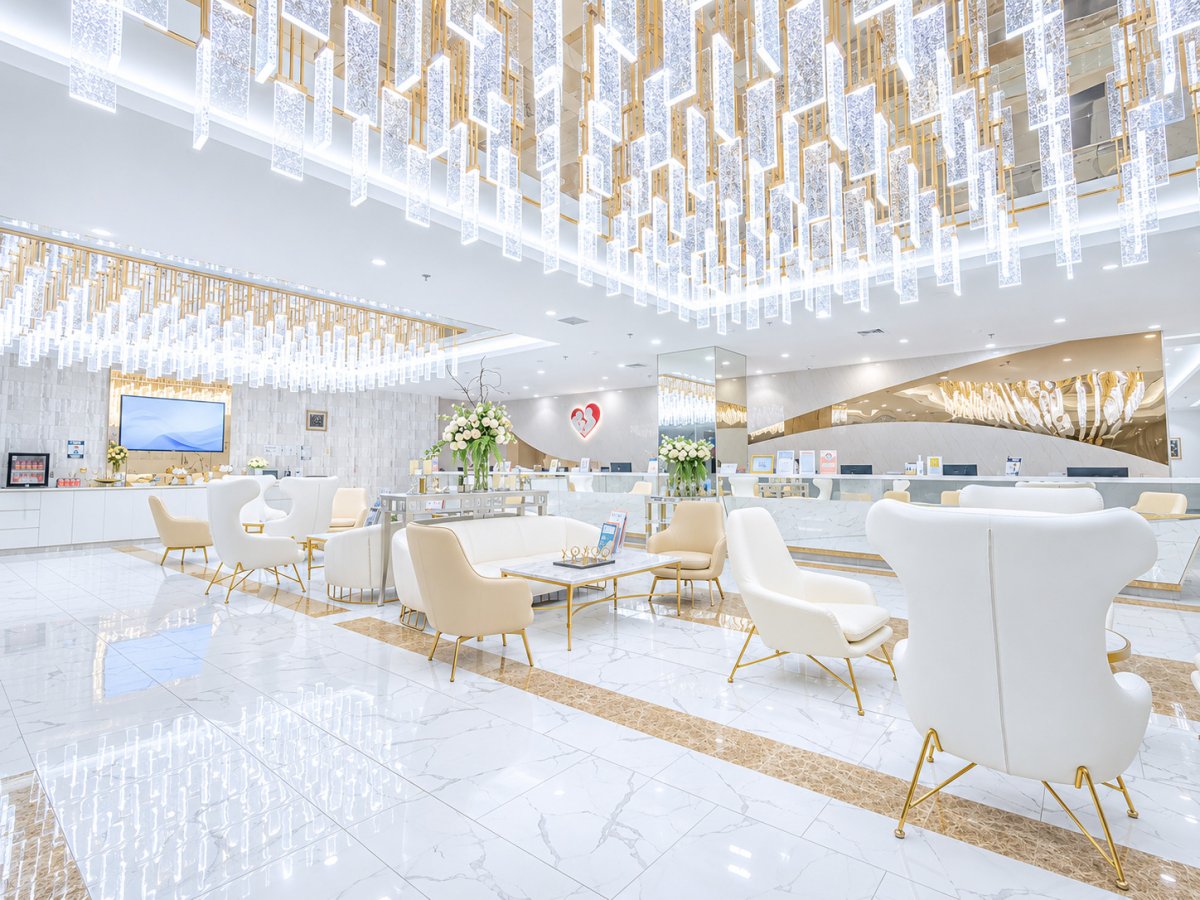 Intrauterine Insemination (IUI) Program