Kidney transplant in Thailand: costs, clinics and reviews
Kidney transplant in Thailand is offered by Bumrungrad International Hospital, an ISO-certified and JCI-accredited clinic in Bangkok. The clinic is rated 4.6/5 in 131 verified patient reviews on Bookimed.

Last updated: Nov 21, 2026
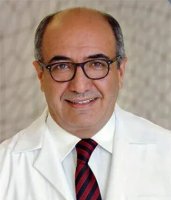
Medically reviewed by
Kamil Yalcin Polat
How it works
Bookimed is free for patients – clinics pay us a commission, and you pay the clinic its own price with no markup. Five steps to your kidney transplant in Thailand:
Share your case
Tell us about your kidney condition and share your medical reports and transplant test results.
Get treatment plans
Your coordinator finds clinics that match your needs and helps you choose. Your preferred clinics then send personalized treatment plans and quotes for you to compare.
Plan your trip
We set treatment dates that work for you and help arrange your flights and accommodation. If needed, we request a visa support letter from the clinic.
Visit the clinic
The clinic team performs your kidney transplant on the agreed dates. We support you throughout your trip.
Recover at home
You can fly home after a 2–6-week stay, and your new kidney’s function settles over 3–12 months. Your coordinator stays in touch and helps arrange a follow-up if you need one.
Some clinics ask for a deposit. A $200 or €200 deposit paid through Bookimed comes off your clinic bill and is refundable up to 10 calendar days before your visit. A deposit paid to the clinic follows its own terms.
Kidney transplant Prices by Clinic in Thailand









Get matched with the best doctors for Kidney transplant
Tell us about your needs — and get 3 tailored offers from top doctors for you.
Do you have potential kidney donor?
Direct prices from clinics
Free evaluation of your medical case
Free personal assistance 24/7
Thailand Kidney transplant overview
Cost and clinics
| Typical kidney transplant price in Thailand | Clinics | Accreditations | Cities | Kidney transplant surgeons |
|---|---|---|---|---|
| $32,000 / ฿1,088,000–$42,000 / ฿1,428,000 | 1 clinic | ISO, JCI, GHA | Bangkok | 1 surgeon |
The procedure
| Before the trip | Time in Thailand | Operation time | Anesthesia | Back to desk work | Final result |
|---|---|---|---|---|---|
| Complete transplant evaluation and tests before surgery | 2–6 weeks, including 5–10 nights in hospital | 3–5 hours | General | 6–12 weeks | 3–12 months |
How much does a Kidney transplant cost in Thailand?
Kidney transplant in Thailand is estimated from $32,000 / ฿1,088,000 to $42,000 / ฿1,428,000. Costs depend on donor type, hospital, pre-transplant testing, inpatient stay, and follow-up needs.
Kidney transplant in Thailand is estimated from $32,000 / ฿1,088,000 to $42,000 / ฿1,428,000. Costs depend on donor type, hospital, pre-transplant testing, inpatient stay, and follow-up needs. In the US, this procedure costs $220,000 / ฿7,480,000 on average. Packages may cover surgical and anesthesia fees, a standard hospital stay, immediate monitoring, and initial medicines; patients should confirm exact inclusions. Bangkok is a destination for transplant care.
- Donor type. Donor evaluation and administrative requirements can affect the total cost.
- Pre-transplant testing. Tissue typing, HLA matching, and donor tests may be billed separately.
- Hospital stay. Extended ICU care or complication management can increase costs.
- Follow-up care. Additional lab monitoring and recovery time in Bangkok add to the budget.
Bookimed Expert Insight. Bumrungrad International Hospital lists kidney transplant pricing at approximately $17,900 to $24,400. It is based in Bangkok and holds Joint Commission International (JCI) accreditation. The hospital reports more than 1,000,000 patients annually, including international patients from over 190 countries. Patients should request an itemized transplant-specific quote and confirm donor evaluation, inpatient care, and medicines are included.
| Thailand | Turkey | Austria | |
|---|---|---|---|
| Kidney transplant | ≈ $32,000 / ฿1,088,000 | from $11,900 / ฿404,600 | ≈ $62,000 / ฿2,108,000 |
How to choose a Kidney transplant clinic in Thailand
For kidney transplant in Thailand, start with a consultation to match the surgeon and technique, assess qualifications and facilities, then plan aftercare and read patient reviews.
What to check
Consult on technique
Ask questions in a proper consultation and confirm that the surgeon you meet will perform the kidney transplant technique you need.Assess qualifications and facilities
Ask whether the surgeon is licensed by the Medical Council of Thailand, and whether the clinic’s standards and facilities satisfy you.Plan care after travel
Before booking, ask who can help after you return home and how your medical notes will reach the overseas team.Read patient comments
Look beyond the score for what patients say about the surgeon, care, and trip – some praise doctors who patiently answer questions.
Discover Kidney transplant Clinics in Thailand
| Clinic Name | Patient Rating | About | Accreditations | Lead Doctor | Techniques |
|---|---|---|---|---|---|
| Bumrungrad International Hospital Bangkok | 4.6 (131 reviews) | Bumrungrad International Hospital performs kidney transplants with costs typically ranging from $17,900 to $24,400. Dr. Kittinut Kijvikai, a specialized urologist, has contributed to research on robotic-assisted surgery and prostate cancer treatment. The hospital serves over 1 million patients annually, including many international patients. | ISO, JCI, GHA | — |
Our Doctors
View all Doctors
Noppon Arunkajohnsak

Kittinut Kijvikai
Dr. Kittinut Kijvikai is a specialized urologist at Bumrungrad International Hospital in Bangkok. He focuses on robotic-assisted surgery for prostate and bladder cancer. Dr. Kijvikai performs robotic da Vinci prostatectomy, nephrectomy, and cystectomy. He works at a TOP-10 global hospital recognized for robotic surgery technology.
- Specializes in neoadjuvant androgen deprivation therapy to improve prostate cancer outcomes.
- Authored multiple research studies on robotic-assisted surgical techniques for bladder cancer.
- Performs robotic-assisted cystectomy with intra-corporeal urinary diversion.
- Treats complex urological conditions including urolithiasis and kidney cancer.
Kidney transplant recovery timeline: what to expect week by week
You can usually fly home after 2–6 weeks, once your kidney function is stable and stent and wound issues are settled, with your surgeon's approval. You can usually return to desk work in 6–12 weeks, after your incision heals and your team clears you. Light walking can start early, while strenuous exercise usually resumes in 6–12 weeks after your incision heals and your surgeon clears you. Your new kidney’s function typically stabilizes over 3–12 months as your immunosuppression is adjusted.
Days 0–10
Your team monitors urine output and kidney function, manages incision pain, and starts immunosuppression, medicines that help prevent rejection. The catheter and drain are removed in the first days. Avoid lifting and take infection precautions.
Weeks 1–6
Frequent clinic visits and blood tests track your recovery as you gradually walk more and have the ureteric stent, a small tube supporting urine flow, removed. You can usually fly home after 2–6 weeks with your surgeon's approval, once kidney function is stable and stent and wound issues are settled. Avoid lifting over about 5 kg, driving until cleared, crowds, and sick contacts.
Weeks 6–12
As your incision heals, you may return to desk work and gradually resume normal activities. Avoid contact sports and heavy straining until your team clears you.
Months 3–12
Your kidney’s function stabilizes, and your immunosuppression is adjusted to maintenance levels. Keep taking it lifelong and attend follow-up visits.
When to contact your clinic: Contact your clinic if you have a fever of 38°C or higher, little or no urine, or pain over the transplanted kidney. For chest pain or sudden breathlessness after a long flight, seek emergency help locally.
Is a Kidney transplant in Thailand safe?
Traveling to Thailand for a Kidney transplant
Kidney transplant in Thailand: Video Reviews from Bookimed Patients
Share this content
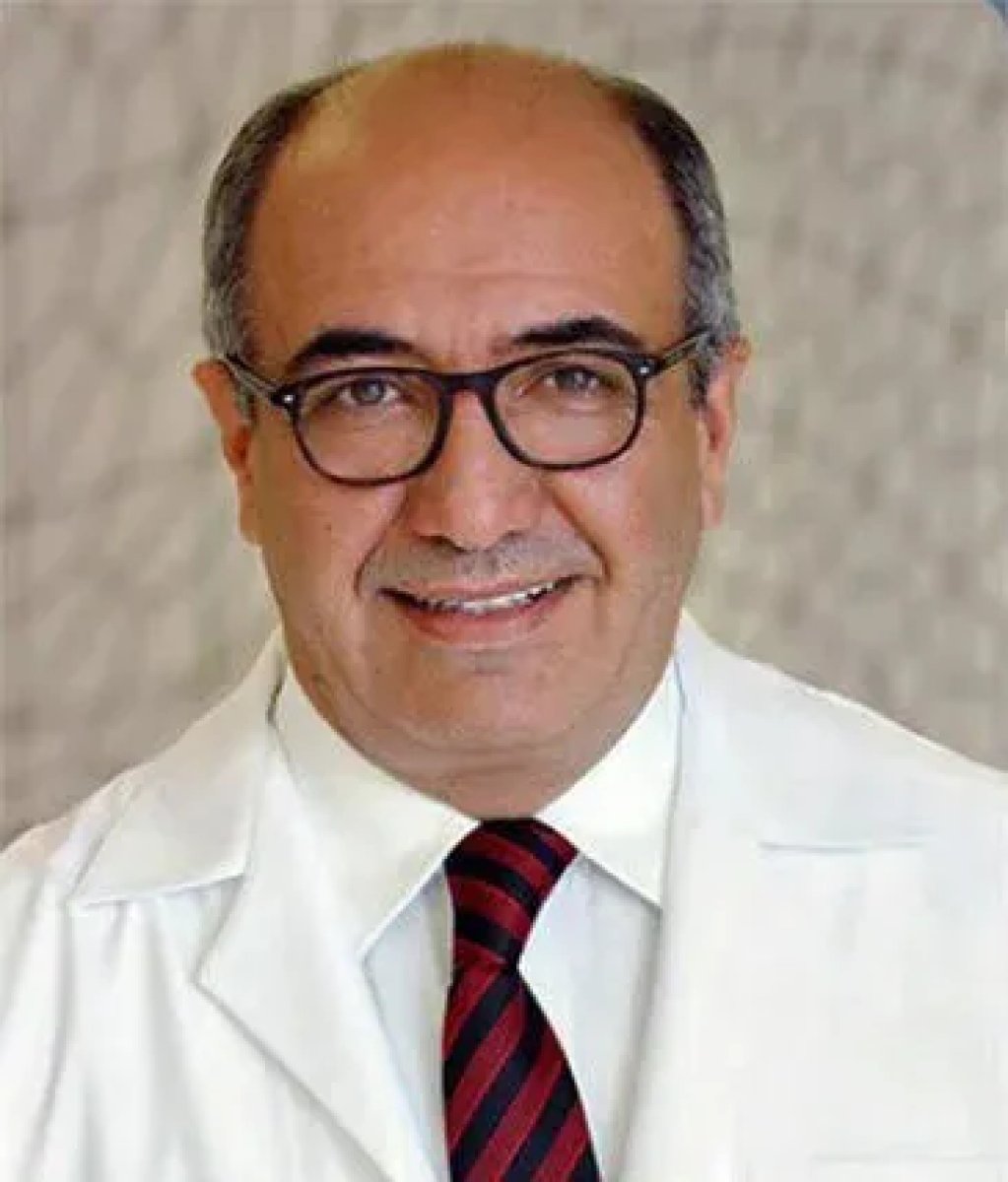
 Anna Leonova
FAQ about Kidney transplant in Thailand
What is the success rate of kidney transplants in Thai hospitals?
Kidney transplant success in Thailand reaches up to 99.4% for one-year patient survival with living donors. JCI-accredited facilities in Bangkok achieve these outcomes through internationally trained specialists. Long-term five-year survival rates remain high at 96.7% for living-donor recipients.
- Living donor survival: Statistics show 99.4% one-year and 96.7% five-year patient survival rates.
- Deceased donor survival: Rates reach 97.2% for one year and 89.5% for five years.
- Clinical standards: Hospitals like Bumrungrad International maintain Joint Commission International (JCI) accreditation.
- Specialist expertise: Procedures are led by surgeons board-certified by institutions like Mahidol University.
Bookimed Expert Insight: Thailand ranks 7th globally in our medical requests. While Bumrungrad International Hospital serves over 1,000,000 patients annually, international patients should confirm donor eligibility early. Thai law has strict regulations for non-citizens regarding deceased donor waiting lists.
Patient Consensus: Success means more than just surviving the surgery. Patients emphasize that a transplant requires a lifelong commitment to immunosuppressive drugs and frequent blood monitoring.
Can international patients use a living donor for kidney transplant in Thailand?
International patients can use a living donor for a kidney transplant in Thailand by providing their own compatible relative or spouse. Thai law strictly prohibits organ trafficking, requiring forensic proof of relationship, Joint Commission International (JCI) hospital subcommittee approval, and rigorous medical compatibility testing.
- Relationship rules: Donors must be blood relatives or legal spouses to prevent organ trading.
- Spousal criteria: Spouses usually need 3 years of marriage or biological children with the patient.
- Forensic verification: Hospitals require DNA testing and birth certificates to verify all donor-recipient links.
- Ethical approval: An independent hospital committee must confirm the donation is voluntary and non-commercial.
Bookimed Expert Insight: While Thailand has over 180 clinics, specialized centers like Bumrungrad International Hospital manage the heaviest volume of complex cases from 190 countries. Their internal subcommittees act as the final legal gatekeepers. Securing written approval from these boards before traveling is vital, as medical compatibility alone does not guarantee surgery.
Patient Consensus: Bringing a compatible family donor is the only realistic route for non-citizens. Patients note that local waiting lists are for residents, and insurance often excludes these procedures.
Can international patients get a deceased donor kidney for transplant in Thailand?
International patients cannot receive deceased donor kidneys in Thailand. The Thai Red Cross Organ Donation Centre restricts these organs to Thai citizens and legal residents. Foreigners must provide their own living donor, who must be a legally proven relative or a spouse of at least 3 years.
- Donor eligibility: Only blood relatives or legal spouses qualify under Medical Council of Thailand rules.
- Relationship verification: Genetic testing and certified embassy documentation are required to prevent organ trafficking.
- Waitlist exclusion: Accessing private dialysis in Thailand does not grant entry to national transplant lists.
- Legal restrictions: Buying or selling organs is strictly illegal and carries severe criminal penalties.
Bookimed Expert Insight: While Thailand ranks 7th globally for medical tourism, its transplant laws are among the strictest. Clinics like Bumrungrad International Hospital require verified DNA proof before even starting evaluation. If you lack a related donor, look toward countries with different legal frameworks for living donation.
Patient Consensus: Patients emphasize that insurance rarely covers pre-existing kidney conditions here. Most advise securing a living donor and full funding before traveling, as dialysis costs for foreigners add up quickly.
Which are the top hospitals for kidney transplant in Thailand?
Top hospitals for kidney transplant in Thailand include Bumrungrad International Hospital and Bangkok Hospital, both holding Joint Commission International (JCI) accreditation. These centers provide advanced multidisciplinary teams for complex multi-organ procedures. Major university facilities like Siriraj Hospital also offer high clinical pedigree for end-stage renal care.
- Bumrungrad International Hospital: Asia first JCI-accredited facility features specialized multi-organ transplant teams and pharmacy robots.
- Bangkok Hospital: Flagship BDMS center offering dedicated nephrology institutes and specialized post-transplant ICU monitoring.
- Vejthani International Hospital: Quaternary care hospital providing multilingual support and specialized clinical care programs.
- Siriraj Hospital: Oldest public teaching hospital renowned for breakthrough complex organ transplant surgeries.
- Samitivej Srinakarin: Noted medical facility featuring a dedicated kidney center for specialized renal treatment.
Bookimed Expert Insight: While private centers like Bumrungrad serve over 1,000,000 patients yearly, many top urologists train at public institutions. Dr. Noppon Arunkajohnsak, for example, earned first-class honors at Siriraj Hospital before entering private practice. Choosing a private clinic often secures this university-level expertise with much shorter waiting times.
Patient Consensus: Patients often recommend using private international hospitals for faster coordination and English-speaking staff. They suggest securing an approved living donor before arrival as joining national waiting lists can be difficult for foreigners.
How long is the required hospital stay and total recovery time after kidney transplant in Thailand?
Kidney transplant recipients in Thailand typically stay in the hospital for 7 to 14 days, though uncomplicated cases may discharge in 4 to 10 days. Total recovery to resume normal routines takes 6 to 12 weeks, with local monitoring required for about 4 to 12 weeks.
- Hospital stay: Recipients stay 7–14 days; living donors usually discharge after 5–7 days.
- Clinical monitoring: Patients must remain near the clinic for 4–12 weeks for medication adjustments.
- Work return: Most patients return to ordinary work routines within 6–12 weeks after surgery.
- Full recovery: Significant energy improvement and medication stability typically occur within 3–6 months.
Bookimed Expert Insight: Data from top-tier facilities like Bumrungrad International Hospital shows that recipient discharge times often depend on graft function speed. Patients whose new kidneys begin working immediately often leave the hospital within 10 days. Those experiencing delayed graft function may require inpatient care for up to a full month.
Patient Consensus: The first month post-discharge is often more demanding than expected due to frequent blood tests. Most people report feeling significantly better around the 4-week mark once incisional pain fades.
Last review: Nov 21, 2026
Kamil Yalcin Polat — Prof. Dr. Kamil Yalçın Polat is an organ transplantation specialist. He has performed over 2,000 liver transplants and 1,000 kidney transplants. Dr. Polat is the Head of the Organ Transplantation Center at Memorial Bahçelievler Hospital.
Have a question about Kidney transplant in Thailand?
Ask a Bookimed medical coordinator about prices, clinics, techniques or your case. Write to us in the messenger you already use.
- Direct prices from clinics
- Free evaluation of your medical case
- Free personal assistance 24/7
Ask your question in a messenger
Tap a messenger to open a chat with a Bookimed medical coordinator.
Free and without obligation · Terms of use · Privacy policy