Laparoscopic Hysterectomy in Thailand: costs, clinics and reviews
A laparoscopic hysterectomy in Thailand costs $4,500 / ฿153,000 to $7,500 / ฿255,000, compared with about $31,000 / ฿1,054,000 in the US (Bookimed data, November 2026). It is offered by Sikarin Hospital, an ISO-certified and JCI-accredited clinic in Bangkok.

Last updated: Nov 19, 2026

Medically reviewed by
Yesim Yildirim
How it works
Bookimed is free for patients – clinics pay us a commission, and you pay the clinic its own price with no markup. Five steps to your laparoscopic hysterectomy in Thailand:
Share your case
Tell us about your condition and share your latest scans and medical reports.
Get treatment plans
Your coordinator finds clinics that match your needs and helps you choose. Your preferred clinics then send personalized treatment plans and quotes for you to compare.
Plan your trip
We set treatment dates that work for you and help arrange your flights and accommodation. If needed, we request a visa support letter from the clinic.
Visit the clinic
The clinic team performs your laparoscopic hysterectomy on the agreed dates. We support you throughout your trip.
Recover at home
You can fly home 7–10 days after surgery, and full recovery takes 1–3 months. Your coordinator stays in touch and helps arrange a follow-up if you need one.
Some clinics ask for a deposit. A $200 or €200 deposit paid through Bookimed comes off your clinic bill and is refundable up to 10 calendar days before your visit. A deposit paid to the clinic follows its own terms.
Laparoscopic Hysterectomy Prices by Clinic in Thailand




Get matched with the best doctors for Laparoscopic Hysterectomy
Tell us about your needs — and get 3 tailored offers from top doctors for you.
What is the reason for considering a laparoscopic hysterectomy?
Direct prices from clinics
Free evaluation of your medical case
Free personal assistance 24/7
Thailand Laparoscopic Hysterectomy overview
Cost and clinics
| Typical laparoscopic hysterectomy price in Thailand | Clinics | Accreditations | Cities | Laparoscopic hysterectomy surgeons | Surgeon experience |
|---|---|---|---|---|---|
| $4,500 / ฿153,000–$7,500 / ฿255,000 | 3 clinics | ISO (2 clinics), JCI (2) | Bangkok (3 clinics) | 5 surgeons | ~100% of surgeons have 10+ years of practice (median 27 years) |
The procedure
| Before the trip | Time in Thailand | Operation time | Anesthesia | Back to desk work | Final result |
|---|---|---|---|---|---|
| Complete gynecologic assessment and routine blood tests before travel | 7–10 days, including up to 2 nights in hospital | 1.5–3.5 hours | General | 2–6 weeks | 1–3 months |
How much does a Laparoscopic Hysterectomy cost in Thailand?
Laparoscopic hysterectomy in Thailand costs from $4,500 / ฿153,000 to $7,500 / ฿255,000. The final quote depends on hospital tier, case complexity, surgical technique, and length of stay.
Laparoscopic hysterectomy in Thailand costs from $4,500 / ฿153,000 to $7,500 / ฿255,000. The final quote depends on hospital tier, case complexity, surgical technique, and length of stay. In the US, this procedure costs $31,000 / ฿1,054,000 on average. Available package data do not confirm standard inclusions. Quotes should clarify surgeon, anesthesia, operating-room, and hospital-stay charges. Bangkok and Chiang Mai are common locations for comparing quotes.
- Hospital tier. Standard, upper-mid, and premium facilities may structure packages differently.
- Robotic approach. Da Vinci-assisted laparoscopy typically adds 20–30% over standard laparoscopy.
- Additional surgery. Ovary removal, endometriosis treatment, or severe adhesion removal can increase the quote.
- Preoperative workup. Blood tests, imaging, and medical clearances may be billed separately.
Bookimed Expert Insight. One listed Bangkok hospital provides a concrete reference point: Sikarin Hospital lists approximately $4,500 to $7,000. It holds Joint Commission International (JCI) and International Organization for Standardization (ISO) accreditation. A separate Bangkok listing identifies surgeons performing Da Vinci robotic hysterectomy at Intrarat Hospital. That listing provides no robotic price. Patients comparing quotes can ask whether robotic equipment and preoperative tests are itemized.
| Thailand | Turkey | Austria | |
|---|---|---|---|
| Laparoscopic Hysterectomy | from $4,500 / ฿153,000 | from $2,500 / ฿85,000 | ≈ $7,200 / ฿244,800 |
How to choose a Laparoscopic Hysterectomy clinic in Thailand
For laparoscopic hysterectomy in Thailand, narrow the clinic options, compare starting quotes, confirm who will perform the operation, and ask about facility licensing.
What to check
City options
Bookimed lists 3 clinics for laparoscopic hysterectomy in Thailand – its top-ranked options are all in Bangkok.Quote comparison
Compare offers for the same treatment scope – the highest starting clinic quote is about 1.7 times the lowest.Operator fit
Confirm the surgeon you consult will perform the operation – ask about similar cases and discuss realistic outcomes after the team reviews your full record. Median practice is 27 years.Facility status
Ask whether the clinic is licensed by the Medical Council of Thailand.
Discover Laparoscopic Hysterectomy Clinics in Thailand
| Clinic Name | Patient Rating | About | Accreditations | Lead Doctor | Techniques |
|---|---|---|---|---|---|
| Intrarat Hospital Bangkok | 4.4 (15 reviews) | Dr Seree Teerapong brings 36 years of gynecology experience with 900+ laparoscopic hysterectomies performed. The procedure may cost around 328,000–380,000 THB, typically covering surgery, surgeon and anesthesiologist fees, 2-3 nights hospitalization, and post-op monitoring. ISO 9001:2015 certified facility ensures quality standards are met. Dr Teerapong offers personalized treatment based on individual patient needs. | ISO |  Dr Seree Teerapong 36 years | Total laparoscopic hysterectomy |
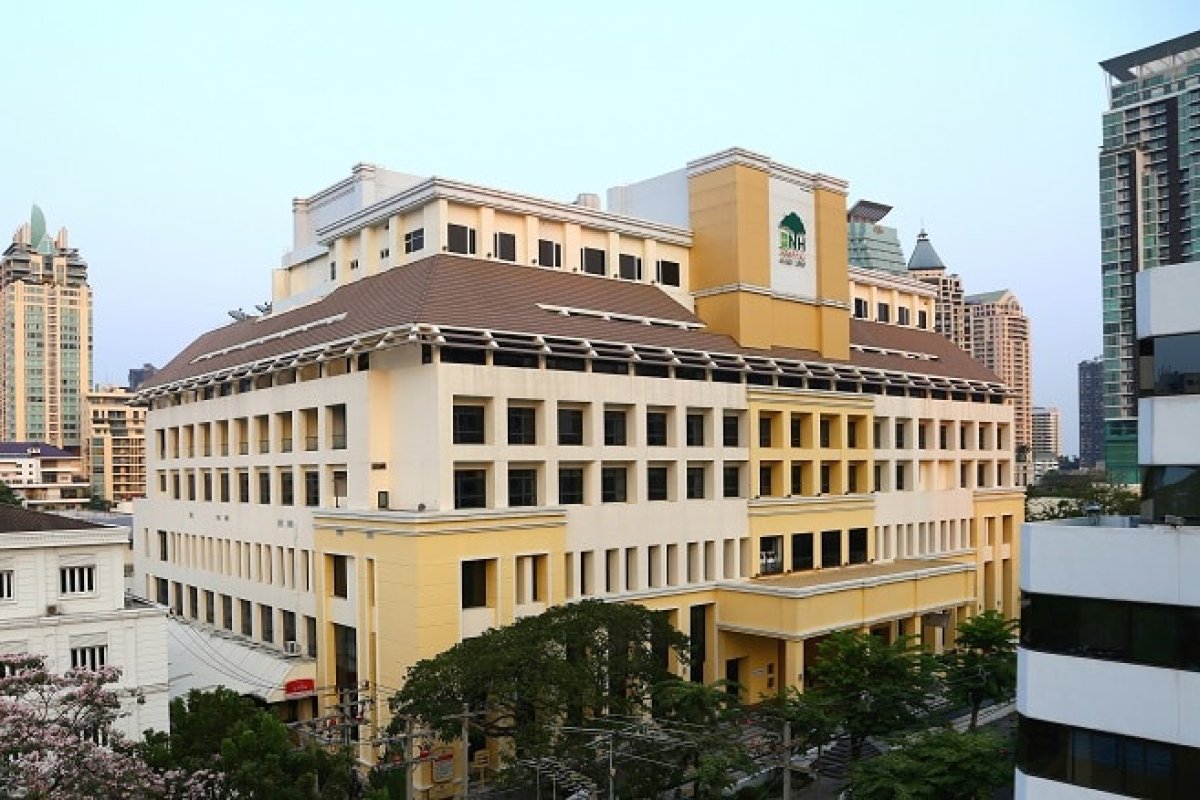
| BNH Hospital Bangkok | 4.4 | BNH Hospital has provided medical care in Bangkok for over 125 years under royal patronage. This JCI-accredited facility follows treatment guidelines from the MD Anderson Cancer Centre for gynecological procedures. Each case is personally assessed by a Consultant Gynae-Oncologist to confirm suitability for the laparoscopic approach. Patients benefit from smaller scars and faster recovery times. The hospital also offers robotic surgery for cases requiring extreme precision and maintains transparent conversations about costs before starting any treatment. | JCI | — | — |
| Sikarin Hospital Bangkok | 4.1 (7 reviews) | Sikarin Hospital uses a 3D laparoscopic imaging system at its dedicated Minimally Invasive Surgery Center. The Bangkok hospital is accredited by JCI and ISO, and has served patients since 1993. Laparoscopic hysterectomy is among the procedures offered at the center. Short hospital recovery and quicker wound healing are noted in the treatment details. Free airport transfers and language assistance are available for international patients. | ISO, JCI | — | Laparoscopic Hysterectomy, Mammography |
Our Doctors
View all Doctors
Dr Orasa Teerakul
Dr Orasa Teerakul specializes in minimally invasive gynecological surgeries at Intrarat Hospital, with a focus on laparoscopic techniques for better patient recovery.
- Diploma in Obstetrics and Gynecology from Siriraj Hospital
- Expert in diagnosing and treating reproductive disorders
- Provides comprehensive prenatal and postnatal care
- Performs advanced gynecological surgeries

Dr Pramote Cherdrattanrak
Dr Pramote Cherdrattanrak specializes in minimally invasive gynecologic procedures at Intrarat Hospital.
- Board-certified in Obstetrics and Gynecology
- Trained at Vajira Hospital, a leading institution for gynecologic surgery
- Focuses on laparoscopic techniques for better patient recovery
- Practices at Intrarat Hospital, a specialized women's health center
Dr Seree Teerapong
Dr Seree Teerapong specializes in laparoscopic gynecological surgery with certification from the Medical Council of Thailand.
- Bachelor of Medicine from Chiang Mai University
- Diploma in Obstetrics and Gynecology from Siriraj Hospital, Mahidol University
- Diploma in Reproductive Medicine
- Currently practices at Intrarat Hospital

Dr Siripat Preechasanongkit
Dr Siripat Preechasanongkit specializes in laparoscopic hysterectomy at Intrarat Hospital, bringing precision and expertise to minimally invasive gynecological surgery.
- Board-certified in obstetrics and gynecology
- Graduated from Mahidol University's Faculty of Medicine
- Member of the Thai Medical Council
Our Laparoscopic Hysterectomy techniques
Total laparoscopic hysterectomy is usually chosen when you have a benign or selected malignant uterine condition and your uterus can be removed laparoscopically, because the uterus is removed entirely through laparoscopic surgery. Laparoscopic supracervical hysterectomy suits you if you have a selected benign condition and the procedure retains your cervix, because the uterus is removed through keyhole surgery while the cervix remains.
Laparoscopic Hysterectomy recovery timeline: what to expect week by week
You can usually fly home 7–10 days after surgery, following an early wound check and with your surgeon’s approval, though complications or thrombosis risk may delay travel. Desk-based work often resumes in 2–6 weeks after uncomplicated surgery, while physical jobs usually need longer. You can gradually resume exercise in 4–8 weeks, with light walking earlier and strenuous activity or heavy lifting only after your surgeon clears you. Full recovery and healing usually take 1–3 months after uncomplicated surgery.
Day 0–2
Your first days focus on hospital recovery, early movement, and pain and nausea control. Do not drive, and avoid lifting heavy items.
Weeks 1–2
Rest at home and gradually increase walking. Vaginal spotting and mild discomfort are common. Avoid heavy lifting and putting anything in your vagina. You can usually fly home 7–10 days after surgery, following an early wound check and with your surgeon’s approval.
Weeks 2–4
Return to light daily activities as fatigue gradually eases, and desk work often resumes within 2–6 weeks. Avoid strenuous exercise and heavy lifting, and wait for your surgeon’s clearance before intercourse.
Weeks 4–8
Your postoperative review includes pathology results and clearance for intercourse and full activity if healing is complete.
When to contact your clinic: Contact your clinic for heavy vaginal bleeding, a fever or shivering, or increasing abdominal pain. For chest pain or sudden breathlessness after a long flight, seek emergency help locally.
Is a Laparoscopic Hysterectomy in Thailand safe?
Traveling to Thailand for a Laparoscopic Hysterectomy
Laparoscopic Hysterectomy in Thailand: Video Reviews from Bookimed Patients
Thailand Laparoscopic Hysterectomy Reviews at Bookimed: Discover Patients' Insights
View allShare this content
 Anna Leonova

FAQ about Laparoscopic Hysterectomy in Thailand
Is laparoscopic hysterectomy safe and medically-appropriate in Thailand?
Laparoscopic hysterectomy in Thailand is a safe, medically appropriate choice performed by internationally trained surgeons in JCI-accredited facilities. Thailand is a global leader in minimally invasive gynecology, offering advanced techniques like single-incision and robot-assisted surgery for fibroids, endometriosis, and early-stage cancers.
- Surgeon expertise: Doctors like Dr. Seree Teerapong hold specialized certificates in laparoscopic gynecological surgery.
- Hospital standards: Top centers like Sikarin Hospital maintain JCI accreditation and serve 255,000+ patients annually.
- Rapid recovery: Minimally invasive approaches typically require only 1–3 days of hospitalization for standard cases.
- Advanced technology: High-end Bangkok facilities utilize DaVinci robotic systems and ligament-sparing techniques for precision.
Bookimed Expert Insight: Patient volume is a major safety signal in Thailand. Major Bangkok hospitals like Intrarat and Sikarin manage over 100,000 patients every year. This high surgical frequency means medical teams are extremely practiced in managing complex cases and preventing common post-operative complications.
Patient Consensus: Patients report smooth recoveries with minimal scarring at top-tier hospitals. Many recommend paying for English-speaking surgeons to ensure clear post-operative instructions and better communication during the 2-day hospital stay.
How qualified are the surgeons and what technology is used?
Surgeons in Thailand for laparoscopic hysterectomy are internationally trained experts, often holding certifications from the Medical Council of Thailand and prestigious Western institutions. Top-tier facilities utilize advanced da Vinci Xi robotic systems and 4K laparoscopes to ensure high precision and minimal invasiveness.
- Surgeon credentials: Doctors like Dr. Seree Teerapong at Intrarat Hospital hold specialized certificates in laparoscopic surgery.
- Advanced technology: Clinics utilize da Vinci Xi robots, harmonic scalpels, and High Definition (HD) endoscopy systems.
- Safety standards: Major centers like Sikarin Hospital maintain Joint Commission International (JCI) and ISO accreditations.
- Clinical experience: Leading specialists often perform over 500 cases, contributing to high success rates.
Bookimed Expert Insight: Thailand’s leading private hospitals often acquire newer technology faster than many Western public sectors. For example, the availability of da Vinci Xi systems across Bangkok clinics paired with surgeons trained at Mahidol University provides a level of technical precision that results in discharge after only 2 days.
Patient Consensus: Patients frequently highlight the seamless experience with robotic procedures and the speed of their recovery. Many report returning to normal activities within 1 week, compared to the much longer wait times typical of open surgery.
What are the common risks and how are complications handled?
Laparoscopic hysterectomy in Thailand carries minimal risks including surgical site infections, blood clots, and rare bladder or bowel injuries. Thai hospitals like Sikarin Hospital manage these through Joint Commission International (JCI) protocols, rapid clinical intervention, and advanced visualization that identifies 80% of issues intraoperatively.
- Infection management: Medical teams treat surgical site infections or UTIs immediately with targeted antibiotics.
- Surgical safety: Surgeons like Dr. Seree Teerapong use laparoscopic visualization to repair rare bladder nicks.
- Blood clot prevention: Clinics provide heparin and extended monitoring for high-risk or older patients.
- Emergency protocols: Major hospitals maintain on-site blood banks and 24/7 surgical teams for hemorrhages.
Bookimed Expert Insight: Thai clinics often mandate a 3–5 day hospital stay for laparoscopic cases. This is longer than the US average but ensures immediate response to complications. Data shows hospitals with ISO 9001:2015 certification, like Intrarat Hospital, utilize these extra days for rigorous monitoring. This proactive approach significantly reduces the risk of post-discharge emergencies for international patients.
Patient Consensus: Patients emphasize that minor issues like UTIs from catheters are handled promptly with medication. Many feel safer knowing that Thai medical teams provide seamless virtual follow-ups for those returning home shortly after surgery.
What does the typical recovery timeline and after-care look like in Thailand?
Laparoscopic hysterectomy recovery in Thailand typically requires 1 to 3 nights of hospitalization followed by 7 to 14 days of local after-care. Patients achieve light activity within 2 weeks, while full recovery for international travel usually takes 2 to 4 weeks.
- Hospital stay: Expect 1 to 3 nights in a private suite for monitoring and pain management.
- Initial mobility: Surgeons at Joint Commission International (JCI) facilities often encourage walking within hours of surgery.
- Clinical follow-up: A final check-up occurs around day 7 to 10 for fit-to-fly certification.
- Activity restrictions: Patients must avoid lifting over 5kg for 4 to 6 weeks post-procedure.
Bookimed Expert Insight: Thai hospitals like Sikarin and Intrarat focus on ultra-early mobilization to prevent blood clots. Data shows many patients feel well enough to fly within 5 to 7 days. However, the most successful outcomes involve staying 10 full days to manage post-operative bowel function effectively.
Patient Consensus: Patients emphasize that while surgery involves minimal pain, managing personal comfort is key. Many recommend packing stool softeners and compression socks for the flight home to ensure a smooth transition.
Am I a good candidate and which technique will be chosen?
Candidates for laparoscopic hysterectomy in Thailand typically have a BMI under 30 and no major internal scarring. Surgeons at JCI-accredited facilities like Sikarin Hospital usually choose Total Laparoscopic Hysterectomy (TLH) for patients without cancer. This approach ensures a faster 2-week recovery compared to traditional open surgery.
- Medical criteria: Ideal candidates maintain a BMI under 30 without massive uterine fibroids.
- Technique selection: Surgeons favor Total Laparoscopic Hysterectomy for 90% of non-cancerous cases.
- Advanced options: Robotic-assisted or Single-incision laparoscopic surgery (SILS) are available for complex cases.
- Safety protocol: Doctors like Dr. Seree Teerapong at Intrarat Hospital assessment feasibility during initial entry.
Bookimed Expert Insight: While many clinics offer pure laparoscopy, the highest-rated Thai surgeons often combine techniques for safety. Data shows centers serving over 100,000 patients annually, like Intrarat Hospital, maintain low conversion rates. They use laparoscopy to assess adhesions before committing to a specific surgical route.
Patient Consensus: Patients recommend getting an MRI or ultrasound before traveling to estimate uterus size. This helps Thai surgeons provide more accurate technique quotes and limits the need for open surgery.
How long should I plan to stay in Thailand and what locations are recommended?
Plan for a 12 to 14 day stay in Thailand for a laparoscopic hysterectomy. This includes 2 to 5 days of hospitalization followed by 7 to 10 days for recovery and mandatory follow-up. Staying in Bangkok is recommended to ensure immediate access to advanced medical facilities like Intrarat Hospital.
- Hospital duration: Expect 2 to 5 days in-hospital for monitoring and immediate post-operative care.
- Total stay length: Surgeons advise 12 to 14 days total to ensure safe international travel.
- Recommended location: Bangkok is the primary hub, offering JCI-accredited facilities and expert gynecologists.
- Recovery period: Dedicate 7 to 10 days post-discharge for rest and local medical follow-ups.
Bookimed Expert Insight: While many patients consider recovery on Thailand's islands, staying in Bangkok is the safer choice. Top facilities like Sikarin Hospital serve over 250,000 patients annually and offer faster emergency response. Expert surgeons like Dr. Seree Teerapong at Intrarat Hospital specialize specifically in laparoscopic techniques, often reducing initial hospital stays.
Patient Consensus: Patients emphasize booking accommodations near the hospital for easy nurse check-ins. They recommend confirming discharge rules early and ensuring travel insurance covers potential stay extensions for healing.
Will there be visible scars after the laparoscopic hysterectomy?
Laparoscopic hysterectomy in Thailand results in 2 to 4 minimal scars, each measuring only 0.5 to 1 cm. These tiny marks typically fade significantly over 6 to 12 months. Surgeons often hide the primary incision within the navel to ensure nearly invisible long-term results.
- Incision size: Tiny entry points are roughly the size of a small coin or less.
- Strategic placement: Doctors use the belly button or bikini line to conceal most surgical marks.
- Healing timeline: External incisions usually flatten and begin to lose redness within 8 weeks.
- Single-site option: Specialized techniques like single-incision laparoscopy use only one hidden navel entry point.
Bookimed Expert Insight: Thai specialists like Dr. Seree Teerapong at Intrarat Hospital hold specific certifications in laparoscopic gynecological surgery. This focused expertise is vital because experienced surgeons prioritize port placement that follows natural skin tension lines. Hospitals like Sikarin and Intrarat maintain JCI and ISO standards, ensuring high-quality surgical tools that create cleaner, faster-healing incisions.
Patient Consensus: Many patients describe their healed incisions as barely noticeable freckles after one year. Those with darker skin tones recommend using silicone sheets consistently from week 3 to manage initial hyperpigmentation effectively.
Last review: Nov 19, 2026
Yesim Yildirim — 20 years of experience Medical oncologist, ESMO certified
Have a question about Laparoscopic Hysterectomy in Thailand?
Ask a Bookimed medical coordinator about prices, clinics, techniques or your case. Write to us in the messenger you already use.
- Direct prices from clinics
- Free evaluation of your medical case
- Free personal assistance 24/7
Ask your question in a messenger
Tap a messenger to open a chat with a Bookimed medical coordinator.
Free and without obligation · Terms of use · Privacy policy