Laparoscopic nephrectomy in Thailand: costs, clinics and reviews
Laparoscopic nephrectomy in Thailand costs $9,100 / ฿309,400 to $12,500 / ฿425,000, compared with about $38,000 / ฿1,292,000 in the US (Bookimed data, November 2026). It is offered by PMG Hospital, a GHA-accredited and JCI-accredited clinic in Bangkok.

Last updated: Nov 17, 2026

Medically reviewed by
Yesim Yildirim
How it works
Bookimed is free for patients – clinics pay us a commission, and you pay the clinic its own price with no markup. Five steps to your laparoscopic nephrectomy in Thailand:
Share your case
Tell us about your case and share your latest scans and recent blood test results.
Get treatment plans
Your coordinator finds clinics that match your needs and helps you choose. Your preferred clinics then send personalized treatment plans and quotes for you to compare.
Plan your trip
We set treatment dates that work for you and help arrange your flights and accommodation. If needed, we request a visa support letter from the clinic.
Visit the clinic
The clinic team performs your laparoscopic nephrectomy on the agreed dates. We support you throughout your trip.
Recover at home
You can fly home after a 7–10-day stay, and full recovery takes 1–3 months. Your coordinator stays in touch and helps arrange a follow-up if you need one.
Some clinics ask for a deposit. A $200 or €200 deposit paid through Bookimed comes off your clinic bill and is refundable up to 10 calendar days before your visit. A deposit paid to the clinic follows its own terms.
Laparoscopic nephrectomy Prices by Clinic in Thailand












Get matched with the best doctors for Laparoscopic nephrectomy
Tell us about your needs — and get 3 tailored offers from top doctors for you.
Do you have any medical records related to your issue?
Direct prices from clinics
Free evaluation of your medical case
Free personal assistance 24/7
Thailand Laparoscopic nephrectomy overview
Cost and clinics
| Typical laparoscopic nephrectomy price in Thailand | Clinics | Accreditations | Cities | Laparoscopic nephrectomy surgeons |
|---|---|---|---|---|
| $9,100 / ฿309,400–$12,500 / ฿425,000 | 3 clinics | JCI (3 clinics), GHA (2), ISO (2), TEMOS (1) | Bangkok (2 clinics), Pattaya (1) | 1 surgeon |
The procedure
| Before the trip | Time in Thailand | Operation time | Anesthesia | Back to desk work | Final result |
|---|---|---|---|---|---|
| Get imaging and blood tests, review medications, stop smoking | 7–10 days, including 2–4 nights in hospital | 2–4 hours | General | 2–6 weeks | 1–3 months |
How much does a Laparoscopic nephrectomy cost in Thailand?
Laparoscopic nephrectomy in Thailand costs from $9,100 / ฿309,400 to $12,500 / ฿425,000. The final quote depends on hospital, surgical complexity, and whether partial or radical removal is planned.
| Thailand | Turkey | Austria | |
|---|---|---|---|
| Laparoscopic nephrectomy | from $9,100 / ฿309,400 | from $7,600 / ฿258,400 | ≈ $11,500 / ฿391,000 |
How to choose a Laparoscopic nephrectomy clinic in Thailand
For laparoscopic nephrectomy in Thailand, narrow clinic options, compare starting quotes, match the surgeon to the procedure, and assess qualifications and facility standards.
What to check
Local choices
Bookimed lists 3 clinics for laparoscopic nephrectomy in Thailand, with top-ranked options in Bangkok and Pattaya.Cost range
In Thailand, compare starting clinic quotes for the same treatment scope – the highest starting quote is about 2.2 times the lowest.Consultation role
Confirm that the surgeon you meet will personally perform laparoscopic nephrectomy, request similar-case examples, and send your full medical record for suitability review before treatment.Credentials and setting
Ask whether the surgeon is licensed by the Medical Council of Thailand, request qualifications and training, and discuss facility standards and who handles aftercare or complications after you return home.
Discover Laparoscopic nephrectomy Clinics in Thailand
| Clinic Name | Patient Rating | About | Accreditations | Lead Doctor | Techniques |
|---|---|---|---|---|---|
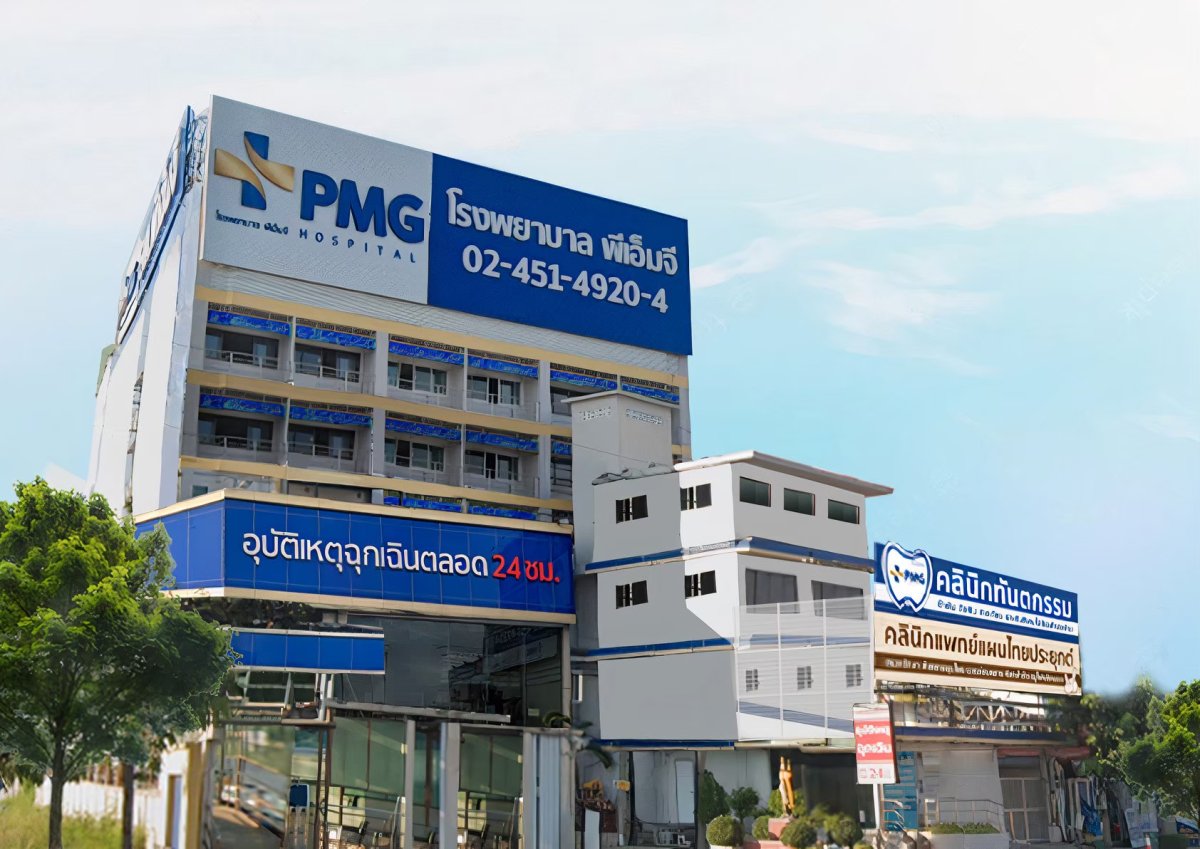
| PMG Hospital Bangkok | 5.0 (1 review) | PMG Hospital is a private multispecialty facility in Bangkok, Thailand. It focuses on cardiology, orthopedics, and pediatrics. The hospital also offers obstetrics, gynecology, and rehabilitation. Pediatric services treat children from birth to age 15. A 24-hour critical care center provides intensive monitoring by specialist physicians.PMG Hospital opened in 1992 and has 109 beds. There are 36 patient rooms, including private VIP suites. The PMG Heart Center offers full-cycle cardiac care. This covers diagnostics, interventional treatments, and rehabilitation. For stroke recovery, the rehab team uses PMS electromagnetic stimulation, therapeutic exercises, and electrical appliances.International patients get help with medical visa extensions, translation, and airport transfers. Diagnostics rely on digital radiography and CT scanners. Cardiovascular screening includes carotid intima-media thickness ultrasound. This test detects heart disease risk without radiation. | GHA, JCI | — | Laparoscopic nephrectomy, MRI of one area, Chest X-Ray |
| Bumrungrad International Hospital Bangkok | 4.6 (131 reviews) | Bumrungrad International Hospital specializes in laparoscopic nephrectomy with a dedicated urology team. Dr. Kittinut Kijvikai is a specialized urologist with expertise in nephrectomy and robotic surgery, with research contributions on prostate and bladder cancer treatments. The hospital sees over 1 million patients annually from 190+ countries. | ISO, JCI, GHA | CT (computer tomography), PET/CT | |
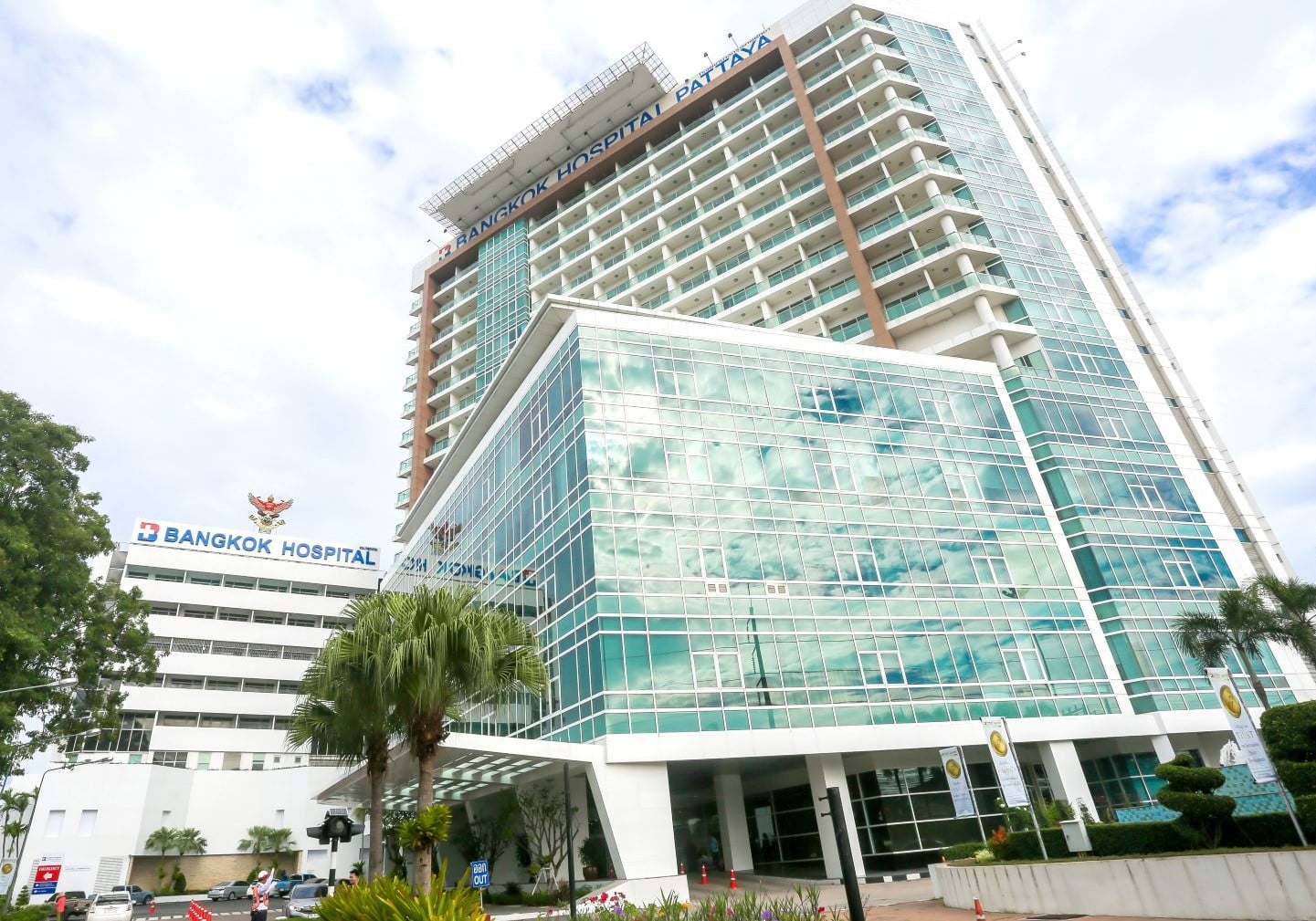
| Bangkok Hospital Pattaya Pattaya | 4.0 | Forty percent of international medical tourists pick Bangkok Hospital Pattaya. It treats over 400,000 patients yearly from 150 countries and holds JCI accreditation. Part of the Bangkok Dusit Medical Services group, its top specialties are cardiology and cosmetic surgery. Heart Center performs coronary bypass surgery without a heart-lung machine. Received the Prime Minister's Export Award for services to international patients. Digital Mammogram with Tomosynthesis offers 2D and 3D breast imaging in 10 seconds with less pain. 128-Slice CT scans coronary arteries in 4 seconds with 90% accuracy. Accredited by TEMOS and certified under ISO 9001 by TÜV NORD. | JCI, ISO, TEMOS | — | — |
Our Doctors
View all Doctors
Kanok Uttawichai

Kittinut Kijvikai
Dr. Kittinut Kijvikai is a specialized urologist at Bumrungrad International Hospital in Bangkok. He focuses on robotic-assisted surgery for prostate and bladder cancer. Dr. Kijvikai performs robotic da Vinci prostatectomy, nephrectomy, and cystectomy. He works at a TOP-10 global hospital recognized for robotic surgery technology.
- Specializes in neoadjuvant androgen deprivation therapy to improve prostate cancer outcomes.
- Authored multiple research studies on robotic-assisted surgical techniques for bladder cancer.
- Performs robotic-assisted cystectomy with intra-corporeal urinary diversion.
- Treats complex urological conditions including urolithiasis and kidney cancer.
Why choose Thailand for a Laparoscopic nephrectomy
Patients may choose Thailand for laparoscopic nephrectomy because clinics hold accreditations and medical institutions support communication with foreign patients. JCI accreditation.
Where to get a Laparoscopic nephrectomy in Thailand
Bangkok has more clinics for laparoscopic nephrectomy in Thailand, with prices from $9,100 / ฿309,400, giving patients more choice in the capital. Suvarnabhumi Airport (BKK) is 30 km from the capital's downtown, helping patients plan their arrival.
Laparoscopic nephrectomy recovery timeline: what to expect week by week
You can usually fly home after 7–10 days, with your surgeon’s approval and depending on your recovery and flight duration. Desk work may be possible after about 2–4 weeks, while physically demanding work often takes 4–6 weeks. Light walking can start early, while strenuous exercise and heavy lifting usually resume around 4–8 weeks. Full functional recovery and wound healing usually take 1–3 months, with kidney function and pathology reviewed during follow-up.
Days 0–4
You can start moving and eating again. Your team may remove a catheter or drain if needed. Oral medicine usually controls moderate port-site or gas-related shoulder pain within several days. Do not drive or lift.
Weeks 1–2
Walk as your port sites heal and pain medicine tapers. Attend a wound check 7–14 days after surgery. Your surgeon may clear you to fly home after 7–10 days, depending on recovery and flight duration. Avoid strenuous activity and lifting more than about 4–5 kg.
Weeks 3–6
You may return to desk work and light activity as fatigue gradually eases. Avoid heavy lifting and intense exercise until your surgeon clears you.
Weeks 6–12
You can return to full activity once your surgeon clears you. Follow-up reviews your remaining kidney’s function and pathology plan.
When to contact your clinic: Contact your clinic for a fever, drainage from an incision, or blood in your urine. Seek emergency help for shortness of breath or chest pain.
Is a Laparoscopic nephrectomy in Thailand safe?
Traveling to Thailand for a Laparoscopic nephrectomy
Laparoscopic nephrectomy in Thailand: Video Reviews from Bookimed Patients
Thailand Laparoscopic nephrectomy Reviews at Bookimed: Discover Patients' Insights
View allShare this content
 Anna Leonova

FAQ about Laparoscopic nephrectomy in Thailand
Which are the top hospitals for laparoscopic nephrectomy in Thailand?
Top hospitals for laparoscopic nephrectomy in Thailand include Bumrungrad International Hospital and Bangkok Hospital, both holding Joint Commission International (JCI) accreditation. These centers utilize advanced robotic-assisted technology and minimally invasive techniques. Patients typically save up to 72% compared to US costs of $38,000.
- Bumrungrad International: Features 1,300 doctors and Global Healthcare Accreditation specializing in complex urology.
- Bangkok Hospital: Known for its dedicated Urology Center focusing on rapid recovery protocols.
- Technology access: Private facilities utilize robotic systems for precise kidney and bladder procedures.
- International standards: Facilities maintain ISO certifications and treat over 1 million patients annually.
Bookimed Expert Insight: While prestige matters, hospital volume is the strongest quality signal. Bumrungrad serves over 500,000 international patients yearly across 70 departments. This massive caseload often leads to more standardized outcomes for complex laparoscopic surgeries compared to smaller regional clinics.
Patient Consensus: Success depends more on a surgeon's personal case volume than hospital marketing. Patients recommend verifying how many laparoscopic vs open procedures a specific doctor performs annually before booking.
What are the main risks associated with laparoscopic nephrectomy?
Laparoscopic nephrectomy is generally safe, with major complication rates ranging from 1% to 4% at top-tier Thai hospitals. Primary risks include internal bleeding, vascular injury, and accidental damage to nearby organs like the spleen or liver. Most cases proceed without incident under expert care.
- Surgical conversion: Surgeons may switch to open surgery in 5% of complex cases.
- Postoperative infection: Wound or urinary tract infections occur in 5% to 15% of patients.
- Organ safety: Minor injury to the bowel or pancreas affects fewer than 2% of patients.
- Long-term function: The remaining kidney typically compensates, maintaining healthy overall renal filtration levels.
Bookimed Expert Insight: Data from leading centers like Bumrungrad International Hospital shows that surgeon volume is the strongest safety predictor. We recommend selecting surgeons who perform over 50 laparoscopic nephrectomies annually. This specific experience level significantly reduces the risk of emergency conversions to open surgery.
Patient Consensus: Patients often emphasize the importance of choosing JCI-accredited facilities to ensure high safety standards. Many report that while fatigue persists for some weeks, the smaller incisions lead to much faster recovery times.
What is the typical recovery timeline after laparoscopic nephrectomy in Thailand?
Laparoscopic nephrectomy recovery in Thailand typically involves 2 to 4 days of hospitalization followed by 4 to 6 weeks for full functional restoration. Most patients return to light desk work within 14 days, while strenuous physical activity and heavy lifting require at least 8 weeks for safety.
- Hospital discharge: Patients usually leave Thai facilities like Bumrungrad within 2 to 4 days.
- Initial activity: Short walks are encouraged by day 3 to prevent blood clots.
- Travel readiness: Surgeons recommend waiting at least 10 days post-surgery before flying home.
- Physical restrictions: Avoid lifting over 10 pounds for 6 weeks to prevent incisional hernias.
Bookimed Expert Insight: While many sources suggest a 4-week recovery, our data from high-volume centers like Bumrungrad shows a common energy crash at week 3. Patients often feel recovered by week 2 and overexert themselves, leading to significant fatigue. We recommend planning a full 4-week buffer before resuming full-time professional responsibilities.
Patient Consensus: Many note that while they could walk early on, late-onset fatigue remains the biggest challenge. They also emphasize that Thailand's high humidity requires extra care to keep surgical incisions dry and clean.
Is robotic-assisted nephrectomy available in Thailand?
Robotic-assisted nephrectomy is available in Thailand at premier facilities using the da Vinci Xi surgical system. Major JCI-accredited centers in Bangkok specialize in both partial and radical kidney removals. These procedures offer significant precision compared to traditional open surgery throughout the region.
- Available systems: Clinics like Bumrungrad utilize the advanced da Vinci Xi robotic system.
- Incision size: Surgeons operate through small incisions measuring only 0.5 to 1 centimeter.
- Recovery speed: Most patients return to light activities within 7 days of surgery.
- Clinical standards: Top-tier hospitals hold Joint Commission International (JCI) and GHA global certifications.
Bookimed Expert Insight: While laparoscopic surgery is widely available across 145 Thai clinics, robotic systems are concentrated in elite Bangkok hubs. Bumrungrad alone serves 50% international patients and integrates AI with robotic capabilities. This high volume often translates to more experienced surgical teams for complex robotic cases.
Patient Consensus: Patients report significantly less pain and shorter hospital stays of only 2 days. Many suggest verifying the surgeon performs at least 50 robotic cases annually for optimal results.
How should I prepare for nephrectomy in Thailand?
Preparing for laparoscopic nephrectomy in Thailand requires completing preoperative tests like blood work and chest X-rays seven days before surgery. Patients must stop blood thinners ten days prior and fast for twelve hours. Securing a Medical Treatment Visa and arranging recovery-friendly lodging in Bangkok or Pattaya is essential for international travel.
- Medical documentation: Bring physical copies of recent CT scans and pathology reports for Thai urologists.
- Medication safety: Stop all aspirin, warfarin, and herbal supplements 7 to 10 days before surgery.
- Lifestyle readiness: Quit smoking 6 weeks early to improve lung health and reduce pneumonia risks.
- Post-op essentials: Pack high-waisted drawstring pants to avoid irritating small laparoscopic abdominal incisions.
- Logistics planning: Download the Grab app for transport and arrange a SIM card before arrival.
Bookimed Expert Insight: Data from Joint Commission International (JCI) accredited centers like Bumrungrad International Hospital shows that medical quotes often exclude specific preoperative diagnostics. Budget an extra 20% for these incidentals. This ensures your initial financial planning covers necessary blood work and imaging without unexpected stress.
Patient Consensus: Many patients find the Thai rice-based diet causes less post-operative bloating than Western food. Expect mild shoulder pain from surgical gas and bring heating pads for relief.
Last review: Nov 17, 2026
Yesim Yildirim — 20 years of experience Medical oncologist, ESMO certified
Have a question about Laparoscopic nephrectomy in Thailand?
Ask a Bookimed medical coordinator about prices, clinics, techniques or your case. Write to us in the messenger you already use.
- Direct prices from clinics
- Free evaluation of your medical case
- Free personal assistance 24/7
Ask your question in a messenger
Tap a messenger to open a chat with a Bookimed medical coordinator.
Free and without obligation · Terms of use · Privacy policy