Laparoscopic nephrectomy in Spain — get 3 personalized clinic matches


Medically reviewed by
Yesim Yildirim
How it works
How Much Does Laparoscopic nephrectomy Cost in Spain?
Laparoscopic nephrectomy in Spain typically costs from $14,000 to $14,500. Final pricing depends on the surgical approach, clinic tier, and the specific city, such as Madrid or Barcelona. In the United States, similar procedures cost around $38,000 on average. Patients save around 62% compared to the US. This usually includes pre-operative tests, anesthesia, hospital stay, and follow-up medical visits.
- Robotic-assisted surgery: Typically adds 20-30% over the standard laparoscopic approach.
- Partial nephrectomy: Often costs more than radical removal due to increased technical complexity.
- Geographic location: Prices in Barcelona clinics may run 15-20% higher than in other regions.
- Clinic accreditation: Premium facilities with international certifications usually command higher service fees.
Bookimed Expert Insight: Spain offers a unique value for complex urology. Clinica Universidad de Navarra was the first in Spain with Joint Commission International (JCI) accreditation. It maintains a 5-star reputation for organ transplants. For specialized needs, Hospital Quiron Barcelona features Dr. Antonio Alcaraz. He is a global pioneer who performed the first transvaginal nephrectomy. Choosing such high-volume centers ensures access to world-class expertise at approximately $7,150 to $24,400.
| Turkey | Austria | Spain | |
|---|---|---|---|
| Laparoscopic nephrectomy | from $7,600 | ≈ $11,500 | from $14,000 |
Discover the Best Laparoscopic nephrectomy Clinics in Spain: 4 Verified Options and Prices













Laparoscopic nephrectomy Overview in Spain
- Laparoscopic nephrectomy - from $14,000The operation is a minimally invasive technique to remove a kidney, resulting in shorter recovery time and less pain.
Day 1 - Arrival
- Arrive in the country and transfer to a 5* hotel.
- Rest and acclimate to the new environment.
Day 2 - Pre-Operation
- Meet with the urologist for consultation.
- Undergo necessary medical tests including blood and urine tests.
- Anesthesia specialists will assess your health status.
Day 3 - Laparoscopic Nephrectomy
- Admit to the clinic in the morning.
- Undergo Laparoscopic Nephrectomy under general anesthesia.
- The surgery lasts approximately 3-4 hours.
- Recovery in the postoperative ward.
Day 4 to Day 7 - Post-Operation
- Stay in the clinic for monitoring and pain management.
- Regular check-ups by the medical team.
Week 2 to Week 4 - Rehabilitation
- Begin gentle physical activities under medical supervision.
- Follow a balanced diet and take prescribed medications.
Week 5
- Gradual return to work and regular activities.
- Follow-up consultation with the specialist.
Week 6
- Resume sports and other strenuous activities.
- Follow-up tests to assess kidney function.
Please note that each patient"s recovery timeline may vary based on individual circumstances and overall health condition.
- Bookimed deposit: $200 or €200.
- Clinic deposit: Pay a set percentage in advance.
Our Doctors
View all Doctors
Antonio Alcaraz
Dr. Antonio Alcaraz has performed over 500 minimally invasive urological surgeries, including laparoscopic nephrectomies, at Teknon Medical Center.
- 38 years of experience in urology and kidney transplantation
- Specializes in robotic-assisted procedures using the Da Vinci system
- Head of Urology Department at Teknon Medical Center
- Member of European Urological Society and American Urological Confederation

Luis Madero
Dr. Luis Madero is the Head of Pediatric Hemato-Oncology at Quironsalud Madrid University Hospital. He specializes in treating complex blood disorders and performing bone marrow transplants. Dr. Madero serves as a Professor of Pediatrics at the Autonomous University of Madrid. He works at Quironsalud Madrid, which Newsweek ranked among the World's Best Hospitals.
- Edited 14 books and contributed to 75 book chapters on pediatric oncology.
- Treats leukemia, lymphoma, multiple myeloma, and sickle cell disease.
- Member of the Spanish Association of Pediatric Hematology and Oncology.
- Former Head of Oncology at the Sanitas Group and Nino Jesus Hospital.
Video Stories from Bookimed Patients
Reviews about Bookimed: Discover Patients' Insights
All reviews


Share this content
 Anna Leonova

FAQ about Laparoscopic nephrectomy in Spain
Why choose Spain for laparoscopic nephrectomy?
Spain is a top choice for laparoscopic nephrectomy by offering advanced minimally invasive technology at $14,000 to $14,500. Patients benefit from world-class urologists, high success rates, and JCI-accredited facilities that reduce hospital stays to just 2 days while saving up to 62% compared to US costs.
- Expert surgeons: Specialists like Dr. Antonio Alcaraz have overseen 500+ successful robotic and laparoscopic operations.
- Advanced technology: Top-tier centers utilize the Da Vinci Xi system for high-precision, robot-assisted kidney removal.
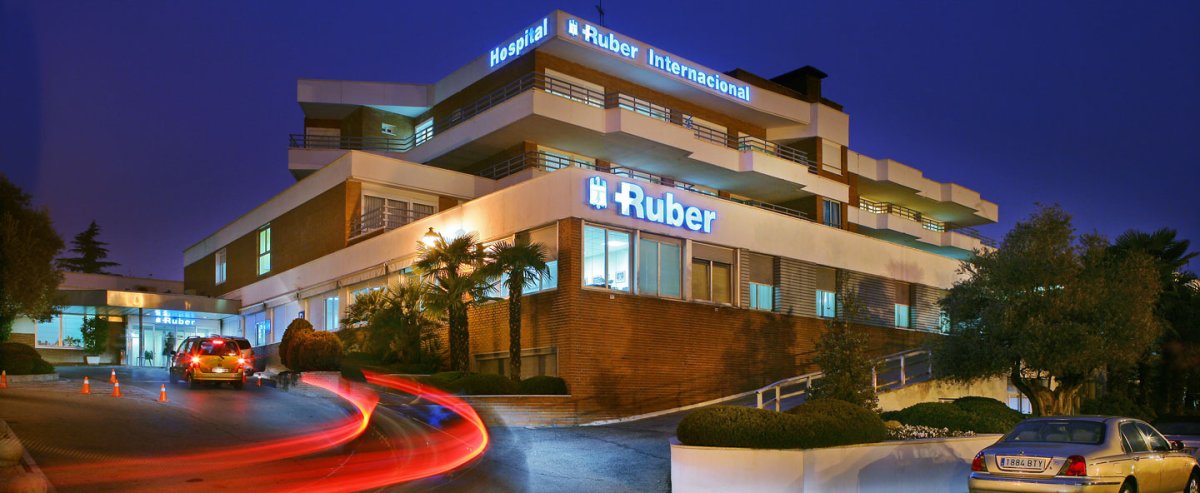
- Accredited facilities: Clinics like Hospital Ruber Internacional hold both JCI and ISO quality certifications.
- Rapid recovery: Minimally invasive techniques typically allow for hospital discharge within 2 days post-surgery.
Bookimed Expert Insight: Spain stands out because its top surgeons remain active in clinical research and academic hospital networks. Clinica Universidad de Navarra was Spain's first JCI-accredited center and now serves 700,000+ international patients. Choosing these high-volume research hubs often provides access to the latest surgical protocols before they become global standards.
Patient Consensus: Most patients report that the primary challenge is post-operative gas pain from the laparoscopy. They emphasize the importance of having home help and clear oncology follow-up plans ready before returning home.
What should I ask my surgeon before the laparoscopic nephrectomy?
Prior to a laparoscopic nephrectomy in Spain, ask about the surgical approach, conversion risks, and long-term kidney function. Discuss the use of the Da Vinci robotic system, specific recovery milestones, and potential post-operative symptoms like referred gas pain or blood pressure changes.
- Surgical technique: Ask if the surgeon utilizes robotic-assisted systems like the Da Vinci Xi.
- Conversion risk: Discuss the likelihood of switching to open surgery due to bleeding.
- Kidney function: Confirm how the remaining kidney will be monitored for potential hypertension.
- Pathology plan: Ask how the surgical strategy changes if imaging underestimated tumor invasiveness.
Bookimed Expert Insight: While many search for the lowest price, Spanish JCI-accredited centers like Hospital Ruber Internacional or Clinica Universidad de Navarra offer elite tech like the Da Vinci Xi. Choosing a surgeon like Dr. Antonio Alcaraz, who has performed over 500 procedures, significantly reduces the likelihood of converting to a more invasive open surgery.
Patient Consensus: Expect the first two weeks of recovery to be slow. Many patients report that referred gas pain is often more uncomfortable than the actual incisions.