Pharmacological stimulation for IVF in Thailand: costs, clinics and reviews

Last updated: 11/13/2026

Medically reviewed by
Fahad Mawlood
How it works
Bookimed is free for patients – clinics pay us a commission, and you pay the clinic its own price with no markup. Five steps to your pharmacological stimulation for IVF in Thailand:
Share your case
Tell us about your fertility goals and share your recent test results and ultrasound reports.
Get treatment plans
Your coordinator finds clinics that match your needs and helps you choose. Your preferred clinics then send personalized treatment plans and quotes for you to compare.
Plan your trip
We set treatment dates that work for you and help arrange your flights and accommodation.
Visit the clinic
The clinic team starts your pharmacological stimulation for IVF on the agreed dates. We support you throughout your trip.
Back home
You can fly home 11–16 days after your first injection. Your coordinator stays in touch and helps arrange a follow-up if you need one.
Some clinics ask for a deposit. A $200 or €200 deposit paid through Bookimed comes off your clinic bill and is refundable up to 10 calendar days before your visit. A deposit paid to the clinic follows its own terms.
Pharmacological stimulation for IVF Prices by Clinic in Thailand

Prime Fertility Clinic
Poonkiat Punyamitr











Gift Fertility Clinic

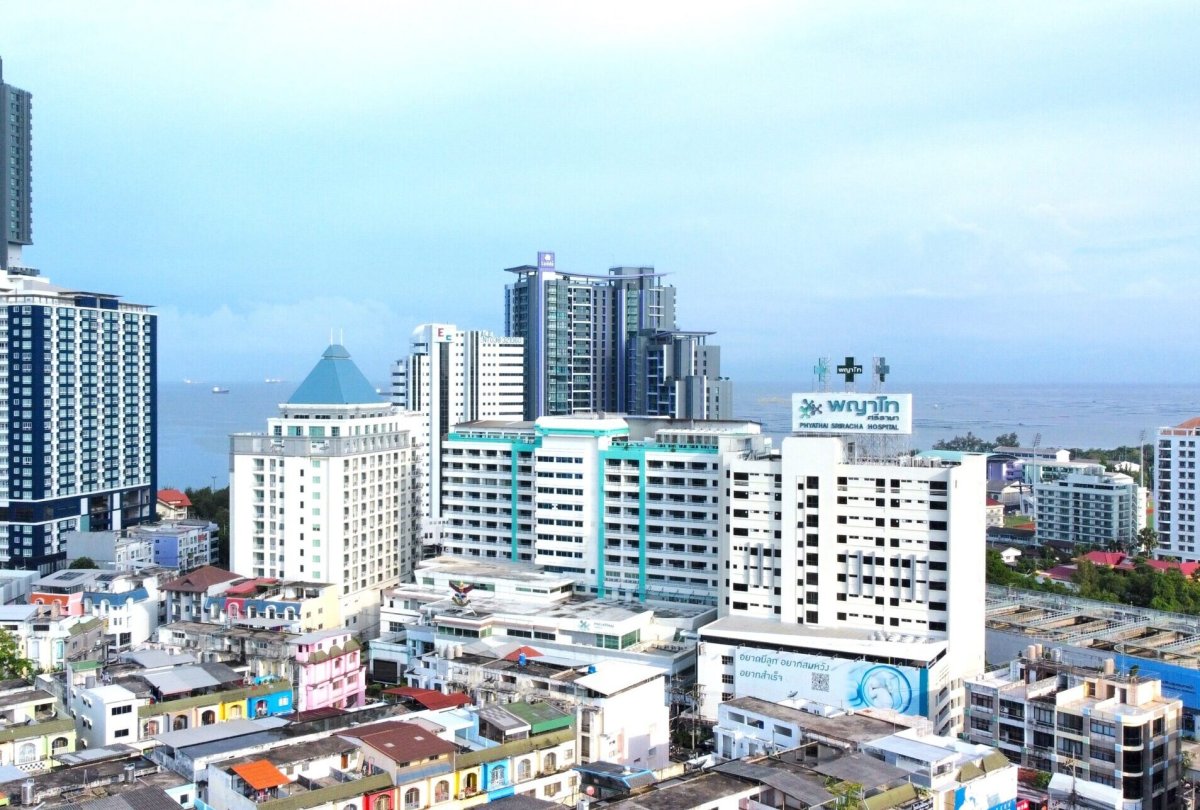
Phyathai Sriracha Hospital
Dr. Chanchai Tojirakarn


Get matched with the best doctors for Pharmacological stimulation for IVF
Tell us about your needs — and get 3 tailored offers from top doctors for you.
Do you have any chronic conditions or prior surgeries?
Direct prices from clinics
Free evaluation of your medical case
Free personal assistance 24/7
Thailand Pharmacological stimulation for IVF overview
Cost and clinics
| Typical pharmacological stimulation for IVF price in Thailand | Clinics | Accreditations | Cities | Pharmacological stimulation for IVF doctors | Doctor experience |
|---|---|---|---|---|---|
| $4,200 / ฿142,800–$5,400 / ฿183,600 | 6 clinics | ISO (4 clinics), JCI (3), GHA (2), TEMOS (1) | Bangkok (1 clinics) | 17 doctors | ~100% of doctors have 10+ years of practice (median 19 years) |
The procedure
| Before the trip | Time in Thailand | Nights in hospital | Operation time | Anesthesia | Back to desk work |
|---|---|---|---|---|---|
| Prepare with hormone tests, health screening, self-injection training, and cycle planning | 11–16 days | None (outpatient procedure) | 30–60 minutes | None | Immediately |
How much does a Pharmacological stimulation for IVF cost in Thailand?
Pharmacological stimulation for IVF in Thailand is estimated from $4,200 / ฿142,800 to $5,400 / ฿183,600. The final amount depends on medication dosage, hormone brand, ovarian reserve, and clinic pricing.
| Thailand | Turkey | Austria | |
|---|---|---|---|
| Pharmacological stimulation for IVF | from $4,200 / ฿142,800 | from $700 / ฿23,800 | ≈ $900 / ฿30,600 |
How to choose a Pharmacological stimulation for IVF clinic in Thailand
For pharmacological stimulation for IVF in Thailand, narrow clinic choices by city, compare doctors, ask about qualifications and accreditation, then read patient reviews.
What to check
City shortlist
Bookimed lists 6 clinics for pharmacological stimulation for IVF in Thailand, with the top-ranked options in Bangkok.Doctor match
Confirm the doctor who reviews your medical history at consultation also performs the treatment’s key steps – Bookimed doctors have a median of 19 years of practice.Licensing and accreditation
Ask whether your fertility specialist is licensed by the Medical Council of Thailand – Bookimed’s top-ranked clinics include 4 with international accreditation such as JCI or ISO.Patient reviews
Read what patients write about the doctor, care, and trip, not just the score – ask for results from similar cases treated by that doctor.
Discover Pharmacological stimulation for IVF Clinics in Thailand
| Clinic Name | Patient Rating | About | Accreditations | Lead Doctor | Techniques |
|---|---|---|---|---|---|
| Inspire IVF Clinic Bangkok | 4.0 (1 review) | Inspire IVF Clinic reports a 78% success rate, significantly higher than the national average in Thailand. This internationally accredited facility holds AACI and TEMOS certifications, following individualized protocols for every patient. The stimulation process typically lasts 10–14 days. It includes injectable fertility hormones carefully adjusted to your response. Doctors use frequent blood tests and transvaginal ultrasounds to monitor follicle growth closely. This detailed approach helps optimize egg yield while focusing on patient safety throughout the cycle. | TEMOS, ISO, GHA | — | Injectable ovarian stimulation, ovulation trigger injection, ultrasound follicle monitoring |
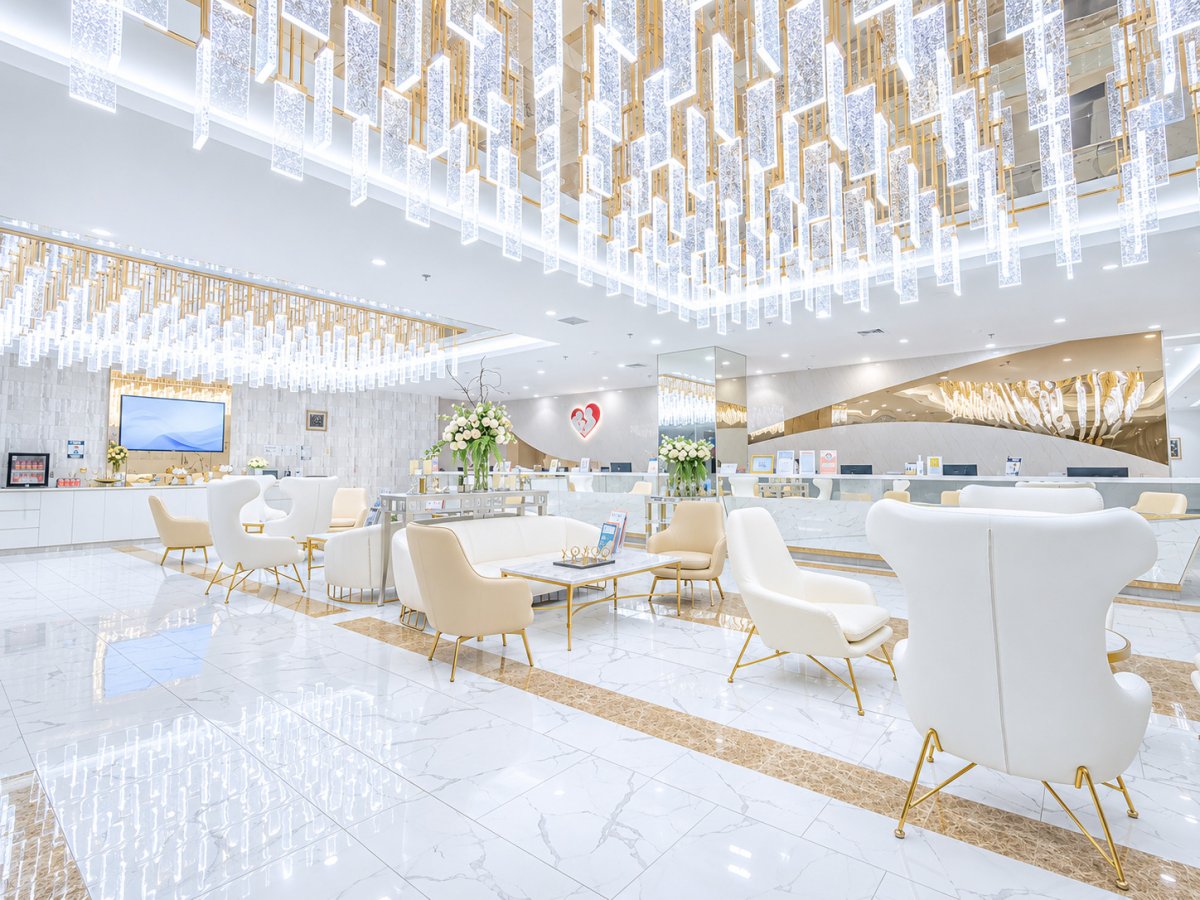
| Prime Fertility Clinic Bangkok | 5.0 (1 review) | Prime Fertility Clinic is one of only six clinics worldwide to hold JCI Ambulatory Care accreditation. This specialized center in Bangkok supports 4,000 patients annually through highly regulated laboratory environments certified by ISO 15189 and ISO 15190. The fertility team manages daily hormone injections over 10–12 days to encourage the development of multiple high-quality eggs. Every plan is personalized, starting with detailed blood tests and ultrasounds. Most patients return for embryo transfer just 2–3 days after the brief retrieval procedure. | JCI, ISO | Poonkiat Punyamitr 19 years | Blood test for hormonal profile |
| Bumrungrad International Hospital Bangkok | 4.6 (131 reviews) | Associate Professor Dr. Phattaraphum Phophong specializes in infertility treatment with diplomas from The Thai Board of Obstetrics & Gynecology and Reproductive Medicine. He holds a Master's in Prenatal Genetics from UCL and completed a fellowship in Human Reproduction at UCH. The hospital serves over 1 million patients annually with a dedicated reproductive medicine team. | ISO, JCI, GHA | Complex diagnosis of infertility for men, Hysteroscopy |

Our Trusted Doctors
View all DoctorsPoonkiat Punyamitr
Dr. Poonkiat Punyamitr specializes in pharmacological stimulation for IVF, backed by extensive training in assisted reproductive technology.
- Holds certificates in ART from Singapore and Thailand
- Medical Director at Prime Fertility Center
- Thai board-certified OB-GYN
- Trained at National University Hospital, Singapore
Wasin Naknam
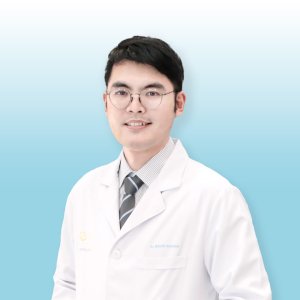
Dr. Wasin Naknam is an obstetrician-gynecologist and reproductive medicine specialist. He earned his MD from Chiang Mai University, Thailand, in 2012. He received Thai Board certification in Obstetrics and Gynecology in 2016. He completed the Thai Board of Infertility and Assisted Reproductive Technology in 2018. He obtained a master’s in Biotechnology of Assisted Human Reproduction and Embryology from the University of Valencia, Spain, in 2021.
Clinical focus: IUI and IVF/ICSI (long, antagonist, and double stimulation protocols). Customized ovarian stimulation for poor ovarian reserve and PCOS. Targeted care for repeated embryo transfer failure. PGT-A, PGT-M, and PGT-SR. Laparoscopy and hysteroscopy for infertility.
Professional activities: ESHRE workshops and annual meetings in 2017 (Geneva), 2018 (Barcelona), and 2019 (Vienna). TSRM seminar and conference in Pattaya in 2019. Poster presentation at ESHRE 2020 (virtual). Memberships: ASPIRE, ESHRE, ASRM, and TSRM.
Chaisuk Jiwatanaporn
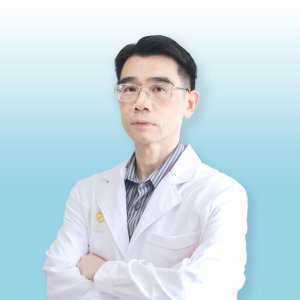
Dr. Chaisuk Jiwatanaporn is an obstetrician-gynaecologist (OB-GYN) with a subspecialty in reproductive medicine. Dr. Jiwatanaporn earned an MD from the Faculty of Medicine, Chulalongkorn University in 1999. Dr. Jiwatanaporn holds the Thai Board in Obstetrics and Gynaecology from the Medical Council of Thailand, completed at Chonburi Hospital. Dr. Jiwatanaporn completed a fellowship in reproductive medicine at Chulalongkorn University in 2009. Practice areas include general obstetrics and gynaecology, reproductive endocrinology and infertility, and gynaecologic endoscopy.
Continuing education includes ESHRE workshops and annual meetings in Lisbon (2016), Geneva (2017), Barcelona (2018), and Vienna (2019). Additional meetings include ASPIRE 2019 in Hong Kong, TSRM 2019 in Pattaya, and COGI 2019 in Paris. Professional memberships include the Medical Council of Thailand, RTCOG, TSRM, TSGR, and ESHRE.

Nutchada Kaewkoet
Dr. Nutchada Kaewkoet is an OB-GYN and reproductive medicine specialist at the IVF Center, Piyavate Hospital in Bangkok. She has worked there since 2019. She completed her OB-GYN residency at Pramongkutklao Hospital from 2004 to 2007. She then finished a fellowship in reproductive medicine at Chulalongkorn University from 2009 to 2011.
Accreditations: She holds a medical license from the Medical Council of Thailand, active since 2001. She earned the Thai Board of Obstetrics and Gynecology diploma in 2007. She earned the Thai Subboard of Reproductive Medicine diploma in 2011.
Previous roles include medical instructor at Srinakharinwirot University from 2007 to 2012. She was a clinician at the Samitivej Srinakarin Women’s Health and Infertility Center from 2012 to 2018. She began her practice in the Department of Obstetrics and Gynecology at Sawanpracharak Hospital from 2001 to 2003. She completed her medical degree at the Faculty of Medicine, Chiang Mai University from 1994 to 2001.
Pharmacological stimulation for IVF recovery timeline: what to expect week by week
You can fly home 11–16 days after your first injection. Your doctor or surgeon must approve your travel. You can return to desk work immediately, apart from monitoring visits, and egg retrieval downtime is separate. You can resume exercise without a waiting period after stimulation, but avoid vigorous activity while your ovaries are enlarged.
About 8–14 days
You’ll have daily injections with ultrasound and blood-test monitoring for about 8–14 days. Mild bloating and breast tenderness are common. Avoid strenuous or high-impact exercise, and report severe abdominal pain, rapid weight gain, or breathlessness.
After the trigger injection
Egg retrieval follows about 34–36 hours after the trigger as a separate procedure. You can fly home 11–16 days after your first injection, depending on protocol length and ovarian hyperstimulation symptoms. If pregnancy does not occur, symptoms usually settle after your next period.
When to contact your clinic: Contact your clinic promptly if you have tummy pain or bloating, or if you feel sick or are sick. Seek emergency help for difficulty breathing. For chest pain or sudden breathlessness after a long flight, seek emergency help locally.
Traveling to Thailand for a Pharmacological stimulation for IVF
Pharmacological stimulation for IVF in Thailand: Video Reviews from Bookimed Patients
Thailand Pharmacological stimulation for IVF Reviews at Bookimed: Discover Patients' Insights
View allShare this content
 Anna Leonova

FAQ about Pharmacological stimulation for IVF in Thailand
How long does the ovarian stimulation phase last?
Ovarian stimulation typically lasts 8 to 14 days during an IVF cycle in Thailand. Patients receive daily hormone injections to develop multiple mature follicles. Specific duration depends on individual follicle growth and protocol type, with most patients reaching the trigger shot stage by day 10 or 12.
- Daily monitoring: Clinics perform ultrasounds and E2 blood tests every 2 to 3 days.
- Protocol variety: Options include antagonist, long, double stimulation, and microdose flare protocols.
- Trigger timing: Surgeons administer the final maturation shot once follicles reach 17 to 18mm.
- Egg retrieval: Procedures are precisely scheduled approximately 36 hours after the final trigger injection.
Bookimed Expert Insight: Thai fertility specialists like Dr. Wasin Naknam or Dr. Pitch Chandeying frequently customize stimulation for complex cases like PCOS or low ovarian reserve. While the average is 10 days, data shows fast responders may trigger by day 6, whereas others might extend to 15 days to ensure follicle maturity. This flexibility, combined with frequent E2 monitoring at centers like Bumrungrad International Hospital, helps maximize egg yield while maintaining high safety standards.
Patient Consensus: Patients often mention needing comfortable, loose clothing to manage mid-cycle bloating. Many find that tracking their daily injections and hormone levels via mobile apps helps reduce the stress of the frequent clinic visits required during this phase.
What medications are used for IVF stimulation in Thailand?
Thailand utilizes FDA-approved hormonal medications for IVF stimulation, maintaining parity with international standards. Experts like Dr. Wasin Naknam specialize in customized protocols including recombinant FSH (Gonal-F), combination FSH/LH (Menopur), and long-acting injections like Elonva, typically administered over an accelerated 8–10 day stimulation window.
- Ovarian stimulators: Gonal-F and Follistim provide pure recombinant FSH to trigger multiple follicle growth.
- LH support: Menopur combines FSH and LH to enhance egg quality in later stages.
- Ovulation prevention: Cetrotide or Orgalutran injections typically start on day 5 to prevent premature release.
- Maturation triggers: Ovidrel or Pregnyl shots prepare eggs for retrieval exactly 36 hours later.
Bookimed Expert Insight: Data shows Thai clinics like Bumrungrad International often favor the Antagonist protocol for its safety profile. While US protocols often last 12 days, Thai specialists frequently achieve maturation in 8–10 days. This efficiency reduces the total medication volume required, potentially lowering your overall pharmacy bill by hundreds of dollars without sacrificing egg yield.
Patient Consensus: Patients frequently note that Thai clinics use international brands but may suggest lower starting doses to minimize side effects. Many recommend requesting a written protocol list early to compare brand availability and local costs against Western pharmacy prices.
What monitoring is required during the stimulation phase?
Ovarian stimulation for IVF in Thailand requires frequent monitoring via transvaginal ultrasounds and hormone blood tests over 10 to 12 days. Patients visit JCI-accredited clinics every 2 to 3 days initially, then daily as follicles reach maturity to prevent ovarian hyperstimulation syndrome.
- Follicle tracking: Ultrasound measures number and growth of fluid-filled sacs containing eggs.
- Hormonal screening: Blood tests track estradiol and progesterone to time the trigger shot.
- Endometrial assessment: Doctors measure uterine lining thickness to ensure readiness for embryo implantation.
- Protocol adjustment: Specialists like Dr. Teraporn Vutyavanich adjust medication doses based on real-time data.
Bookimed Expert Insight: While basic monitoring is standard, top-tier Thai centers like Bumrungrad International Hospital utilize digital imaging and AI to refine follicle measurements. Data shows that clinics offering specialized protocols for PCOS or low ovarian reserve tend to increase monitoring frequency during the final 3 days of stimulation to maximize egg yield while maintaining safety.
Patient Consensus: Patients emphasize that frequent clinic visits from day 5 onwards can be physically taxing. They recommend confirming result sharing protocols early to manage the stress of waiting for daily dose adjustments.
What are the common side effects and risks of stimulation drugs?
Common side effects of IVF stimulation drugs in Thailand include abdominal bloating, headaches, and mood swings. While most symptoms are temporary, risks include ovarian hyperstimulation syndrome (OHSS). Specialist clinics like Bumrungrad International Hospital utilize customized protocols to manage these hormonal responses effectively for international patients.
- Physical discomfort: Abdominal bloating and ovary tenderness often peak near the egg retrieval stage.
- Mood changes: Hormonal fluctuations frequently cause irritability, anxiety, or unexpected emotional sensitivity and crying.
- Injection site: Minor bruising, redness, or soreness at the daily medication injection site is common.
- Major risk: Ovarian hyperstimulation syndrome (OHSS) requires monitoring for rapid weight gain or breathing difficulty.
Bookimed Expert Insight: Thailand's top fertility specialists, such as Dr. Teraporn Vutyavanich, often favor antagonist protocols to significantly lower OHSS risks. Data shows clinics like Bumrungrad serve patients from 190 countries, meaning they are highly experienced in managing `hormonal crashes` for travelers. Some patients report symptoms peaking 3–5 days after retrieval rather than during the active stimulation phase.
Patient Consensus: Many describe the experience as `zombie mode` due to intense fatigue and brain fog. Constant hydration and light, frequent meals are widely recommended to manage the `exploding ovary` sensation and nausea.
What lifestyle restrictions are advised during ovarian stimulation?
Lifestyle restrictions during ovarian stimulation in Thailand focus on preventing ovarian torsion and optimizing egg quality. Patients must avoid high-impact exercise, heavy lifting over 15 lbs, and deep abdominal twisting. Maintaining stable hormone levels through diet and limiting heat exposure is essential for procedure success.
- Physical activity: Avoid running, HIIT, and CrossFit to prevent the enlarged ovaries from twisting.
- Sexual activity: Clinics advise pelvic rest during late stimulation to reduce rupture or torsion risks.
- Dietary habits: Limit caffeine to 200mg daily and strictly avoid alcohol and nicotine products.
- Heat exposure: Refrain from saunas, hot tubs, and steam rooms to protect developing follicles.
Bookimed Expert Insight: While general guidelines recommend light walking, Thailand's high heat and humidity require extra caution. Clinics like Bumrungrad International Hospital often emphasize consistent hydration to mitigate symptoms of Ovarian Hyperstimulation Syndrome (OHSS). Data shows that specialists such as Dr. Poonkiat Punyamitr prioritize customized antagonist protocols, which may allow for quicker returns to normal activity compared to long protocols. Always confirm your air travel timeline, as some Bangkok centers advise waiting 48 hours post-retrieval due to cabin pressure concerns.
Patient Consensus: Most patients find that staying hydrated significantly reduces bloating discomfort during the final days of stimulation. Real-world experience suggests planning for 48 hours of total rest after egg retrieval before resuming a desk job.
Can I begin the stimulation injections in my home country before traveling to Thailand?
Patients can definitely start stimulation injections in their home country before traveling to Thailand for IVF. This fertility tourism strategy reduces your stay in Bangkok from 21 days to approximately 5–9 days by coordinating remote monitoring and follicle tracking with local specialists.
- Clinic registration: Complete initial consultations and establish your protocol with Thai specialists online first.
- Remote monitoring: Arrange local ultrasounds and blood tests to track follicle maturity from home.
- Medication transport: Carry injections in temperature-controlled bags with a doctor letter for Thai customs.
- Travel timing: Fly to Thailand 12–24 hours after starting injections or by day 6.
Bookimed Expert Insight: Many international patients save money by purchasing generic stimulation medications in their home country, which clinics like Bumrungrad International Hospital generally accept. Our data shows that starting at home is a standard practice for the 50% of international patients visiting top-tier Thai centers, provided you sync your baseline scan by day 4 of the cycle.
Patient Consensus: Travelers recommend emailing Thai clinics 4–6 weeks early to secure a home-start protocol. They emphasize keeping all injectables in carry-on luggage to prevent medication damage from cargo hold temperature shifts.
Last review: 11/13/2026
Fahad Mawlood — General practitioner. Winner of 4 scientific awards. Served in Western Asia. Former Team Leader of a medical team supporting Arabic-speaking patients. Now responsible for data processing and medical content accuracy.
Have a question about Pharmacological stimulation for IVF in Thailand?
Ask a Bookimed medical coordinator about prices, clinics, techniques or your case. Write to us in the messenger you already use.
- Direct prices from clinics
- Free evaluation of your medical case
- Free personal assistance 24/7
Ask your question in a messenger
Tap a messenger to open a chat with a Bookimed medical coordinator.
Free and without obligation · Terms of use · Privacy policy