Pharmacological stimulation for IVF in Spain — get 3 personalized clinic matches


Medically reviewed by
Fahad Mawlood
How it works
How Much Does Pharmacological stimulation for IVF Cost in Spain?
Pharmacological stimulation for IVF in Spain typically costs from $1,800 to $2,400. The final price depends on patient age, ovarian reserve, and the specific medication protocol required. In the US, similar procedures cost around $5,000 on average. Patients save around 58% compared to US rates. Most Spanish clinics bundle initial consultations and follicular monitoring into this phase.
- Ovarian stimulation: Medications like gonadotropins often cost 15-20% more for patients with low reserves.
- Ovarian suppression: Packs for preventing premature ovulation typically add a fixed cost to the protocol.
- Trigger injections: One-time hormonal shots for final egg maturation represent the smallest budget portion.
- Location factors: Medical hubs like Barcelona and Madrid house the highest concentration of specialized clinics.
Bookimed Expert Insight: Choosing a hospital like Centro Médico Teknon in Barcelona offers a unique value-cost balance. This JCI-accredited facility serves high-profile patients and elite athletes. While basic stimulation costs approximately $2,350, you gain access to specialists like Dr. Ramon Aurell Ballesteros. He brings 30 years of experience to complex cases. This expertise often reduces the need for repeated, costly stimulation cycles.
| Turkey | Austria | Spain | |
|---|---|---|---|
| Pharmacological stimulation for IVF | from $700 | ≈ $900 | from $1,800 |
Discover the Best Pharmacological stimulation for IVF Clinics in Spain: 2 Verified Options and Prices








Pharmacological stimulation for IVF Overview in Spain
- In Vitro Fertilization (IVF) - from $6,700The procedure assists conception via lab-fertilized eggs transplanted into the uterus, offering hope to those struggling with infertility.
- Childbirth - from $9,700The procedure involves delivering a baby, typically after nine months of gestation.
- Embryo cryopreservation - from $350The procedure freezes early-stage embryos for future use, preserving fertility and optimizing in-vitro fertilization success.
- Artificial Insemination - from $700This therapy helps conceive by directly inserting sperm into a woman"s womb, increasing chances of successful fertilization.
- Pharmacological stimulation for IVF - from $1,800The procedure boosts egg production for in vitro fertilization, using medicines for more chances of successful conception.
- Сesarean section - from $5,500The operation involves delivering a baby through surgical incisions in the mother"s abdomen and uterus.
- Egg Cryopreservation Annual Maintenance - from $300The procedure involves yearly care and storage of preserved female egg cells for future fertility needs.
- Embryo Transfer - from $1,000The procedure involves placing a fertilized egg in a woman"s uterus to improve chances of pregnancy.
Day 1 - Arrival
- Arrival at the airport.
- Transfer to the hotel is provided.
Day 2 - Pre-operation
- Consultation with fertility specialist.
- Complete blood count is performed.
- Cancer markers are checked.
- Proteinogram is conducted.
Day 3 - Day 14 - Pharmacological Stimulation
- Begin pharmacological stimulation for IVF.
- Regular monitoring of response to medicines.
- Adjustment of dosage as needed.
- Process continues for about 2 weeks.
Day 15 - Egg Retrieval
- Procedure under light sedation.
- Eggs are retrieved from ovaries.
- Transfer to the clinic is provided.
Day 16 - Day 20 - Embryo Development
- Embryos are developed in the lab.
- Patient is monitored for recovery.
Day 21 - Embryo Transfer
- Embryos are transferred into the uterus.
- Light anesthesia is used.
Day 22 - Day 28 - Post-operation
- Regular check-ups at the clinic.
- Patient"s health is monitored.
Week 5 and onwards - Rehabilitation
- Regular check-ups continue.
- Patient can return to work after 2 weeks.
- Final result can be seen after 2 weeks.
Each case is individual and the plan may vary based on the patient’s health condition and response to the treatment.
- Bookimed deposit: $200 or €200.
- Clinic deposit: Pay a set percentage in advance.
Our Doctors
View all Doctors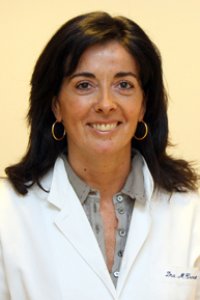
Monserrat Twose
The doctor is a highly experienced specialist in Obstetrics and Gynecology with over three decades of clinical practice. Since 1994, the doctor has been a key member of the medical faculty at Centro Médico Teknon in Barcelona, where the doctor currently serves as the Head of Service in Gynecology and Obstetrics. The doctor’s clinical focus encompasses infertility diagnosis, assisted reproduction techniques, IVF planning, comprehensive pregnancy monitoring, childbirth care, and prenatal diagnostics.
In addition to extensive expertise in gynecological ultrasound and menopause management, the doctor holds a Level III Training Diploma in Obstetric and Gynecologic Ultrasound from the Spanish Society of Obstetrics and Gynecology.
Reviews about Bookimed: Discover Patients' Insights
All reviewsShare this content
Video Stories from Bookimed Patients
 Anna Leonova

Fast Facts about Pharmacological stimulation for IVF
Pharmacological stimulation for IVF
This involves using medications to stimulate the ovaries to produce multiple eggs for retrieval during fertility treatment.
FAQ about Pharmacological stimulation for IVF in Spain
What is Pharmacological Stimulation for IVF?
Pharmacological stimulation for IVF uses hormonal injections to encourage ovaries to develop multiple mature eggs in one cycle. This controlled ovarian hyperstimulation typically targets 8 to 15 high-quality eggs. Clinicians use Follicle-Stimulating Hormone (FSH) and Luteinizing Hormone (LH) to maximize success during fertilization and embryo transfer.
- Medication types: Clinics utilize Gonal-F for FSH or Menopur for balanced FSH and LH protocols.
- Premature ovulation prevention: Doctors prescribe Cetrotide or GnRH antagonists to suppress natural luteinizing hormone surges.
- Monitoring process: Specialists perform frequent ultrasound scans to adjust dosages based on real-time follicle growth.
- Final maturation: A precise trigger shot of HCG is administered 35-36 hours before egg retrieval.
Bookimed Expert Insight: Spain stands out for personalized hormone ratios, often utilizing Pergoveris to maintain a 2:1 FSH to LH balance. Specialist Cayetana Barbed at Centro Médico Teknon emphasizes that tailored protocols are essential. This precision helps manage Ovarian Hyperstimulation Syndrome risks while maximizing follicle recruitment for patients over age 35.
Patient Consensus: Patients emphasize the importance of discussing specific hormone ratios with doctors, as individual responses vary. Many found the frequent ultrasound monitoring reassuring to ensure the personalized dosage remained effective throughout the cycle.
Are There Side Effects to the Medication?
Pharmacological stimulation for IVF in Spain is generally well-tolerated, though hormonal injections typically cause mild bloating, headaches, or mood swings. Major complications are rare in JCI-accredited Spanish clinics because doctors use individualized protocols to prevent Ovarian Hyperstimulation Syndrome while maximizing follicle growth.
- Physical symptoms: Patients often experience temporary bloating, abdominal fullness, or localized bruising around injection sites.
- Emotional impact: Rising estrogen levels may cause lethargy, fatigue, or mood swings during the treatment.
- Severe complications: Modern clinics significantly reduce risks of Ovarian Hyperstimulation Syndrome through precise dosage monitoring.
- Systemic reactions: Minor side effects like headaches or weight gain occur in a small percentage.
Bookimed Expert Insight: Data from top clinics like Centro Médico Teknon shows that doctors like Dr. Ramon Aurell Ballesteros, with over 800 procedures, favor antagonist protocols. These specific regimens are high-performance because they virtually eliminate the risk of severe Ovarian Hyperstimulation Syndrome. Patients often save up to 58% compared to US costs without sacrificing safety or medical oversight.
Patient Consensus: Most people report that post-retrieval progesterone causes more discomfort than the actual stimulation injections. Staying hydrated with electrolytes and using stool softeners are highly recommended to manage common abdominal pressure.
What Are the Success Rates for IVF in Spain?
IVF success rates in Spain for donor egg transfers reach 60% to 70% per cycle. For patients under 35 using own eggs, clinical pregnancy rates average 55%. Spanish fertility centers maintain high outcomes through JCI-accredited standards and advanced protocols like Preimplantation Genetic Testing for Aneuploidy.
- Age factors: Success drops to 20% for patients over 40 using their own eggs.
- Donor egg efficacy: Fresh donor egg transfers achieve approximately 50.5% clinical pregnancy rates.
- Cumulative success: Multiple treatment cycles with donor eggs can result in 90% success rates.
- Advanced stimulation: Specialists use growth hormone or specific hormone combinations to improve oocyte quality.
Bookimed Expert Insight: Spanish clinics like Centro Médico Teknon often prioritize conservative medication caps, usually around 225iu. This approach minimizes over-stimulation while maximizing follicle recruitment. Data shows top-tier surgeons like Dr. Ramon Aurell Ballesteros combine UK fellowship experience with personalized stimulation to maintain these high standards.
Patient Consensus: Many patients highlight that while single-round success varies, cumulative rates over three cycles offer significant hope. They frequently mention the unexpected extra costs of stimulation medications, which can add over $1,500 to the procedure.
How Long Does Stimulation Last in Spain?
Pharmacological stimulation for IVF in Spain typically lasts between 9 and 13 days to ensure follicular maturation. Most patients complete the process within 10 to 12 days, involving daily self-administered hormonal injections and frequent monitoring at JCI-accredited clinics in Barcelona or Madrid.
- Daily injections: Hormonal medication is administered for approximately 10 to 14 days.
- Frequent monitoring: Expect 3 ultrasounds and hormone checks to track egg development.
- Treatment timeline: Stimulation usually begins between Day 3 and Day 14 of the cycle.
- Egg retrieval: The final trigger shot occurs before retrieval, typically on Day 15.
Bookimed Expert Insight: Coordination is key for international patients at clinics like Centro Médico Teknon. Data shows patients can often complete the first 7 days of injections at home. This strategy reduces your required stay in Spain to just 10 days while maintaining safety through remote monitoring.
Patient Consensus: Fast responders can finish in 8 days, but most plan for a full 2-week stay to accommodate the retrieval. Patients recommend starting the first week of medication before traveling to minimize hotel costs.
What Medications Are Used in Spain?
Medications in Spain are regulated by the Spanish Agency of Drugs and Health Products. While over-the-counter remedies like low-dose paracetamol are available, fertility drugs, antibiotics, and high-dose painkillers require a prescription. Most Spanish IVF clinics utilize lower-dose stimulation protocols compared to US standards.
- Stimulation drugs: Clinics use hormones like Gonal F and Meriofert to stimulate follicles.
- Cycle regulation: Birth control pills often regulate the cycle for 13 days before stimulation.
- Trigger medications: A trigger shot matures follicles on Day 14 before the retrieval.
- Post-retrieval support: Progestogen support and supplements like DHEA or CoQ10 are standard additions.
Bookimed Expert Insight: Medication costs between $850 and $1,600 are rarely included in base IVF quotes. Coordination with centers like Centro Médico Teknon ensures your local GP can transcribe Spanish prescriptions. This step is vital for patients seeking to purchase medications in their home country.
Patient Consensus: Patients emphasize confirming total drug costs before signing contracts. Many suggest using a coordinator to manage the complex schedule of injections and monitoring visits.
Why Choose Spain for IVF Stimulation?
Spain is a top global destination for IVF stimulation due to advanced protocols like duplo-stimulation and high-tech egg donation programs. Spanish clinics follow inclusive laws allowing treatment for single women and same-sex couples, maintaining high success rates through personalized hormonal dosage and JCI-accredited facilities.
- Stimulation techniques: Clinics offer duplo-stimulation and ovarian rejuvenation using platelet-rich plasma to maximize yields.
- Specialized expertise: Surgeons like Dr. Ramon Aurell Ballesteros at Centro Médico Teknon have performed 870+ procedures.
- Legal accessibility: Spanish law supports ROPA methods for lesbian couples and treatments for patients under 50.
- Cost savings: Pharmacological stimulation in Spain costs $1,800 to $2,400, saving up to 58%.
Bookimed Expert Insight: Spain’s lead in volume—serving 10,000 yearly patients at Centro Médico Teknon—drives a unique clinical pattern. Many Spanish specialists use low-dose stimulation protocols. These often achieve higher viable egg counts than the aggressive high-dose cycles commonly seen in high-cost regions.
Patient Consensus: Patients value the help of personal coordinators who manage all medications and scans. Many recommend choosing smaller clinics if you prefer a slower, more attentive pace during your treatment cycle.