Embryo Transfer in Spain — Get 3 Top Clinic Matches with Costs


Medically reviewed by
Fahad Mawlood
How Much Does Embryo Transfer Cost in Spain?
Embryo transfer in Spain typically costs from $1,000 to $1,400. The final price depends on whether the procedure uses frozen embryos or is part of a fresh IVF cycle. Patients save around 76% compared to the US, where the average cost is $5,000. Standard fees usually cover embryo thawing, endometrial preparation, and the clinical transfer procedure.
- Frozen embryo transfer: $1,000 to $1,400 for standalone procedures using pre-vitrified embryos.
- Medication protocols: Typically adds 20-40% to the base cost for hormonal support drugs.
- Advanced lab techniques: Specialized methods like time-lapse embryo monitoring may increase costs by 15-20%.
- Regional variations: Major medical hubs include Barcelona, Madrid, Palma de Mallorca, Granada, and Murcia.
Bookimed Expert Insight: Spain offers unique financial security through programs like the fertility guarantee at Fertty International IVF Clinic. They provide a 100% refund if pregnancy is not achieved. This shifts the financial risk away from the patient. Seeking specialists like Dr. Cayetana Barbed, who leads advanced donation programs, ensures access to high-tier expertise in Barcelona's competitive medical landscape.
| Turkey | Austria | Spain | |
|---|---|---|---|
| Embryo Transfer | from $750 | ≈ $2,500 | from $1,000 |
Your Benefits and Guarantees with Bookimed
Transparent Prices & Flexible Installments
No hidden fees – just official clinic prices. Pay at the clinic for Embryo Transfer upon arrival and use a flexible installment plan if needed.
Verified Clinics & Doctors Only
Bookimed is committed to your safety. We only work with medical institutions that maintain high international standards in Embryo Transfer and have the necessary licenses to serve international patients worldwide.
Free 24/7 Assistance
Bookimed offers free expert assistance. A personal medical coordinator supports you before, during, and after your treatment, solving any issues. You're never alone on your Embryo Transfer journey.

Your personal Bookimed medical coordinator
- Supports you at every stage
- Helps choose the right clinic and doctor
- Ensures quick and convenient access to information
Discover the Best Embryo Transfer Clinics in Spain: 9 Verified Options and Prices










Fertty International IVF Clinic

IVF-Life Madrid

Juaneda Fertility Center Mallorca

Avantia Instituto de Fertilidad

FIV Center Madrid

Fertility Madrid

IMFER
Embryo Transfer Overview in Spain
- In Vitro Fertilization (IVF) - from $6,700The procedure assists conception via lab-fertilized eggs transplanted into the uterus, offering hope to those struggling with infertility.
- Childbirth - from $9,700The procedure involves delivering a baby, typically after nine months of gestation.
- Embryo cryopreservation - from $350The procedure freezes early-stage embryos for future use, preserving fertility and optimizing in-vitro fertilization success.
- Artificial Insemination - from $700This therapy helps conceive by directly inserting sperm into a woman"s womb, increasing chances of successful fertilization.
- Pharmacological stimulation for IVF - from $1,800The procedure boosts egg production for in vitro fertilization, using medicines for more chances of successful conception.
- Сesarean section - from $5,500The operation involves delivering a baby through surgical incisions in the mother"s abdomen and uterus.
- Egg Cryopreservation Annual Maintenance - from $300The procedure involves yearly care and storage of preserved female egg cells for future fertility needs.
- Embryo Transfer - from $1,000The procedure involves placing a fertilized egg in a woman"s uterus to improve chances of pregnancy.
Day 1 - Arrival
- Arrival to the country.
- Transfer to the accommodation.
- Rest and acclimatization.
Day 2 - Meeting with the Specialist
- First consultation with the specialist.
- Clarification of the process.
- Oocyte donor selection if needed.
Day 3 - Pre-Operation
- Pre-operation consultation.
- Undergo necessary medical tests.
- Discuss additional procedures if required.
Day 4 - Embryo Transfer
- Preparation for the Embryo Transfer.
- Process lasts approximately 1 hour.
- No anesthesia is required.
Day 5 - Post Operation
- Post-operation consultation at the clinic.
- Rest and observation at the clinic.
- Discharge from the clinic.
Week 1-2 - Rehabilitation
- Rest and minimal physical activity.
- Follow-up appointments if needed.
- Return to work after 1 week.
Week 2-4 - Follow Up
- Continued monitoring of health status.
- Resume normal activities gradually.
- Expect to see final results after 4 weeks.
Please note that each patient"s case may vary, and the timeline provided is an average estimation based on large amounts of data.
- Bookimed deposit: $200 or €200.
- Clinic deposit: Pay a set percentage in advance.
Our Doctors
View all Doctors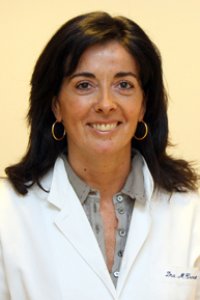
Monserrat Twose
The doctor is a highly experienced specialist in Obstetrics and Gynecology with over three decades of clinical practice. Since 1994, the doctor has been a key member of the medical faculty at Centro Médico Teknon in Barcelona, where the doctor currently serves as the Head of Service in Gynecology and Obstetrics. The doctor’s clinical focus encompasses infertility diagnosis, assisted reproduction techniques, IVF planning, comprehensive pregnancy monitoring, childbirth care, and prenatal diagnostics.
In addition to extensive expertise in gynecological ultrasound and menopause management, the doctor holds a Level III Training Diploma in Obstetric and Gynecologic Ultrasound from the Spanish Society of Obstetrics and Gynecology.
Reviews about Bookimed: Discover Patients' Insights
All reviewsShare this content
Video Stories from Bookimed Patients
 Anna Leonova

FAQ about Embryo Transfer in Spain
What is the success rate for embryo transfer in Spain?
Embryo transfer success rates in Spain are among Europes highest, typically reaching 60–70% for patients under 35 using donor eggs. Clinical pregnancy rates for own-egg transfers vary by age, averaging 35.1% for frozen embryos and up to 59.7% for younger women.
- Donor egg success: Clinical pregnancy rates range from 60% to 70% per individual transfer.
- Own egg performance: Success for women under 35 averages 50–70% at top-tier facilities.
- Cumulative outcomes: Pregnancy rates can exceed 90% over several transfers using egg donation.
- Impact of age: Success rates drop to roughly 31.9% for women aged 40 or older.
Bookimed Expert Insight: While many clinics highlight high clinical pregnancy rates, live birth rates in Spain average around 26.7%. Clinics like Fertty International in Barcelona offer specific pregnancy guarantee programs with 100% money-back options. This high-level transparency often indicates advanced laboratory standards and superior embryo selection protocols.
Patient Consensus: Patients emphasize clarifying if statistics refer to implantation or live births to manage expectations. Success is often higher with egg donation, which many find a reliable alternative when own-egg cycles fail.
Can I choose the gender of the embryo in Spain?
No, you cannot choose the gender of an embryo in Spain for personal preference or family balancing. Under Spanish Law 14/2006, pre-implantation genetic testing (PGT) for sex selection is restricted to preventing serious sex-linked hereditary diseases like hemophilia or Duchenne muscular dystrophy.
- Legal restriction: Spanish Law 14/2006 strictly prohibits elective or `social` gender selection.
- Medical exceptions: Selection only allowed to prevent transmission of serious sex-linked genetic disorders.
- Mandatory documentation: Clinics require formal proof from genetic specialists to justify therapeutic sex selection.
- Information withholding: Spanish clinics must legally withhold chromosomal sex information from patients during IVF.
Bookimed Expert Insight: While Spain is a global leader in IVF, its laws focus heavily on embryo viability. If sex selection is your primary goal, destinations like Northern Cyprus or Mexico are more suitable. Spanish clinics like Fertty International emphasize success through pregnancy guarantee programs instead of elective traits.
Patient Consensus: Patients note that all donors remain strictly anonymous in Spain. You should instruct your clinic to select embryos based solely on quality and morphological viability to ensure the highest success rates.
Is egg donation anonymous in Spain?
Egg donation in Spain is strictly anonymous by law under Law 14/2006. Medical teams match donors to recipients based on physical traits and immunological compatibility. Identifying information remains confidential. Only non-identifying details, like blood type or general characteristics, are shared to protect all parties.
- Legal framework: Law 14/2006 mandates total anonymity between donors and recipient families.
- Selection process: Specialists at clinics like Fertility Madrid select donors based on phenotype matching.
- Information sharing: Recipients only receive general traits such as hair color and blood type.
- Donor limits: Spanish law restricts donors to 6 live births to prevent genetic proliferation.
Bookimed Expert Insight: While anonymity is the legal standard, clinics like Fertty International offer unique pregnancy guarantee programs. These packages often include a 100% refund if the procedure fails. This highlights how Spanish clinics prioritize process reliability over donor selection, which remains the medical team’s responsibility.
Patient Consensus: Many patients find the mandated anonymity simplifies the emotional process. However, some note that specific details like donor age are often withheld until pregnancy is confirmed.
How does the ROPA method (Reception of Oocytes from Partner) work?
The ROPA method, or reciprocal IVF, enables female couples in Spain to share biological motherhood. One partner undergoes ovarian stimulation for egg retrieval, while the other partner prepares her uterus to carry the pregnancy. Fertilization occurs in a laboratory using anonymous donor sperm.
- Genetic contribution: The first partner provides oocytes through hormonal stimulation and surgical retrieval.
- Embryo preparation: Lab specialists fertilize eggs via ICSI before cryopreservation or fresh transfer.
- Gestational role: The second partner receives hormonal medication to prepare the endometrial lining.
- Spanish legislation: Local law permits this procedure without medical justification for married female couples.
Bookimed Expert Insight: Spain ranks as a top global destination for ROPA because clinics like Fertty International offer unique financial security through 100% money-back pregnancy guarantees. While many European countries mandate medical reasons for IVF, Spanish centers prioritize accessibility for all female couples, provided they are legally married.
Patient Consensus: Expect a 7–10 day stay in Spain for the final transfer phase. Couples appreciate that clinics match donor physical traits to the birth mother to ensure a family resemblance.
What is the maximum age for treatment in Spain?
Spain has no official legal maximum age for embryo transfer or fertility treatment. Most private clinics establish an internal policy limit of 50 years to ensure mother and child safety. Highly specialized centers may consider patients up to age 55 following rigorous health screenings.
- Clinic age limit: Most Spanish centers stop treatment one day before the 51st birthday.
- Health assessments: Patients over 50 require strict cardiological and gynecological evaluations before starting.
- Egg donation access: Spain permits donor egg treatment for women over 45 and over 50.
- Success markers: Spanish clinics rarely reject patients solely based on low AMH level results.
Bookimed Expert Insight: While the age limit is flexible, clinic specialization varies by city. Barcelona centers like Centro Médico Teknon often handle high-risk cases due to JCI-accredited hospital environments. Clinics in Madrid and Palma de Mallorca frequently offer more localized, boutique care for patients under 45.
Patient Consensus: Patients value how Spain safely supports donor cycles for those over 45. Many appreciate that clinics provide legal access to diverse family structures, including single women and same-sex couples.
Can I transfer more than one embryo?
Patients in Spain can legally transfer up to 3 embryos per cycle. However, reproductive specialists usually recommend single embryo transfer to ensure safe outcomes. Decisions depend on maternal age, previous IVF failures, and whether embryos underwent preimplantation genetic testing to confirm viability.
- Legal limit: Spanish law permits a maximum transfer of 3 embryos per single procedure.
- Success rates: Single embryo transfer often yields better live birth rates for high-quality embryos.
- Risk factor: Multiple transfers increase chances of twins, preeclampsia, and unplanned C-section surgeries.
- Genetic testing: Clinics prioritize single transfers for euploid embryos confirmed via preimplantation genetic testing.
Bookimed Expert Insight: While Spain allows transferring 3 embryos, top specialists like Dr. Ramon Aurell Ballesteros at Centro Medico Teknon typically favor single transfers. Data shows clinics like Fertty International even offer pregnancy guarantees for specific programs. This focus on quality over quantity reflects the high medical standards across 84 Spanish fertility centers.
Patient Consensus: Patients emphasize that multiple transfers are usually a last resort after several failed cycles. Most advise focusing on single transfers to avoid the emotional and physical complexities of high-risk twin pregnancies.
Is there a waiting time for donor embryos or eggs in Spain?
Spain offers high availability for donor eggs and embryos with minimal waiting times due to a large anonymous donor pool. Most centers provide immediate matching through extensive cryopreservation banks. Specialized programs for single parents and LGBTQ+ couples contribute to Spain ranking as a top global fertility destination.
- Donor availability: Pre-screened donor pools allow for immediate matching or extremely short waiting periods.
- Anonymity laws: Mandatory donor anonymity in Spain ensures a consistent, large supply of young donors.
- Advanced selection: Clinics utilize genetic testing and time-lapse imaging to ensure high embryo quality.
- Clinical expertise: Expert teams like those at Fertty International offer programs with failure-refund guarantees.
Bookimed Expert Insight: While general availability is high, certain `guaranteed` programs can significantly shorten the administrative process. For example, Fertty International in Barcelona offers 100% money-back guarantees. Such programs often prioritize patient synchronization, potentially saving you 2 to 4 months of logistical delays.
Patient Consensus: Patients note that while donor pools are large, initial consultations for popular specialists can take up to 4 months. They recommend contacting multiple clinics directly to verify current lists for specific physical trait matching.