Rehabilitation with Re-step system in Thailand: costs, clinics and reviews
Rehabilitation with re-step system in Thailand costs $69 / ฿2,300 to $4,500 / ฿153,000, about 79% less than the US average of $10,800 / ฿367,200 (Bookimed data, November 2026). It is offered by Le Physio Clinic in Bangkok.

Last updated: 11/15/2026

Medically reviewed by
Fahad Mawlood
How it works
Bookimed is free for patients – clinics pay us a commission, and you pay the clinic its own price with no markup. Five steps to your rehabilitation with the Re-step system in Thailand:
Share your case
Tell us about your walking difficulties and share your latest scans and medical reports.
Get treatment plans
Your coordinator finds clinics that match your needs and helps you choose. Your preferred clinics then send personalized treatment plans and quotes for you to compare.
Plan your trip
We set treatment dates that work for you and help arrange your flights and accommodation.
Visit the clinic
The clinic team starts your rehabilitation with the Re-step system on the agreed dates. We support you throughout your trip.
Back home
You can fly home 1–2 days after treatment, and walking gains develop over 3–6 months. Your coordinator stays in touch and helps arrange a follow-up if you need one.
Some clinics ask for a deposit. A $200 or €200 deposit paid through Bookimed comes off your clinic bill and is refundable up to 10 calendar days before your visit. A deposit paid to the clinic follows its own terms.
Rehabilitation with Re-step system Prices by Clinic in Thailand



Get matched with the best doctors for Rehabilitation with Re-step system
Tell us about your needs — and get 3 tailored offers from top doctors for you.
Do you have any chronic conditions or prior surgeries?
Direct prices from clinics
Free evaluation of your medical case
Free personal assistance 24/7
Thailand Rehabilitation with Re-step system overview
Cost and clinics
| Typical rehabilitation with Re-step system price in Thailand | Clinics | Accreditations | Cities | Rehabilitation with Re-step system specialists | Specialist experience |
|---|---|---|---|---|---|
| $69 / ฿2,300–$4,500 / ฿153,000 | 2 clinics | JCI (1 clinic) | Bangkok (2 clinics) | 5 specialists | ~60% of specialists have 10+ years of practice (median 18 years) |
The procedure
| Before the trip | Time in Thailand | Nights in hospital | Session time per day | Anesthesia | Final result per course |
|---|---|---|---|---|---|
| Send neurologist report and MRI provide walking or standing video share height and weight bring comfortable clothing and walking shoes continue prescribed medication obtain medical stability clearance | 10–20 visits daily on weekdays within 2–4 weeks (first trip 1–2 days) | None (outpatient procedure) | 1–2 hours | None | 3–6 months |
How much does a Rehabilitation with Re-step system cost in Thailand?
Rehabilitation with re-step system in Thailand costs from $69 / ฿2,300 to $4,500 / ฿153,000. The final price depends on session count, facility type, and additional therapies.
| Thailand | Turkey | Austria | |
|---|---|---|---|
| Rehabilitation with Re-step system | from $69 / ฿2,300 | ≈ $3,800 / ฿129,200 | ≈ $7,500 / ฿255,000 |
How to choose a Rehabilitation with Re-step system clinic in Thailand
For rehabilitation with re-step system in Thailand, compare clinic locations and starting quotes, confirm who will deliver the technique, then ask about licensing and aftercare.
What to check
Narrow the field
Bookimed lists 2 clinics for rehabilitation with re-step system in Thailand – its top-ranked options are all in Bangkok.Price range
Request figures for the same treatment scope – the highest starting clinic figure is about 64.3 times the lowest.Match the technique
At consultation, confirm the surgeon you meet will personally carry out the rehabilitation with re-step system, not an assistant – Bookimed doctors have a median of 18 years of practice.Licensing and continuity
Ask whether the clinician is licensed by the Medical Council of Thailand, and agree who handles follow-up after you return home and how records reach your home clinicians.
Discover Rehabilitation with Re-step system Clinics in Thailand
| Clinic Name | Patient Rating | About | Accreditations | Lead Doctor | Techniques |
|---|---|---|---|---|---|
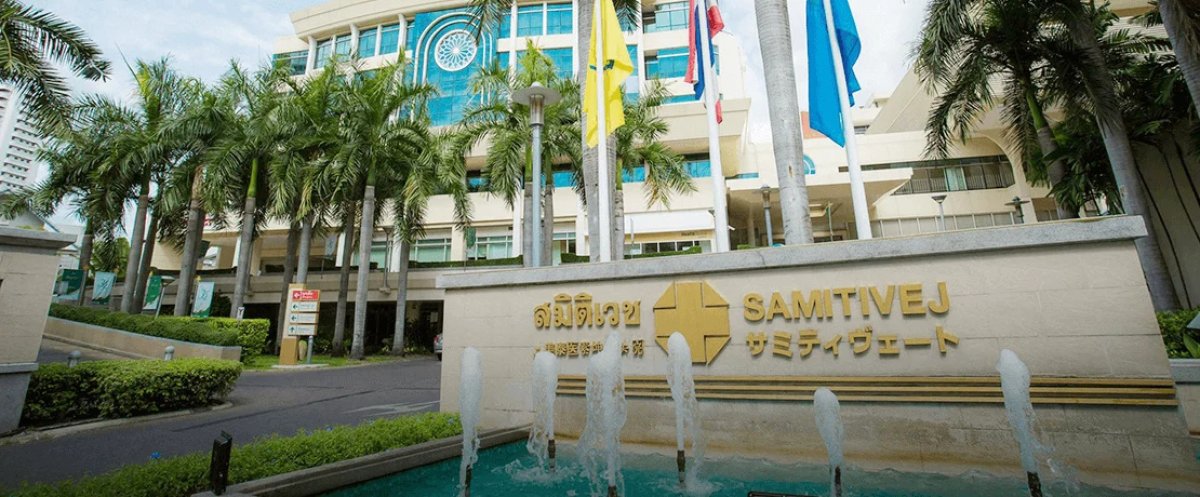
| Samitivej Hospitals Bangkok | — | Samitivej Hospitals is a JCI-accredited multispecialty group in Bangkok, Thailand. The hospital provides primary and tertiary care for adults and children. It runs 8 facilities with over 4,000 beds. Founded in 1979, the group now treats more than one million patients each year. Foreign patients make up about 40% of that volume. The medical team includes over 2,100 doctors across complex surgical fields.The pediatric oncology unit reports a 92% one-year survival rate for stem cell transplants. Gastroenterology shows a 0% perforation rate during colonoscopies. Surgeons use AI and narrow-band imaging for early cancer detection. International patients get support from interpreters in Arabic, Chinese, Japanese, and Korean. | JCI, ISAPS | — | — |
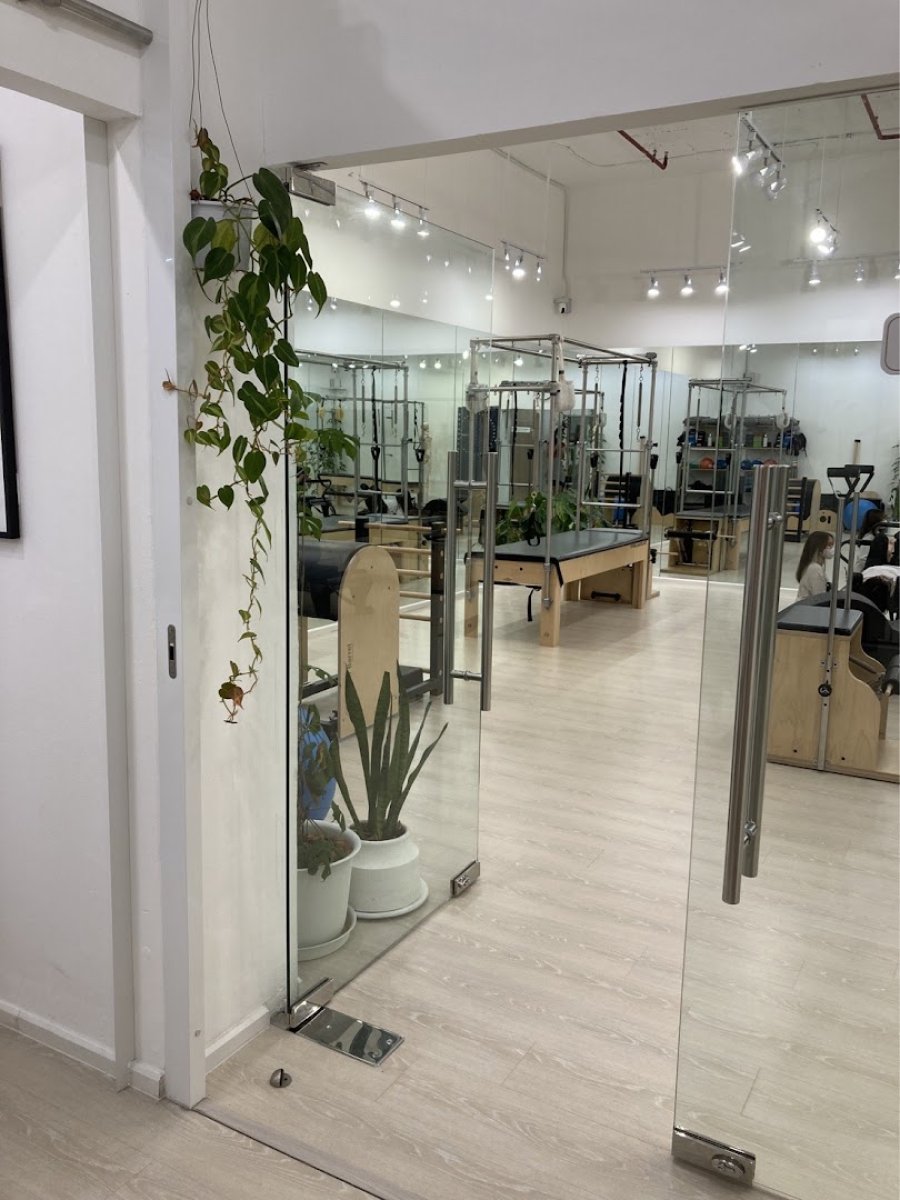
| Le Physio Clinic Bangkok | 4.8 | Le Physio Clinic is a rehabilitation center in Bangkok, Thailand. It focuses on physiotherapy and Clinical Pilates. The clinic has two branches, in the Asoke and Chidlom districts. The team treats scoliosis, chronic back pain, and Office Syndrome. A key feature is AI-powered 3D Posture Analysis. This technology checks posture without radiation or contact.The clinic opened in 2021. Licensed physical therapists supervise every rehab program. Specialist Ms. Bell holds a gold medal in physical therapy from Mae Fah Luang University. Equipment includes Peripheral Magnetic Stimulation and high-powered lasers. The team also uses radial shockwave therapy and spinal traction beds. One-on-one Pilates sessions improve mobility and body balance. | — |  Benjaporn Ngamratchada 7 years | Rehabilitation with Re-step system |
Our Doctors
View all Doctors
Dr Piya Assawaboonyadej
Dr Piya Assawaboonyadej specializes in orthopedic oncology and rehabilitation at Intrarat Hospital, with fellowship training from the University of Iowa.
- Expert in bone and connective tissue tumors
- Clinical fellowship in Orthopedic Oncology and Reconstruction
- Member of Thai Musculoskeletal Tumor Society
- Published research on arthroscopic tumor removal
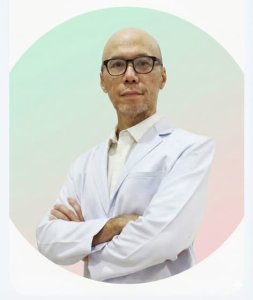
Songpoj Tanprasert
Dr. Songpoj Tanprasert specializes in Physical Medicine and Rehabilitation at Sanpiti Rehabilitation Center in Bangkok. He focuses on restoring function for patients with neurological and musculoskeletal disorders. Dr. Tanprasert builds evidence-based plans for stroke recovery and chronic pain management. He works at a specialized center treating 200 patients annually.
- Specializes in stroke rehabilitation, spinal cord injuries, and traumatic brain injury.
- Prioritizes non-surgical pain care and individualized therapeutic exercise programs.
- Performs specialized techniques including Bobath therapy and occupational therapy.
- Treats neurological conditions and post-surgical impairments in inpatient and outpatient settings.
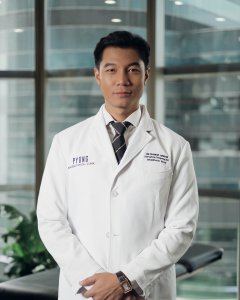
Kantaphong Thongrong
Dr. PYONG specializes in advanced neurorehabilitation, integrating robotics and wearable exoskeletons for enhanced recovery at PYONG Rehabilitation Group.
- Board-certified physiatrist with expertise in stroke recovery and chronic pain
- Pioneers non-invasive technologies like ultrasound-guided interventions
- Leads clinical research on wearable exoskeleton gait training
- Founder of a premium rehabilitation center in Bangkok
- Instructor at King Mongkut's Institute of Technology Ladkrabang

Dr Thongchai Theerajumyaporn
Specializes in advanced spine and joint rehabilitation techniques at Intrarat Hospital, including robotic-assisted and minimally invasive procedures.
- Fellowship-trained in spine surgery at UC Davis School of Medicine
- Certified in robotic-assisted spine surgery from Florida Hospital
- Expert in PRP and stem cell therapy for musculoskeletal conditions
- Published multiple research papers on spine fusion techniques
Why choose Thailand for a Rehabilitation with Re-step system
Footwear-based support for balance and walking
| Typical price | vs Thailand | |
|---|---|---|
| Thailand (this page) | $69 – $4,500 | – |
| US | from $7,500 | +10770% |
| Turkey | from $3,800 | +5407% |
Rehabilitation with Re-step system recovery timeline: what to expect week by week
You can usually fly home 1–2 days after your final session and discharge assessment, with your doctor's approval. Exercise is built into the course, and independent activity resumes within 0–2 weeks when your therapist advises. Gait gains consolidate over 3–6 months with continued home exercise, and timing depends on your diagnosis and time since onset.
Days 1–3
You’ll have an assessment and get used to the device through short sessions. Pain ranges from absent to mild, though muscle fatigue and soreness are common in the first days, and a therapist must supervise each session.
Weeks 1–2
You’ll attend daily sessions that gradually increase the workload and include gait training, or walking practice. Avoid overexertion and rest between sessions.
Weeks 3–4
Training becomes more intensive, followed by a final assessment and a home exercise program. Follow your home exercise plan, and you can usually fly home 1–2 days after your final session and discharge assessment, with your doctor's approval.
When to contact your clinic: Contact your clinic for fever with wound redness or calf swelling, pain, or warmth. Seek emergency help for chest pain or shortness of breath.
Traveling to Thailand for a Rehabilitation with Re-step system
Rehabilitation with Re-step system in Thailand: Video Reviews from Bookimed Patients
Thailand Rehabilitation with Re-step system Reviews at Bookimed: Discover Patients' Insights
View allShare this content
 Anna Leonova

FAQ about Rehabilitation with Re-step system in Thailand
What documents are required to apply for a visa to Thailand for treatment?
Visas for travel to Thailand require a number of documents. The necessary papers can be submitted 90 days before the planned departure. The list of documents includes:
- ID card
- confirmation of online registration and filling out the questionnaire
- certificate of income and availability of funds (20,000 baht per person/40,000 baht per family)
- insurance policy for a stay in Thailand (original and copy)
- 2 photos (4x6)
- visa receipt
- booking of round-trip air ticket (paid in full) and hotel
- medical opinion about the need for treatment.
What is the level of medicine in Thailand?
Healthcare is the key development sector of the Thai government. The Thai authorities are convinced that care for the citizens' health should be an absolute priority of state policy and spend about 25 billion baht for healthcare annually.
As a result, 36,673 medical facilities provide excellent medical care in the country. 64 centers in the Kingdom have certificate of JCI (Joint Commission International), the international improver of healthcare quality and safety across the globe. The index of certificates obtained is the largest. To compare, Israel has 20 JCI-accredited facilities, and Germany — only 10 clinics of this type.
When is the best time to travel to Thailand?
The main advantage of Thai resorts is the long beach season. On the east coast and west coast the climate features are different, so take it into account when planning the trip. The best time to travel is during the cool and dry season between November and early April. A large influx of tourists is in March-May, when the air temperature is +30°C.
What should you know about Thailand before the trip?
Official name | The Kingdom of Thailand |
Currency | Thai Baht (you also can pay for services in dollars) |
Best period for the trip | November-early April |
Language | Thai (most of medical staff speaks English fluently) |
Visa | is required for a trip of 3-6 months |
Time difference with Europe | 7 hours |
Time difference with the USA | 12 hours |
Capital | Bangkok |
Medical tourism center | Bangkok |
Popular resorts | Koh Samui, Phuket, Chiang Mai, Koh Chang, Hua Hin |
What hotel service is provided here?
In the Kingdom of Thailand, hotels of different price ranges and service levels are presented. The level of Thai hotels is comparable to hotels in Tunisia, Morocco or Egypt. Most tourists choose 4 and 5 star hotels with all-inclusive meals. Such hotels have everything for a comfortable stay: varied food, a large well-groomed territory, animation for children and adults. Some hotels have their own water park, which guests can use for free. Budget travelers can afford to book an economical 3-star hotel with half board or no meals at all.
Do I need a visa?
For now, the Kingdom of Thailand requires different visa regimens for diverse states. Some foreigners can stay in the country 60 days without visa control, some of them — only 14 days.
How long you can stay in Thailand and what countries can cross the border easy read here.
Last review: 11/15/2026
Fahad Mawlood — General practitioner. Winner of 4 scientific awards. Served in Western Asia. Former Team Leader of a medical team supporting Arabic-speaking patients. Now responsible for data processing and medical content accuracy.
Have a question about Rehabilitation with Re-step system in Thailand?
Ask a Bookimed medical coordinator about prices, clinics, techniques or your case. Write to us in the messenger you already use.
- Direct prices from clinics
- Free evaluation of your medical case
- Free personal assistance 24/7
Ask your question in a messenger
Tap a messenger to open a chat with a Bookimed medical coordinator.
Free and without obligation · Terms of use · Privacy policy