Rehabilitation in Thailand: costs, clinics and reviews

Last updated: Nov 23, 2026

Medically reviewed by
Fahad Mawlood
How it works
Bookimed is free for patients – clinics pay us a commission, and you pay the clinic its own price with no markup. Five steps to your rehabilitation in Thailand:
Share your case
Tell us about your condition and share your latest scans and medical reports.
Get treatment plans
Your coordinator finds clinics that match your needs and helps you choose. Your preferred clinics then send personalized treatment plans and quotes for you to compare.
Plan your trip
We set treatment dates that work for you and help arrange your flights and accommodation. If needed, we request a visa support letter from the clinic.
Visit the clinic
The clinic team starts your rehabilitation on the agreed dates. We support you throughout your trip.
Back home
You can fly home 1–3 days after treatment, with functional gains continuing over 2–6 months. Your coordinator stays in touch and helps arrange a follow-up if you need one.
Some clinics ask for a deposit. A $200 or €200 deposit paid through Bookimed comes off your clinic bill and is refundable up to 10 calendar days before your visit. A deposit paid to the clinic follows its own terms.
Rehabilitation Prices by Clinic in Thailand
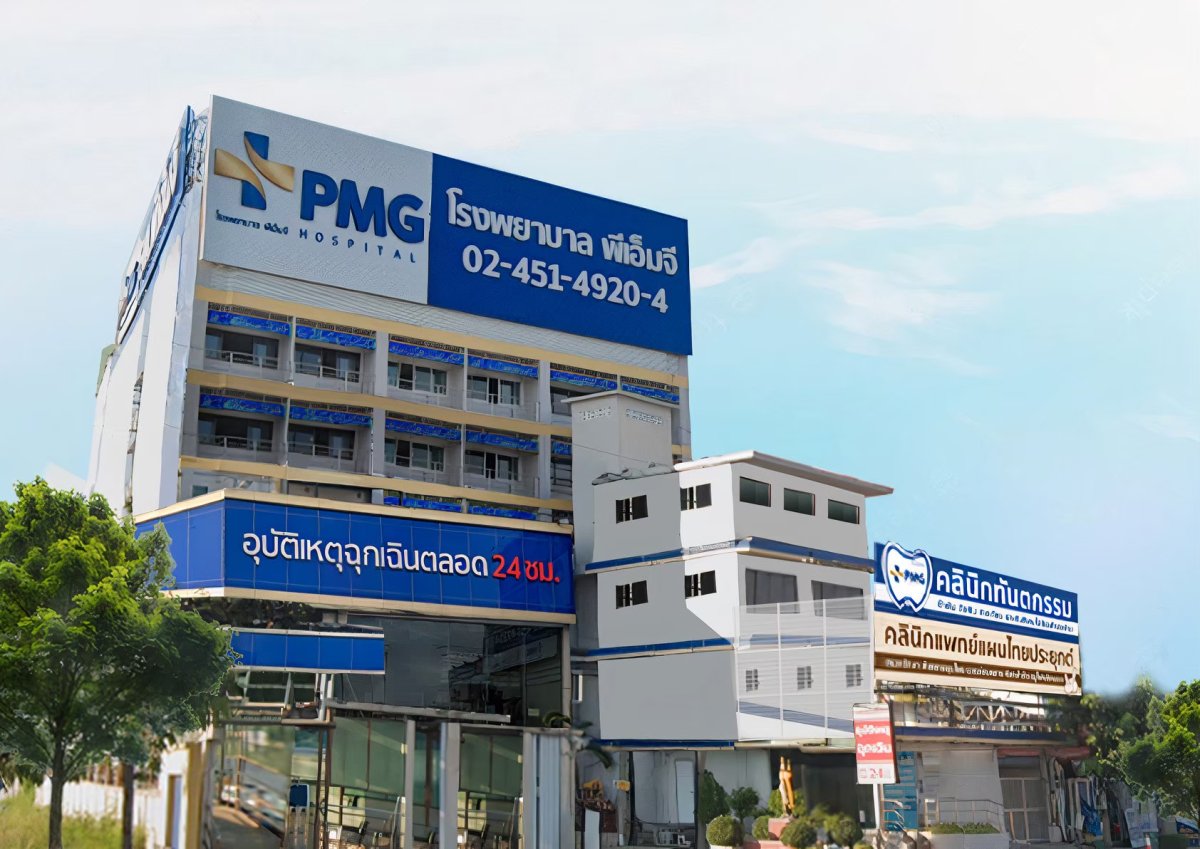


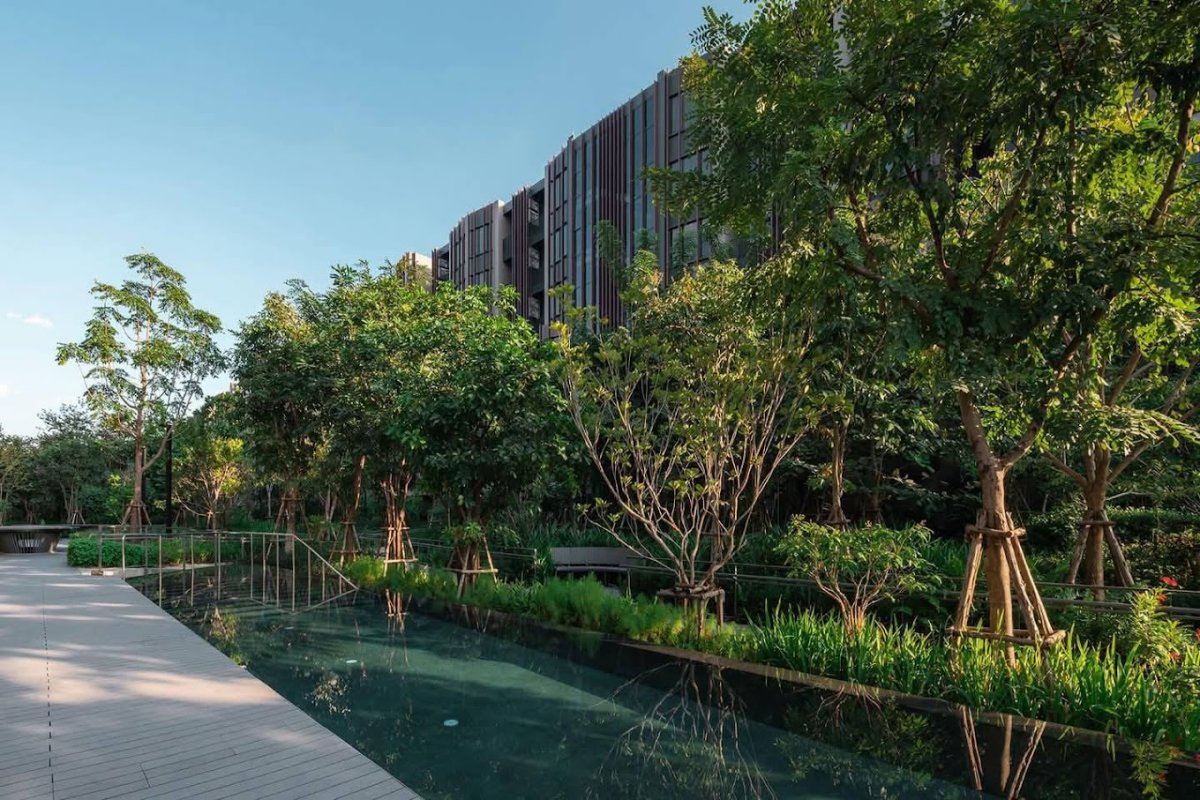
Sanpiti Rehabilitation Center
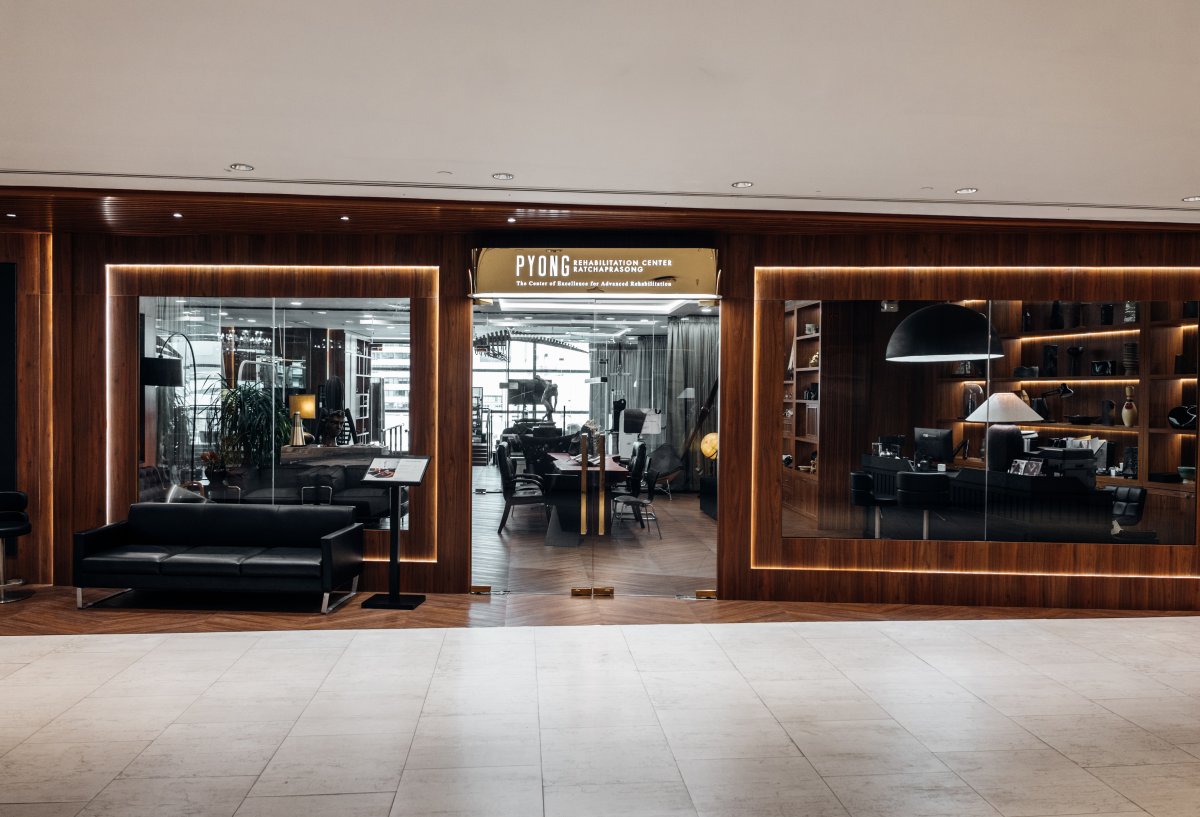
PYONG Rehabilitation Center
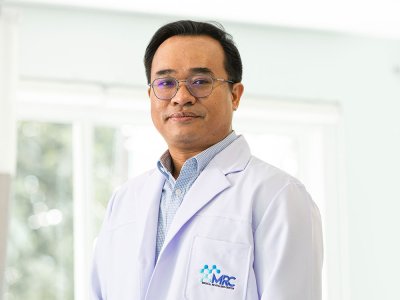
Kantaphong Thongrong
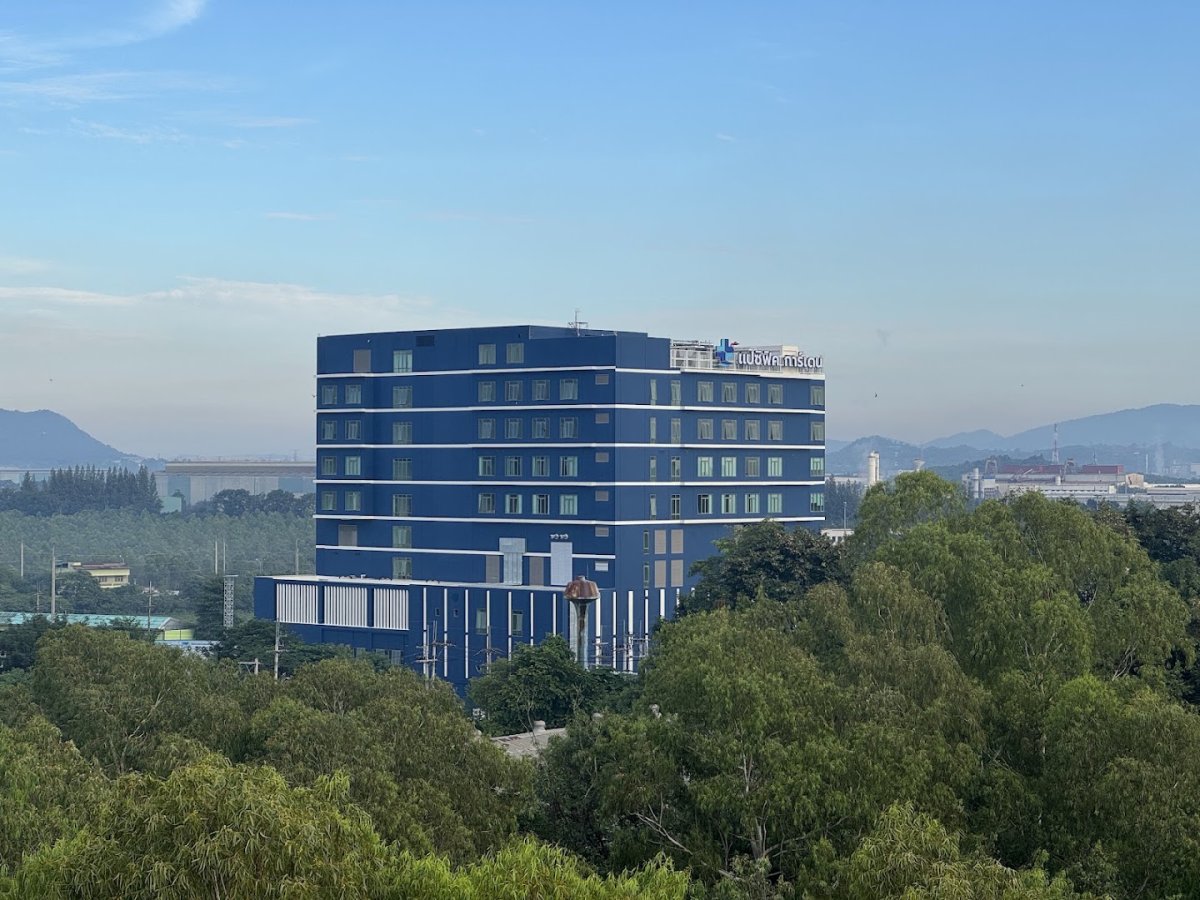
Pacific Garden Hospital
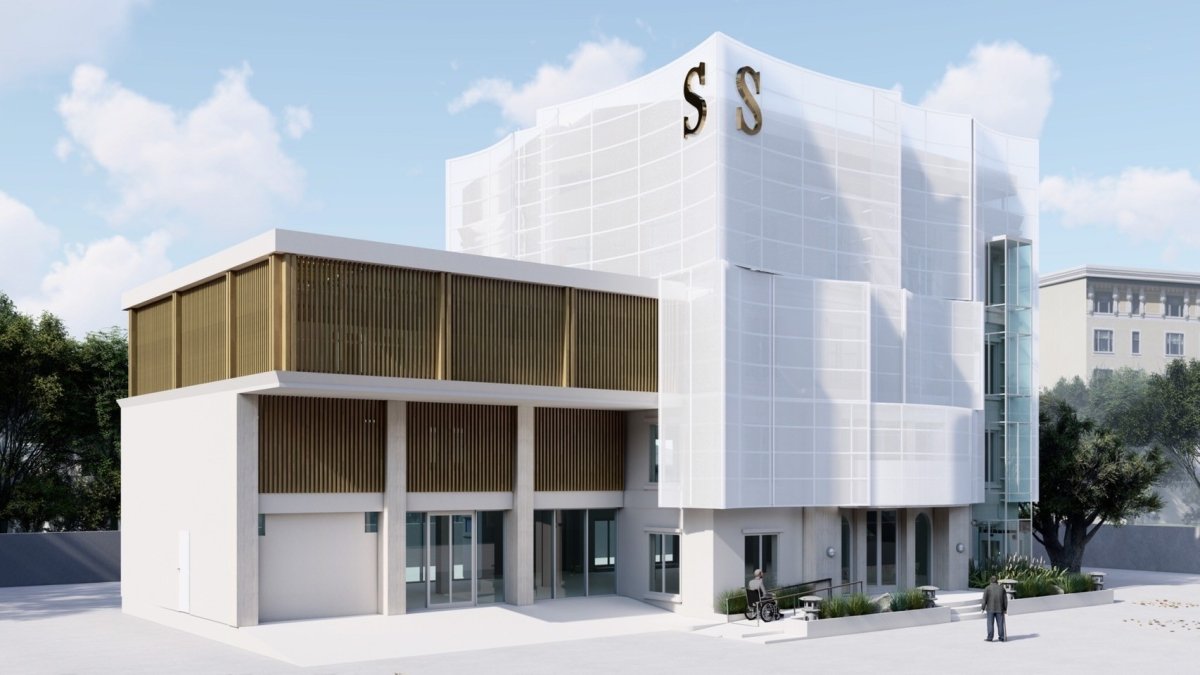
Sanpiti Rehabilitation Center
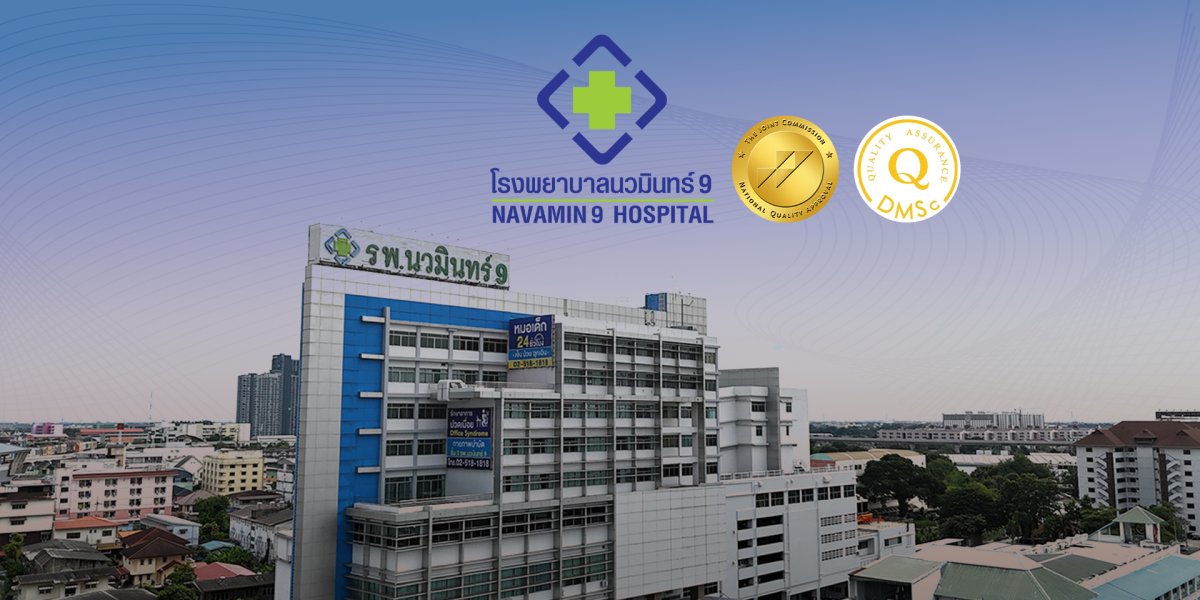




Get matched with the best doctors for Rehabilitation
Tell us about your needs — and get 3 tailored offers from top doctors for you.
What rehabilitation program are you looking for?
Direct prices from clinics
Free evaluation of your medical case
Free personal assistance 24/7
Thailand Rehabilitation overview
How much does a Rehabilitation cost in Thailand?
Rehabilitation in Thailand is estimated from $2,200 / ฿74,800 per day. The rate depends on facility tier, accommodation, therapy intensity, and included services.
Rehabilitation in Thailand is estimated from $2,200 / ฿74,800 per day. The rate depends on facility tier, accommodation, therapy intensity, and included services. In the US, this procedure costs $2,100 / ฿71,400 on average. Daily arrangements may include accommodation, meals, and core clinical care. Listed options include Bangkok, Nonthaburi, Samut Prakan, and Si Racha. Patients should confirm program inclusions before comparing daily rates.
- Facility tier. Budget, standard, and luxury settings can differ in room type, staffing, and amenities.
- Therapy intensity. More one-to-one sessions or specialist input can increase daily program costs.
- Technology. Robotic gait training, TMS, and electromagnetic stimulation may affect program pricing.
- Location. City premiums are not specified for Bangkok, Nonthaburi, Samut Prakan, or Si Racha.
Bookimed Expert Insight. A useful comparison is what each daily rate includes, not the facility label alone. Bangkok listings span general rehabilitation and technology-led neurorehabilitation. PYONG lists robotic gait training and TMS. PMG Hospital lists electromagnetic stimulation for stroke recovery. Patients can ask whether these therapies, accommodation, and daily sessions are included. Bookimed’s clinic data provides no clinic-specific rehabilitation rates.
| Thailand | Turkey | Austria | |
|---|---|---|---|
| Rehabilitation (per 1 day) | from $2,200 / ฿74,800 | from $260 / ฿8,800 | ≈ $330 / ฿11,200 |
How to choose a Rehabilitation clinic in Thailand
For rehabilitation in Thailand, narrow your clinic locations, compare operating history and facility standards, then confirm who will deliver your technique and review the provider’s plan.
What to check
Set your shortlist
Bookimed lists 17 clinics for rehabilitation in Thailand – top-ranked options are in Bangkok, Nonthaburi, and Si Racha District.Weigh clinic tenure
Top-ranked facilities have operated for a median of 6 years – use this context in your choice.Verify qualifications
Ask whether the clinic has needed equipment and meets quality and safety standards, and is licensed by the Medical Council of Thailand. Bookimed’s top-ranked clinics include 4 with JCI accreditation.Identify your clinician
At consultation, establish that the doctor present will perform the rehabilitation technique needed – ask the provider to explain the treatment, alternatives, likely outcome, risks, and follow-up.
Discover Rehabilitation Clinics in Thailand
| Clinic Name | Patient Rating | About | Accreditations | Lead Doctor | Techniques |
|---|---|---|---|---|---|
| PMG Hospital Bangkok | 5.0 (1 review) | PMG Hospital features PMS electromagnetic stimulation technology to support nerve and muscle recovery for stroke and paralysis patients. The rehabilitation department operates daily from Monday to Sunday. Specialists manage musculoskeletal, neurological, and cardiopulmonary recovery needs in one location. This private hospital in Bangkok holds Global Healthcare Accreditation for international standards. Support for international guests includes medical visa extensions, translation services, and airport transfer coordination. The facility provides 24-hour critical care and 36 dedicated patient rooms for recovery. | GHA, JCI | — | PMS electromagnetic stimulation, therapeutic exercises, bending-pull therapy, electrical stimulation, heat and cold therapy |
| Sanpiti Rehabilitation Center Bangkok | 4.9 | Sanpiti Rehabilitation Center offers intensive recovery using a triple-technology neurostimulation stack, including TMS, PMS, and ESWT. A daily program typically runs around $40. This price generally covers 2 to 4 hours of physical therapy, brain stimulation, and basic care. Patients receive 1:1 physical therapy sessions up to 3 times daily. The multidisciplinary team includes PM&R physicians and registered nurses. Functional progress is tracked every 2 weeks using the Barthel Index and Berg Balance scales to adjust the plan. | — | — | TMS, PMS, ESWT, Bobath concept |
| PYONG Rehabilitation Center Bangkok | 5.0 | PYONG Rehabilitation Center in Bangkok specializes in neurorehabilitation using robotic gait training and wearable exoskeletons to accelerate recovery. Patients benefit from advanced neurostimulation, including Transcranial Magnetic Stimulation (TMS) and NMES for pain management. The center uses a Zero-Gravity Ceiling Hoist System and VR-based cognitive therapy to support daily sessions. Every plan starts with a medical consultation and screening, including MRI or posture analysis. Located in Gaysorn Tower, the facility provides an integrated care model with multilingual support for international visitors. | — | Kantaphong Thongrong 9 years | Robotic gait training, transcranial magnetic stimulation, neuromuscular electrical stimulation, virtual reality rehabilitation |
Our Trusted Doctors
View all DoctorsKantaphong Thongrong
Dr. Thongrong integrates advanced robotics and non-invasive technologies in rehabilitation at PYONG Rehabilitation Group, enhancing neurorecovery and chronic pain management.
- Board-certified physiatrist with expertise in stroke recovery and geriatric care
- Pioneers wearable exoskeleton gait training and ultrasound-guided interventions
- Founder of a premium rehabilitation center focused on innovative therapies
- Lead instructor in clinical neurology and rehabilitation medicine at KMITL

Sirinat Phuengcharoen
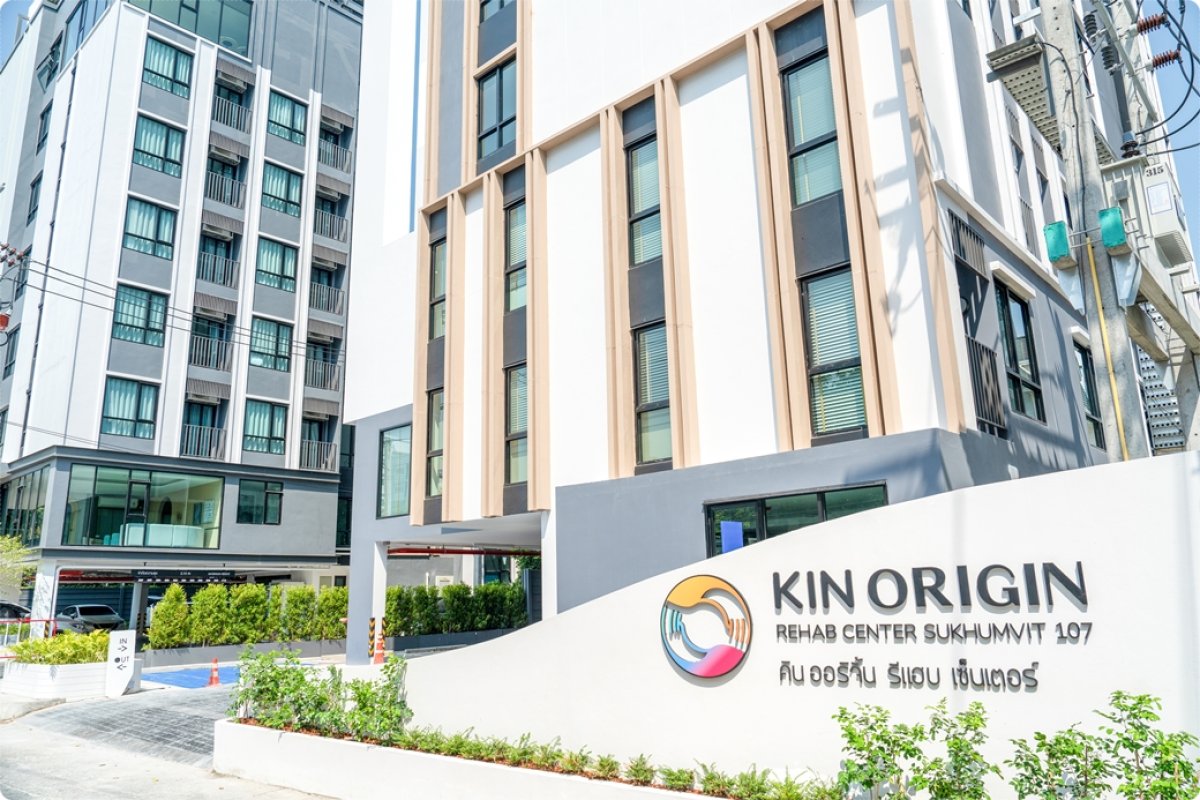
Dr. Sirinat Phuengcharoen is a neurologist at Kin Origin Rehab Center. She holds a certificate in stroke and neurovascular ultrasound. Dr. Sirinat specializes in treating stroke, dizziness, and vertigo. She works at a center where 95% of stroke patients return home within three months.
- Board-certified in neurology by the Royal College of Physicians of Thailand.
- Expert in neurological disorders and cerebral palsy rehabilitation.
- Published educational research on identifying warning signs of dizziness and vertigo.
- Practices at a specialized rehab center treating over 500 stroke patients.

Iraya Pinyoprakan
Wasan Uthai Chaloem
Why choose Thailand for a Rehabilitation
Stroke recovery with robotic gait training
| Typical price | vs Thailand | |
|---|---|---|
| Thailand (this page) | $2,200 | – |
| US | from $1,400 | −36% |
| Turkey | from $260 | −88% |
Where to get a Rehabilitation in Thailand
Bangkok has 13 clinics, giving patients Thailand’s widest choice, with options including PMS, TMS, and the Bobath concept. Chiang Mai suits patients seeking residential addiction or mental health care, with CBT, EMDR, and neurofeedback.
| City | Clinics | Popular techniques | Top clinics | Logistics & setting | Good for |
|---|---|---|---|---|---|
| Bangkok | 13 | PMS, TMS, Bobath concept | PMG Hospital – 5.0, 1 review Sanpiti Rehabilitation Center PYONG Rehabilitation Center | Major international gateway city · Suvarnabhumi Airport (BKK), about 45 minutes to city center · Don Mueang Airport (DMK), 24 km from central Bangkok | Widest choice of clinics |
| Chiang Mai | 1 | CBT, EMDR, neurofeedback | The Beekeeper House | Northern Thailand cultural city · Chiang Mai Airport (CNX), 4 km from city center | Residential mental health care |
| Nonthaburi | 1 | Electrical stimulation, hot pack therapy, hydrotherapy | MALI CARE | Riverside city near Bangkok · Don Mueang Airport (DMK), about 12 km from center | Gentle mobility rehabilitation |
A city tells you how you will travel and where you will recover, but not how your rehabilitation will go. Surgeons and clinics in the same city differ in experience and in how they handle aftercare, so choosing them matters just as much as choosing the city.
Rehabilitation recovery timeline: what to expect week by week
You can usually fly home 1–3 days after your last program day, once your physician confirms you are medically stable and fit to travel. You may return to work 14–90 days after the full program, depending on your diagnosis, job demands, and functional progress. Unsupervised exercise usually resumes after 4–12 weeks once your therapist clears you, with timing depending on your diagnosis and surgical healing. Functional gains may continue for 2–6 months after discharge with home exercises, while neurological recovery may take longer.
Day 1
You have an assessment, set goals, and begin gentle therapy. Mild to moderate muscle soreness or fatigue may follow sessions, so intensity is adjusted to your tolerance. Follow therapist limits on weight bearing and range of motion.
Weeks 1–2
You have daily physiotherapy and occupational therapy, with intensity increasing gradually as you progress through the program. Avoid strenuous activity outside supervision.
Weeks 3–4
You progress to functional and strength training and receive a home exercise plan. Avoid heavy lifting until cleared. A rehabilitation physician reassesses your progress 14–28 days after discharge, often by teleconsultation.
Months 2–3
You continue an independent home program and gradually return to normal activities. Return to sport only after clearance. A local therapist or physician may review your functional outcome and home program after 60–90 days.
When to contact your clinic: Contact your clinic if you develop a fever over 101°F or worsening pain. A red, swollen, or draining wound also warrants a call to your clinic. For chest pain or sudden breathlessness after a long flight, seek emergency help locally.
Is a Rehabilitation in Thailand safe?
Traveling to Thailand for a Rehabilitation
Rehabilitation in Thailand: Video Reviews from Bookimed Patients
Thailand Rehabilitation Reviews at Bookimed: Discover Patients' Insights
View allShare this content
 Anna Leonova

FAQ about Rehabilitation in Thailand
What is the recommended length of stay for a residential rehabilitation program?
A residential rehabilitation program typically requires 30 to 90 days for effective recovery, with 90 days considered the gold standard for long-term success. Extended stays of 6 months or more are recommended for chronic relapse patterns or complex neurological conditions requiring intensive robotic gait training and specialized physical therapy.
- Foundational reset: 30-day programs focus on medical stabilization, detox, and establishing basic clinical coping skills.
- Psychological healing: 60-day programs provide necessary time to address underlying trauma and deeper emotional issues.
- Recovery success: 90-day programs nearly double success metrics by allowing brain healing and habit formation.
- Specialized care: Neuro-rehabilitation for stroke recovery often requires 90 days for significant functional gains.
Bookimed Expert Insight: Thailand’s unique daily pricing structure, ranging from $2,200, allows for unmatched flexibility compared to fixed Western contracts. Clinics like Kin Origin Rehab Center report a 95.9% recovery rate for stroke patients specifically within a 90-day window, emphasizing that clinical outcomes peak when patients stay beyond the initial 60-day mark.
Patient Consensus: While 30 days serves as a standard entry point, many patients find this duration insufficient and prefer extending their stay. The affordable daily costs in Thailand make 60-to-90-day commitments a practical reality for those seeking a sustainable recovery foundation.
Is a private room provided during inpatient rehab, or will I share accommodation?
Inpatient rehabilitation in Thailand typically offers private rooms for international patients, especially within premium facilities in Bangkok and Samut Prakan. While standard local care may involve shared wards, specialized centers like Kin Origin Rehab Center prioritize private VIP rooms to ensure comfort during long-term neuro-rehabilitation.
- Room type: Most private rehabilitation centers provide single-occupancy suites with en-suite bathrooms.
- Luxury options: High-end facilities offer private villas or executive suites for added seclusion.
- Clinical monitoring: Some post-surgical units use semi-private rooms to allow for constant medical supervision.
- Package inclusions: VIP rooms are often bundled into comprehensive 90-day neuro-rehabilitation programs.
Bookimed Expert Insight: Data shows a clear trend where newer facilities like PYONG Rehabilitation Group focus on private, modern settings. While a 90-day VIP package at Kin Origin costs 17,600 USD, it achieves a 95.9% recovery rate. Private rooms in these specialized centers are standard, not an upsell, helping patients avoid the noise of 200-bed general hospitals.
Patient Consensus: Patients recommend confirming single-room status in writing before arrival to avoid surprises. Private accommodation is highly valued for reducing stress and improving sleep during the intensive recovery process.
Last review: Nov 23, 2026
Fahad Mawlood — General practitioner. Winner of 4 scientific awards. Served in Western Asia. Former Team Leader of a medical team supporting Arabic-speaking patients. Now responsible for data processing and medical content accuracy.
Have a question about Rehabilitation in Thailand?
Ask a Bookimed medical coordinator about prices, clinics, techniques or your case. Write to us in the messenger you already use.
- Direct prices from clinics
- Free evaluation of your medical case
- Free personal assistance 24/7
Ask your question in a messenger
Tap a messenger to open a chat with a Bookimed medical coordinator.
Free and without obligation · Terms of use · Privacy policy