Removal of duodenal polyp in Thailand: costs, clinics and reviews
Bookimed lists 3 removal of duodenal polyp clinics in Thailand, in Bangkok and Pattaya, including ISO-certified and JCI-accredited clinics. These clinics are rated 4.6/5 in 138 verified patient reviews on Bookimed.

Last updated: Nov 17, 2026

Medically reviewed by
Fahad Mawlood
How it works
Bookimed is free for patients – clinics pay us a commission, and you pay the clinic its own price with no markup. Five steps to your duodenal polyp removal in Thailand:
Share your case
Tell us about your condition and share your recent medical reports and endoscopy images.
Get treatment plans
Your coordinator finds clinics that match your needs and helps you choose. Your preferred clinics then send personalized treatment plans and quotes for you to compare.
Plan your trip
We set treatment dates that work for you and help arrange your flights and accommodation. If needed, we request a visa support letter from the clinic.
Visit the clinic
The clinic team performs your duodenal polyp removal on the agreed dates. We support you throughout your trip.
Recover at home
You fly home after 3–5 days in Thailand, with results confirmed in 3–6 months. Your coordinator stays in touch and helps arrange a follow-up if you need one.
Some clinics ask for a deposit. A $200 or €200 deposit paid through Bookimed comes off your clinic bill and is refundable up to 10 calendar days before your visit. A deposit paid to the clinic follows its own terms.
Removal of duodenal polyp Prices by Clinic in Thailand











Get matched with the best doctors for Removal of duodenal polyp
Tell us about your needs — and get 3 tailored offers from top doctors for you.
Do you have any medical records related to your issue?
Direct prices from clinics
Free evaluation of your medical case
Free personal assistance 24/7
Thailand Removal of duodenal polyp overview
Cost and clinics
| Typical removal of duodenal polyp price in Thailand | Clinics | Accreditations | Cities | Removal of duodenal polyp surgeons |
|---|---|---|---|---|
| $1,800 / ฿61,200–$3,200 / ฿108,800 | 3 clinics | ISO (3 clinics), JCI (3), GHA (1), TEMOS (1) | Bangkok (2 clinics), Pattaya (1) | 4 surgeons |
The procedure
| Before the trip | Time in Thailand | Operation time | Anesthesia | Back to desk work | Final result |
|---|---|---|---|---|---|
| Arrange blood tests and stop blood thinners, fast 6–8 hours, bring an escort | 3–5 days, including 1–2 nights in hospital | 30–90 minutes | Sedation or general anesthesia | 2–7 days | 3–6 months |
How much does a Removal of duodenal polyp cost in Thailand?
Removal of duodenal polyp in Thailand typically costs from $1,800 / ฿61,200 to $3,200 / ฿108,800. The final price depends on the polyp size, the number of growths, and the surgical technique used.
Removal of duodenal polyp in Thailand typically costs from $1,800 / ฿61,200 to $3,200 / ฿108,800. The final price depends on the polyp size, the number of growths, and the surgical technique used. In the US, similar procedures cost around $6,700 / ฿227,800 on average. Patients save around 63% compared to the US. Costs usually include the endoscopy, specialist fees, and basic facility charges.
- Hospital tier: Premium international centers in Bangkok typically cost 20-30% more than regional facilities.
- Technique complexity: Advanced endoscopic mucosal resection (EMR) for larger polyps requires specialized tools and instrumentation.
- Anesthesia type: Deep monitored anesthesia care or general anesthesia increases the operating room and specialist fees.
- Histopathology fees: Lab analysis for biopsy results is often billed separately from the base procedural package.
Bookimed Expert Insight: Choosing JCI-accredited hubs like Bumrungrad International Hospital provides elite value for complex gastrointestinal cases. Their GI suites utilize advanced technologies like capsular endoscopy and IBM Watson for oncology. While top-tier Bangkok clinics have higher base rates, they often bundle international patient services. For example, Sikarin Hospital includes free airport transfers and language assistance for English speakers. This offsets logistical costs that regional clinics might bill separately.
| Thailand | Turkey | Austria | |
|---|---|---|---|
| Removal of duodenal polyp | ≈ $1,800 / ฿61,200 | ≈ $1,300 / ฿44,200 | ≈ $2,400 / ฿81,600 |
How to choose a Removal of duodenal polyp clinic in Thailand
For removal of duodenal polyp in Thailand, narrow the clinic list by location, consult the treating professional, confirm who performs the procedure, and assess qualifications and facility standards.
What to check
Narrow by city
Bookimed lists 3 clinics for removal of duodenal polyp in Thailand – compare options in Bangkok and Pattaya.Prepare your records
Provide the complete file for assessment before removal of duodenal polyp, then speak directly with the treating professional and ask questions.Confirm who operates
Ask whether the professional you consult will perform removal of duodenal polyp, and request examples of experience with similar procedures and results.Assess credentials and facility
Ask whether the treating professional is licensed by the Medical Council of Thailand, and whether clinic standards meet your expectations.
Discover Removal of duodenal polyp Clinics in Thailand
| Clinic Name | Patient Rating | About | Accreditations | Lead Doctor | Techniques |
|---|---|---|---|---|---|
| Bumrungrad International Hospital Bangkok | 4.6 (131 reviews) | Bumrungrad International Hospital is a JCI-accredited facility treating over 1 million patients annually, including international patients from 190+ countries. Dr. Yongyut Sirivatanauksorn specializes in gastrointestinal procedures with expertise in duodenal polyp removal. The hospital operates advanced endoscopy suites for precise polyp resection. | ISO, JCI, GHA | Colonoscopy, Consultation with a proctologist | |
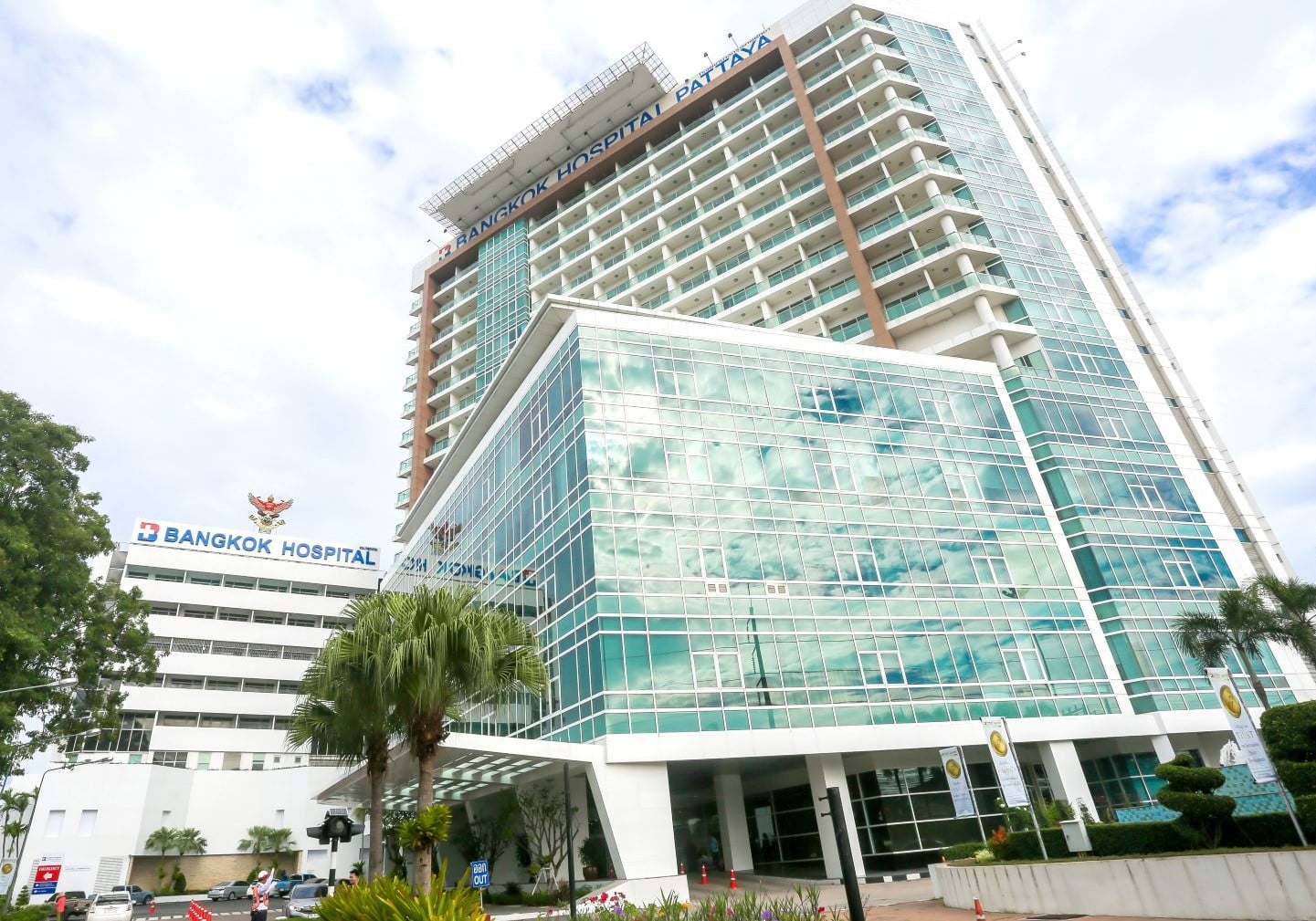
| Bangkok Hospital Pattaya Pattaya | 4.0 | Forty percent of international medical tourists pick Bangkok Hospital Pattaya. It treats over 400,000 patients yearly from 150 countries and holds JCI accreditation. Part of the Bangkok Dusit Medical Services group, its top specialties are cardiology and cosmetic surgery. Heart Center performs coronary bypass surgery without a heart-lung machine. Received the Prime Minister's Export Award for services to international patients. Digital Mammogram with Tomosynthesis offers 2D and 3D breast imaging in 10 seconds with less pain. 128-Slice CT scans coronary arteries in 4 seconds with 90% accuracy. Accredited by TEMOS and certified under ISO 9001 by TÜV NORD. | JCI, ISO, TEMOS | — | — |
| Sikarin Hospital Bangkok | 4.1 (7 reviews) | Sikarin Hospital is a JCI and ISO-accredited hospital in Bangkok serving over 255,000 patients each year. It specializes in plastic surgery, orthopedics, gastroenterology, and cardiovascular surgery. Since 1993, its 17 specialized centers treat about 700 patients daily. 128-slice CT scanner for brain, blood vessels, lungs, and intestines. On-site MRI and mammography available. Cardiovascular center with catheterization lab handles angioplasty, heart valve replacement, and pacemaker surgery. Computer-navigated knee and hip joint replacement with hypoallergenic metal and plastic endoprostheses. Gastroenterology uses capsular endoscopy – a swallowable tablet instead of a gastric catheter. Free airport transfers and free language assistance for Arabic, Chinese, English, French, and Japanese patients. | ISO, JCI | — | — |
Our Doctors
View all Doctors
Pichai Kittipanyaworakul
Dr. Kittipanyaworakul specializes in gastroenterology and hepatology, with advanced training from Thailand's top hospitals.
- Board-certified in gastroenterology and hepatology
- Trained at Chulalongkorn Memorial and Ramathibodi Hospitals
- Focuses on digestive system procedures
- Currently practices at Intrarat Hospital
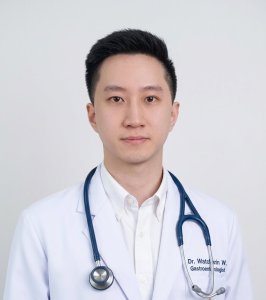
Watcharin Wichapolchaiyakul
Dr. Watcharin Wichapolchaiyakul is a board-certified gastroenterologist and internal medicine specialist at Siriraj Hospital, Mahidol University in Bangkok. He completed a gastroenterology fellowship and internal medicine board training at Siriraj. He received his MD from the Faculty of Medicine Siriraj Hospital. He graduated with First Class Honors (GPA 3.90).
His clinical expertise includes Helicobacter pylori infection, gastric mucosal disorders, and drug-induced liver injury. He has presented research at Digestive Disease Week in Chicago. His work covers gastric microbiota in CagA-positive and CagA-negative H. pylori. It also includes gene-guided N-acetylcysteine for prevention of anti-tuberculous drug-induced hepatitis. He is a member of GAT, the AGA Institute, the Medical Council of Thailand, and RCPT.

Premkamol Patraithikul
Dr. Premkamol Patraithikul is a general surgeon with advanced training in minimally invasive techniques. Dr. Patraithikul earned an M.D. from Khon Kaen University. Dr. Patraithikul completed a residency in general surgery at Thammasat University. Dr. Patraithikul completed a fellowship in laparoscopic surgery at Mahidol University (Siriraj Hospital) in Thailand.
Clinical expertise includes laparoscopic and robotic surgery. Practice also covers general surgery, obesity and weight‑management surgery, and surgery for gastrointestinal conditions.

Pichai Kittipanyaworakul
Specializes in gastroenterology with advanced training from top Thai hospitals – Dr. Kittipanyaworakul focuses on precise digestive procedures.
- Trained at Ramathibodi Hospital – a leading center for gastroenterology
- Diploma in Gastroenterology and Hepatology from Mahidol University
- Performs diagnostic and therapeutic endoscopic procedures
Where to get a Removal of duodenal polyp in Thailand
Bangkok has more clinics than Pattaya , giving patients more choice for duodenal polyp removal in Thailand. Direct flights from London and Suvarnabhumi Airport, 25 km from central Bangkok, can make travel easier for international patients.
Removal of duodenal polyp recovery timeline: what to expect week by week
You can usually fly home after 3–5 days in Thailand, with your surgeon’s approval, if you have no bleeding or severe pain. You may return to desk work in 2–7 days, though a large polyp or delayed bleeding can mean a longer break. You can usually resume exercise after 1–2 weeks, avoiding heavy lifting and strenuous activity until the site heals. Your final result is expected in 3–6 months, when surveillance endoscopy checks whether the polyp was completely removed.
Days 0–1
You’ll be observed at the clinic and start with clear liquids, moving to soft food if stable. Mild abdominal discomfort and bloating may last 1–3 days. Avoid driving and heavy lifting.
Days 2–14
Advance from soft foods toward normal meals, avoiding strenuous exercise, NSAIDs, and alcohol. Histology is reviewed after 7–14 days, sometimes remotely. You may fly home after 3–5 days in Thailand with your surgeon’s approval once you have no bleeding or severe pain.
Weeks 2–4
The resection site is healed, and histology (lab examination of the polyp) is reviewed as surveillance is planned.
When to contact your clinic: Contact your clinic for heavy bleeding or clots, severe abdominal pain, or fever with feeling unwell. For chest pain or sudden breathlessness after a long flight, seek emergency help locally.
Is a Removal of duodenal polyp in Thailand safe?
Traveling to Thailand for a Removal of duodenal polyp
Removal of duodenal polyp in Thailand: Video Reviews from Bookimed Patients
Thailand Removal of duodenal polyp Reviews at Bookimed: Discover Patients' Insights
View all
Share this content
 Anna Leonova

FAQ about Removal of duodenal polyp in Thailand
What documents are required to apply for a visa to Thailand for treatment?
Visas for travel to Thailand require a number of documents. The necessary papers can be submitted 90 days before the planned departure. The list of documents includes:
- ID card
- confirmation of online registration and filling out the questionnaire
- certificate of income and availability of funds (20,000 baht per person/40,000 baht per family)
- insurance policy for a stay in Thailand (original and copy)
- 2 photos (4x6)
- visa receipt
- booking of round-trip air ticket (paid in full) and hotel
- medical opinion about the need for treatment.
What is the level of medicine in Thailand?
Healthcare is the key development sector of the Thai government. The Thai authorities are convinced that care for the citizens' health should be an absolute priority of state policy and spend about 25 billion baht for healthcare annually.
As a result, 36,673 medical facilities provide excellent medical care in the country. 64 centers in the Kingdom have certificate of JCI (Joint Commission International), the international improver of healthcare quality and safety across the globe. The index of certificates obtained is the largest. To compare, Israel has 20 JCI-accredited facilities, and Germany — only 10 clinics of this type.
When is the best time to travel to Thailand?
The main advantage of Thai resorts is the long beach season. On the east coast and west coast the climate features are different, so take it into account when planning the trip. The best time to travel is during the cool and dry season between November and early April. A large influx of tourists is in March-May, when the air temperature is +30°C.
What should you know about Thailand before the trip?
Official name | The Kingdom of Thailand |
Currency | Thai Baht (you also can pay for services in dollars) |
Best period for the trip | November-early April |
Language | Thai (most of medical staff speaks English fluently) |
Visa | is required for a trip of 3-6 months |
Time difference with Europe | 7 hours |
Time difference with the USA | 12 hours |
Capital | Bangkok |
Medical tourism center | Bangkok |
Popular resorts | Koh Samui, Phuket, Chiang Mai, Koh Chang, Hua Hin |
What hotel service is provided here?
In the Kingdom of Thailand, hotels of different price ranges and service levels are presented. The level of Thai hotels is comparable to hotels in Tunisia, Morocco or Egypt. Most tourists choose 4 and 5 star hotels with all-inclusive meals. Such hotels have everything for a comfortable stay: varied food, a large well-groomed territory, animation for children and adults. Some hotels have their own water park, which guests can use for free. Budget travelers can afford to book an economical 3-star hotel with half board or no meals at all.
Do I need a visa?
For now, the Kingdom of Thailand requires different visa regimens for diverse states. Some foreigners can stay in the country 60 days without visa control, some of them — only 14 days.
How long you can stay in Thailand and what countries can cross the border easy read here.
Last review: Nov 17, 2026
Fahad Mawlood — General practitioner. Winner of 4 scientific awards. Served in Western Asia. Former Team Leader of a medical team supporting Arabic-speaking patients. Now responsible for data processing and medical content accuracy.
Have a question about Removal of duodenal polyp in Thailand?
Ask a Bookimed medical coordinator about prices, clinics, techniques or your case. Write to us in the messenger you already use.
- Direct prices from clinics
- Free evaluation of your medical case
- Free personal assistance 24/7
Ask your question in a messenger
Tap a messenger to open a chat with a Bookimed medical coordinator.
Free and without obligation · Terms of use · Privacy policy