To homepage

How it works

Bookimed is free for patients – clinics pay us a commission, and you pay the clinic its own price with no markup. Five steps to your stem cell treatment for diabetes in Thailand:

  1. Share your case

    Tell us about your diabetes and share your diagnosis summary and recent blood test results.

  2. Get treatment plans

    Your coordinator finds clinics that match your needs and helps you choose. Your preferred clinics then send personalized treatment plans and quotes for you to compare.

  3. Plan your trip

    We set treatment dates that work for you and help arrange your flights and accommodation.

  4. Visit the clinic

    The clinic team starts your stem cell treatment for diabetes on the agreed dates. We support you throughout your trip.

  5. Back home

    You can fly home 2–7 days after treatment, with any changes appearing over 3–6 months. Your coordinator stays in touch and helps arrange a follow-up if you need one.

Some clinics ask for a deposit. A $200 or €200 deposit paid through Bookimed comes off your clinic bill and is refundable up to 10 calendar days before your visit. A deposit paid to the clinic follows its own terms.

1M+ patient inquiries
32+ countries
3,234 partner clinics
12,472 certified doctors

Diabetes mellitus treatment with stem cells Prices by Clinic in Thailand

Get matched with the best doctors for Diabetes mellitus treatment with stem cells

Tell us about your needs — and get 3 tailored offers from top doctors for you.

Do you have any medical records related to your issue?

Direct prices from clinics

Free evaluation of your medical case

Free personal assistance 24/7

Thailand Diabetes mellitus treatment with stem cells overview

Cost and clinics

Typical diabetes mellitus treatment with stem cells price in ThailandClinicsAccreditationsCitiesDiabetes mellitus treatment with stem cells doctorsDoctor experience
$9,700 / ฿329,800–$17,000 / ฿578,00010 clinicsISO (2 clinics), GHA (1), JCI (1)Bangkok (2 clinics), Phuket (0)5 doctors~100% of doctors have 10+ years of practice (median 14 years)

The procedure

Before the tripTime in ThailandOperation timeAnesthesiaBack to desk workFinal result
Stabilize glucose and review insulin plan; review HbA1c, C-peptide and autoantibody results; screen for infection and kidney function; stop blood thinners as advised; fast on harvest day if instructed; avoid anti-inflammatory drugs before harvest2–7 days, including up to 1 night in hospital2–4 hoursLocal2–7 days3–6 months

How much does a Diabetes mellitus treatment with stem cells cost in Thailand?

In Thailand, diabetes mellitus treatment with stem cells is listed from $9,700 / ฿329,800 to $17,000 / ฿578,000. The final quote may depend on the clinic, cell therapy method, and any additional therapies.

Data verified by Bookimed as of November 2026, based on patient requests and official quotes from 39 clinics worldwide. Median costs are based on real invoices (2025–2026) and updated monthly. Actual prices may vary.

How to choose a Diabetes mellitus treatment with stem cells clinic in Thailand

For diabetes mellitus treatment with stem cells in Thailand, narrow clinic options, compare starting quotes, match the treating clinician, ask about clinic credentials, and read patient reviews.

What to check

  • Choose a city

    Bookimed lists 10 clinics for diabetes mellitus treatment with stem cells in Thailand – the top-ranked ones are in Bangkok and Phuket.
  • Set a budget

    Align offers for the same treatment scope: the highest starting clinic quote is about 1.7 times the lowest.
  • Confirm the performer

    At consultation, ask whether that clinician will carry out your needed technique and request similar-case outcomes from them – listed treating doctors have a median of 14 years of practice.
  • Verify authorization

    Ask whether the clinic is licensed by the Medical Council of Thailand. Among Bookimed's top-ranked clinics, 3 have international accreditation such as JCI or ISO.
  • Read patient reviews

    Look beyond ratings for comments on the doctor, care, and trip, and confirm who will handle aftercare and urgent complications at home.

Discover Diabetes mellitus treatment with stem cells Clinics in Thailand

Clinic NamePatient RatingAboutAccreditationsLead DoctorTechniques
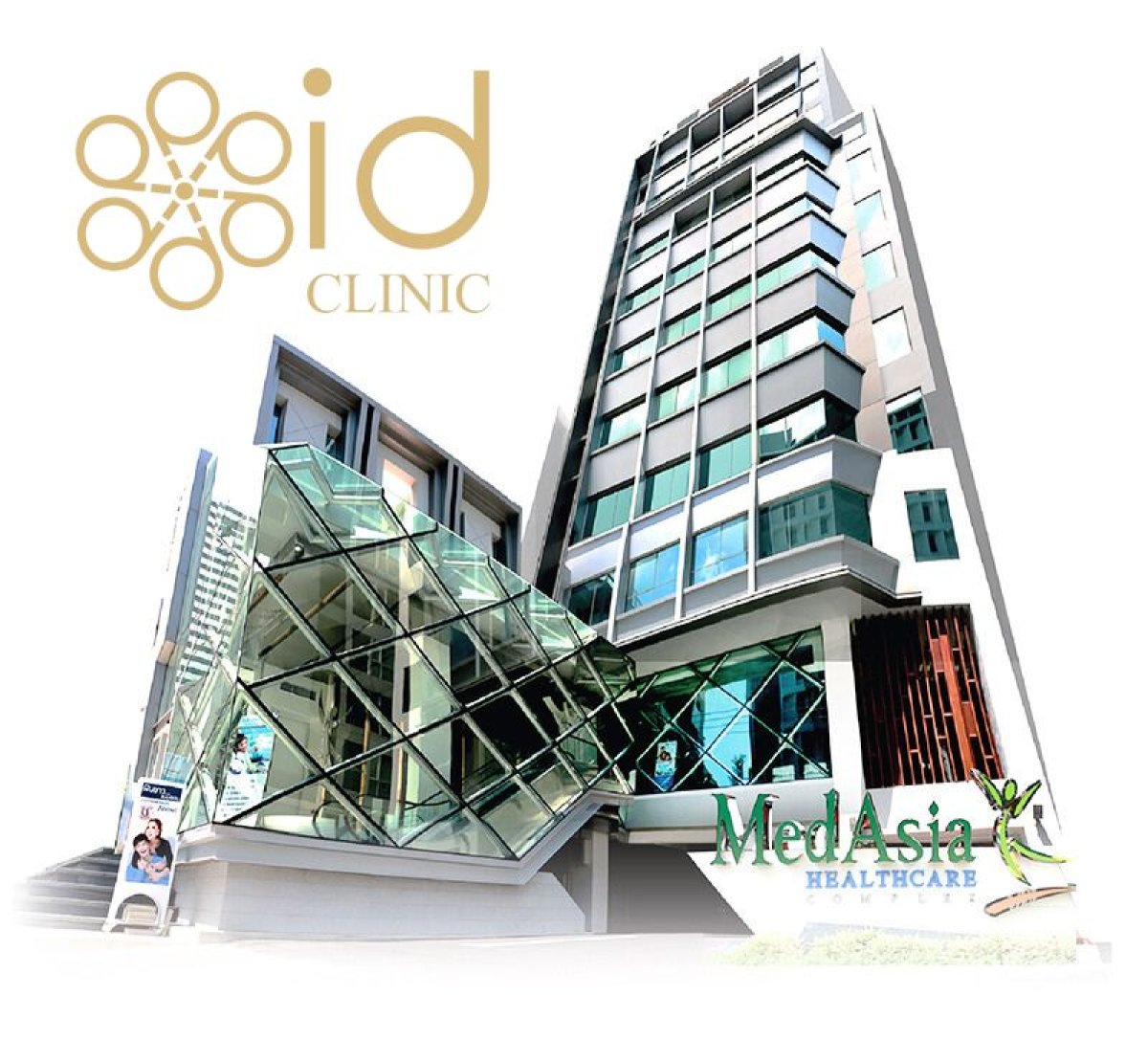
ID Clinic Bangkok

Bangkok

4.4 (137 reviews)

Dr. Phatcharasak Kraisornphongsakul has performed over 20,000 stem cell procedures in his 33-year career, specializing in regenerative medicine. The treatment may cost around $7,000 – typically covering 50 million MSCs, comprehensive blood tests, doctor consultations, medications, and hotel accommodation. The clinic operates an ISO-certified clean-room laboratory for stem cell processing and holds recognition from the Royal College of Surgeons Thailand.

—Intravenous injection of umbilical cord-derived mesenchymal stem cells (MSCs), 50 million cell dose
Vega Clinic

Bangkok

4.4 (3 reviews)

Dr. Chollawat Thongthaisin has performed 900+ stem cell treatments with 7 years of expertise in regenerative medicine. Diabetes treatment at Vega Clinic may cost around $13,000–23,550 – typically covering stem cell therapy, 3 days hospitalization, 7 days hotel stay, and VIP transfers. The clinic specializes in personalized stem cell programs targeting diabetes management.

ISOUC-MSC therapy, fresh non-frozen UC-MSCs
Panacee Hospital Rama 2 - Integrative Chronic Disease & Regenerative Center

Bangkok

5.0 (2 reviews)

Dr. Ohm Sudchumphae has performed 900+ regenerative treatments over 14 years, specializing in diabetes care with stem cells. The treatment may cost around $12,500, typically covering 20 million MSC cells and an individualized program. The clinic holds ISO 9001:2015 certification with a 98% patient recommendation rate. Dr. Ohm focuses on immune modulation and beta cell regeneration through IV-administered stem cells.

ISOMSC therapy, intravenous (IV) drip

Our Doctors

View all Doctors
Ohm Sudchumphae
verified

Ohm Sudchumphae

14 years of experience

Dr. Ohm Sudchumphae is a regenerative medicine specialist at Panacee Hospital Rama 2 in Bangkok. He holds a Master’s in Clinical Nutrition and Integrative Medicine. Dr. Ohm is currently pursuing a Doctorate in Psychology. He specializes in combining cell therapy, IV nutrition, and medicinal herbology for chronic conditions.
  • Certified by the American Board of Nutritional Wellness.
  • Maintains certification as an integrative oncology physician.
  • Performs stem cell rejuvenation therapy and ozone therapy for longevity.
  • Treats complex cases including cancer rehabilitation and functional gastroenterology.
Sarunya Yutthagovit
verified

Sarunya Yutthagovit

15 years of experience

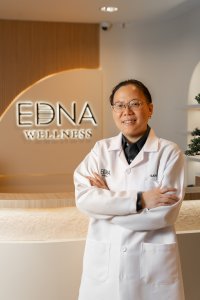
Dr. Sarunya Yuthagovit is a neurosurgeon at EDNA Wellness in Bangkok. She specializes in neurovascular surgery and cerebral revascularization. She treats high-complexity cases like moyamoya disease and intracranial aneurysms. Dr. Yuthagovit also heads the neurology and stem cell programs at the clinic.

  • Specializes in microsurgical techniques for spinal dural arteriovenous fistulas.
  • Developed training programs for neurosurgical residents and neurological nurses.
  • Oversees integrative care focusing on stem cell and rejuvenation therapies.
  • Works at an ISO-certified clinic that partners with GMP-certified laboratories.
Natthaphon  Srithurawanit
verified

Natthaphon Srithurawanit

11 years of experience

Dr. Natthaphon Srithurawanit is a regenerative medicine specialist at Mali Interdisciplinary Hospital in Bangkok. He integrates conventional and precision medicine to treat chronic non-communicable diseases. Dr. Srithurawanit focuses on reducing healing times through restorative techniques at a GHA-accredited facility.

  • Performs stem cell therapy for tissue repair and anti-aging rejuvenation.
  • Conducts aesthetic procedures including PRP therapy, Botox, and laser treatments.
  • Provides precision medical screenings including basic and premium health check-ups.
  • Works at an AACI-accredited hospital serving 50,000 international patients annually.

Is a Diabetes mellitus treatment with stem cells right for you?

Stem cell therapy for diabetes is a cell-based option alongside conventional diabetes care. Clinics in Thailand may consider it for people with type 1 or type 2 diabetes. It may also be considered when standard treatment does not control blood sugar well.

Stem cell therapy for diabetes may suit you if:

  • You have type 1 diabetes.
  • You have type 2 diabetes.
  • Your blood sugar remains poorly controlled despite standard treatment.

Consider another option or wait if:

  • You have an active infection.
  • You have cancer now or have had cancer before.
  • You are pregnant or breastfeeding.
  • You have severe heart, kidney, or liver disease that is not under control.
  • You have a bleeding disorder or cannot stop blood thinners for an invasive treatment route.
  • You have a weakened immune system or a condition that raises your infection risk.

If your diabetes medicines do not control your blood sugar, insulin therapy may be an alternative. If you have type 2 diabetes and want to change your habits first, diet and lifestyle changes may help.

Before you book:

  • Prepare your fasting glucose results.
  • Prepare your insulin level results.
  • Prepare your urine albumin test results.
  • Ask: “How do my diabetes type and blood sugar control affect my candidacy?”
  • Ask: “How will you assess my test results and health conditions?”

Bookimed helps you find clinics and pass on your records and questions. The clinic's doctor reviews them and decides whether stem cell therapy for diabetes suits you.

Why choose Thailand for a Diabetes mellitus treatment with stem cells

Cell-based options alongside conventional chronic-disease care

Typical pricevs Thailand
Thailand (this page)$9,700 – $17,000–
US from $15,000+55%
Turkey from $7,200−26%

Where to get a Diabetes mellitus treatment with stem cells in Thailand

In Thailand, Bangkok has 2 clinics, giving patients the widest choice of stem cell approaches, with treatment prices from $9,700 / ฿329,800. As the capital, Bangkok may suit patients who prefer a city-based stay, with Suvarnabhumi Airport 30 km from the city center.

Diabetes mellitus treatment with stem cells recovery timeline: what to expect week by week

You can usually fly home 2–7 days after your last infusion, with your doctor's approval once fever, harvest-site bleeding, and infusion reactions are excluded. You may return to desk work 2–7 days after the infusion course, but fever, fatigue, or an invasive delivery route can delay it. Light activity can resume after 1–2 weeks once the harvest site settles, while strenuous exercise waits until it heals. Any change in insulin needs or HbA1c may appear gradually over 3–6 months, and response varies with diabetes type and remaining beta-cell function, meaning how well your insulin-making cells work.

  1. Days 1–7

    Your own cells are harvested, processed, and infused through a vein, sometimes in two infusions, while your glucose is monitored. Keep the harvest site dry and avoid heavy lifting. With your doctor's approval, you can fly home 2–7 days after the last infusion once fever, harvest-site bleeding, and infusion reactions are excluded.

  2. Weeks 1–4

    Harvest-site soreness usually settles during weeks 1–4. Your physician adjusts insulin as glucose changes, while you continue prescribed diabetes medication and avoid strenuous exercise for 1–2 weeks.

  3. Months 1–6

    Your care team tracks glucose control and C-peptide, a substance measured in your blood that helps show how much insulin your body makes, for gradual change. Do not stop insulin without medical advice.

When to contact your clinic: Contact your clinic for fever, worsening redness, or severe nausea or vomiting. Shortness of breath or facial swelling needs emergency care.

Traveling to Thailand for a Diabetes mellitus treatment with stem cells

Plan to stay in Thailand for 2–7 days, including up to 1 night in hospital, after the procedure and before your flight home. US and UK passport holders can stay in Thailand without a visa for up to 30 days. A planned medical stay longer than 60 days may need a non-immigrant visa.

When What happens
Before the procedure Arrival, consultation and agreed tests
1–3 days after Check-up
2–7 days after Flight home
Later Second trip

Before you fly

  • Visa. US and UK passport holders can stay in Thailand without a visa for up to 30 days. A planned medical stay longer than 60 days may need a non-immigrant visa. US travelers must register online before arrival. Foreign visitors must complete an arrival card.
  • Passport. The US State Department strongly recommends that your US passport be valid for at least six months beyond arrival in Thailand. Your UK passport must expire at least six months after arrival and have at least 1 blank page.
  • Medicines. US travelers should carry prescription medicine in original packaging with doctor's prescription. Some UK medicines' legal status or regulation can differ in Thailand. Hospitals and pharmacies usually accept UK prescriptions.
  • Hand luggage. Bring HbA1c, fasting glucose, C-peptide, insulin, and diabetes autoantibody results, a diabetes type and diagnosis date summary, kidney function and urine albumin tests, and your insulin and diabetes medication list.

Getting there and staying

  • Airports. Suvarnabhumi Airport (BKK) is 30 km from the city center. Don Mueang Airport (DMK) is 23 km from the Grand Palace.
  • Flight time. Bangkok is about 9,600 km from London, with about 11–12 hours of flying. It is about 13,900 km from New York, with about 16–17 hours. A connection adds time.
  • Emergency. In a medical emergency, call 191 and ask for an ambulance.

When to go

  • Weather. In Bangkok, average daytime highs are about 31 °C in September–January and about 35 °C in April–May. May–October are the wettest months, with 100 mm of rain or more.
  • Season. The relatively drier, milder season is better for a recovery trip. The hot, rainy season can be harder because of heat and heavy rain, especially in the wettest months.

Insurance and changes

  • Health insurance. Medicare and Medicaid do not apply overseas. US travelers should make sure their health insurance provides coverage overseas. UK travelers cannot use a UK GHIC or EHIC in Thailand.
  • Hospital payment. Some Bookimed partner clinics require a deposit to book the date. All hospitals in Thailand require a guarantee of payment before treatment.

Flying home

  • Take home. Take your discharge summary, medication list, and follow-up instructions home after treatment abroad.

Diabetes mellitus treatment with stem cells in Thailand: Video Reviews from Bookimed Patients

Dayana
I combined my vacation in Antalya with a check-up.
Procedure: Female check-up
Igor
It was great! Transfers, accommodation, treatment—all included.
Procedure: Dental Implant
Marina
Bookimed did everything for me. I didn't have to worry about anything.
Procedure: Female check-up

Thailand Diabetes mellitus treatment with stem cells Reviews at Bookimed: Discover Patients' Insights

View all
Anonymous • Diabetes mellitus treatment with stem cells
United Kingdom
Sep 9, 2026
Verified review.
I would definitely recommend this clinic to anyone who needs stem cells
It was a very good experience overall, and I would definitely recommend this clinic to anyone who needs stem cells. The treatment involved two sessions. It's still early, but I am feeling about as expected. I really appreciated that my doctor explained the realistic expectations for my specific type of diabetes, and it was a relief that there were no additional expenses beyond the quoted price. The clinic has stayed in touch. My main advice for anyone considering this is to book adequate time in the country and ask as many questions as you possibly can before arriving.
Ralph Cochran • Stem Cell Therapy
United States of America
Mar 28, 2026
Verified review.
The team followed through on every detail discussed
Sitting in the consultation room while the surgeon explained the precise use of 50-100 million umbilical cord stem cells gave me a clear sense of the technical path ahead. Fifteen days after the treatment, I am already noticing some improvement in my overall physical state. The application was smooth, and I experienced no injection site reactions or inflammatory flare-ups afterward. Recovery is just beginning. Every interaction with the clinic staff was handled with professional efficiency, ensuring that the logistical side of the medical travel was as controlled as the procedure itself. It is important to stay patient during this early window while the body starts to respond to the cells. The team followed through on every detail discussed.
Anonymous • Stem Cell Therapy
Oct 16, 2024
Verified review.
Things seem to go smoothly, no problems
Things seem to go smoothly, no problems, I'd like to be known in the reviews as gjj987,, because I am mostly private person
Can you put me down as gjj987 as I am a mostly private person, thank you
About Bookimed service
Well I won't know how successful the procedure has been until 1 year from now but here's hoping
Kjetil Oksavik • Stem Cell Therapy
Norway
Apr 13, 2025
Verified review.
I had no measured effect from the treatment with stem cells. 60.0 mill. once.
About Bookimed service
I don not think that Bookimed is a guarantee of the quality of the clilic.
Doreen Foo • Stem Cell Therapy
Singapore
Dec 30, 2024
Verified review.
It was a terrible experience which I never want to go through again. Upon arrival at the hospital, the consultant , Jeab who led me there was not present to receive me. Instead I was attended by the medical sstaff who flatly shot down the agreed quotations offered by Jeab and even said they do not need the VDO anymore so they could not offer me what Jeab did and I was told I had to pay 3 times the proce of what I was offered before. Consequent to the price dispute, there were lots of bleak moments between the consultant and the medical staff internally then I was made to wait for over two hours then they suddenly reversed to ask for VDO compromised on an agreed price. I repeated said no to revealing my face for the VDO and the secretary Kimmy assured me my face will not be shown on camera. Prior to seeing the doctor, I was told to made payment first. For every doctor consultation, I had to go to the cashier to complete the payment and I was seeing two different doctors meant I had to repeat same process twice touring the entire medical centre so many times. What was most stupid was that I was never informed that I had to pay out of pocket for the Covid-9 test which I deem really unfair when there was konsixh prior information and they just dumped all the hidden cost on me. I only did the arm Vader+body tite along with pick laser for vaginal and I was made to go from building to building spending 7 hours there the entire day is really uncalled for!!!

Share this content

Updated: 11/12/2026
Authored by
Anna LeonovaAnna Leonova
Anna Leonova
Head of Content Marketing Team
A certified medical writer with 10+ years of experience, developed Bookimed’s trusted content, backed by a Master’s in Philology and medical expert interviews worldwide.
Fahad Mawlood
Fahad Mawlood
Medical Editor & Data Scientist
General practitioner. Winner of 4 scientific awards. Served in Western Asia. Former Team Leader of a medical team supporting Arabic-speaking patients. Now responsible for data processing and medical content accuracy.
Fahad Mawlood Linkedin
This page may feature information relating to various medical conditions, treatments, and healthcare services available in different countries. Please be advised that the content is provided for informational purposes only and should not be construed as medical advice or guidance. Please consult with your doctor or a qualified medical professional before starting or changing medical treatment.

FAQ about Diabetes mellitus treatment with stem cells in Thailand

Is stem cell therapy legal and regulated in Thailand?

Stem cell therapy is legal in Thailand and regulated by the Ministry of Public Health and the Thai Food and Drug Administration. Clinics must adhere to Advanced Therapy Medicinal Product (ATMP) frameworks, utilizing Good Manufacturing Practice (GMP) certified laboratories for processing umbilical cord-derived or autologous cells.

  • Regulatory bodies: Thai FDA and Medical Council oversee practitioner licensing and biological product registration.
  • Facility requirements: Procedures must occur in licensed hospitals or specialized regenerative medicine centers.
  • Cell sourcing: Regulations strictly control sourcing, focusing on mesenchymal stem cells from umbilical cords.
  • Provider credentials: Specialists like those at R3 Life Wellness Center hold American Board certifications.

Bookimed Expert Insight: While many clinics claim high success rates, top-tier facilities distinguish themselves through specific associations. Centers like R3 Life Wellness Center are certified by the Thai Cell Therapy Association, while others like The Demarest Clinic follow American Association of Blood Banks (AABB) standards. Aligning with these specific international or national associations is a stronger quality signal than general licensing alone.

Patient Consensus: Patients emphasize the need to verify clinic licensing directly through the Ministry of Public Health. They recommend obtaining written confirmation of cell concentrations and processing methods to ensure treatment transparency and safety.

What are the risks of stem cell therapy for diabetes?

Stem cell therapy for diabetes carries serious medical risks including tumor formation, immune system rejection, and severe infections. Most procedures remain experimental, with unregulated treatments posing life-threatening hazards like graft-versus-host disease (GVHD). High blood sugar can also cause transplanted cells to fail or die prematurely.

  • Oncogenic risk: Improperly programmed cells may proliferate uncontrollably, potentially forming benign or malignant tumors.
  • Immune complications: The body may reject donor cells or experience aggressive graft-versus-host disease.
  • Infection hazards: Compromised immune systems or contaminated cell lines increase risks of severe bacterial infections.
  • Regulatory gaps: Many clinics operate outside authorized clinical trials, lacking standard safety and purity verification.

Bookimed Expert Insight: Patient safety depends heavily on cellular processing standards rather than just the surgical facility. Look for clinics like The Demarest Clinic in Phuket that maintain American Association of Blood Banks (AABB) certifications. This specific technical accreditation is a rarity in the region and serves as a vital safeguard against cell contamination and genetic mutations.

Patient Consensus: Patients emphasize the need to verify credentials through official Thai medical boards rather than relying on website testimonials. Many warn that aggressive marketing of a cure is a major red flag for unproven experimental treatments.

Is stem cell therapy a cure for diabetes?

Stem cell therapy is not a universal or permanent cure for diabetes. While clinical trials show milestones like reversing insulin dependence in specific cases, it remains an experimental treatment. In Thailand, clinics offer mesenchymal stem cell infusions focused on immunomodulation rather than growing new pancreatic cells.

  • Available techniques: Clinics use mesenchymal stem cells (MSCs) from fat, bone marrow, or umbilical cord.
  • Clinical status: Therapy is experimental and not approved as standard care by international regulatory bodies.
  • Delivery methods: Treatments include intravenous (IV) infusions or local injections for targeted cellular delivery.
  • Specialized expertise: Centers like R3 Life Wellness Center hold Thai Cell Therapy Association certifications.

Bookimed Expert Insight: Thai clinics often leverage global lab networks, such as AABB-certified processes found at The Demarest Clinic. This ensures high-quality stem cell culturing for regenerative protocols. However, patients should prioritize clinics where endocrinologists like Dr. Anyarat Vichayawannakul oversee the underlying metabolic health during these procedures.

Patient Consensus: Patients often notice temporary blood sugar stability due to reduced inflammation. However, many report returning to previous insulin levels within six months once the initial effects fade.

What results can I expect from diabetes stem cell therapy?

Diabetes stem cell therapy in Thailand aims to restore insulin production and improve cellular sensitivity. Patients typically experience stabilized blood glucose levels and improved C-peptide markers. Many individuals significantly reduce their daily insulin dependence, occasionally achieving temporary remission through mesenchymal stem cell infusions and regenerative protocols.

  • Insulin dependence: Some patients reduce daily insulin needs from 50u to 10u.
  • Glucose stability: HbA1c levels often improve from 9% to approximately 6.5%.
  • Cellular repair: Intravenous infusions target pancreatic repair and enhance systemic insulin sensitivity.
  • Provider credentials: Specialists at R3 Life Wellness Center hold American Board (ABAARM) certifications.

Bookimed Expert Insight: Thai wellness centers specialize in integration over isolated procedures. While clinics like The Demarest Clinic utilize AABB-certified processes for cell handling, the best results appear when therapy is combined with intensive preventive care. Centers often utilize mesenchymal stem cells from umbilical cord tissue specifically to target systemic inflammation and pancreatic regeneration.

Patient Consensus: Many patients notice improved blood sugar control for six to twelve months rather than permanent cures. While some reduce medication significantly, most emphasize that results require ongoing lifestyle management and potentially repeat treatments to maintain progress.

How long do the effects of the treatment last?

The effects of stem cell therapy for diabetes in Thailand usually persist for 6 months to 3 years. Results vary based on disease severity and treatment response. Maintaining a strict diet and exercise routine significantly extends the duration of improved blood glucose control and insulin sensitivity.

  • Maintenance requirements: Stem cell effects are temporary and often require retreatment to sustain results.
  • Variable durability: Some patients report sustained benefits for 18 months or longer.
  • Clinical oversight: Specialist endocrinologists like Dr. Anyarat Vichayawannakul manage these metabolic treatment phases.
  • Regulatory standards: Top facilities like R3 Life Wellness Center hold American Board (ABAARM) certifications.

Bookimed Expert Insight: Thai clinics like R3 Life Wellness Center and STC Clinic increasingly combine cellular therapy with regenerative programs. Our data shows clinics collaborating with global stem cell banks often provide more documented follow-up. Always request written 12-month patient data rather than accepting vague long-term promises.

Patient Consensus: Most patients emphasize that results depend on lifestyle choices after the procedure. Many advise budgeting for potential repeat sessions as therapeutic benefits naturally decline over time.

Is the therapy effective for both Type 1 and Type 2 diabetes?

Stem cell therapy in Thailand targets both Type 1 and Type 2 diabetes by utilizing regenerative medicine. It aims to repair damaged pancreatic beta cells in Type 1 patients and improve insulin sensitivity and glucose uptake for those with Type 2 diabetes.

  • Cellular mechanism: Mesenchymal stem cells assist in regenerating insulin-producing pancreatic tissues.
  • Type 1 focus: Therapy works to modulate the immune system and protect remaining beta cells.
  • Type 2 focus: Treatment addresses chronic inflammation and helps lower systemic insulin resistance.
  • Safety standards: Clinics in Bangkok and Phuket follow international regenerative medicine protocols.

Bookimed Expert Insight: While basic stem cell treatments start at $1,000, most successful outcomes in Thailand come from clinics like R3 Life Wellness Center. Their team is certified by the American Board of Anti-Aging and Regenerative Medicine (ABAARM). Choosing a center with specialized cellular rejuvenation certifications ensures higher quality protocols than general aesthetic clinics.

Patient Consensus: Patients often mention improved energy levels and more stable blood sugar readings after treatment. Many appreciate the comprehensive approach that includes DNA testing to tailor the regeneration process to their specific genetic profile.

What types of stem cells are used?

Clinics in Thailand primarily use mesenchymal stem cells (MSCs) for diabetes mellitus treatments. These multipotent cells are typically harvested from umbilical cord tissue, adipose tissue, or bone marrow. Specialized centers often utilize allogeneic cells from umbilical cord tissue due to their high viability and low immune rejection risk.

  • Mesenchymal stem cells: Multipotent cells sourced from adipose tissue, bone marrow, or umbilical cords.
  • Allogeneic umbilical tissue: Common source providing high-concentration MSCs without requiring invasive patient harvesting.
  • Hematopoietic stem cells: Used occasionally for immune system resetting, typically sourced from bone marrow.
  • Laboratory Engineering: Induced pluripotent stem cells remain limited to research and are not clinically available.

Bookimed Expert Insight: Thai clinics like R3 Life Wellness Center and The Demarest Clinic distinguish themselves by using cells certified by the American Association of Blood Banks (AABB). While many facilities offer adipose-derived cells, the most sophisticated programs capitalize on umbilical cord MSCs. These provide a higher cell count, often reaching 100–200 million units per infusion, which is critical for systemic immune modulation.

Patient Consensus: Patients frequently highlight that while umbilical-derived cells are convenient, they vary in quality. Many recommend requesting specific lab reports on cell viability and passage numbers to ensure the treatment is effective.

Last review: 11/12/2026

Fahad Mawlood
Content meets the Bookimed Editorial Policy and is medically reviewed by

Fahad Mawlood — General practitioner. Winner of 4 scientific awards. Served in Western Asia. Former Team Leader of a medical team supporting Arabic-speaking patients. Now responsible for data processing and medical content accuracy.

Get a free consultation

Have a question about Diabetes mellitus treatment with stem cells in Thailand?

Ask a Bookimed medical coordinator about prices, clinics, techniques or your case. Write to us in the messenger you already use.

  • Direct prices from clinics
  • Free evaluation of your medical case
  • Free personal assistance 24/7

Ask your question in a messenger

Tap a messenger to open a chat with a Bookimed medical coordinator.

Free and without obligation · Terms of use · Privacy policy