Umbilical cord stem cell therapy in Thailand: costs, clinics and reviews
Umbilical cord stem cell therapy in Thailand costs $1,000 / ฿34,000 to $1,600 / ฿54,400, about 85% less than the US average of $8,500 / ฿289,000 (Bookimed data, November 2026). Most packages include airport transfers and a doctor consultation. Bookimed lists 5 umbilical cord stem cell therapy clinics in Thailand, all in Bangkok, including ISO-certified clinics. These clinics are rated 4.4/5 in 137 verified patient reviews on Bookimed.
Bookimed is free for patients – clinics pay us a commission, and you pay the clinic its own price with no markup. Five steps to your umbilical cord stem cell therapy in Thailand:
Share your case
Tell us about your condition and share your medical reports and latest scans.
Get treatment plans
Your coordinator finds clinics that match your needs and helps you choose. Your preferred clinics then send personalized treatment plans and quotes for you to compare.
Plan your trip
We set treatment dates that work for you and help arrange your flights and accommodation.
Visit the clinic
The clinic team starts your umbilical cord stem cell therapy on the agreed dates. We support you throughout your trip.
Back home
You can fly home 1–3 days after treatment, and benefits may develop over 3–6 months. Your coordinator stays in touch and helps arrange a follow-up if you need one.
Some clinics ask for a deposit. A $200 or €200 deposit paid through Bookimed comes off your clinic bill and is refundable up to 10 calendar days before your visit. A deposit paid to the clinic follows its own terms.
1M+ patient inquiries
32+ countries
3,234 partner clinics
12,472 certified doctors
Umbilical cord stem cell therapy Packages in Thailand
Most umbilical cord stem cell therapy packages in Thailand include the procedure, a video or text consultation, and consultations. Flights, hotel stays, and medications are usually paid for separately.
This treatment combines 10 million MSCs with a PRP session using the Ycellbio system, which concentrates platelets 7–9 times above baseline. Doctor Pongwat Polpong, with training from Siriraj Hospital and Germany's International Neuroscience Institute, leads the therapy at EDNA Wellness. The clinic enjoys a 98% recommendation rate from patients. The all-inclusive package, priced at about $3,080, covers the physician consultation and the PRP session.
Data verified by Bookimed as of November 2026, based on patient requests and official quotes from 36 clinics worldwide. Median costs are based on real invoices (2025–2026) and updated monthly. Actual prices may vary.
How to choose a Umbilical cord stem cell therapy clinic in Thailand
For umbilical cord stem cell therapy in Thailand, compare clinic locations, starting quotes, and package inclusions – confirm who performs the procedure, assess credentials, then review outcomes and patient feedback.
What to check
City shortlist
Bookimed lists 7 clinics for umbilical cord stem cell therapy in Thailand – top-ranked options are in Bangkok and Phuket.
Review cost range
Compare clinic quotes for the same treatment scope: the highest starting quote is about 1.6 times the lowest.
Choose package details
Bookimed lists 12 options, each including a hotel stay and airport transfers – compare whether a follow-up visit or warranty is included.
Match doctor and technique
At consultation, confirm your physician performs the procedure, not an assistant – ask who handles each step and review your history for suitability. Doctors have a median 18 years of practice.
Confirm credentials
Ask whether the physician is licensed by the Medical Council of Thailand – 4 top-ranked clinics have international accreditation such as JCI or ISO.
Read patient reviews
Look beyond the score for comments about the physician, care, and trip – review the provider’s prior outcomes, including expected outcomes and success or failure rates.
Discover Umbilical cord stem cell therapy Clinics in Thailand
Dr Phatcharasak Kraisornphongsakul brings 34 years of experience with 20,000 procedures performed in plastic surgery. The 50 million umbilical cord MSC IV injection typically costs around $7,000, covering medical checks, lab tests, treatment, post-care, 3-night hotel stay, and transfers. The Royal College-accredited clinic combines his expertise with an orthopedic stem-cell specialist's precision. Every treatment uses ethically sourced cells under strict quality standards.
Dr. Chollawat Thongthaisin specializes in regenerative medicine with 7 years of experience and has performed 900+ stem cell therapies. Umbilical cord stem cell therapy may cost around $5,000, typically covering the procedure, 1-day hospital stay, and VIP transfers. The clinic uses personalized dosing with 1-2 million MSCs per kg body weight. Dr. Chollawat is certified by the American Board of Regenerative Medicine and serves international patients at Vega Clinic in Bangkok.
Panacee Hospital specializes in GMP-certified umbilical cord stem cell therapy with a holistic approach to regenerative medicine. Prof. Somsak Varakamin, President of the Thai Cell Therapy Association and former Permanent Secretary of Thailand's Ministry of Public Health, leads the program. Treatment typically costs between $10,000–$30,000. The center combines stem cell therapy with integrative approaches like detoxification and anti-aging treatments.
Inspire IVF is a fertility clinic in Bangkok's Ploenchit–Sukhumvit district, Thailand, specializing in IVF, ICSI, IUI, and preimplantation genetic testing (PGT). Accredited by AACI (USA), TEMOS (Germany), GHA, and ISO 9001, the clinic's team of specialists, with over two decades of experience, reports a 78% success rate, above Thailand's national average of 50%.
The clinic treats adult patients, serving around 385 patients a year from across Asia, the Middle East, and beyond.
He Clinic Bangkok is a private medical center in Bangkok's Thonglor district dedicated exclusively to men's health. It holds a full medical license and is registered as a Medical Cannabis Clinic. Its core specialty is men's health, covering sexual health, hair restoration, and minor surgeries. Offers hyaluronic acid penile enlargement and BoCox™ for penile enhancement. Stem cell therapy and focused shockwave therapy for erectile dysfunction. Direct Hair Implantation (DHI) and stem cell treatments for hair restoration. Also provides no-scalpel vasectomy, selective dorsal neurectomy, and blepharoplasty.
The Demarest Clinic specializes in umbilical cord stem cell therapy with AABB-certified cell processing protocols. Dr. Tatiana Zhelninova-Bosch, MD, PhD, brings 33 years of expertise in regenerative medicine, having trained at elite institutions worldwide and led clinical trials at Hadassah Medical Center. The clinic offers advanced cellular therapies including mesenchymal stem cells derived from umbilical cord tissue, supported by a dedicated medical laboratory.
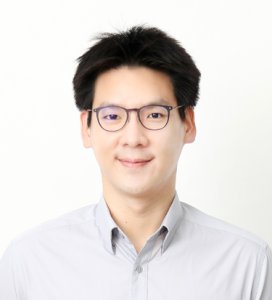
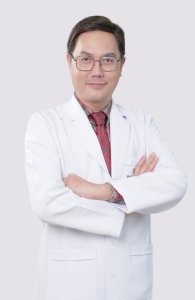
Dr. Theeracha Wuttiphan is an orthopedic surgeon at ID Clinic Bangkok. He specializes in arthroscopic knee surgery, spine surgery, and joint replacements. Dr. Wuttiphan is a pioneer in using stem cell therapy for arthritis and chronic joint pain. He treats complex conditions like scoliosis, hip fractures, and ankylosing spondylitis.
Performs knee and hip replacements and arthroscopic meniscus repair.
Provides stem cell injections for arthritis, back pain, and knee pain.
Served as a spine surgeon at Rajavithi Hospital and Poulo Memorial Hospital.
Practices at ID Clinic, which maintains a 95% success rate for stem cell treatments.
9 years of experience • 10000+ treatments performed
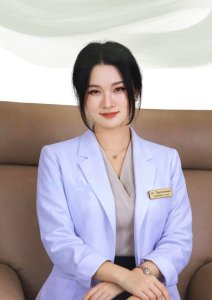
Dr. Bee Thamonwan is an aesthetic and regenerative medicine specialist at Plenary Wellness in Phuket. She focus on natural rejuvenation using stem cells and collagen-boosting biostimulators. Dr. Thamonwan earned her medical degree from the Medical University of Lublin in Poland. She speaks Thai, English, and Chinese fluently.
Performs advanced stem cell therapy to regenerate skin and support anti-aging from within.
Specializes in Sculptra and biostimulator injectables for gradual, natural facial volume renewal.
Provides PRP hair therapy and mesotherapy microinjections for restorative scalp health.
Collaborates with Prince of Songkla University on wellness research and innovation.
Dr. Thongthaisin specializes in regenerative medicine with American Board certification. He leads stem cell treatments at Vega Stem Cell Clinic.
Officially certified by the American Board of Regenerative Medicine
Researches and provides expert consultations in stem cell therapy
Works at BDMS – Thailand's largest private hospital group
Specialized training in radiology for precise regenerative treatments
Why choose Thailand for a Umbilical cord stem cell therapy
Ministry-sanctioned donor-cell treatment options
Patients may choose Thailand for umbilical cord stem cell therapy because of its clinic standards, physician experience, and language support. These factors can help patients compare care and navigate treatment abroad.
Where to get a Umbilical cord stem cell therapy in Thailand
Bangkok has 6 clinics for umbilical cord stem cell therapy in Thailand, giving patients more clinic options and local injection or IV infusion. Therapy prices in Bangkok are from $1,000 / ฿34,000 to $1,600 / ฿54,400.
Umbilical cord stem cell therapy recovery timeline: what to expect week by week
You can usually fly home 1–3 days after your last infusion once no reaction is confirmed, but treatment given into the fluid around your spinal cord may mean waiting longer. Returning to work often takes 1–3 days, depending on your infusion route, fatigue, or any reaction. You may resume light activity soon, while strenuous exercise may wait up to 2 weeks, especially after joint or spinal injections. Any benefit may develop gradually over 3–6 months, but it is unproven and varies with the condition treated.
Infusion day
After each session, your team observes you for fever, chills, rash, or other infusion reactions. Avoid driving if you feel unwell.
Days 2–7
Mild fatigue or injection-site soreness may occur, and you can return to your normal routine while avoiding strenuous exercise and alcohol. You can usually fly home 1–3 days after your last infusion once no reaction is confirmed, but treatment given into the fluid around your spinal cord may mean waiting longer.
Months 1–6
Monitor your symptoms gradually. Any benefit is unproven and varies with the condition treated. Some clinics arrange a routine result review 90–180 days later, often remotely, with an in-person visit if a repeat course is considered.
When to contact your clinic: Contact your clinic for a fever of 100.4°F or higher, or for pain, swelling, redness, or pus. Trouble breathing or shortness of breath needs emergency help.
Traveling to Thailand for a Umbilical cord stem cell therapy
Plan 1–3 days in Thailand after the procedure before your flight home. US and UK passport holders may enter Thailand without a visa for up to 30 days, and planned medical treatment lasting more than 60 days may need a medical-treatment visa.
When
What happens
Before the procedure
Arrival and consultation
1–3 days after
Check-up
1–3 days after
Flight home
3–6 months after
Optional repeat course
Before you fly
Visa. US and UK passport holders may stay without a visa for up to 30 days. Planned medical treatment lasting more than 60 days may need a medical-treatment visa. US travelers must complete pre-arrival online registration. All non-Thai nationals must complete the Thailand Digital Arrival Card.
Passport. US officials strongly recommend that your passport be valid for at least six months beyond your arrival in Thailand. Your UK passport must expire at least six months after arrival and have at least one blank page.
Medicines. US travelers should carry prescription medication in its original packaging with a doctor's prescription and check with Thai Customs and the Thai FDA that it is legal in Thailand. UK travelers may carry personal medicines for up to 30 days in the original container with a prescription. Thai hospitals and pharmacies usually accept UK prescriptions.
Hand luggage. The clinic asks you to bring a diagnosis report from your treating physician, recent MRI or CT scans of the affected area, recent blood test results, a cancer screening or oncology history report, and previous treatment and stem cell records.
Getting there and staying
Airports. Suvarnabhumi Airport (BKK) is 30 km east of Bangkok. Don Mueang Airport (DMK) is 24 km from central Bangkok.
Flight time. Bangkok is about 9,600 km from London, with about 11–12 hours of flying time, and about 13,900 km from New York, with about 16–17 hours of flying time. A connection adds time.
Emergency. In a medical emergency, call 191 and ask for an ambulance.
When to go
Weather. In Bangkok, average daytime highs are about 31 °C in September–January and about 35 °C in April–May. May–October are the wettest months, with 100 mm of rain or more.
Season. November to April is drier and better for a recovery trip, though it remains hot. May to October is harder because of heavy rain, and April and May are especially hot.
Insurance and changes
Health insurance. US travelers cannot use Medicare or Medicaid overseas and should make sure their health insurance covers care abroad. UK travelers cannot use a UK GHIC or EHIC in Thailand.
Hospital payment. Hospitals in Thailand require a guarantee of payment before treating patients.
Flying home
Take home. Keep your prescription so you can continue care and medicine safely after returning home.
Umbilical cord stem cell therapy in Thailand: Video Reviews from Bookimed Patients
Dayana
I combined my vacation in Antalya with a check-up.
The team followed through on every detail discussed
Sitting in the consultation room while the surgeon explained the precise use of 50-100 million umbilical cord stem cells gave me a clear sense of the technical path ahead. Fifteen days after the treatment, I am already noticing some improvement in my overall physical state. The application was smooth, and I experienced no injection site reactions or inflammatory flare-ups afterward. Recovery is just beginning. Every interaction with the clinic staff was handled with professional efficiency, ensuring that the logistical side of the medical travel was as controlled as the procedure itself. It is important to stay patient during this early window while the body starts to respond to the cells. The team followed through on every detail discussed.
It was a terrible experience which I never want to go through again. Upon arrival at the hospital, the consultant , Jeab who led me there was not present to receive me. Instead I was attended by the medical sstaff who flatly shot down the agreed quotations offered by Jeab and even said they do not need the VDO anymore so they could not offer me what Jeab did and I was told I had to pay 3 times the proce of what I was offered before. Consequent to the price dispute, there were lots of bleak moments between the consultant and the medical staff internally then I was made to wait for over two hours then they suddenly reversed to ask for VDO compromised on an agreed price. I repeated said no to revealing my face for the VDO and the secretary Kimmy assured me my face will not be shown on camera. Prior to seeing the doctor, I was told to made payment first. For every doctor consultation, I had to go to the cashier to complete the payment and I was seeing two different doctors meant I had to repeat same process twice touring the entire medical centre so many times. What was most stupid was that I was never informed that I had to pay out of pocket for the Covid-9 test which I deem really unfair when there was konsixh prior information and they just dumped all the hidden cost on me. I only did the arm Vader+body tite along with pick laser for vaginal and I was made to go from building to building spending 7 hours there the entire day is really uncalled for!!!
A certified medical writer with 10+ years of experience, developed Bookimed’s trusted content, backed by a Master’s in Philology and medical expert interviews worldwide.
General practitioner. Winner of 4 scientific awards. Served in Western Asia. Former Team Leader of a medical team supporting Arabic-speaking patients. Now responsible for data processing and medical content accuracy.
This page may feature information relating to various medical conditions, treatments, and healthcare services available in different countries. Please be advised that the content is provided for informational purposes only and should not be construed as medical advice or guidance. Please consult with your doctor or a qualified medical professional before starting or changing medical treatment.
FAQ about Umbilical cord stem cell therapy in Thailand
Is umbilical cord stem cell therapy legal and regulated in Thailand?
Umbilical cord stem cell therapy is legal in Thailand under a framework overseen by the Thai Food and Drug Administration and the Medical Council of Thailand. While specifically approved for hematopoietic conditions, clinics also offer mesenchymal stem cells (MSCs) for orthopedic, neurological, and regenerative treatments under advanced therapy medicinal product guidelines.
Regulatory bodies: The Thai FDA and Medical Council of Thailand supervise all cell-based medicinal products.
Laboratory standards: Legit clinics process cells in Good Manufacturing Practice (GMP) certified facilities for safety.
Documentation: Patients should verify a Certificate of Analysis (COA) for cell viability and sterility.
Accreditation: Top facilities like The Demarest Clinic hold American Association of Blood Banks (AABB) certification.
Bookimed Expert Insight: A key differentiator in Thailand is the prevalence of American-board-certified specialists at regenerative centers. Doctors like Sitthisak Jdhammawiwatnukul and Natthaphon Suwan at Harmony Life Center hold ABAARM credentials. This high concentration of US-trained experts provides a layer of clinical oversight often missing in other international hubs.
Patient Consensus: Patients emphasize that while therapies are widely available, real recovery takes over 6 months. Many advise prioritizing established hospitals over boutique spas and demanding proof of donor screening before starting treatment.
Are there any side effects or health risks from the procedure?
Umbilical cord stem cell therapy in Thailand reflects high clinical standards, with major facilities maintaining American Association of Blood Banks (AABB) certifications. While generally well-tolerated, patients may experience mild flu-like symptoms, including temporary fever, fatigue, or joint pain, typically resolving within 1 to 2 weeks as the body processes the mesenchymal cells.
Immune activation: Mild fever or fatigue may occur during the initial 14-day post-treatment period.
Injection site reactions: Localized swelling or minor soreness is common after joint or facial injections.
Infection prevention: Clinics like Vega Clinic use AABB-certified processes to ensure sterile, high-quality cell sourcing.
Systemic response: Intravenous infusions can occasionally cause temporary headaches or nausea in some patients.
Bookimed Expert Insight: Data from premier Thai centers like Panacee Medical Center and The Demarest Clinic shows a shift toward high-security cell processing. While `experimental` labels persist globally, these specific clinics utilize AABB-certified laboratories to minimize batch variability. Choosing a facility with a dedicated satellite medical lab ensures the cells are activated correctly before infusion, which significantly reduces the risk of ineffective treatments or adverse inflammatory responses.
Patient Consensus: Many patients report smooth recoveries with only minor, short-term headaches. However, others emphasize the importance of requesting third-party lab reports to verify the purity of the umbilical cord batches before proceeding.
What medical conditions can umbilical cord stem cells treat?
Umbilical cord stem cells treat over 80 life-threatening conditions, primarily blood cancers like leukemia and lymphoma, plus immune disorders and inherited metabolic diseases. While hematopoietic cells are standard for blood reconstruction, mesenchymal stem cells (MSCs) are increasingly used in Thailand for investigational regenerative therapies.
Blood cancers: Standard care for acute lymphoblastic leukemia and multiple myeloma using cord blood transplants.
Metabolic disorders: Effectively treats Hurler syndrome, Krabbe disease, and various leukodystrophies in pediatric patients.
Autoimmune conditions: Investigational MSC therapies target Type 2 diabetes, lupus, and rheumatoid arthritis symptoms.
Neurological research: Clinical trials explore treatments for autism, cerebral palsy, and spinal cord injuries.
Bookimed Expert Insight: Thai clinics often differentiate by offering expanded MSCs from cord tissue rather than just direct cord blood. While packages like those at EDNA Wellness specifically target Type 2 diabetes for $15,500, these treatments remain in the regenerative rather than curative category. Always verify if the facility has AABB-certified laboratories for cell culturing to ensure biological potency.
Patient Consensus: Patients often report temporary improvements in joint mobility and energy levels following treatment. However, many note that long-term results for chronic neurological conditions remain difficult to verify without independent medical oversight.
How quickly can patients expect to see results?
Patients typically notice initial changes within 2 to 4 weeks following umbilical cord stem cell therapy in Thailand. While subtle improvements in inflammation or energy levels appear early, peak regenerative effects and significant functional progress generally manifest between 3 and 6 months post-treatment.
Early phase: Initial signs like reduced systemic inflammation often occur within 14 to 28 days.
Noticeable progress: Improvements in joint mobility or chronic pain typically stabilize by 1 to 3 months.
Peak results: Maximum therapeutic benefits for neuropathy or orthopedic conditions peak at 6 months.
Hospital stay: Most Thai protocols require 0 days of hospitalization for these outpatient injections.
Bookimed Expert Insight: While many clinics highlight rapid healing, our data shows a clear link between recovery speed and facility specialization. Centers like The Demarest Clinic in Phuket utilize AABB-certified processes which ensure high cell viability. Choosing clinics with these specific international laboratory certifications often correlates with more predictable 4-week recovery windows compared to non-certified facilities.
Patient Consensus: Many patients suggest documenting baseline pain and mobility metrics before arrival to accurately track progress. They often emphasize that while some feel better in 2 weeks, hitting the 8-week mark is the real turning point for noticeable physical change.
Is the procedure painful?
Umbilical cord stem cell therapy in Thailand is a non-surgical, minimally invasive procedure that most patients describe as nearly painless. Since doctors usually administer mesenchymal stem cells (MSCs) via intravenous (IV) infusion, the only discomfort typically felt is a minor needle prick at the injection site.
Anesthesia requirements: Most treatments require no anesthesia due to the non-invasive nature.
Administration method: Doctors use standard IV drips similar to routine hospital hydration.
Procedure duration: Infusions are typically completed while you relax in a therapy chair.
Pain level: Patient reports consistently rate the discomfort under 2 out of 10.
Bookimed Expert Insight: While the infusion is painless, the cell culturing standards vary. Clinics like The Demarest Clinic use American Association of Blood Banks (AABB) certified processes. This high level of laboratory certification often correlates with better cell viability and fewer inflammatory responses like post-treatment headaches.
Patient Consensus: Patients describe the experience as a simple hospital-style drip that is very tolerable. Some mention mild arm soreness or temporary flu-like symptoms after the session rather than pain during the procedure.
What should patients look for when choosing a Thai stem-cell clinic?
Patients selecting a Thai stem-cell clinic must verify JCI accreditation, GMP-certified laboratory standards, and lead physicians holding American Board of Anti-Aging and Regenerative Medicine (ABAARM) certification. Prioritize facilities providing a Certificate of Analysis for umbilical cord mesenchymal stem cells to ensure specific cell viability and sterility.
Laboratory standards: Confirm cells are processed in Good Manufacturing Practice (GMP) certified facilities for safety.
Physician credentials: Look for specialists with International Society for Cellular Therapy (ISCT) or ABAARM memberships.
Cell transparency: Demand a Certificate of Analysis verifying identity, dosage, and viability of each batch.
Accreditation status: Seek clinics with American Association of Blood Banks (AABB) or JCI international certifications.
Bookimed Expert Insight: Data shows that premier Thai clinics like The Demarest Clinic or ID Clinic Bangkok often manage significantly higher patient volumes, sometimes reaching 4,000 annually. This high frequency typically correlates with more refined sterile processing protocols. When choosing, look for clinics that integrate stem cell therapy with functional medicine, such as the Weber Laser IV or NAD+ therapies found at Harmony Life Center, as these combined approaches often aim for more comprehensive regenerative outcomes than isolated injections.
Patient Consensus: Experienced patients recommend starting with conservative doses and maintaining independent bloodwork post-treatment. They often emphasize the importance of securing a written long-term follow-up plan, as some clinics may prioritize the initial procedure over recovery monitoring.
What is typically included in a treatment package?
Umbilical cord stem cell therapy packages in Thailand typically include the stem cells, clinical administration, and medical consultations. Most plans cover pre-treatment blood work, local anesthesia, and a single follow-up visit. These are outpatient procedures requiring no hospital stay, though clinic-based recovery areas are usually provided.
Medical evaluations: Includes initial specialist consultations and diagnostic imaging or baseline blood work.
Cell administration: Covers the processing and injection of mesenchymal stem cells (MSCs) via IV or local injection.
Clinical facility: Provides access to procedure rooms, nursing care, and VIP recovery lounges during treatment.
Post-procedure care: Includes written self-care guidelines and one scheduled follow-up within 4 weeks.
Bookimed Expert Insight: While initial packages appear comprehensive, they frequently exclude essential logistical costs like airport transfers and hotel stays. Panacee Medical Center offers premium lounge access but requires patients to book their own lodging. Data shows clinics like EDNA Wellness focus on specific conditions like Diabetes Type II, yet even these specialized packages rarely bundle the 3–4 recommended follow-up exams needed for long-term monitoring.
Patient Consensus: Patients often advise clarifying the cell source and viability guarantees upfront to ensure quality. Practical experience suggests budgeting extra for remote consultations and additional diagnostic tests that may not be in the base price.
Fahad Mawlood — General practitioner. Winner of 4 scientific awards. Served in Western Asia. Former Team Leader of a medical team supporting Arabic-speaking patients. Now responsible for data processing and medical content accuracy.
Get a free consultation
Have a question about Umbilical cord stem cell therapy in Thailand?
Ask a Bookimed medical coordinator about prices, clinics, techniques or your case. Write to us in the messenger you already use.
Direct prices from clinics
Free evaluation of your medical case
Free personal assistance 24/7
Ask your question in a messenger
Tap a messenger to open a chat with a Bookimed medical coordinator.



 Stem Cell for Knee Joint Maintenance (one side)