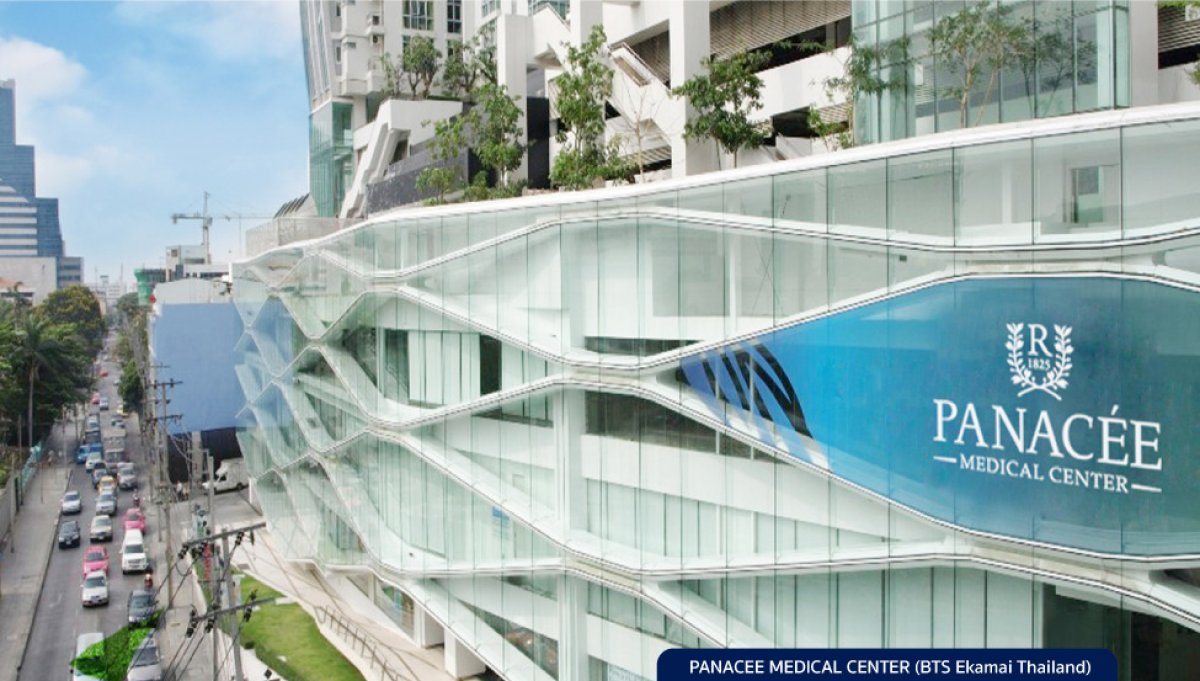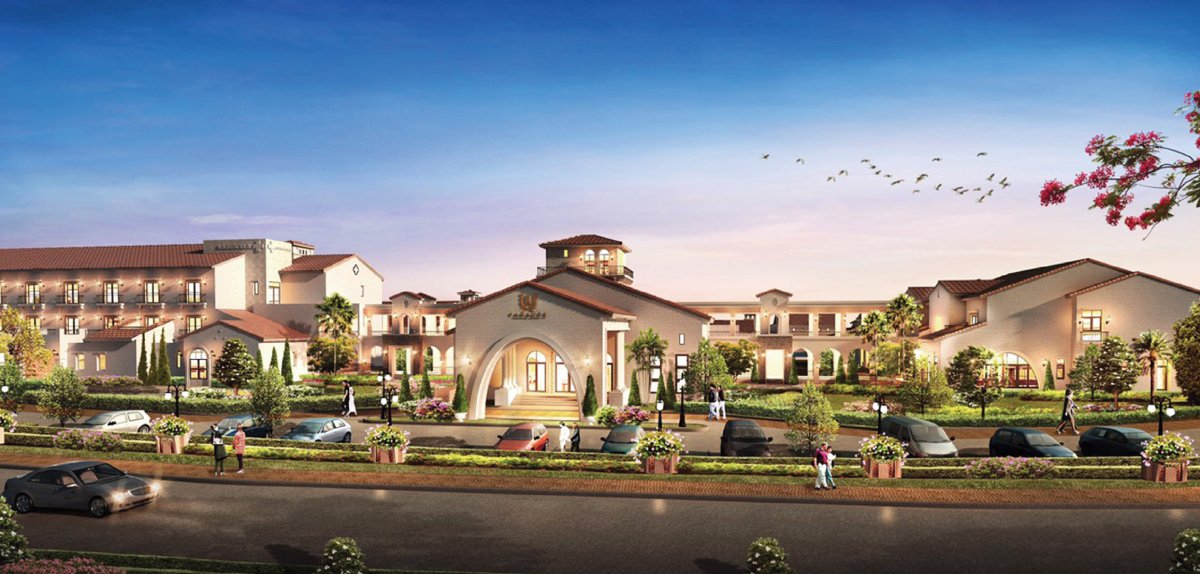
Panacee Hospital Rama 2 - Integrative Chronic Disease & Regenerative Center
Thailand, Bangkok
Clinic is certified : 

Last updated: Nov 17, 2026

Medically reviewed by
Fahad Mawlood
Bookimed is free for patients – clinics pay us a commission, and you pay the clinic its own price with no markup. Five steps to your stem cell therapy for SMA in Thailand:
Tell us about your SMA and share your medical reports and scans or test results.
Your coordinator finds clinics that match your needs and helps you choose. Your preferred clinics then send personalized treatment plans and quotes for you to compare.
We set treatment dates that work for you and help arrange your flights and accommodation.
The clinic team starts your stem cell therapy for SMA on the agreed dates. We support you throughout your trip.
You fly home 3–7 days after treatment, while changes may develop over 6–12 months. Your coordinator stays in touch and helps arrange a follow-up if you need one.
Some clinics ask for a deposit. A $200 or €200 deposit paid through Bookimed comes off your clinic bill and is refundable up to 10 calendar days before your visit. A deposit paid to the clinic follows its own terms.

Cost and clinics
| Typical stem cell therapy for spinal muscular atrophy price in Thailand | Clinics | Accreditations | Cities | Stem cell therapy for spinal muscular atrophy doctors |
|---|---|---|---|---|
| $11,800 / ฿401,200–$24,000 / ฿816,000 | 2 clinic | ISO | Bangkok | 4 doctors |
The procedure
| Before the trip | Time in Thailand | Nights in hospital | Operation time | Anesthesia | Back to desk work | Final result |
|---|---|---|---|---|---|---|
| Get neurological and motor function assessment and blood tests before trip | 3–7 days | None (outpatient procedure) | 3–6 hours | Local sedation | 3–7 days | 6–12 months |
Stem cell therapy for SMA in Thailand is estimated from $11,800 / ฿401,200 to $24,000 / ฿816,000. This is an estimate, not a clinic quote.
| Thailand | Turkey | Austria | |
|---|---|---|---|
| Stem Cell Therapy for Spinal Muscular Atrophy (SMA) | from $11,800 / ฿401,200 | ≈ $12,000 / ฿408,000 | ≈ $14,000 / ฿476,000 |
For stem cell therapy for spinal muscular atrophy in Thailand, consult your specialist, identify who will perform the procedure, assess qualifications and facility standards, and clarify aftercare before booking.
Specialist discussion
Treatment responsibility
Credentials and setting
Follow-up plan
| Clinic Name | Patient Rating | About | Accreditations | Lead Doctor | Techniques |
|---|---|---|---|---|---|
| Panacee Hospital Rama 2 - Integrative Chronic Disease & Regenerative Center Bangkok | 5.0 (2 reviews) | Panacee Hospital Rama 2 is an integrative chronic disease and regenerative center in Bangkok. It combines cell therapy, anti-aging, and detoxification with modern medical treatments. ISO 9001:2015 certified. Offers GMP Certified Cell Rejuvenation and Live Cell Therapy for Alzheimer’s, Parkinson’s, diabetes, and chronic fatigue. Peripheral Blood Stem Cell (PBSC) Therapy available for cellular degeneration. Cardiovascular program uses External Counter Pulsation (ECP) therapy. Detoxification includes chelation therapy, liver detox, colon hydrotherapy, and ozone therapy. Features a QRS PelviCenter and a Thai Traditional and Medical Cannabis Center. | ISO | — | Peripheral blood stem cell (PBSC) therapy, live cell therapy |
| Panacee Medical Center – Stem Cell & Cell Therapy Center Bangkok | 4.6 | Panacee Medical Center Cell Therapy is a private multi-specialty center in Bangkok. Its main specialties are cardiology, therapy, medical check-ups, and wellness retreats. The clinic treats 5,000 patients each year from across Asia, the USA, Canada, and Australia. Treats both adults and children, from check-ups to cardiac care. Wellness retreat programs available alongside standard medical services. Patients come from Arab League States, Asia, the USA, Canada, and Australia. | — | Peerapat Tangjai 10 years | Stem Cell Therapy for Spinal Muscular Atrophy (SMA) |
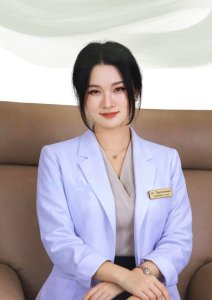
Dr. Bee Thamonwan is an aesthetic and regenerative medicine specialist at Plenary Wellness in Phuket. She focus on natural rejuvenation using stem cells and collagen-boosting biostimulators. Dr. Thamonwan earned her medical degree from the Medical University of Lublin in Poland. She speaks Thai, English, and Chinese fluently.
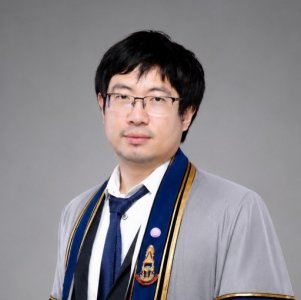
Dr. Pongsathron Liengwattanakol, M.D., is an orthopedic surgeon at Mali Interdisciplinary Hospital in Bangkok. He earned his M.D. from Thammasat University (2007–2013). He completed his orthopedic surgery residency at Thammasat University (2016–2021). He previously served as a general practitioner and orthopedic officer at Buddhasothorn Hospital. He also worked as an orthopedic surgeon at Asia International Hospital.
Accreditations include board certification in Longevity and Quality of Life Medicine and in Nutritional Wellness. He holds diplomas in Clinical Sexology and Sexual Medicine. He also holds a Sex Therapy certificate. He is certified in Advanced Cardiac Life Support (ACLS).
Advanced training includes Recent Advances in Regenerative Medicine (2025). He trained in advanced hyaluronic acid injection. He has experience with mesotherapy, vitamin therapy, and PRP. He completed courses in multidisciplinary botulinum toxin use and regenerative cosmetic dermatology. He trained in FUE hair transplant and non‑invasive intimacy fillers (2024). He also studied pain and insomnia management.
Dr. Peerapat Tangjai is a wellness specialist at Panacee Medical Center in Bangkok. He earned First-Class Honors and a Gold Medal from Srinakharinwirot University. Dr. Tangjai focuses on cell therapy, anti-aging, and metabolic health. He is a former manager of diabetic wound care at Thonburi Bumrungmuang Hospital.

Lower-cost access to experimental regenerative care
| Typical price | vs Thailand | |
|---|---|---|
| Thailand (this page) | $11,800 – $24,000 | – |
| US | from $45,000 | +281% |
| TR | from $12,000 | +2% |
You can usually fly home 3–7 days after treatment, with your doctor's approval. You may return to desk work in 3–7 days, depending on your motor function and any headache after lumbar puncture. You can resume usual physiotherapy and light activity as tolerated after 1–2 weeks. Any functional change may develop gradually over 6–12 months, though benefit is not established and no result is guaranteed.
You have bone marrow or fat harvested, processed, and infused, followed by observation and bed rest. Lie flat for several hours after the lumbar puncture and avoid driving.
Mild headache and back or harvest-site soreness may settle before your check-up. You can usually fly home after 3–7 days with your doctor's approval, once lumbar-puncture effects have settled, and keep puncture sites clean and dry.
You can return to routine and resume usual physiotherapy and light activity as tolerated after 1–2 weeks. Avoid strenuous exertion initially.
Some clinics schedule motor-function reassessment after 90–120 days, sometimes remotely or with your home neurologist, then review a functional scale against baseline after 180–365 days.
When to contact your clinic: Contact your clinic for a fever of 100.4°F or higher. Seek emergency help for shortness of breath at rest or bleeding that does not stop.
 Anna Leonova

Visas for travel to Thailand require a number of documents. The necessary papers can be submitted 90 days before the planned departure. The list of documents includes:
Healthcare is the key development sector of the Thai government. The Thai authorities are convinced that care for the citizens' health should be an absolute priority of state policy and spend about 25 billion baht for healthcare annually.
As a result, 36,673 medical facilities provide excellent medical care in the country. 64 centers in the Kingdom have certificate of JCI (Joint Commission International), the international improver of healthcare quality and safety across the globe. The index of certificates obtained is the largest. To compare, Israel has 20 JCI-accredited facilities, and Germany — only 10 clinics of this type.
The main advantage of Thai resorts is the long beach season. On the east coast and west coast the climate features are different, so take it into account when planning the trip. The best time to travel is during the cool and dry season between November and early April. A large influx of tourists is in March-May, when the air temperature is +30°C.
Official name | The Kingdom of Thailand |
Currency | Thai Baht (you also can pay for services in dollars) |
Best period for the trip | November-early April |
Language | Thai (most of medical staff speaks English fluently) |
Visa | is required for a trip of 3-6 months |
Time difference with Europe | 7 hours |
Time difference with the USA | 12 hours |
Capital | Bangkok |
Medical tourism center | Bangkok |
Popular resorts | Koh Samui, Phuket, Chiang Mai, Koh Chang, Hua Hin |
In the Kingdom of Thailand, hotels of different price ranges and service levels are presented. The level of Thai hotels is comparable to hotels in Tunisia, Morocco or Egypt. Most tourists choose 4 and 5 star hotels with all-inclusive meals. Such hotels have everything for a comfortable stay: varied food, a large well-groomed territory, animation for children and adults. Some hotels have their own water park, which guests can use for free. Budget travelers can afford to book an economical 3-star hotel with half board or no meals at all.
For now, the Kingdom of Thailand requires different visa regimens for diverse states. Some foreigners can stay in the country 60 days without visa control, some of them — only 14 days.
How long you can stay in Thailand and what countries can cross the border easy read here.
Last review: Nov 17, 2026
Fahad Mawlood — General practitioner. Winner of 4 scientific awards. Served in Western Asia. Former Team Leader of a medical team supporting Arabic-speaking patients. Now responsible for data processing and medical content accuracy.
Ask a Bookimed medical coordinator about prices, clinics, techniques or your case. Write to us in the messenger you already use.
Tap a messenger to open a chat with a Bookimed medical coordinator.
Free and without obligation · Terms of use · Privacy policy