Laser Vision at Bangkok Eye Hospital
Thailand, Bangkok
Nichaboon Chotkajornkiat
16 years of experience

Clinic is certified : 

Strabismus surgery in Thailand costs $2,200 / ฿74,800 to $3,600 / ฿122,400, about 69% less than the US average of $9,500 / ฿323,000 (Bookimed data, November 2026). It is offered by Bumrungrad International Hospital, an ISO-certified and JCI-accredited clinic in Bangkok. The clinic is rated 4.6/5 in 131 verified patient reviews on Bookimed.

Last updated: Nov 16, 2026

Medically reviewed by
Fahad Mawlood
Bookimed is free for patients – clinics pay us a commission, and you pay the clinic its own price with no markup. Five steps to your strabismus surgery in Thailand:
Tell us about your eye alignment and share your recent eye exam report and photos of your eyes looking in different directions.
Your coordinator finds clinics that match your needs and helps you choose. Your preferred clinics then send personalized treatment plans and quotes for you to compare.
We set treatment dates that work for you and help arrange your flights and accommodation. If needed, we request a visa support letter from the clinic.
The clinic team performs your strabismus surgery on the agreed dates. We support you throughout your trip.
You can fly home 2–7 days after surgery, and your eye alignment settles over 1–3 months. Your coordinator stays in touch and helps arrange a follow-up if you need one.
Some clinics ask for a deposit. A $200 or €200 deposit paid through Bookimed comes off your clinic bill and is refundable up to 10 calendar days before your visit. A deposit paid to the clinic follows its own terms.
Tell us about your needs — and get 3 tailored offers from top doctors for you.
Do you have any medical records related to your issue?
Direct prices from clinics
Free evaluation of your medical case
Free personal assistance 24/7
Cost and clinics
| Typical strabismus surgery price in Thailand | Clinics | Accreditations | Cities | Strabismus surgery surgeons |
|---|---|---|---|---|
| $2,200 / ฿74,800–$3,600 / ฿122,400 | 4 clinics | JCI (3 clinics), ISO (2), AACI (1), GHA (1), TEMOS (1) | Bangkok (3 clinics), Pattaya (1) | 4 surgeons |
The procedure
| Before the trip | Time in Thailand | Nights in hospital | Operation time | Anesthesia | Back to desk work | Final result |
|---|---|---|---|---|---|---|
| Get orthoptic and eye assessment, discuss risks, arrange anesthesia check and transport | 2–7 days | None (outpatient procedure) | 30–90 minutes | General | 3–7 days | 1–3 months |
Strabismus surgery in Thailand is listed from $2,200 / ฿74,800 to $3,600 / ฿122,400. Fees depend on the number of eyes and muscles treated, anesthesia, and hospital tier.
| Thailand | Turkey | Austria | |
|---|---|---|---|
| Strabismus surgery | from $2,200 / ฿74,800 | from $1,200 / ฿40,800 | ≈ $3,200 / ฿108,800 |
For strabismus surgery in Thailand, narrow clinic choices by city, compare starting quotes for the same treatment scope, identify who performs your needed technique, and assess surgeon qualifications and hospital facilities.
City shortlist
Cost range
Consultation match
Clinic readiness
| Clinic Name | Patient Rating | About | Accreditations | Lead Doctor | Techniques |
|---|---|---|---|---|---|
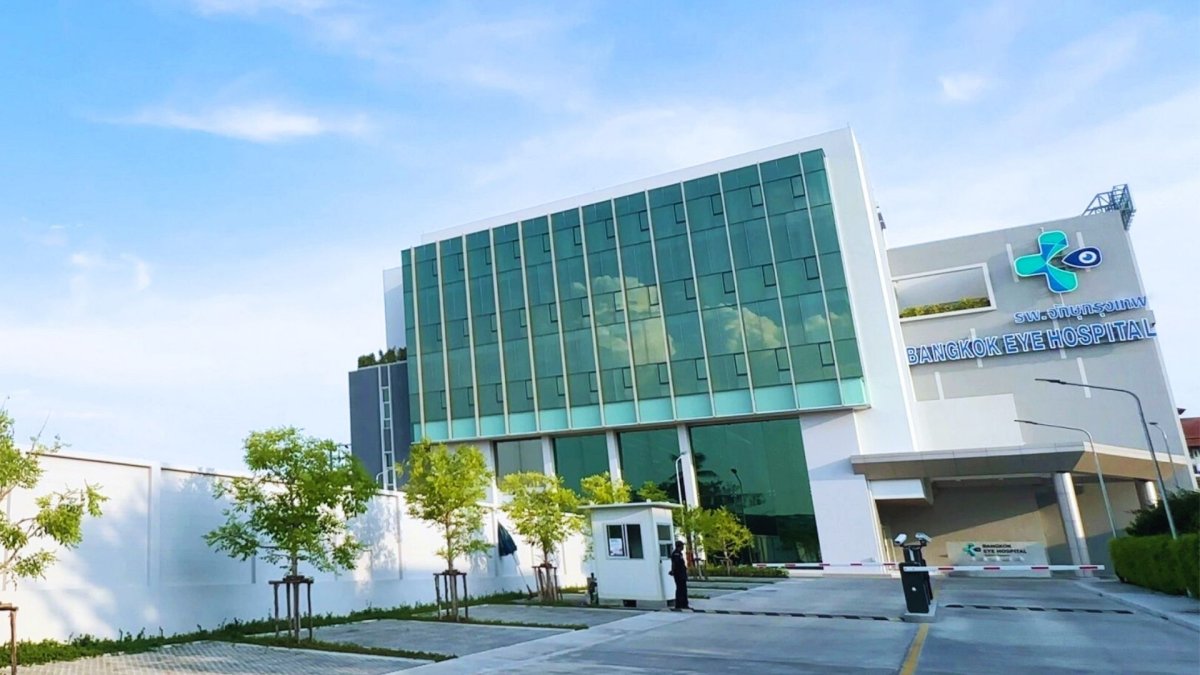
| Laser Vision at Bangkok Eye Hospital Bangkok | 4.7 (1 review) | Laser Vision at Bangkok Eye Hospital holds AACI accreditation and has performed 100,000+ successful eye surgeries over more than 25 years. The specialized Children's Eye Center focuses on minimally invasive surgery and vision therapy. Asst. Prof. Dr. Pornpattana Vichitvejpaisal brings expert skill to the team, having completed a fellowship in pediatric ophthalmology and strabismus at Harvard Medical School. The hospital uses detailed cover and light reflex tests to create personalized treatment plans for every patient. | — | Nichaboon Chotkajornkiat 16 years | Minimally invasive surgery |
| Bumrungrad International Hospital Bangkok | 4.6 (131 reviews) | Bumrungrad International Hospital specializes in strabismus surgery, with procedures typically costing around $2,650. The hospital serves over 1 million patients annually, half of whom are international. Dr. Manchima Makornwattana, an experienced ophthalmologist, provides expert care in this specialty. | ISO, JCI, GHA | Strabismus surgery, Ophthalmological investigation | |
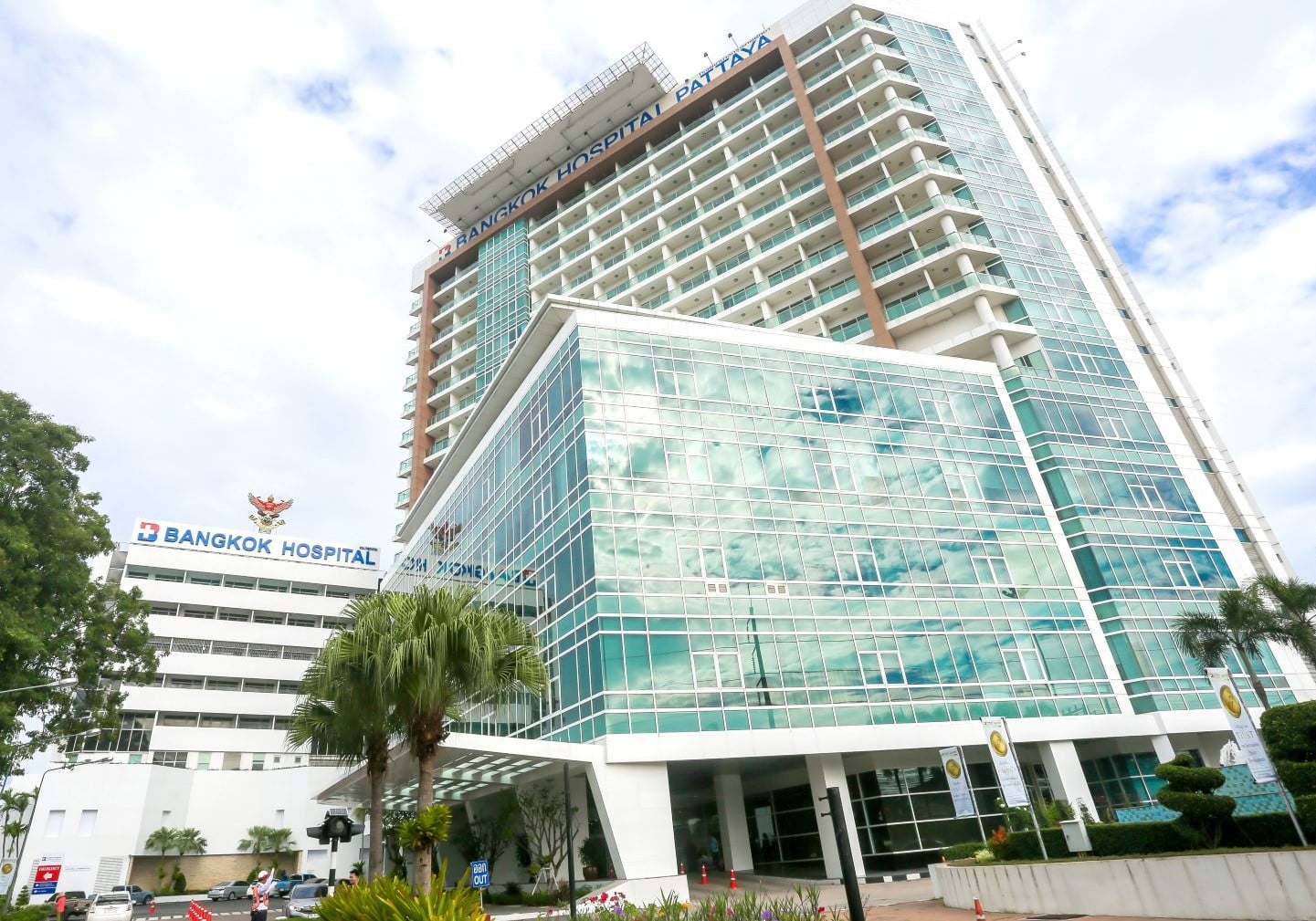
| Bangkok Hospital Pattaya Pattaya | 4.0 | Forty percent of international medical tourists pick Bangkok Hospital Pattaya. It treats over 400,000 patients yearly from 150 countries and holds JCI accreditation. Part of the Bangkok Dusit Medical Services group, its top specialties are cardiology and cosmetic surgery. Heart Center performs coronary bypass surgery without a heart-lung machine. Received the Prime Minister's Export Award for services to international patients. Digital Mammogram with Tomosynthesis offers 2D and 3D breast imaging in 10 seconds with less pain. 128-Slice CT scans coronary arteries in 4 seconds with 90% accuracy. Accredited by TEMOS and certified under ISO 9001 by TÜV NORD. | JCI, ISO, TEMOS | — | — |

Dr. Sumet Supalaset specializes in advanced eye surgeries, including strabismus correction, with extensive international training in refractive and corneal procedures.

Dr. Jindarak is an ophthalmologist specializing in eye care, with advanced training in glaucoma at the University of Illinois.

Dr. Theppachai Thammikasakul specializes in strabismus surgery at Intrarat Hospital, bringing focused expertise in eye alignment procedures.
Dr. Nichaboon specializes in pediatric ophthalmology and strabismus, trained at Ramathibodi Hospital, one of Thailand's top medical institutions.
Children seeking specialist eye-alignment care
Thailand offers patients considering strabismus surgery a combination of recognized clinic standards, surgeon choice, and language support. JCI Standards.
Bangkok has more clinics than Pattaya , giving patients a broader choice that includes minimally invasive surgery, with prices from $2,200 / ฿74,800. Its major airport links can make travel to Bangkok and onward recovery arrangements easier.
You can usually fly home 2–7 days after surgery once your surgeon clears you after a first check. Desk work often resumes in 3–7 days, depending on redness and double vision. You can usually resume exercise in 2–4 weeks, with light exercise possible earlier and swimming or contact sports delayed until your surgeon clears you. Your final alignment result is usually assessed over 1–3 months, as alignment settles over weeks to a few months.
Your eye may be red, sore, and watery, with possible double vision, and antibiotic or steroid drops are commonly used. Avoid rubbing your eye, swimming, and strenuous activity, and fly home 2–7 days after surgery only after your surgeon clears you.
Redness and discomfort gradually settle, and you may return to light work. Avoid swimming, eye makeup, and contact activities, and attend a routine check of alignment, eye movement, and healing 7–14 days after surgery.
Residual redness fades as alignment and binocular function, or how your eyes work together, stabilize. You can return to normal activity with clearance, but avoid contact sports until your surgeon clears you.
Your surgeon assesses final alignment as it settles over weeks to a few months, and may consider further treatment if needed.
When to contact your clinic: Contact your clinic if your eye becomes more painful or redder, your vision gets worse, or eyelid swelling comes with discharge or fever. For chest pain or sudden breathlessness after a long flight, seek emergency help locally.

 Anna Leonova

Top hospitals for strabismus surgery in Thailand include Bumrungrad International Hospital, Rutnin Eye Hospital, and Yanhee International Hospital. These JCI-accredited facilities offer specialized pediatric and adult corrective eye surgery with high success rates, typically costing $2,200 to $3,600, which is roughly 69% less than US averages.
Bookimed Expert Insight: While many choose large multi-specialty hubs like Bumrungrad for its global Top-10 ranking, specialized clinics like Laser Vision or Rutnin often provide more focused care. Dr. Sumet Supalaset at Intrarat Hospital has performed over 50,000 procedures. This level of individual surgeon volume is a stronger predictor of success than hospital size alone.
Patient Consensus: Patients emphasize that while costs are lower, finding a surgeon with specific neuro-ophthalmology training is vital. Many recommend planning a 2-week stay to ensure stable alignment before flying home.
Strabismus surgery in Thailand maintains a high success rate between 80% and 90% for achieving optimal eye alignment. Research from major Thai government hospitals shows an 86% success rate for exotropia, while pediatric cases often reach 90% effectiveness when combined with specialized vision therapy.
Bookimed Expert Insight: Thailand is a global ophthalmology hub, with clinics like Bumrungrad International Hospital treating over 1,000,000 patients annually. Our data shows a high concentration of US-trained specialists, such as Dr. Nichaboon Chotkajornkiat, who completed a dedicated fellowship in Pediatric Ophthalmology and Strabismus. This level of specialization typically correlates with higher precision in muscle adjustment.
Patient Consensus: Many patients emphasize that while cosmetic alignment is highly successful, achieving full binocular vision may require additional vision therapy. They recommend tracking progress with pre- and post-operative photos and budgeting for potential minor follow-up adjustments.
The best hospitals for strabismus surgery in Thailand include Rutnin Eye Hospital, Bumrungrad International Hospital, and Bangkok Eye Hospital. These facilities feature JCI-accredited environments and surgeons like Dr. Nichaboon Chotkajornkiat, who specializes in pediatric ophthalmology and complex eye alignment for both children and adults.
Bookimed Expert Insight: While many general hospitals offer eye care, choosing a dedicated center like Rutnin or Bangkok Eye Hospital often provides access to more specialized diagnostic tools. Our data shows that top-tier surgeons in Bangkok frequently have over 20 years of experience and hold fellowships from prestigious institutions in the US or Japan.
Patient Consensus: Patients recommend choosing private Bangkok centers to avoid long wait times and language barriers. Many suggest factoring in at least 2 weeks for recovery due to potential temporary double vision after the procedure.
Strabismus surgery in Thailand is primarily performed under general anesthesia to ensure total immobility of the eye muscles. While children always require general anesthesia, adults may undergo the procedure with local blocks or IV sedation. Precision depends on the patient remaining perfectly still during muscle adjustment.
Bookimed Expert Insight: Data from top-tier Thai centers like Bumrungrad International shows a strong preference for general anesthesia even in adults. This mirrors Western protocols to maximize surgical precision. Clinics with JCI accreditation often include a pre-operative anesthesiology consult. This ensures the safest choice based on your history, such as sleep apnea or previous reactions.
Patient Consensus: Many adults report that while they felt groggy after general anesthesia, the peace of mind of not being awake during the eye muscle manipulation was worth it. Patients also frequently mention that anti-nausea medication helps significantly with the common post-op side effects of anesthesia.
Common side effects after strabismus surgery in Thailand include eye redness, mild swelling, and temporary double vision. Patients often experience a scratchy sensation caused by dissolvable stitches. Most physical symptoms peak within 3 to 5 days before gradually fading over 2 to 3 weeks.
Bookimed Expert Insight: While many general hospitals offer eye care, choosing specialized centers like Laser Vision at Bangkok Eye Hospital provides access to surgeons like Dr. Nichaboon Chotkajornkiat. Her specific fellowship in Pediatric Ophthalmology and Strabismus is rare. This specialized focus often results in more precise alignment and better long-term visual outcomes.
Patient Consensus: Patients report that while the initial bruising can look intense, like raccoon eyes, the pain is usually manageable with over-the-counter medication. Many find that wearing dark glasses indoors during the first week significantly helps with light sensitivity.
Most patients return to their daily routines within 2 to 7 days after strabismus surgery in Thailand. While initial soreness and a gritty sensation subside quickly, full healing and final eye alignment stabilization typically require 6 to 8 weeks as the brain and muscles adjust.
Bookimed Expert Insight: While international standards suggest a 6-week window for stabilization, data from top Bangkok facilities like Bumrungrad International Hospital shows that many patients see 80% improvement within just 14 days. This accelerated early recovery is often attributed to the high volume of specialized pediatric and neuro-ophthalmology fellowships held by Thai surgeons, such as those training at Mahidol University.
Patient Consensus: Patients emphasize that swelling can temporarily make alignment look worse around day 5, but this is a normal part of the healing process. Following strict no-rubbing protocols and using prescribed drops religiously are the most cited factors for cutting redness time in half.
Strabismus surgery in Thailand typically takes 30 to 90 minutes per eye. The exact duration depends on the number of muscles requiring adjustment and case complexity. Most patients undergo this as an outpatient procedure at JCI-accredited facilities and return home the same day.
Bookimed Expert Insight: While surgery is quick, clinic choice impacts your total day. High-volume centers like Bumrungrad International Hospital serve 1,000,000 patients annually. Their streamlined systems often mean shorter waiting times between admission and the operating room. Choosing such established hospitals ensures efficient transitions from recovery to discharge.
Patient Consensus: Most patients report that while the surgery feels fast, the total clinic stay lasts about 6 hours. They emphasize confirming English-speaking staff availability to navigate the pre-operative instructions smoothly.
Most patients do not need to stay in the hospital overnight after strabismus surgery in Thailand. This procedure is typically performed as an outpatient service at JCI-accredited facilities like Bumrungrad International Hospital, allowing patients to go home once anesthesia wears off.
Bookimed Expert Insight: While strabismus surgery is outpatient, Bangkok clinics like Bumrungrad International Hospital serve over 50% international patients. These high-volume centers often suggest staying in a nearby hotel for 3–5 days. This allows for a follow-up check before flying, as redness and discomfort typically peak on day 2.
Patient Consensus: Patients emphasize that recovery happens mostly at home or in a hotel. Following the strict eye-drop schedule and resting in a quiet space is more critical than staying in a hospital bed.
Last review: Nov 16, 2026
Fahad Mawlood — General practitioner. Winner of 4 scientific awards. Served in Western Asia. Former Team Leader of a medical team supporting Arabic-speaking patients. Now responsible for data processing and medical content accuracy.
Ask a Bookimed medical coordinator about prices, clinics, techniques or your case. Write to us in the messenger you already use.
Tap a messenger to open a chat with a Bookimed medical coordinator.
Free and without obligation · Terms of use · Privacy policy