Surgical treatment of epilepsy in Thailand: costs, clinics and reviews
Bookimed lists 3 surgical treatment of epilepsy clinics in Thailand, in Bangkok, Chiang Mai, and Phuket, including JCI-accredited clinics. These clinics are rated 4.6/5 in 131 verified patient reviews on Bookimed.

Last updated: 11/11/2026
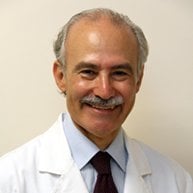
Medically reviewed by
Antonio Russi
How it works
Bookimed is free for patients – clinics pay us a commission, and you pay the clinic its own price with no markup. Five steps to your surgical treatment of epilepsy in Thailand:
Share your case
Tell us about your seizures and share your latest scans and medical reports.
Get treatment plans
Your coordinator finds clinics that match your needs and helps you choose. Your preferred clinics then send personalized treatment plans and quotes for you to compare.
Plan your trip
We set treatment dates that work for you and help arrange your flights and accommodation. If needed, we request a visa support letter from the clinic.
Visit the clinic
The clinic team performs your surgical treatment of epilepsy on the agreed dates. We support you throughout your trip.
Recover at home
You fly home 10–14 days after surgery, with seizure outcomes assessed over 12–24 months. Your coordinator stays in touch and helps arrange a follow-up if you need one.
Some clinics ask for a deposit. A $200 or €200 deposit paid through Bookimed comes off your clinic bill and is refundable up to 10 calendar days before your visit. A deposit paid to the clinic follows its own terms.
Surgical treatment of epilepsy Prices by Clinic in Thailand










Get matched with the best doctors for Surgical treatment of epilepsy
Tell us about your needs — and get 3 tailored offers from top doctors for you.
Do you have any medical records related to your issue?
Direct prices from clinics
Free evaluation of your medical case
Free personal assistance 24/7
Thailand Surgical treatment of epilepsy overview
Cost and clinics
| Typical surgical treatment of epilepsy price in Thailand | Clinics | Accreditations | Cities | Surgical treatment of epilepsy surgeons |
|---|---|---|---|---|
| $14,000 / ฿476,000–$23,000 / ฿782,000 | 3 clinics | JCI (2 clinics), ISO (1), GHA (1) | Bangkok (0 clinic), Chiang Mai (0), Phuket (0) | 1 surgeon |
The procedure
| Before the trip | Time in Thailand | Operation time | Anesthesia | Back to desk work | Final result |
|---|---|---|---|---|---|
| Arrange tests and assessments, continue medication, prepare support at home | 10–14 days, including 3–7 nights in hospital | 3–6 hours | General | 6–13 weeks | 12–24 months |
How much does a Surgical treatment of epilepsy cost in Thailand?
Estimated prices in Thailand range from $14,000 / ฿476,000 to $23,000 / ฿782,000. These are estimates, not clinic quotes.
| Thailand | Turkey | Austria | |
|---|---|---|---|
| Surgical treatment of epilepsy | ≈ $14,000 / ฿476,000 | from $9,600 / ฿326,400 | ≈ $24,000 / ฿816,000 |
| Vagus nerve stimulation | ≈ $24,000 / ฿816,000 | from $15,000 / ฿510,000 | ≈ $24,000 / ฿816,000 |
| Multiple subpial transections | ≈ $11,000 / ฿374,000 | ≈ $12,500 / ฿425,000 | ≈ $19,500 / ฿663,000 |
| Medication treatment for epilepsy | ≈ $900 / ฿30,600 | from $1,300 / ฿44,200 | ≈ $1,200 / ฿40,800 |
How to choose a Surgical treatment of epilepsy clinic in Thailand
For surgical treatment of epilepsy in Thailand, compare clinic locations, assess the specialist team, confirm who performs the operation, verify licensing and aftercare, then read patient reviews before deciding.
What to check
Compare locations
Bookimed lists 3 clinics for surgical treatment of epilepsy in Thailand – the top-ranked ones are in Bangkok, Chiang Mai, Phuket.Assess the team
Choose a center where epilepsy surgery is handled by a multidisciplinary group, with your history reviewed and specialist tests completed before surgery is considered.Match doctor and technique
At consultation, ask whether the neurologist or neurosurgeon has epilepsy-surgery training, explains risks and benefits, and personally performs the operation you need.Confirm credentials and aftercare
Ask whether the specialist is licensed by the Medical Council of Thailand, and agree how the clinic will transfer notes and coordinate follow-up and complications after you return home.
Discover Surgical treatment of epilepsy Clinics in Thailand
| Clinic Name | Patient Rating | About | Accreditations | Lead Doctor | Techniques |
|---|---|---|---|---|---|
| Bumrungrad International Hospital Bangkok | 4.6 (131 reviews) | Bumrungrad International Hospital is a JCI-accredited facility with a dedicated neurosciences department. Assist. Prof. Dr. Peerapong Montriwiwatchai, a neurosurgeon with of experience, specializes in spine surgery and holds a fellowship from Temple University Hospital. Surgical treatment of epilepsy typically costs between $12,600 and $27,300. | ISO, JCI, GHA | MRI of one area, CT (computer tomography) | |
| Chiangmai Ram Hospital Chiang Mai | 3.6 | Chiangmai Ram Hospital is a JCI-accredited hospital in Chiang Mai, Thailand. Its strongest specialties are neurology, dentistry, and ophthalmology. The hospital serves patients from the US, Canada, the UK, and other countries. Endocrinology services cost 3–4 times less than US clinics. English and Thai-speaking staff, plus on-call interpreters for international patients. Airport pickup, private rooms, and rehabilitation services are included. Upon-request procedures include cataract surgery, arthroscopy, and brain tumor surgery. | JCI | — | — |
| The Demarest Clinic Phuket | 5.0 | The Demarest Clinic specializes in cutting-edge regenerative treatments with AABB-certified cellular therapies. Surgical treatment of epilepsy typically runs $12,600–$27,300. Dr. Tatiana Zhelninova-Bosch brings 33 years of expertise in advanced medical treatments, including pioneering clinical trials at Hadassah Medical Center. The clinic's certified lab supports precise surgical planning and post-op care with stem cell therapies. | — |  Tatiana Zhelninova - Bosch 33 years | — |
Our Doctors
View all Doctors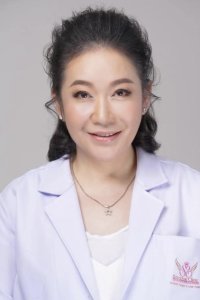
Siriporn Cheawchanwej
Specializes in aesthetic medicine with international training in minimally invasive procedures, including botulinum toxin applications.
- Diploma in Aesthetic Medicine from the American Academy
- Trained in Sweden and Korea for advanced Or you can focus on minimally inçvasive procedures
- Member of aesthetic dermatology and surgery associations大利投资者 if顽疾'

Peerapong Montriwiwatchai
Dr. Peerapong Montriwiwatchai is an Assistant Professor of Neurosurgery at Bumrungrad International Hospital. He focuses on complex spine surgery and neurological interventions. Dr. Montriwiwatchai completed a fellowship in neurological surgery at Temple University Hospital in Philadelphia. He treats patients at a facility ranked among the top 10 best hospitals globally.
- Specializes in treating scoliosis, spondylolisthesis, and spinal cord abscesses.
- Performs surgical procedures including discectomy and vertebral plastic surgery.
- Holds a diploma from the Thai Board of Neurosurgery.
- Practices at a JCI-accredited center that serves over 1 million patients annually.
Tatiana Zhelninova - Bosch
Dr. Tatiana Zhelninova-Bosch is a cardiologist and regenerative medicine specialist at The Demarest Clinic in Phuket. She is a recognized leader in stem cell therapy and clinical trial management. Dr. Zhelninova-Bosch previously served as the Chief Physician and Medical Director of Hadassah Medical Moscow. She treats complex conditions like atherosclerosis, heart failure, and pulmonary hypertension.
- Uses donor and autologous stem cells for heart disease and anti-aging.
- Winner of a Certificate of Honor from the Russian Ministry of Health.
- Former General Manager of Hadassah University Hospital Health Plus in the Middle East.
- Works at Thailand’s first clinic sanctioned for allogeneic stem cell therapy.
Why choose Thailand for a Surgical treatment of epilepsy
Vagus nerve stimulation and multiple subpial transection options
| Typical price | vs Thailand | |
|---|---|---|
| Thailand (this page) | $14,000 – $23,000 | – |
| United States of America | from $85,000 | +507% |
| Turkey | from $9,600 | −31% |
Where to get a Surgical treatment of epilepsy in Thailand
In Thailand, patients considering surgical treatment of epilepsy can compare Bangkok, Chiang Mai, and Phuket, where travel and recovery settings distinguish the options. Bangkok may suit patients who value medical-travel packages and local-stay support.
| City | Clinics | Top clinics | Logistics & setting | Good for |
|---|---|---|---|---|
| Bangkok | 0 | Bumrungrad International Hospital – 4.6, 131 reviews | Capital city and major metro area · Don Mueang Airport (DMK), 24 km from central Bangkok | Medical-travel stay support |
| Chiang Mai | 0 | Chiangmai Ram Hospital | Northern Thailand tourist city · Chiang Mai International Airport (CNX), 4 km from city center | Airport near city center |
| Phuket | 0 | The Demarest Clinic | Island resort city · Phuket International Airport (HKT), 32 km from city center | Island resort recovery |
A city tells you how you will travel and where you will recover, but not how your surgical treatment of epilepsy will go. Surgeons and clinics in the same city differ in experience and in how they handle aftercare, so choosing them matters just as much as choosing the city.
Surgical treatment of epilepsy recovery timeline: what to expect week by week
After an uncomplicated craniotomy, you can usually fly home 10–14 days after surgery with your surgeon’s approval. Desk work may resume in 6–13 weeks after resective surgery, depending on your job, cognition, seizure status, and driving rules. Walking may start earlier, while graded exercise typically resumes in 6–12 weeks as cleared. The final seizure outcome is usually assessed 12–24 months after surgery, and medication tapering is individualized.
Days 0–7
You’ll have neurological checks, pain control, early movement, and continued antiseizure medication, while headache or incision and jaw pain usually settle within 1–2 weeks. Do not drive, and stay under supervision.
Weeks 1–6
After an uncomplicated craniotomy, you can usually fly home 10–14 days after surgery with stable neurological status. This is around your wound check and suture or staple removal. Fatigue, headache, and wound healing may slow your gradual return to walking and daily activities, so avoid driving, heavy lifting, strenuous activity, and swimming or bathing alone.
Weeks 6–12
Desk work may resume in 6–13 weeks after resective surgery, depending on your job, cognition, seizure status, and driving rules. Build up exercise as cleared, keep cognitive and mood follow-up, follow local driving rules after a seizure-free interval, and avoid contact sports until cleared.
Months 3–24
Follow-up may include seizure assessment, imaging, and neuropsychological testing, with medication tapering decided individually. Your seizure outcome is usually judged 12–24 months after surgery.
When to contact your clinic: Contact your clinic for wound fluid drainage or a seizure after surgery. Seek emergency help for signs of infection. For chest pain or sudden breathlessness after a long flight, seek emergency help locally.
Traveling to Thailand for a Surgical treatment of epilepsy
Surgical treatment of epilepsy in Thailand: Video Reviews from Bookimed Patients
Thailand Surgical treatment of epilepsy Reviews at Bookimed: Discover Patients' Insights
View all
Share this content
 Anna Leonova
FAQ about Surgical treatment of epilepsy in Thailand
What documents are required to apply for a visa to Thailand for treatment?
Visas for travel to Thailand require a number of documents. The necessary papers can be submitted 90 days before the planned departure. The list of documents includes:
- ID card
- confirmation of online registration and filling out the questionnaire
- certificate of income and availability of funds (20,000 baht per person/40,000 baht per family)
- insurance policy for a stay in Thailand (original and copy)
- 2 photos (4x6)
- visa receipt
- booking of round-trip air ticket (paid in full) and hotel
- medical opinion about the need for treatment.
What is the level of medicine in Thailand?
Healthcare is the key development sector of the Thai government. The Thai authorities are convinced that care for the citizens' health should be an absolute priority of state policy and spend about 25 billion baht for healthcare annually.
As a result, 36,673 medical facilities provide excellent medical care in the country. 64 centers in the Kingdom have certificate of JCI (Joint Commission International), the international improver of healthcare quality and safety across the globe. The index of certificates obtained is the largest. To compare, Israel has 20 JCI-accredited facilities, and Germany — only 10 clinics of this type.
When is the best time to travel to Thailand?
The main advantage of Thai resorts is the long beach season. On the east coast and west coast the climate features are different, so take it into account when planning the trip. The best time to travel is during the cool and dry season between November and early April. A large influx of tourists is in March-May, when the air temperature is +30°C.
What should you know about Thailand before the trip?
Official name | The Kingdom of Thailand |
Currency | Thai Baht (you also can pay for services in dollars) |
Best period for the trip | November-early April |
Language | Thai (most of medical staff speaks English fluently) |
Visa | is required for a trip of 3-6 months |
Time difference with Europe | 7 hours |
Time difference with the USA | 12 hours |
Capital | Bangkok |
Medical tourism center | Bangkok |
Popular resorts | Koh Samui, Phuket, Chiang Mai, Koh Chang, Hua Hin |
What hotel service is provided here?
In the Kingdom of Thailand, hotels of different price ranges and service levels are presented. The level of Thai hotels is comparable to hotels in Tunisia, Morocco or Egypt. Most tourists choose 4 and 5 star hotels with all-inclusive meals. Such hotels have everything for a comfortable stay: varied food, a large well-groomed territory, animation for children and adults. Some hotels have their own water park, which guests can use for free. Budget travelers can afford to book an economical 3-star hotel with half board or no meals at all.
Do I need a visa?
For now, the Kingdom of Thailand requires different visa regimens for diverse states. Some foreigners can stay in the country 60 days without visa control, some of them — only 14 days.
How long you can stay in Thailand and what countries can cross the border easy read here.
Last review: 11/11/2026
Antonio Russi — Prof. Antonio Russi is recognized as the best epileptologist in Spain. The Doctor specializes in non-surgical therapy of severe and rare epilepsy stages. He helps children and adults to get rid of seizures for good. Prof. Antonio Russi is an apparent expert in epilepsy diagnosing and choosing the most appropriate drugs in each particular case. Medication therapy helps patients in 70% of cases. Prof. Russi is included in the ranking of Top 100 Spanish doctors by the Forbes magazine, the world's authoritative edition.
Have a question about Surgical treatment of epilepsy in Thailand?
Ask a Bookimed medical coordinator about prices, clinics, techniques or your case. Write to us in the messenger you already use.
- Direct prices from clinics
- Free evaluation of your medical case
- Free personal assistance 24/7
Ask your question in a messenger
Tap a messenger to open a chat with a Bookimed medical coordinator.
Free and without obligation · Terms of use · Privacy policy