Panacee Hospital Rama 2 - Integrative Chronic Disease & Regenerative Center
Thailand, Bangkok
Clinic is certified : 
Symptomatic treatment in Thailand costs $200 / ฿6,800 to $2,200 / ฿74,800, about 59% less than the US average of $2,900 / ฿98,600 (Bookimed data, November 2026). It is offered by Sanpiti Rehabilitation Center in Bangkok.

Last updated: Nov 20, 2026

Medically reviewed by
Fahad Mawlood
Bookimed is free for patients – clinics pay us a commission, and you pay the clinic its own price with no markup. Five steps to your symptomatic treatment in Thailand:
Tell us about your symptoms and share your medical reports and recent test results or scans.
Your coordinator finds clinics that match your needs and helps you choose. Your preferred clinics then send personalized treatment plans and quotes for you to compare.
We set treatment dates that work for you and help arrange your flights and accommodation.
The clinic team starts your symptomatic treatment on the agreed dates. We support you throughout your trip.
You can fly home 1–2 days after treatment, and symptom control settles within 1–15 days. Your coordinator stays in touch and helps arrange a follow-up if you need one.
Some clinics ask for a deposit. A $200 or €200 deposit paid through Bookimed comes off your clinic bill and is refundable up to 10 calendar days before your visit. A deposit paid to the clinic follows its own terms.
Tell us about your needs — and get 3 tailored offers from top doctors for you.
Do you have any medical records related to your issue?
Direct prices from clinics
Free evaluation of your medical case
Free personal assistance 24/7
Symptomatic treatment in Thailand costs from $200 / ฿6,800 to $2,200 / ฿74,800. The final bill depends on the care setting, clinician, medicines, tests, and city.
Symptomatic treatment in Thailand costs from $200 / ฿6,800 to $2,200 / ฿74,800. The final bill depends on the care setting, clinician, medicines, tests, and city. In the US, this procedure costs $2,900 / ฿98,600 on average. Visits commonly include a clinical assessment and symptom-relief medicines. Clinicians may add laboratory tests when indicated. Available clinic listings do not specify standard package inclusions, so patients should confirm them before booking.
The available clinic information does not identify a symptomatic-treatment package. Patients can request an estimate showing whether consultation, medicines, and tests are billed together or separately. This helps clarify the expected total before care begins.
| Thailand | Turkey | Austria | |
|---|---|---|---|
| Symptomatic treatment | from $200 / ฿6,800 | from $220 / ฿7,500 | ≈ $1,500 / ฿51,000 |
| Clinic Name | Patient Rating | About | Accreditations | Lead Doctor | Techniques |
|---|---|---|---|---|---|
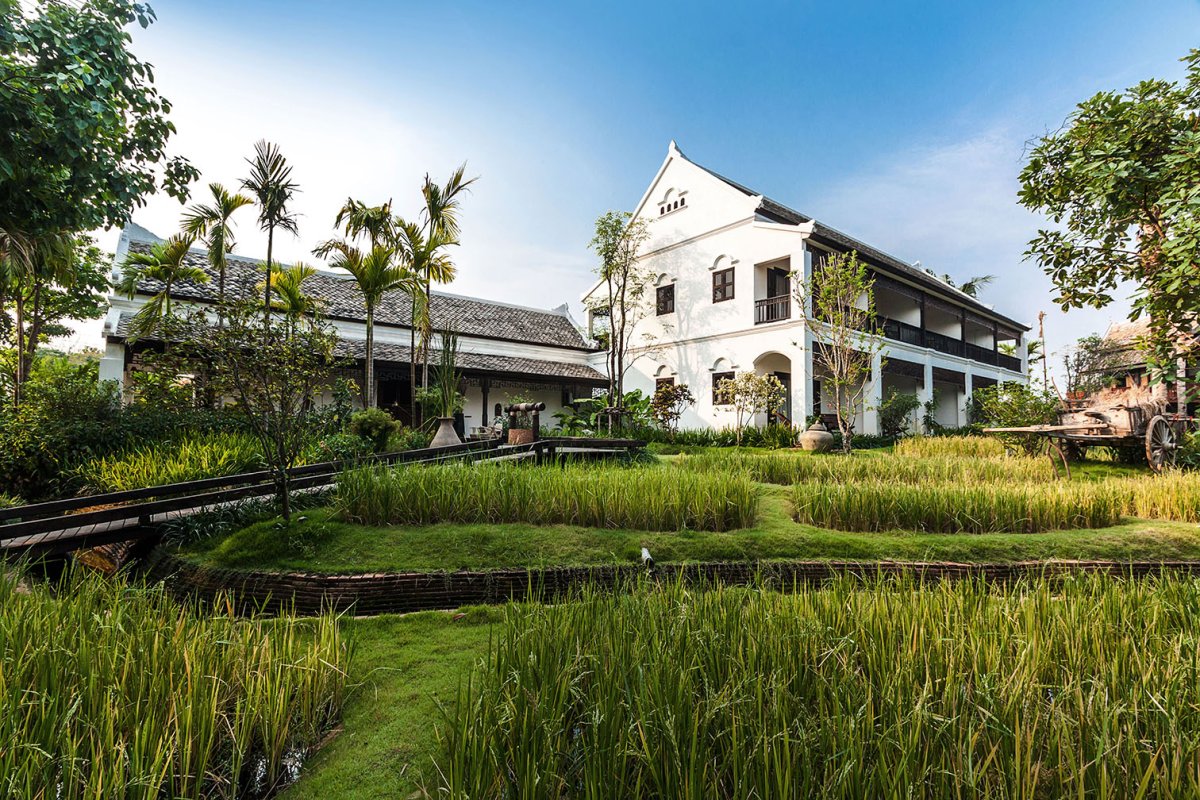
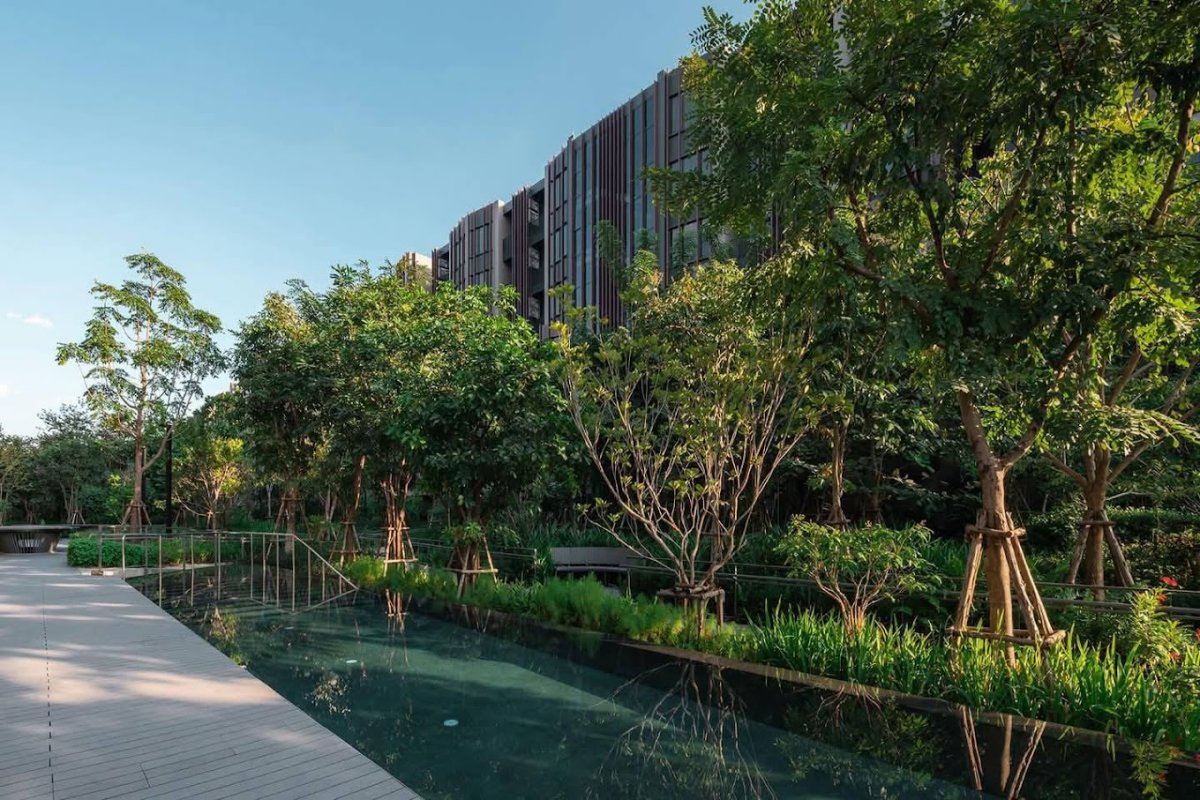
| Panacee Hospital Rama 2 - Integrative Chronic Disease & Regenerative Center Bangkok | 5.0 (2 reviews) | Panacee Hospital Rama 2 is an integrative chronic disease and regenerative center in Bangkok. It combines cell therapy, anti-aging, and detoxification with modern medical treatments. ISO 9001:2015 certified. Offers GMP Certified Cell Rejuvenation and Live Cell Therapy for Alzheimer’s, Parkinson’s, diabetes, and chronic fatigue. Peripheral Blood Stem Cell (PBSC) Therapy available for cellular degeneration. Cardiovascular program uses External Counter Pulsation (ECP) therapy. Detoxification includes chelation therapy, liver detox, colon hydrotherapy, and ozone therapy. Features a QRS PelviCenter and a Thai Traditional and Medical Cannabis Center. | ISO | — | Live cell therapy, peripheral blood stem cell therapy, chelation therapy, ozone therapy, hyperbaric oxygen therapy, medical cannabis |
| Bumrungrad International Hospital Bangkok | 4.6 (131 reviews) | Bumrungrad International Hospital serves over 1 million patients annually, with expertise across multiple specialties. The hospital ranks among the TOP-10 globally and features advanced technology. Dr. Kittinut Kijvikai brings specialized urology expertise with research contributions in prostate cancer treatment, while Dr. Ajchariya Sarovath offers in plastic and reconstructive surgery with fellowship training in the US. | ISO, JCI, GHA | — | |
| Rattinan Clinic Bangkok | 4.8 | Rattinan Medical Center uses Erbium:YAG laser technology for precise snore treatment, with over 25 years of experience since 1999. A three-session course typically costs around 41,000 THB – covering all laser treatments and outpatient visits. The AACI-accredited clinic treats 3,000 patients annually, specializing in same-day procedures for international visitors. | — | — | — |
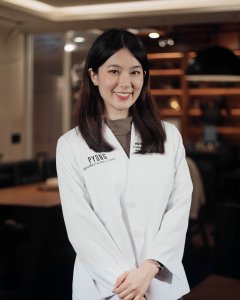
Board-certified physiatrist specializing in neurorehabilitation and cardiac rehabilitation, with a strong focus on integrating advanced technologies into patient care.
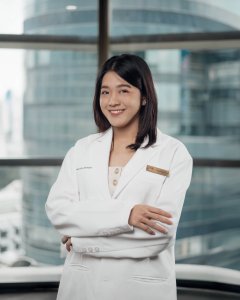
Dr. Thititagul specializes in geriatric medicine with a focus on aging and preventive care at PYONG Rehabilitation Group.
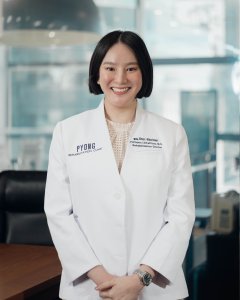
Dr. Patthama Likitwittaya specializes in rehabilitation medicine with a focus on innovative pain management techniques.
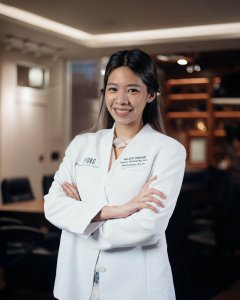
Dr. Khunnarong specializes in pain management and neurorehabilitation, with advanced training in interventional techniques and sports medicine.
Rehabilitation-led care for chronic pain and movement disorders
Thailand offers symptomatic treatment through a range of clinicians and approaches, with language services for foreign patients. Doctor choice.
| Typical price | vs Thailand | |
|---|---|---|
| Thailand (this page) | $200 – $2,200 | – |
| US | from $2,200 | +1000% |
| Turkey | from $220 | +10% |
With your doctor's approval, you can usually fly home 0–2 days after treatment, depending on symptom stability and the underlying condition. You may return to work within 0–3 days, depending on your illness severity and whether medication makes you drowsy. You may resume exercise immediately or within 1 week, depending on your illness and symptom severity. Relief can begin within hours to days, with dose titration settling symptom control within 2 weeks.
Medication can begin easing symptoms, though drowsiness or nausea may occur. With your doctor's approval, you can usually fly home 0–2 days after treatment, depending on symptom stability and the underlying condition. Avoid alcohol and driving if drowsy.
Your dose may be adjusted according to your response and tolerance, and symptoms usually stabilise. Follow your dosing schedule strictly. A routine review within 3–14 days checks symptom response and side effects, with timing depending on severity.
When to contact your clinic: Contact your clinic for a fever of 101°F or higher. Seek emergency help for bleeding from an incision that will not stop or shortness of breath.
 Anna Leonova

Treating traveler’s diarrhea in Thailand requires immediate oral rehydration and managing symptoms with locally available medicine. Most cases resolve within 24 to 48 hours using electrolyte salts (ORS) from pharmacies or convenience stores. Seek clinical care at JCI-accredited facilities like Bumrungrad International Hospital if symptoms persist beyond 3 days.
Bookimed Expert Insight: While many travelers self-medicate with over-the-counter antibiotics from local pharmacies, Thailand has specific bacterial resistance patterns. Clinical data suggests that IV therapy at international centers provides immediate relief for severe cases. Choosing a JCI-accredited hospital ensures high safety standards for international patients.
Patient Consensus: Many travelers recommend keeping ORS packets from 7-Eleven handy as they are more effective than plain water. Most find that sticking to plain rice porridge from street vendors helps speed up the recovery process.
Worsening symptoms like a high fever over 103 degrees Fahrenheit or difficulty breathing require immediate medical evaluation at a hospital. In Thailand, if a cough produces blood or persists beyond three weeks, visit a JCI-accredited facility such as Bumrungrad International Hospital for advanced diagnostic imaging and specialist care.
Bookimed Expert Insight: Thailand's private healthcare infrastructure, including top-tier clinics with over 1 million annual patients, offers rapid walk-in services for symptomatic relief. Clinics like those staffed by Dr. Pichayanith Sroysuwan provide specialized telemedicine consultations, which are ideal for initial assessments before traveling to a physical hospital during a flare-up.
Patient Consensus: Patients recommend tracking temperature hourly and suggest using ride-hailing apps for direct transport to private emergency rooms if a fever exceeds 39 degrees Celsius. Local insights highlight that while pharmacists provide quick relief, persistent symptoms should be treated at reputable international centers to ensure accurate diagnosis.
Most common antibiotics are available over-the-counter in Thailand after a brief consultation with a licensed pharmacist. However, strong painkillers like opioids or psychotropic medications are strictly controlled, requiring a physical prescription from a Thai doctor and are typically dispensed only at hospitals или specialized clinics.
Bookimed Expert Insight: Data from top-tier facilities like Bumrungrad International Hospital shows they manage over 500,000 international patients yearly. These hospitals often include all necessary recovery medications directly in their surgical packages. This is more reliable than street pharmacies where drug potency can vary between different local brands.
Patient Consensus: Many travelers report easily finding professional guidance at major pharmacy chains in Bangkok and Phuket. They often note that hospital-grade painkillers provide more predictable relief than over-the-counter options found in smaller, rural shops.
Over-the-counter medication dosages in Thailand often exceed standard strengths found in the US or UK. Typical Thai ibuprofen tablets are 400mg or 600mg, doubling the 200mg Western retail cap. Many medications requiring a prescription abroad, including specific antibiotics, remain available directly through licensed Thai pharmacists.
Bookimed Expert Insight: Thai medical facilities like Bumrungrad International Hospital serve over 1,000,000 patients annually with highly regulated pharmacy standards. While local pharmacies offer high-potency meds, international hospitals use JCI-accredited protocols to ensure dosage safety for foreign travelers. Always confirm the exact milligram count on Thai foil strips, as they frequently exceed the single-dose limits set by the FDA or NHS.
Patient Consensus: Patients often find local cold and flu remedies significantly stronger than Western equivalents. Many travelers recommend using translation apps to verify active ingredients and dosage instructions before starting any new medication.
You can buy basic over-the-counter medications at 7-Eleven and other convenience stores across Thailand 24/7. These shops commonly stock essential remedies for pain, fever, digestive issues, and cold symptoms. Most items are available in accessible single-dose blister packs or small travel-sized bottles.
Bookimed Expert Insight: While convenience stores are perfect for late-night needs, prices for symptomatic treatment at major Bangkok hospitals like Bumrungrad International range from $200 to $2,200. If your symptoms persist, these JCI-accredited facilities provide comprehensive diagnostics and specialized care that over-the-counter options cannot address.
Patient Consensus: Travelers find 7-Eleven more accessible than pharmacies after hours for quick relief of minor issues. Identifying local brands is easier using translation apps or by asking staff for medicine using simple gestures.
The most reliable way to ensure medication is genuine in Thailand is by purchasing directly from licensed hospital pharmacies or major national retail chains. Large medical centers like Bumrungrad International Hospital maintain strict supply chains and JCI-accredited safety standards to guarantee the authenticity of all dispensed drugs.
Bookimed Expert Insight: While street-side pharmacies in tourist hubs are common, patients should prioritize hospital-based pharmacies for specialized prescriptions. Data shows top-tier Bangkok hospitals serve over 1,000,000 patients annually, meaning their inventory turnover is high and expiration protocols are rigorously monitored compared to smaller vendors.
Patient Consensus: Experienced travelers recommend sticking to large chains even if prices are slightly higher. They warn against buying from unregulated street stalls or small shops in areas like Patong to avoid counterfeit risks.
Popular Thai remedies for a sore throat or cough include herbal lozenges like Takabb Anti-Cough Pills and Botan, alongside traditional teas made from ginger, lime, and honey. These treatments utilize natural ingredients like Andrographis paniculata and Indian Gooseberry to reduce inflammation and clear phlegm effectively.
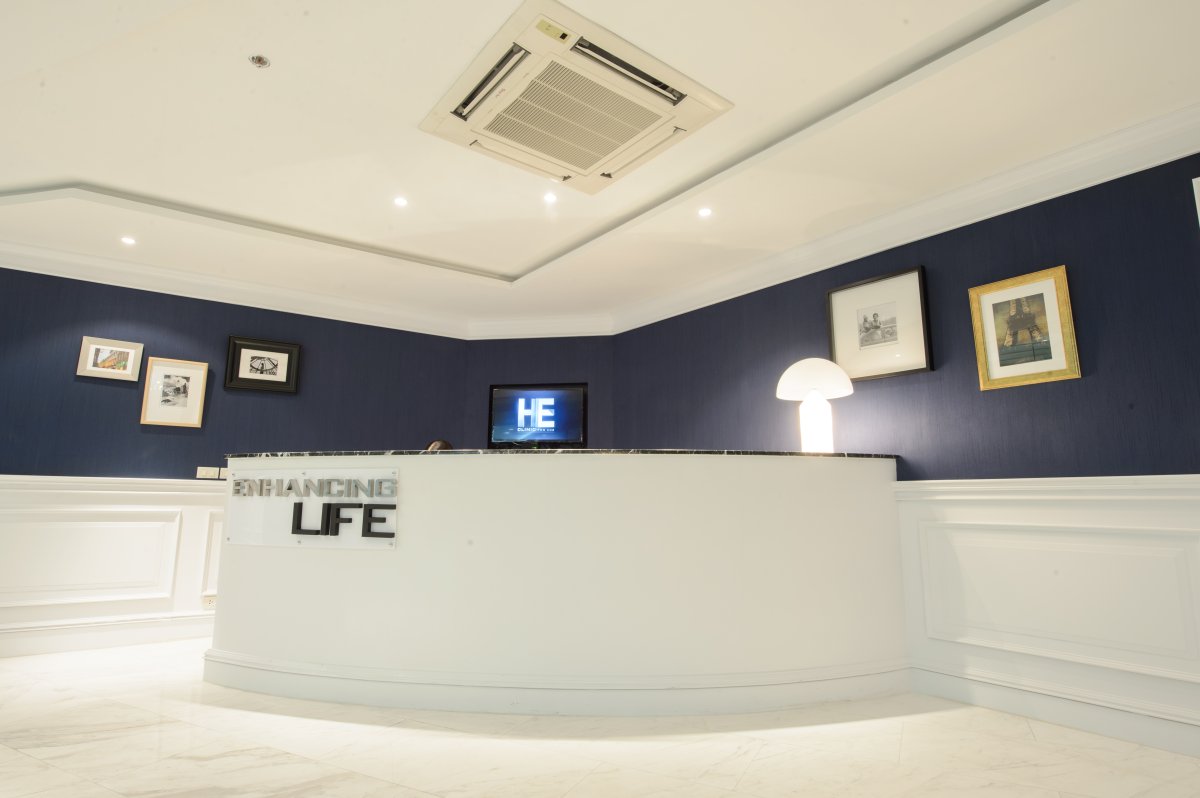
Bookimed Expert Insight: While basic remedies are found in any 7-Eleven, specialized facilities like He Clinic Bangkok offer licensed medical cannabis treatments for varied symptoms. For persistent issues, JCI-accredited centers like Bumrungrad International Hospital serve over 1,000,000 patients annually with advanced diagnostic support.
Patient Consensus: Many find that chewing betel leaf or drinking ginger-lime-honey tea clears coughs within 2 days. Steam inhalation with lemongrass or kaffir lime is often preferred over standard balms for rapid congestion relief.
Last review: Nov 20, 2026
Fahad Mawlood — General practitioner. Winner of 4 scientific awards. Served in Western Asia. Former Team Leader of a medical team supporting Arabic-speaking patients. Now responsible for data processing and medical content accuracy.
Ask a Bookimed medical coordinator about prices, clinics, techniques or your case. Write to us in the messenger you already use.
Tap a messenger to open a chat with a Bookimed medical coordinator.
Free and without obligation · Terms of use · Privacy policy