Ultrasound of carotid arteries in Thailand: costs, clinics and reviews

Last updated: 11/06/2026

Medically reviewed by
Fahad Mawlood
Ultrasound of carotid arteries Prices by Clinic in Thailand

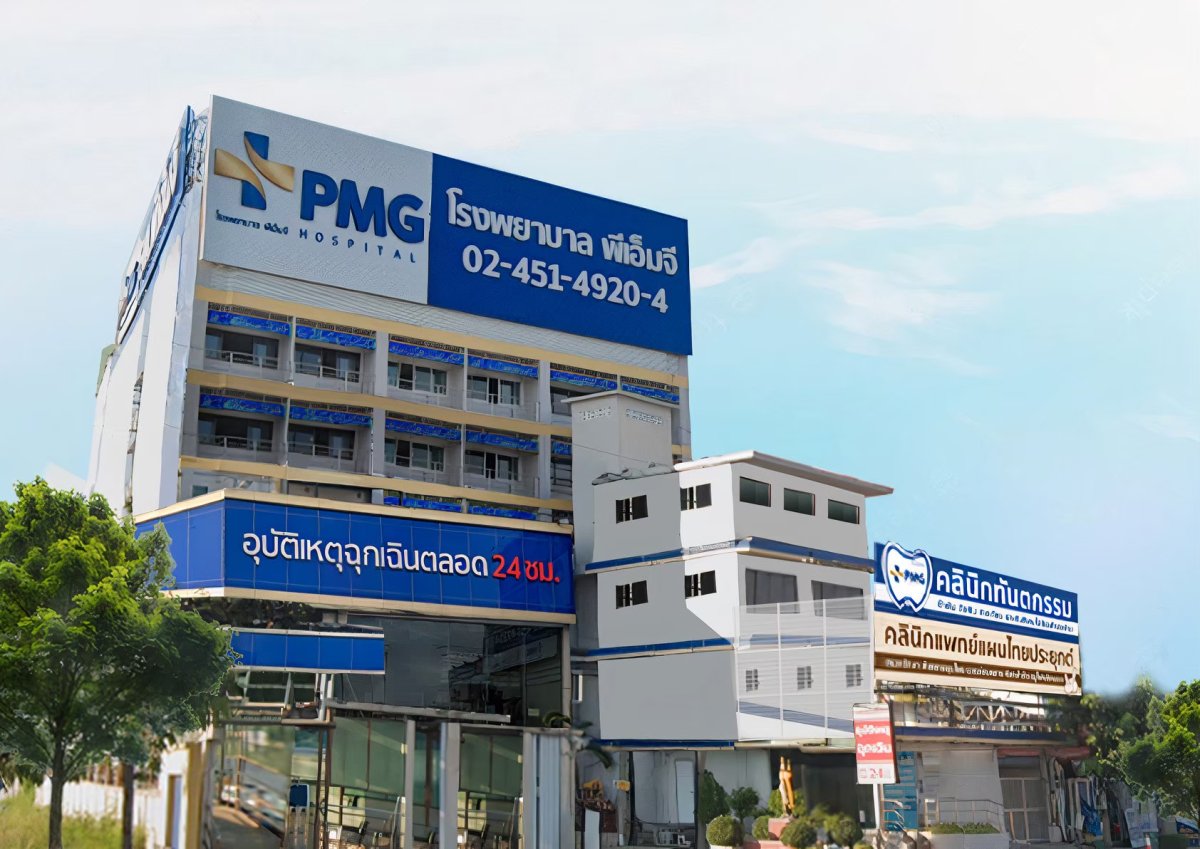
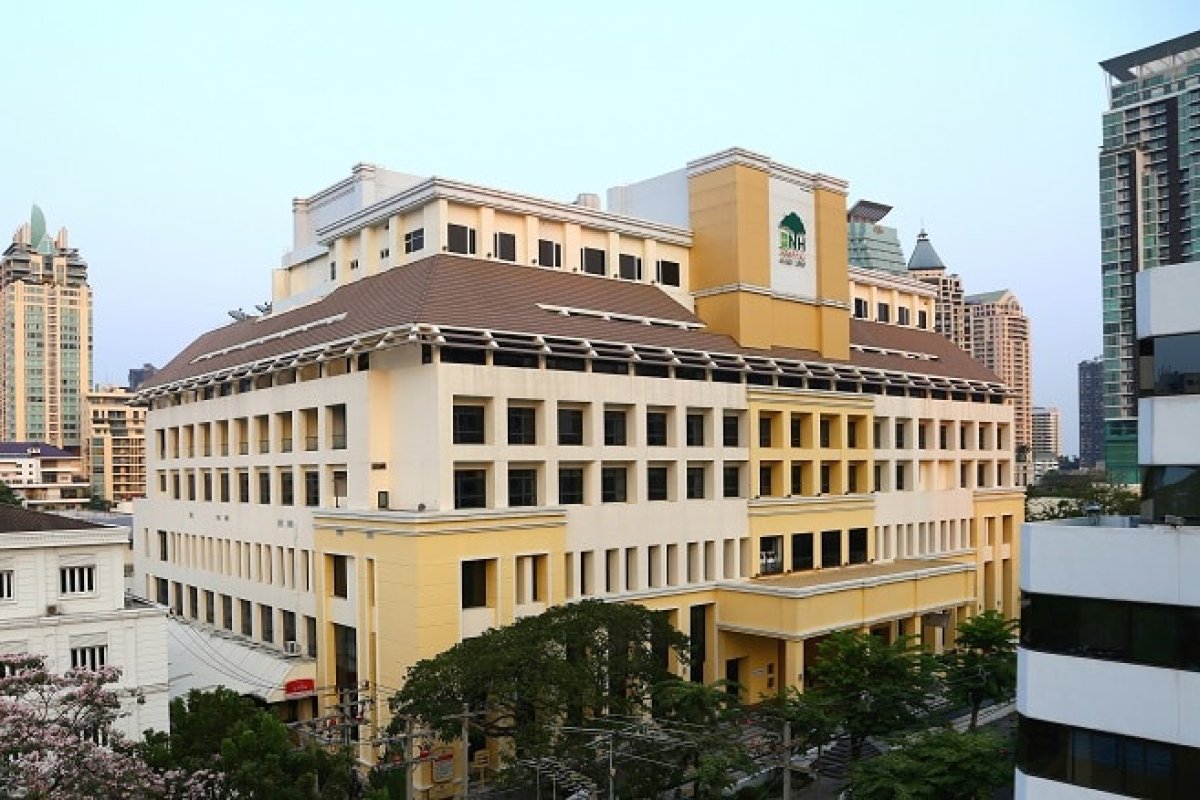
PMG Hospital
sarunyoo Suttipongkeat

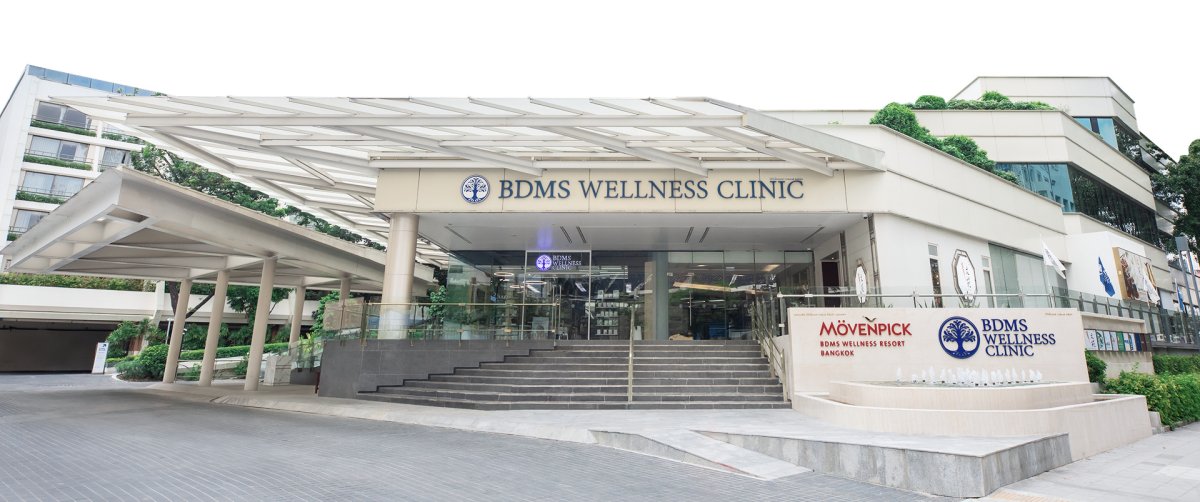
BDMS Wellness Clinic
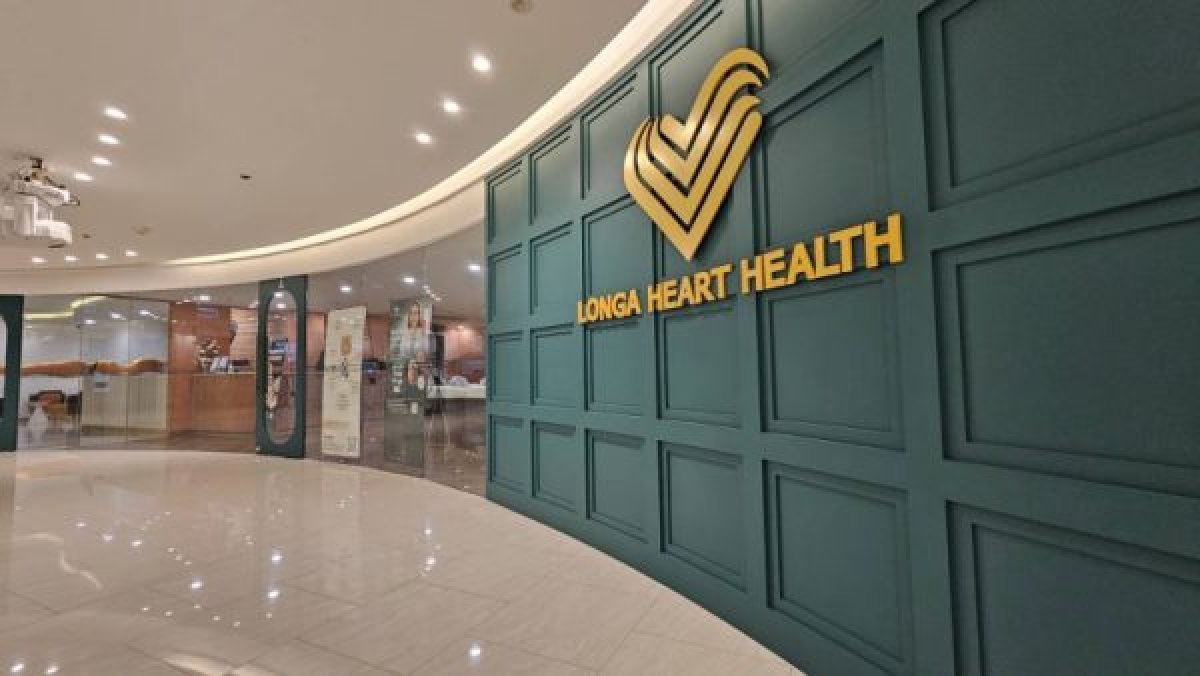
Longa Heart Health Medical Center
Ratanapunt Incharoensakdi



How much does a Ultrasound of carotid arteries cost in Thailand?
Ultrasound of carotid arteries in Thailand typically costs from $110 / ฿3,700 to $160 / ฿5,400. Prices vary based on the clinical setting and the city.
| Thailand | Turkey | Austria | |
|---|---|---|---|
| Ultrasound of carotid arteries | from $110 / ฿3,700 | from $80 / ฿2,700 | ≈ $110 / ฿3,700 |
Discover Ultrasound of carotid arteries Clinics in Thailand
| Clinic Name | Patient Rating | About | Accreditations | Lead Doctor | Techniques |
|---|---|---|---|---|---|
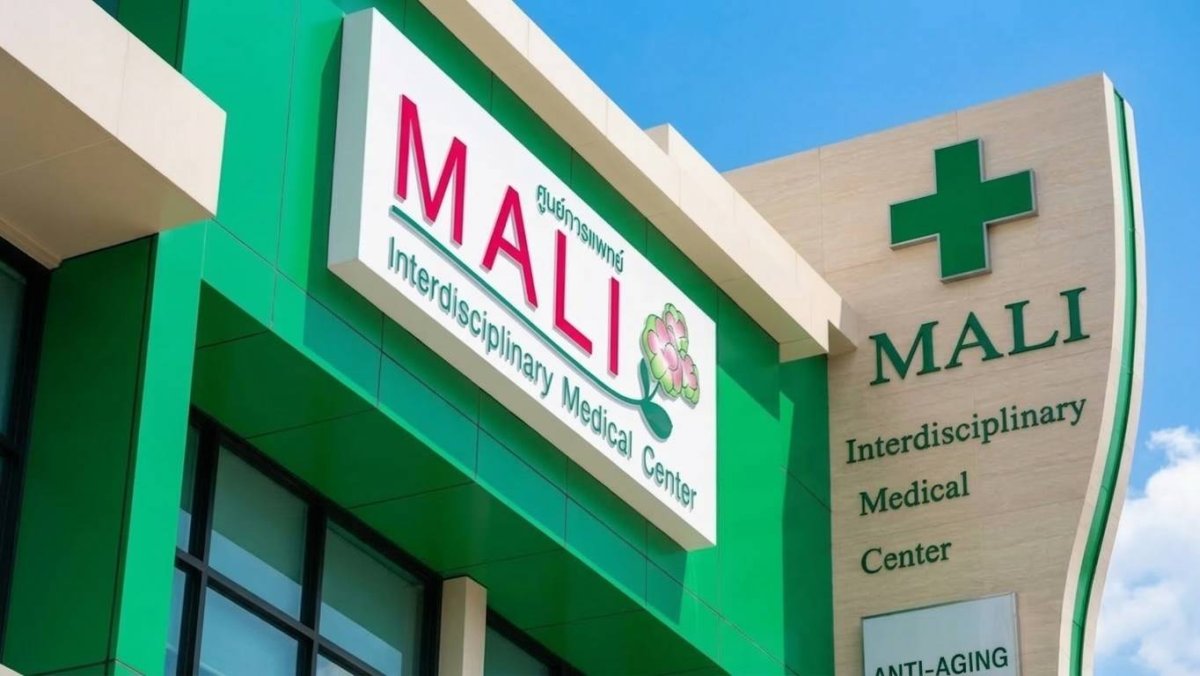
| Mali Interdisciplinary Hospital Bangkok | 5.0 (1 review) | Mali Interdisciplinary Hospital uses Carotid artery CIMT ultrasound to screen for arterial narrowing and blockage. An examination typically costs around $80. The facility holds GHA and AACI accreditation. It also carries certification from the Hospital Quality Certification Institute. This hospital integrates ultrasound screening into diabetes risk assessments for comprehensive cardiovascular monitoring. The laboratory at this Bangkok facility maintains full accreditation for diagnostic accuracy. | GHA | — | Ultrasound of carotid arteries |
| PMG Hospital Bangkok | 5.0 (1 review) | PMG Hospital performs CIMT ultrasound at its dedicated Heart Center. This exam uses high-frequency sound waves to measure carotid artery wall thickness without radiation exposure. The facility holds GHA Conformance and Thailand Hospital Accreditation (HA). It follows 2P Safety Goals for all diagnostic screenings. The test focuses on identifying cardiovascular risk factors in patients with hypertension, diabetes, or metabolic syndrome. Medical teams here provide these screenings for preventive care according to American Heart Association guidelines. | GHA, JCI | sarunyoo Suttipongkeat 17 years | Radiofrequency ablation with 3D mapping |
| BNH Hospital Bangkok | 4.4 | BNH Hospital provides carotid Doppler ultrasound at its dedicated Neuroscience Centre. This JCI-accredited facility uses high-frequency sound waves to assess blood flow and stroke risk. The procedure is non-invasive and requires no special preparation. The hospital is located in Bangkok and holds international quality certification. Specialists at the centre evaluate patients for narrowing or blockages caused by plaque. This diagnostic exam is performed in an outpatient setting for convenient access. | JCI | — | — |
Our Doctors
View all Doctors
Atid Kansawang
Dr. Atid Kansawang is an internal medicine specialist and cardiologist at Intrarat Hospital in Bangkok. He specializes in cardiac ultrasound, pacemaker insertion, and intra-aortic balloon pump procedures. Dr. Kansawang holds certification in advanced cardiovascular life support (ACLS) from the American Heart Association.
- Expert in echocardiography and temporary pacemaker placement.
- Completed specialized training in bile duct cancer ultrasound at Khon Kaen University.
- Certified in botulinum toxin and intradermal injection techniques.
- Works at ISO-certified Intrarat Hospital, which treats 100,000 patients annually.
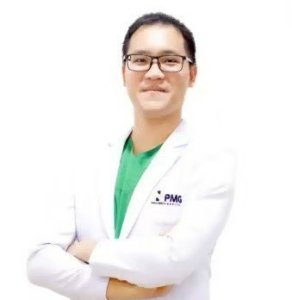
sarunyoo Suttipongkeat
Dr. Sarunyoo Suttipongkeat is an interventional cardiologist at PMG Hospital in Bangkok. He earned his medical degree with Second Class Honors from Mahidol University. Dr. Suttipongkeat has performed over 37,900 procedures during his career. He specializes in treating coronary artery disease, arrhythmia, and chronic heart failure.
- Performs coronary angiography and carotid angioplasty with stenting.
- Provides stem cell therapy for heart disease patients.
- Completed a clinical fellowship in interventional cardiology at Siriraj Hospital.
- Works at PMG Hospital, a GHA-accredited facility for international patients.
Nivit Karla
Dr. Nivit Karla is an interventional cardiologist and cardiac surgeon at PrimeCare Bkk in Bangkok. He specializes in minimally invasive heart procedures and bypass surgery. Dr. Karla trained at Siriraj Medical School and Rajavithi Hospital. He provides bilingual care in English and Thai for adult and pediatric heart conditions.
- Performs coronary angiography, angioplasty, and cardiac valve plastic surgery.
- Treats complex cases using radiofrequency ablation and heart cryoablation.
- Offers stem cell therapy for heart failure and pulmonary hypertension.
- Conducts heart check-ups and diagnostic imaging at a multi-specialty medical center.
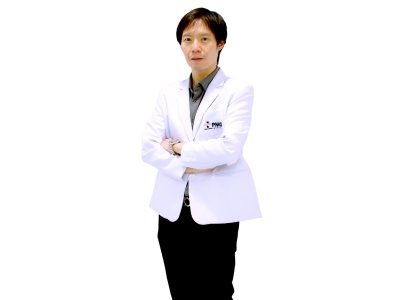
Purich Surunchupakorn
Dr. Purich Surunchupakorn is an interventional cardiologist at PMG Hospital in Bangkok. He earned his medical degree from the prestigious Chulalongkorn University. Dr. Surunchupakorn holds a subspecialty diploma in interventional cardiology. He treats complex conditions like coronary artery disease and heart failure.
- Specializes in carotid angioplasty and stenting to prevent strokes.
- Performs heart cryoablation to treat chronic arrhythmias.
- Manages hypertension and pulmonary vascular disorders.
- Works at PMG Hospital, a GHA-accredited center for international patient care.
Ultrasound of carotid arteries in Thailand: Video Reviews from Bookimed Patients
Share this content
 Anna Leonova

FAQ about Ultrasound of carotid arteries in Thailand
What documents are required to apply for a visa to Thailand for treatment?
Visas for travel to Thailand require a number of documents. The necessary papers can be submitted 90 days before the planned departure. The list of documents includes:
- ID card
- confirmation of online registration and filling out the questionnaire
- certificate of income and availability of funds (20,000 baht per person/40,000 baht per family)
- insurance policy for a stay in Thailand (original and copy)
- 2 photos (4x6)
- visa receipt
- booking of round-trip air ticket (paid in full) and hotel
- medical opinion about the need for treatment.
What is the level of medicine in Thailand?
Healthcare is the key development sector of the Thai government. The Thai authorities are convinced that care for the citizens' health should be an absolute priority of state policy and spend about 25 billion baht for healthcare annually.
As a result, 36,673 medical facilities provide excellent medical care in the country. 64 centers in the Kingdom have certificate of JCI (Joint Commission International), the international improver of healthcare quality and safety across the globe. The index of certificates obtained is the largest. To compare, Israel has 20 JCI-accredited facilities, and Germany — only 10 clinics of this type.
When is the best time to travel to Thailand?
The main advantage of Thai resorts is the long beach season. On the east coast and west coast the climate features are different, so take it into account when planning the trip. The best time to travel is during the cool and dry season between November and early April. A large influx of tourists is in March-May, when the air temperature is +30°C.
What should you know about Thailand before the trip?
Official name | The Kingdom of Thailand |
Currency | Thai Baht (you also can pay for services in dollars) |
Best period for the trip | November-early April |
Language | Thai (most of medical staff speaks English fluently) |
Visa | is required for a trip of 3-6 months |
Time difference with Europe | 7 hours |
Time difference with the USA | 12 hours |
Capital | Bangkok |
Medical tourism center | Bangkok |
Popular resorts | Koh Samui, Phuket, Chiang Mai, Koh Chang, Hua Hin |
What hotel service is provided here?
In the Kingdom of Thailand, hotels of different price ranges and service levels are presented. The level of Thai hotels is comparable to hotels in Tunisia, Morocco or Egypt. Most tourists choose 4 and 5 star hotels with all-inclusive meals. Such hotels have everything for a comfortable stay: varied food, a large well-groomed territory, animation for children and adults. Some hotels have their own water park, which guests can use for free. Budget travelers can afford to book an economical 3-star hotel with half board or no meals at all.
Do I need a visa?
For now, the Kingdom of Thailand requires different visa regimens for diverse states. Some foreigners can stay in the country 60 days without visa control, some of them — only 14 days.
How long you can stay in Thailand and what countries can cross the border easy read here.
Last review: 11/06/2026
Fahad Mawlood — General practitioner. Winner of 4 scientific awards. Served in Western Asia. Former Team Leader of a medical team supporting Arabic-speaking patients. Now responsible for data processing and medical content accuracy.
Have a question about Ultrasound of carotid arteries in Thailand?
Ask a Bookimed medical coordinator about prices, clinics, techniques or your case. Write to us in the messenger you already use.
- Direct prices from clinics
- Free evaluation of your medical case
- Free personal assistance 24/7
Ask your question in a messenger
Tap a messenger to open a chat with a Bookimed medical coordinator.
Free and without obligation · Terms of use · Privacy policy