Vagus nerve stimulation in Thailand: costs, clinics and reviews

Last updated: Nov 19, 2026
Medically reviewed by
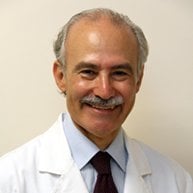
Antonio Russi
How it works
Bookimed is free for patients – clinics pay us a commission, and you pay the clinic its own price with no markup. Five steps to your vagus nerve stimulation in Thailand:
Share your case
Tell us about your epilepsy or depression and share your latest scans and medical reports.
Get treatment plans
Your coordinator finds clinics that match your needs and helps you choose. Your preferred clinics then send personalized treatment plans and quotes for you to compare.
Plan your trip
We set treatment dates that work for you and help arrange your flights and accommodation. If needed, we request a visa support letter from the clinic.
Visit the clinic
The clinic team places your vagus nerve stimulation implant on the agreed dates. We support you throughout your trip.
Recover at home
You can fly home after a 3–5-day stay, and benefits build over 6–24 months. Your coordinator stays in touch and helps arrange a follow-up if you need one.
Some clinics ask for a deposit. A $200 or €200 deposit paid through Bookimed comes off your clinic bill and is refundable up to 10 calendar days before your visit. A deposit paid to the clinic follows its own terms.
Vagus nerve stimulation Prices by Clinic in Thailand

Get matched with the best doctors for Vagus nerve stimulation
Tell us about your needs — and get 3 tailored offers from top doctors for you.
What symptoms are being experienced that may require vagus nerve stimulation?
Direct prices from clinics
Free evaluation of your medical case
Free personal assistance 24/7
Thailand Vagus nerve stimulation overview
Cost and clinics
| Typical vagus nerve stimulation price in Thailand | Clinics | Cities |
|---|---|---|
| $24,000 / ฿816,000–$32,000 / ฿1,088,000 | 1 clinic | Phuket |
The procedure
| Before the trip | Time in Thailand | Operation time | Anesthesia | Back to desk work | Final result |
|---|---|---|---|---|---|
| Get specialist evaluation and pre-op assessment for anesthesia | 3–5 days, including 2–5 nights in hospital | 1–2 hours | General | 7–14 days | 6–24 months |
How much does a Vagus nerve stimulation cost in Thailand?
Vagus nerve stimulation in Thailand is estimated to cost from $24,000 / ฿816,000 to $32,000 / ฿1,088,000. The final estimate depends on the device brand, hospital tier, and preoperative neurological evaluations.
Vagus nerve stimulation in Thailand is estimated to cost from $24,000 / ฿816,000 to $32,000 / ฿1,088,000. The final estimate depends on the device brand, hospital tier, and preoperative neurological evaluations. In the US, this procedure costs $48,000 / ฿1,632,000 on average. Typical surgical packages may include the implantable generator, surgery, anesthesia, and one or two hospital nights.
This is an estimate, not a quote from a specific clinic. Patients comparing hospitals in Bangkok should request itemized estimates; city-specific price comparisons are unavailable. The final amount may also depend on whether the procedure is an initial implant or a later battery replacement.
- Device brand. The selected VNS generator can affect the overall estimate.
- Hospital tier. Higher-tier international hospitals may price differently from local private hospitals.
- Preoperative evaluations. Neurological assessments before surgery can affect the total cost.
- Pediatric care. Procedures for children may cost 10–20% more with specialized pediatric neurosurgery teams.
- Battery replacement. A routine battery change generally costs less than a full system implant.
| Thailand | Turkey | Austria | |
|---|---|---|---|
| Vagus nerve stimulation | ≈ $24,000 / ฿816,000 | from $15,000 / ฿510,000 | ≈ $24,000 / ฿816,000 |
How to choose a Vagus nerve stimulation clinic in Thailand
For vagus nerve stimulation in Thailand, first review your eligibility, then confirm who performs the implant and programming, and ask about the treating doctor's license and follow-up care.
What to check
Review eligibility
Ask for a full consultation that reviews your medical history and suitability before treatment.Confirm the operator
At consultation, ask whether the doctor you meet personally performs the implant and programming, rather than an assistant or technician.Check credentials and team
Ask whether the doctor is licensed by the Medical Council of Thailand, and whether the facility has a multidisciplinary team for screening, implantation, and aftercare.Arrange ongoing care
Before booking, identify who will adjust the device and manage complications after you return home.
Discover Vagus nerve stimulation Clinics in Thailand
| Clinic Name | Patient Rating | About | Accreditations | Lead Doctor | Techniques |
|---|---|---|---|---|---|
| The Demarest Clinic Phuket | 5.0 | The Demarest Clinic specializes in regenerative medicine, backed by AABB-certified cellular therapies. Dr. Tatiana Zhelninova-Bosch, MD, PhD, brings 33 years in cardiology and family medicine, with leadership roles at Hadassah Medical Center and pioneering stem cell therapy research. The clinic focuses on advanced treatments including Vagus nerve stimulation with a commitment to continuous protocol updates through global research networks. | — |  Tatiana Zhelninova - Bosch 33 years | — |
Our Doctors
View all DoctorsTatiana Zhelninova - Bosch
Dr. Tatiana Zhelninova-Bosch is a cardiologist and regenerative medicine specialist at The Demarest Clinic in Phuket. She is a recognized leader in stem cell therapy and clinical trial management. Dr. Zhelninova-Bosch previously served as the Chief Physician and Medical Director of Hadassah Medical Moscow. She treats complex conditions like atherosclerosis, heart failure, and pulmonary hypertension.
- Uses donor and autologous stem cells for heart disease and anti-aging.
- Winner of a Certificate of Honor from the Russian Ministry of Health.
- Former General Manager of Hadassah University Hospital Health Plus in the Middle East.
- Works at Thailand’s first clinic sanctioned for allogeneic stem cell therapy.
Why choose Thailand for a Vagus nerve stimulation
Exploring Thailand as a VNS treatment destination
| Typical price | vs Thailand | |
|---|---|---|
| Thailand (this page) | $24,000 – $32,000 | – |
| United States of America | from $38,000 | +58% |
| Turkey | from $15,000 | −37% |
Vagus nerve stimulation recovery timeline: what to expect week by week
You can usually fly home after 3–5 days with your surgeon’s approval, depending on neck swelling, voice or swallowing symptoms, and flight length. You may return to desk work in 7–14 days, depending on comfort and healing around your neck and chest incisions. Light activity may resume earlier, but strenuous upper-body or vigorous neck exercise usually waits 2–4 weeks and until your incisions heal. Benefits build gradually, with final results taking 6–24 months; seizure reduction often improves over 1–2 years, though response varies and some people do not respond.
Days 0–7
You may have incision soreness, neck swelling, or temporary hoarseness or swallowing discomfort. Keep incisions dry, avoid heavy lifting and vigorous neck movement, and fly home after 3–5 days with your surgeon’s approval.
Weeks 2–4
Your incisions heal, and stimulation is typically activated and gradually increased during clinic visits, often 2–4 weeks after implantation. Avoid strenuous upper-body exercise until your clinician clears you.
Months 1–12
Your clinic team adjusts stimulation settings step by step and monitors how you respond.
When to contact your clinic: Contact your clinic about incision redness, swelling, or drainage, or painful or irregular stimulation. Trouble breathing or swallowing needs emergency care. For chest pain or sudden breathlessness after a long flight, seek emergency help locally.
Is a Vagus nerve stimulation in Thailand safe?
Traveling to Thailand for a Vagus nerve stimulation
Vagus nerve stimulation in Thailand: Video Reviews from Bookimed Patients
Thailand Vagus nerve stimulation Reviews at Bookimed: Discover Patients' Insights
View all
Share this content
 Anna Leonova
FAQ about Vagus nerve stimulation in Thailand
What are the expected results for epilepsy patients after VNS therapy?
Vagus nerve stimulation (VNS) for epilepsy results in progressive seizure reduction rather than immediate relief. Approximately 40% to 50% of patients see a 50% reduction in seizures within months. This success rate often improves to 60% or 65% after two to four years of therapy.
- Seizure freedom: Total seizure elimination is rare, occurring in only 5% to 8% of patients.
- Long-term gains: Benefits accumulate over time, with some patients seeing 75% reduction after eight years.
- Quality of life: Improving alertness, mood, and memory occurs in roughly 30% to 60% of cases.
- Manual control: Handheld magnets allow patients to trigger extra stimulation to potentially abort oncoming seizures.
Bookimed Expert Insight: While many focus on seizure counts, the real value in Thailand’s specialized centers is the reduction in post-ictal recovery time. Data suggests that even if seizure frequency stays stable, the intensity often drops. This allows patients to return to daily activities much faster after an event.
Patient Consensus: Patients often find that mood improvements appear before seizure reduction. Many emphasize that frequent programming tweaks with an epileptologist are essential to balance voice hoarseness against therapeutic benefits.
Which are the best hospitals for Vagus Nerve Stimulation in Thailand?
The best hospitals for Vagus Nerve Stimulation (VNS) in Thailand include JCI-accredited facilities like Bumrungrad International Hospital and Vejthani Hospital. These Bangkok-based centers specialize in drug-resistant epilepsy, utilizing advanced neuro-imaging and stereotactic guidance for precise device implantation. Costs typically range from $24,000 to $32,000.
- Bumrungrad International Hospital: Features a dedicated Neuroscience Center recognized for treating complex refractory epilepsy cases.
- Vejthani Hospital: Quaternary care facility offering specialized neuromodulation for patients with neurological conditions.
- Bangkok International Hospital: Mentions a specialized Brain x Bone hub for rare epilepsy disorders.
- Samitivej Srinakarin Hospital: Provides pediatric neurology expertise for VNS procedures in children and adults.
Bookimed Expert Insight: While Thailand offers significant savings of up to 42% compared to US costs, location matters. Most VNS expertise is concentrated in Bangkok, with The Demarest Clinic in Phuket serving as a secondary hub for regenerative protocols. Patients should prioritize hospitals with 24/7 ICU support and English-speaking neurosurgical teams.
Patient Consensus: Patients emphasize the importance of verifying a surgeon's specific VNS track record and suggest arranging pre-operative teleconsultations. There is a strong preference for centers like Bumrungrad that maintain dedicated epilepsy units for long-term device programming.
How long is the surgery and hospital stay?
Vagus nerve stimulation surgery in Thailand typically takes 1 to 3 hours to complete. Most patients undergo the procedure under general anesthesia. You should expect a hospital stay of 1 to 4 days for monitoring and initial device adjustments before discharge.
- Surgery duration: The implantation procedure usually lasts between 1 and 3 hours.
- Hospital stay: Most patients remain in the facility for 1 to 4 days post-operatively.
- Anesthesia type: Surgeons typically perform the procedure using general anesthesia for patient comfort.
- Initial recovery: Patients often spend 45 minutes to 2 hours in the recovery room.
Bookimed Expert Insight: While clinical data suggests a 4-day stay, many Thai facilities offer same-day discharge. Our data shows clinics like The Demarest Clinic focus on streamlined protocols. This efficiency often reduces total costs for international patients without compromising safety standards.
Patient Consensus: Patients report that while post-op swelling lasts a week, the primary recovery focus is device tuning. Many recommend staying in Thailand for at least 7 days to complete initial programming sessions.
Who are the top specialists for VNS in Thailand?
Top VNS specialists in Thailand include Dr. Alongkorn Jaiimsin and Dr. Atthaporn Boongird, who treat complex epilepsy at JCI-accredited centers in Bangkok. These neurosurgeons possess over 27 years of experience, specializing in functional neurosurgery and vagus nerve stimulation for medication-resistant neurological conditions.
- Dr. Alongkorn Jaiimsin: Neurosurgeon with 29 years of expertise in VNS and stereotactic radiosurgery.
- Dr. Atthaporn Boongird: Functional neurosurgery specialist at Bumrungrad International Hospital, trained at the Cleveland Clinic.
- Dr. Tatiana Zhelninova-Bosch: Lead specialist at the Demarest Clinic in Phuket with 33 years experience.
- Dr. Pongsathorn Ruengronghirunya: Board-certified neurologist leading the comprehensive epilepsy care team at Bumrungrad International.
Bookimed Expert Insight: Thailand ranks 9th globally for medical requests, yet VNS remains a highly specialized niche. Patients should prioritize surgeons at Bumrungrad or Bangkok Hospital Headquarter. These facilities maintain higher VNS caseloads, which typically correlates with better implant precision and fewer post-surgical adjustments.
Patient Consensus: Focus on the surgeon's specific VNS caseload rather than just the hospital's reputation. Practical advice highlights that centers with dedicated epilepsy clinics offer more reliable long-term device monitoring.
What are common side effects after Vagus nerve stimulation?
Common side effects of Vagus nerve stimulation include vocal hoarseness, throat tickling, and coughing during electrical pulses. Most symptoms occur only when the device is active. These effects typically subside as the body adapts or after doctors adjust the stimulation parameters.
- Voice changes: Intermittent hoarseness or breathy voice affects 70–90% of patients during stimulation cycles.
- Respiratory issues: Patients often experience a tickle cough or mild shortness of breath during bursts.
- Physical sensations: Neck pain or a prickling feeling in the skin may occur near lead sites.
- Surgical risks: Rare complications include infection at the generator site or mild difficulty swallowing post-surgery.
Bookimed Expert Insight: While side effects are common, they are highly manageable through refined programming. In clinics like The Demarest Clinic in Phuket, experts emphasize a low-and-slow approach. Starting with lower currents allows the body to desensitize. This significantly reduces initial throat irritation and voice robotization during the first 3 months.
Patient Consensus: Patients describe the sensation as having a frog in the throat that disappears when stimulation stops. Use a diary to track symptoms so doctors can precisely tune the device during follow-up visits.
Last review: Nov 19, 2026
Antonio Russi — Prof. Antonio Russi is recognized as the best epileptologist in Spain. The Doctor specializes in non-surgical therapy of severe and rare epilepsy stages. He helps children and adults to get rid of seizures for good. Prof. Antonio Russi is an apparent expert in epilepsy diagnosing and choosing the most appropriate drugs in each particular case. Medication therapy helps patients in 70% of cases. Prof. Russi is included in the ranking of Top 100 Spanish doctors by the Forbes magazine, the world's authoritative edition.
Have a question about Vagus nerve stimulation in Thailand?
Ask a Bookimed medical coordinator about prices, clinics, techniques or your case. Write to us in the messenger you already use.
- Direct prices from clinics
- Free evaluation of your medical case
- Free personal assistance 24/7
Ask your question in a messenger
Tap a messenger to open a chat with a Bookimed medical coordinator.
Free and without obligation · Terms of use · Privacy policy