Osteoarthritis treatment in Turkey — get 3 personalized clinic matches

Medically reviewed by
Kayhan Turan
How it works
What's the Cost of Osteoarthritis Diagnosis and Treatment in Turkey?
Osteoarthritis treatment cost in Turkey typically includes a consultation with an orthopaedist ranging from $80 to $210, while primary surgical options like knee replacement run $3,500 to $10,100. Total expenses depend on the joint involved, whether robotic technology is used, and the chosen clinic tier. Patients often save 50–70% compared to the US. Top cities for these orthopedic procedures include Istanbul, Bursa, and Antalya.
Typical Osteoarthritis Treatment Costs in Turkey
- Consultation with an orthopaedist: $80 – $210
- Knee replacement: $3,500 – $10,100
- Knee arthroscopy: $1,800 – $6,900
- MAKOplasty: $8,000 – $13,500
- Stem cell therapy for knees: $3,500 – $6,500
- Osteoarthritis stem cell treatment: $2,500 – $5,000
- Curcumin IV therapy: $900 – $2,000
Bookimed Expert Insight: Patients seeking advanced precision should consider robotic-assisted options. Turan Turan Health Group specializes in robotic bilateral knee replacements for approximately $25,000. These comprehensive packages include luxury transfers and 15 days of total recovery support. For complex combined cases, JCI-accredited centers like Hisar Hospital Intercontinental or Istanbul Florence Nightingale provide high-volume expertise. These facilities utilize specialized imaging like EOS devices to reduce radiation during orthopedic mapping. Early-stage patients may find better value in regenerative therapies at dedicated multi-specialty hubs in Istanbul.
| Turkey | Austria | Spain | |
|---|---|---|---|
| TransArterial MicroEmbolization (TAME) | ≈ $3,800 | ≈ $4,800 | ≈ $4,200 |
| Total Knee Replacement (Arthroplasty) | from $7,800 | ≈ $16,500 | from $12,700 |
| Stem cell therapy for knees | from $3,500 | ≈ $2,800 | ≈ $2,800 |
| Osteoarthritis stem cell treatment | ≈ $2,500 | ≈ $2,500 | ≈ $2,800 |
| MAKOplasty | from $8,000 | ≈ $14,500 | ≈ $9,800 |
Best Osteoarthritis Treatment Centers in Turkey: 50 Verified Options and Prices
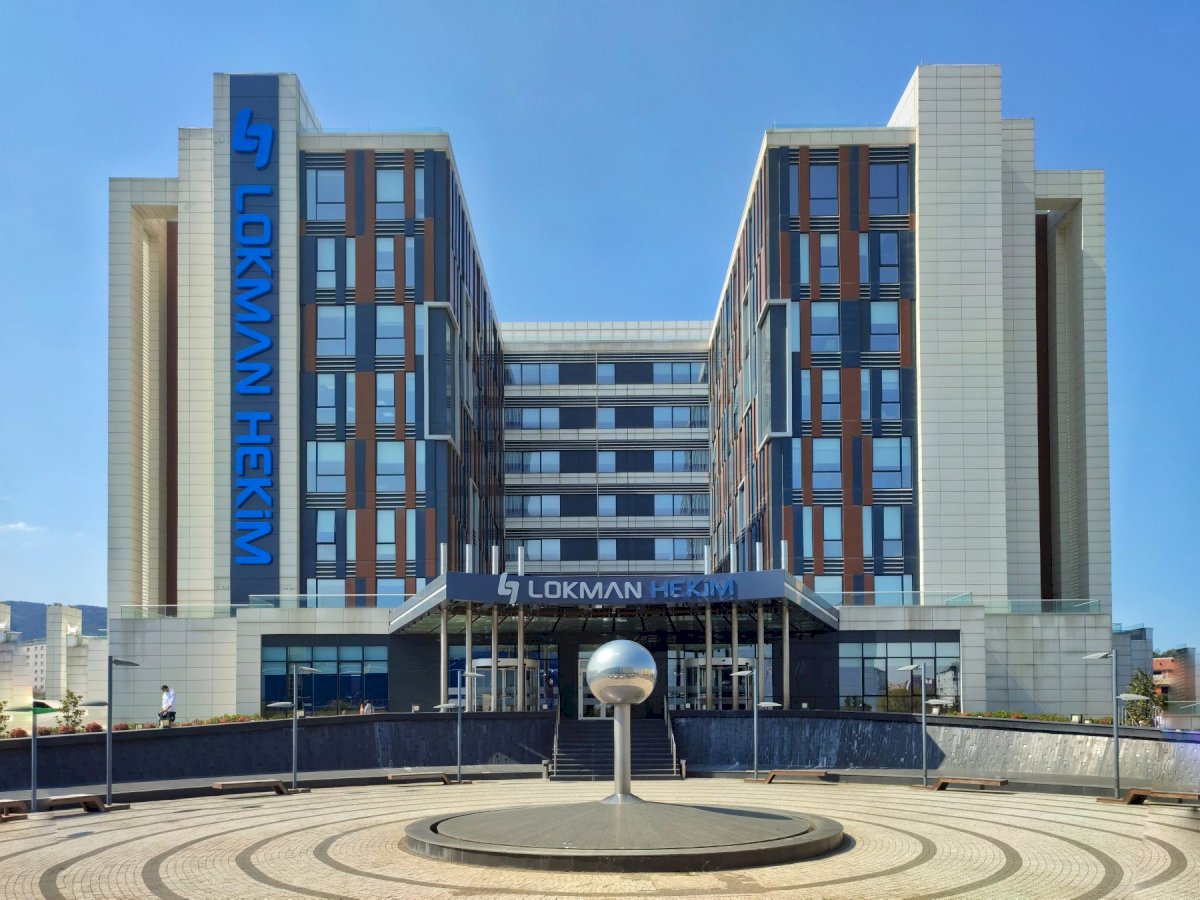

Istanbul Florence Nightingale Hospital
Eyup Bakmaz



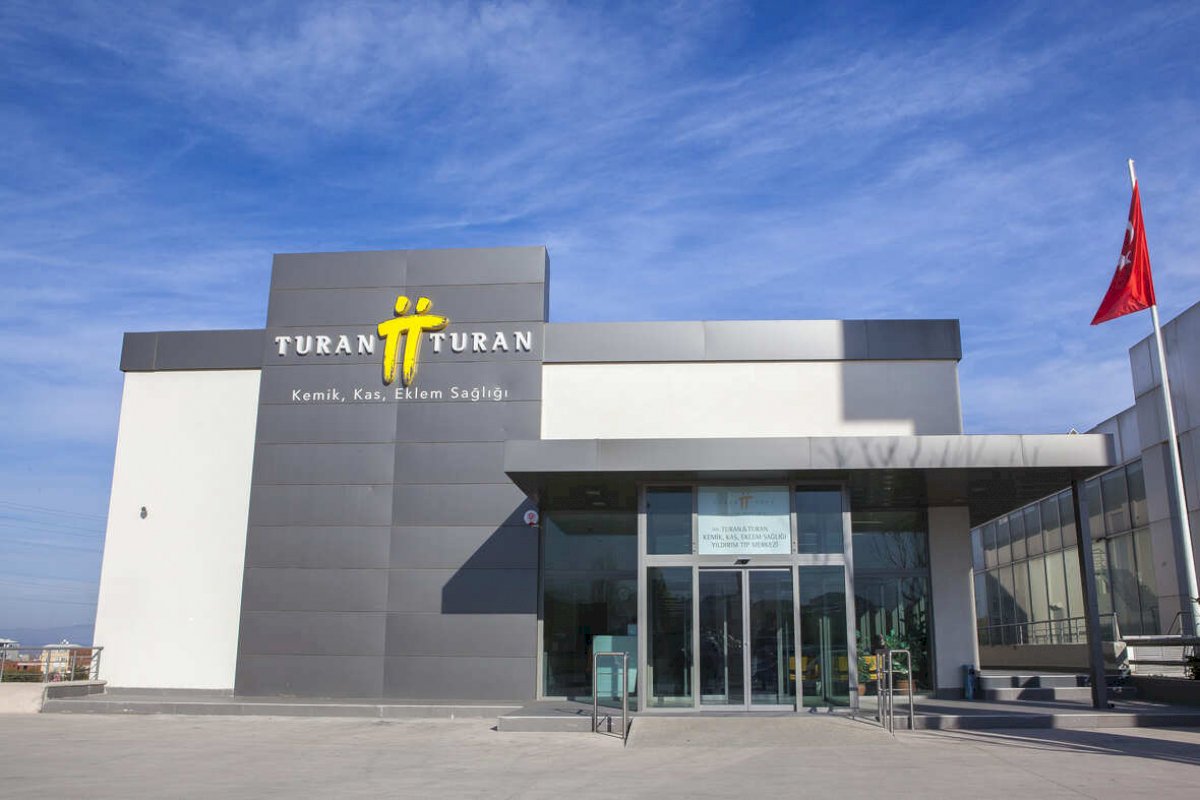
Turan Turan Health Group
Kayhan Turan



Hisar Hospital Intercontinental
Selman Dogan






Memorial Ataşehir Hospital
Vahit Mutluu



Get a Medical Assessment for Osteoarthritis Treatment in Turkey: Consult with 96 Experienced Doctors Now
View all Doctors
Olcay Guler
Dr. Olcay Guler is an orthopedics and traumatology specialist at Memorial Şişli Hospital in Istanbul. He manages complex bone and joint conditions within a JCI-accredited facility. Dr. Guler previously held academic roles at Altınbaş University and Medipol University. He treats patients at one of Turkey’s most active private medical centers.
- Practices at Memorial Şişli, the first hospital in Turkey to earn JCI accreditation.
- Served as a specialist at Bahçelievler Medical Park and Medipol University.
- Treats a wide variety of orthopedic injuries and musculoskeletal disorders.
- Works in a facility that hosts patients from over 160 countries annually.
Kayhan Turan
Performed Turkey's first robotic knee and hip replacements – Dr. Turan leads the Robotic Orthopedic Surgery Center with 2,000+ robotic surgeries.
- Trained in the kinematic knee technique by Steven Howell
- Director of TT Orthopedic Academy, training surgeons internationally
- Member of Arthroscopy Association of North America (AANA)
- Uses Journey II knee prosthesis system

Turkan Tunerir
Vahit Mutluu
Dr. Vahit Mutlu is a general surgeon at Memorial Ataşehir Hospital in Istanbul. He specializes in weight loss interventions, including gastric sleeve and bypass surgery. He has published research in the fields of bariatric and gastrointestinal surgery. Dr. Mutlu works at a JCI-accredited facility known for high surgical success rates.
- Performs endoscopic sleeve gastroplasty, gastric balloon, and stomach stapling.
- Treats endocrine and proctological conditions alongside obesity cases.
- Developed clinical experience at Turkish research and training hospitals.
- Author of multiple scientific studies focused on surgical research.
Reviews about Bookimed: Discover Patients' Insights
All reviewsShare this content
Video Stories from Bookimed Patients
 Anna Leonova
Expert Overview about Osteoarthritis Treatment in Turkey
Is osteoarthritis treatment in Turkey safe and what accreditations should I look for?
Turkish osteoarthritis treatment is safe when performed in JCI-accredited facilities. Surgeons follow international protocols. Many specialists hold certifications from the European Federation of National Associations of Orthopaedics and Traumatology. Modern clinics use robotic systems like MAKO for high precision during joint replacements.
- International accreditations: Prioritize Joint Commission International (JCI) and ISO 9001 certified hospitals.
- Ministry licensing: Verify the International Health Tourism Authorization Certificate from the Ministry of Health.
- Surgeon credentials: Look for members of the American Academy of Orthopaedic Surgeons.
- Advanced technology: Top centers utilize EOS low-radiation imaging and robotic-assisted surgical systems.
Bookimed Expert Insight: Quality indicators in Turkey often depend on procedure volume. Memorial Sisli Hospital was the first JCI-accredited facility in Turkey. It performs over 900 orthopedic procedures every year. High patient volumes typically lead to better surgical predictability and safety. Some clinics like Turan Turan specialize specifically in bone health. This niche focus often provides more personalized rehabilitation paths than general hospitals.
Patient Consensus: Patients note the cleanliness of Turkish hospitals is a major relief. Many emphasize that having a dedicated translator helps them feel safe during surgery.
How long will I stay in Turkey for hip or knee osteoarthritis surgery?
Most patients spend 10 to 14 days in Turkey for hip or knee surgery. This window covers pre-operative tests and a 3 to 5 day hospital stay. You will remain in a local hotel for 7 to 10 days for follow-up care.
- Hospital stay: Expect 3 to 5 days for surgery, monitoring, and early rehabilitation.
- Follow-up period: Stay 7 to 10 days post-discharge for wound checks and sutures.
- Travel clearance: Surgeons issue a fit-to-fly certificate 10 to 14 days after the procedure.
- Long-haul extension: Patients from North America often stay 21 days to prevent blood clots.
Bookimed Expert Insight: Turkish clinics frequently use robotic-assisted systems for joint replacements. While these procedures improve precision, they do not necessarily shorten your mandatory stay in Turkey. The 10-day minimum remains vital for monitoring surgical incisions before long-distance air travel.
Patient Consensus: Patients note that staying the full 14 days proves essential for physical therapy. Many recommend booking extra legroom for the flight home to manage post-operative swelling.
What surgical and non-surgical options are available for osteoarthritis in Turkey?
Turkey offers advanced osteoarthritis treatments including robotic-assisted joint replacement and regenerative cell therapies. Surgeons specialize in minimally invasive arthroscopy and joint realignment. Leading centers prioritize Joint Commission International (JCI) accreditation. These protocols focus on rapid recovery and long-term joint mobility.
- Regenerative medicine: Stem cell and Platelet-Rich Plasma (PRP) promote natural joint repair.
- Robotic surgery: Mako SmartRobotics ensures sub-millimeter precision for total knee and hip implants.
- Arthroscopic procedures: Minimally invasive keyhole surgery cleans joint debris to reduce pain.
- Joint realignment: Osteotomy shifts weight to healthy cartilage, delaying the need for replacement.
Bookimed Expert Insight: Data shows Turkish orthopedic centers like Medipol University Hospital handle high patient volumes. They manage over 65,000 procedures annually across various specialties. This high volume allows surgeons to master specific robotic systems. Some packages offer 5-day hospital stays to ensure proper initial rehabilitation.
Patient Consensus: Patients value how surgeons explain every step of the recovery process. Many emphasize that having a translator present during consultations makes complex surgical details much easier to understand.
When can I walk again and return to daily activities after joint replacement in Turkey?
Patients in Turkey typically take their first steps with assistance within 24 hours of surgery. Most achieve independent walking without a walker by the sixth week. You can usually return to light daily chores and desk work within 2 to 4 weeks.
- Hospital discharge: Patients typically leave the hospital within 1 to 3 days after surgery.
- Walking transition: Transition from walkers to canes generally occurs by the third week.
- Driving timeline: Independent driving is typical after 4 to 8 weeks with full muscle control.
- Travel safety: Staying in Turkey for 7 to 10 days ensures proper wound monitoring.
- Physical labor: Returning to heavy manual work usually requires at least 3 months.
Bookimed Expert Insight: Recovery speeds vary significantly based on the surgical approach used at Turkish centers. Patients choosing clinics with robotic-assisted systems often report faster early mobilization. This technology helps surgeons achieve precise implant alignment. Better alignment can lead to more natural movement during the first 3 weeks.
Patient Consensus: Patients note that sticking to the daily physical therapy plan is the hardest part. They emphasize that early movement feels strange but helps significantly with long-term stiffness.
Which Turkish cities are preferred for osteoarthritis care and why?
Istanbul, Ankara, and Bursa are the primary hubs for osteoarthritis treatment in Turkey. These cities feature Joint Commission International accredited hospitals. They utilize advanced robotic-assisted systems for joint replacement. Patients choose these locations for high surgical precision and significantly shorter recovery periods.
- Robotic technology: Surgeons use systems like Navio and Mako for precise implant alignment.
- Specialized expertise: Highly trained orthopedic surgeons perform complex joint preservation and replacement procedures.
- Accreditation standards: Most preferred facilities maintain Joint Commission International certification for patient safety.
- Integrated therapy: Clinics combine surgery with physical therapy and regenerative medicine like PRP.
Bookimed Expert Insight: Istanbul remains the most requested city due to the sheer volume of specialized clinics. Our data shows hospitals here like Memorial or Hisar Intercontinental often bundle luxury services. Some packages include 5-star hotel stays and VIP transfers as standard features. This makes the logistics easier for patients with limited mobility.
Patient Consensus: Patients often mention how much they appreciate the seamless door-to-door service provided. Many say having a translator present during every doctor talk made them feel much safer.
Will I have visible scars after arthroplasty or arthroscopy in Turkey?
Visible scarring depends on the surgical method used by Turkish orthopedic specialists. Arthroscopy uses tiny incisions under 1 centimeter. This results in minimal buttonhole-sized marks. Arthroplasty requires a larger incision for joint replacement. It leaves a permanent but fading linear scar.
- Arthroscopy size: Surgeons make 2 to 4 incisions of 0.5 to 1 centimeter.
- Arthroplasty size: Open procedures require a 4 to 10 inch incision for access.
- Closure technology: Clinics may use skin adhesives like Prineo for smoother cosmetic results.
- Healing timeline: Most surgical scars flatten and lighten significantly over 1 to 2 years.
Bookimed Expert Insight: Turkish orthopedic centers often specialize in high-volume joint procedures. Anadolu Medical Center and Memorial Bahcelievler serve thousands of international patients annually. Their surgeons frequently use internal sutures to avoid staple marks on the skin. This technique helps the scar blend naturally with surrounding tissue as it matures.
Patient Consensus: Patients mention that arthroscopy marks often look like small freckles after healing. Those undergoing full replacements note that surgeons try to place incisions along natural skin folds.
What language support and aftercare can medical tourists expect?
Medical tourists in Turkey receive 24/7 linguistic assistance and structured postoperative support. Specialized International Patient Departments bridge communication gaps during consultations. Clinics provide translated records and recovery protocols. Dedicated coordinators manage logistics like airport transfers and local accommodations for osteoarthritis patients.
- Language assistance: On-site interpreters provide real-time translation during medical consultations and emergencies.
- Document translation: Hospitals supply discharge instructions and physical therapy guides in English.
- Personal coordinators: Dedicated staff assist with hospital navigation and medication management tasks.
- Recovery monitoring: Specialists coordinate follow-up plans with home-country doctors for continuity.
Bookimed Expert Insight: Turkish clinics often package aftercare with extended hotel stays. Anadolu Medical Center and Memorial Bahcelievler serve thousands of international patients annually. Their coordinators manage high volumes by streamlining pharmacy visits and transfer logistics. This helps patients focus entirely on their mobility rehabilitation.
Patient Consensus: Patients note that having a personal coordinator reduces stress significantly. They emphasize that clear translated instructions make following physical therapy at home much easier.