Atherectomy in Turkey — Get 3 Top Clinic Matches with Costs

Medically reviewed by
Abdulcabbar Kartal
How Much Does Atherectomy Cost in Turkey?
Atherectomy in Turkey typically costs from $1,400 to $9,000, depending on the plaque complexity and the required technology like rotational or laser systems. Patients save around 75% compared to the US, where the average price is $21,000. Standard Turkish hospital packages generally include the surgical procedure, preoperative diagnostic cardiology tests, and a multi-day stay in a private hospital room.
- Hybrid procedures: Costs increase by 15-20% if stenting is performed alongside the atherectomy.
- Major medical hubs: Main destinations for advanced cardiac care include Istanbul, Ankara, and Izmir.
- Advanced diagnostics: High-resolution imaging like 640-slice CT scans may add to the base price.
- Facility tier: JCI-accredited hospitals in Istanbul typically charge a premium for their international safety protocols.
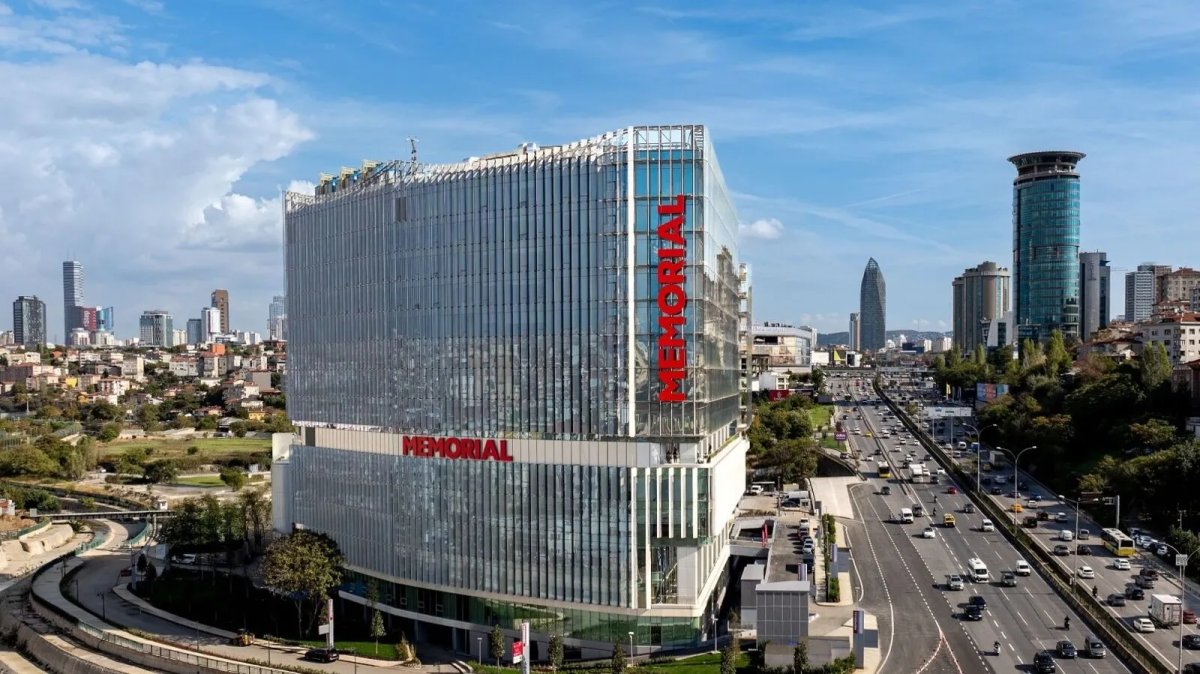
Bookimed Expert Insight: Choosing a multi-specialty center like Anadolu Medical Center or Memorial Şişli offers superior value. These facilities are JCI-accredited and maintain long-standing affiliations with top US institutions like Johns Hopkins. While specialized packages at Hisar Hospital start around $6,500, they often provide all-inclusive care. This covers the surgery and cardiac diagnostics, ensuring no unexpected expenses during your hospital stay.
| Turkey | Austria | Spain | |
|---|---|---|---|
| Atherectomy | from $1,400 | ≈ $7,500 | ≈ $7,500 |
Your Benefits and Guarantees with Bookimed
Transparent Prices & Flexible Installments
No hidden fees – just official clinic prices. Pay at the clinic for Atherectomy upon arrival and use a flexible installment plan if needed.
Verified Clinics & Doctors Only
Bookimed is committed to your safety. We only work with medical institutions that maintain high international standards in Atherectomy and have the necessary licenses to serve international patients worldwide.
Free 24/7 Assistance
Bookimed offers free expert assistance. A personal medical coordinator supports you before, during, and after your treatment, solving any issues. You're never alone on your Atherectomy journey.

Your personal Bookimed medical coordinator
- Supports you at every stage
- Helps choose the right clinic and doctor
- Ensures quick and convenient access to information
Discover the Best Atherectomy Clinics in Turkey: 14 Verified Options and Prices

Hisar Hospital Intercontinental
Faruk Gencoglu





Memorial Göztepe Hospital





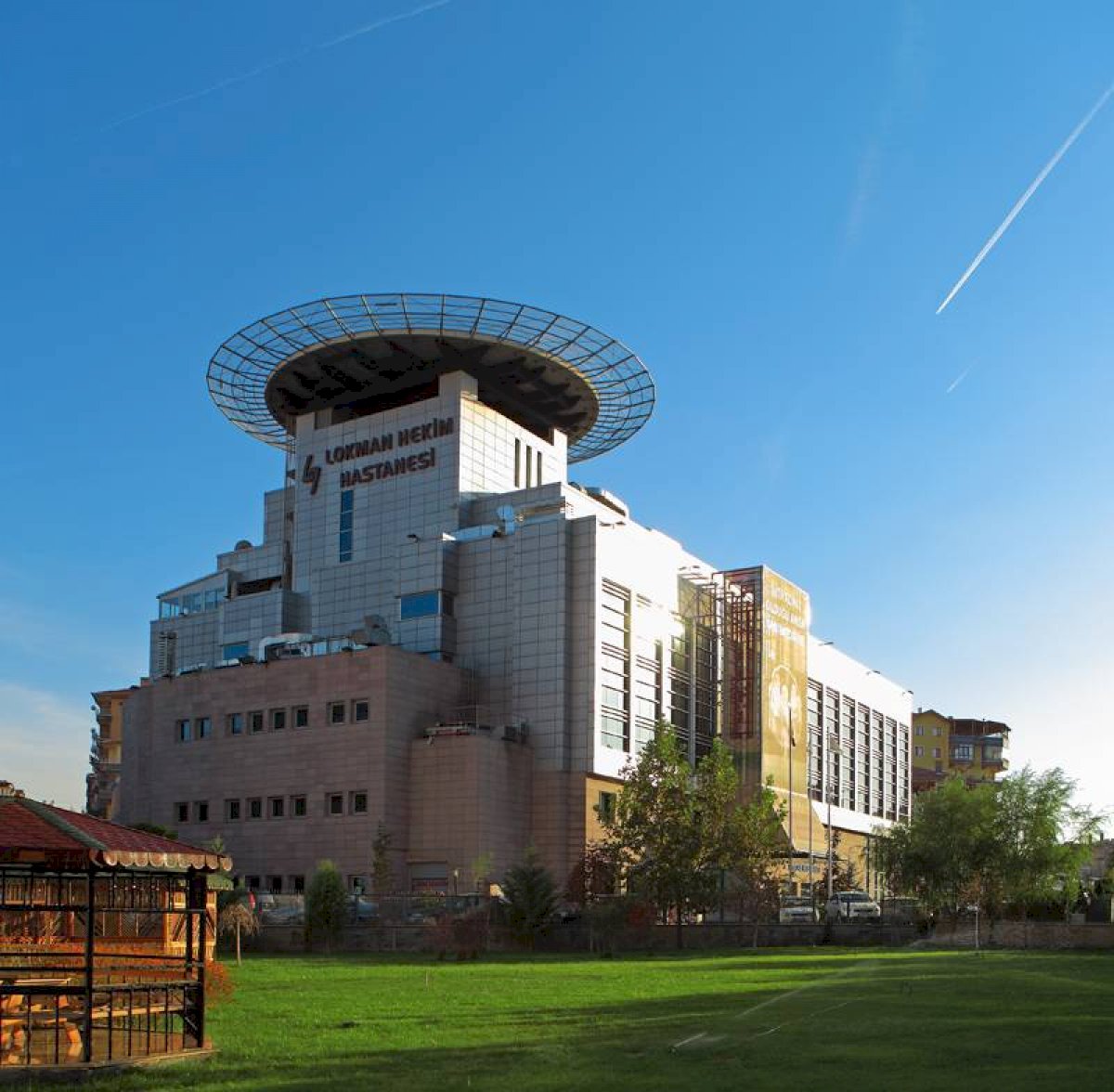
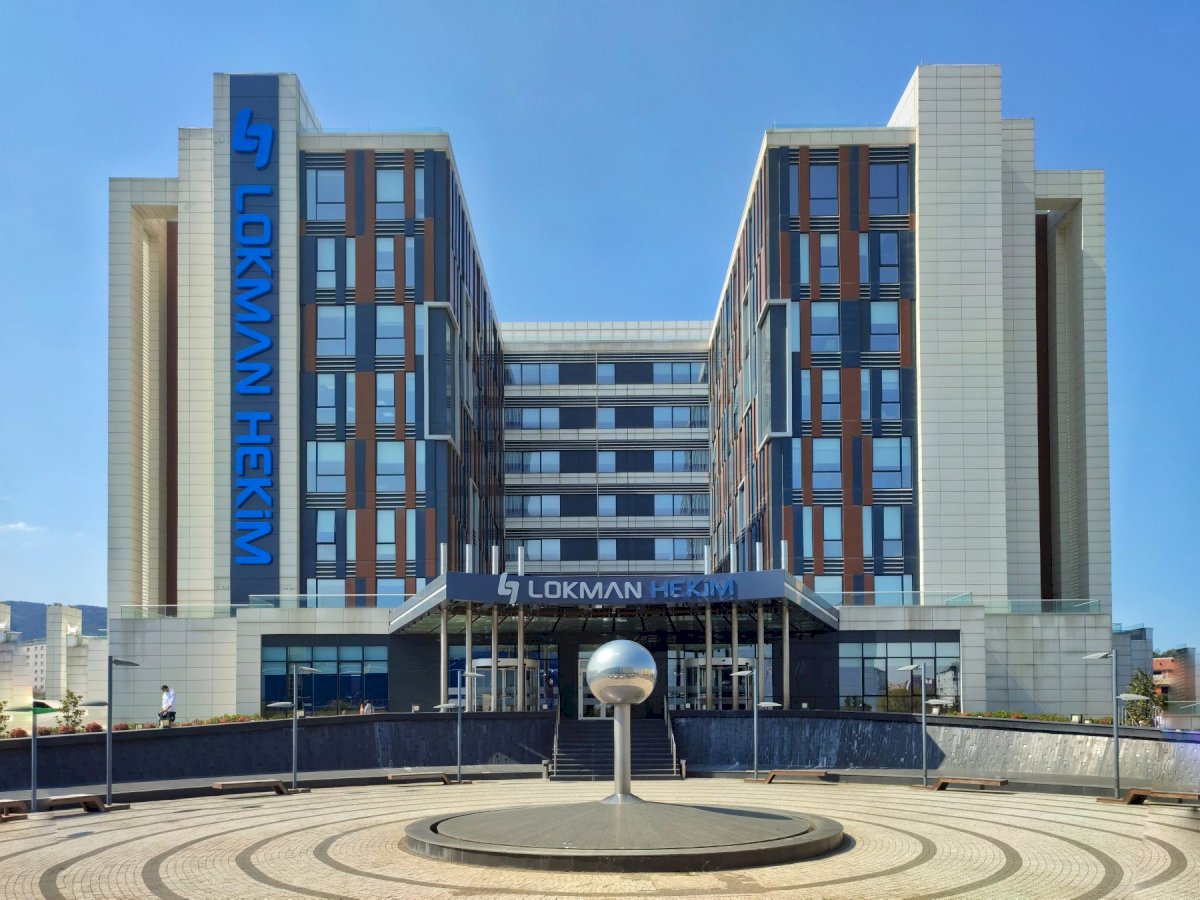
Lokman Hekim University Ankara Hospital
Yunus Nazli









Atherectomy Overview in Turkey
- Umbilical hernia repair - from $2,200The operation fixes a bulge near the navel, reducing discomfort and preventing dangerous complications.
- Stomach resection - from $2,800The procedure involves removing part of the stomach to treat conditions like cancer, providing potentially curative results.
- Amputation - from $1,200The procedure involves removing a body part to save lives, alleviate pain, or tackle disease progress.
- Inguinal hernia surgery - from $2,000The procedure treats a bulge in the groin area by pushing it back and strengthening the abdominal wall.
- Hiatal hernia repair - from $3,000The procedure repairs abdominal tissue protrusions through the diaphragm, improving digestion and reducing discomfort.
- Сholecystectomy - from $2,000The gallbladder removal to treat inflammation, or cancer with less scarring and quicker recovery.
- Surgery - from $2,000The procedure involves correcting body defects or diseases through surgical interventions, performed typically under anesthesia.
- Atherectomy - from $1,400The procedure removes plaque in arteries, improves blood flow, and reduces heart disease risk, with minimal invasive surgery.
- Appendectomy - from $1,500The appendix is removed to prevent or treat inflammation, typically through a minimally invasive approach.
- Lipoma Removal - from $400This operation eliminates benign fat tissue tumors, offering relief from discomfort and preventing potential growth complications.
- Endoscopic Retrograde Cholangiopancreatography (ERCP) - from $1,500The procedure is a diagnostic tool helping visualize gallbladder, pancreas, and bile ducts, combining endoscopy and X-rays for effective diagnosis and treatment.
- Incisional hernia repair - from $2,700The operation mends abdominal wall openings and strengthens them, preventing organ protrusion and alleviating pain.
Day 1 - Arrival
- Arrive at the hospital for admission.
- Complete necessary paperwork and registration.
Day 2 - Pre-operation
- Consultation with a cardiologist.
- Undergo pre-operative tests such as EKG and blood tests.
- Receive instructions about fasting before surgery.
Day 3 - Atherectomy Procedure
- Arrive in the operating room.
- Administered local anesthesia.
- The procedure begins, lasts about 1 to 2 hours.
- A catheter is inserted to remove plaque from the artery.
- Afterwards, you"ll be moved to the recovery room.
Day 4 - Post-operation
- Stay in the hospital for monitoring.
- Receive pain management if necessary.
- Begin light physical activities under supervision.
Week 1 - Rehabilitation
- Discharge from the hospital.
- Begin outpatient physical therapy sessions.
- Follow a heart-healthy diet plan.
Week 2 - Rehabilitation
- Continue with outpatient physical therapy sessions.
- Gradually increase physical activity.
Week 3 - Rehabilitation
- Review with the cardiologist for a follow-up.
- Return to work if given approval.
Week 4 - Rehabilitation
- Resume normal activities.
- See the final result of the procedure.
Please note that this is a general timeline and individual experiences may vary.
What patients like:
- Cost. The Atherectomy cost in Turkey ranges from $1,400 to $9,000. This price is significantly lower than in the US, where prices can reach $30,000 or in Germany with costs up to $20,000.
- Doctor’s professionalism. Turkish doctors often hold international certificates. They are members of global medical associations and frequently attend international medical conferences.
- Service level. Many patients appreciate the high level of customer service in Turkish hospitals. The staff is attentive, kind, and helpful.
- Atherectomy efficacy. Modern techniques are used in Turkey. The success rate is high, and patient satisfaction is substantial.
- Logistics. Many hospitals offer package deals. These include treatment, accommodation, and transportation.
What patients don’t like:
- Language barrier. Some patients encounter language difficulties. Not all staff members speak fluent English.
- Waiting time. Availability of immediate appointments might be limited. Patients often need to wait for their turn.
- Different healthcare system. The Turkish healthcare system differs from other countries. This difference can cause confusion and discomfort for some foreign patients.
- Bookimed deposit: $200 or €200.
- Clinic deposit: Pay a set percentage in advance.
Our Trusted Doctors
View all Doctors
Pekize Eker Balcioglu
Dr. Pekize Eker Balcioglu specializes in general surgery with a focus on minimally invasive treatments.
- Trained at Marmara University's General Surgery Department
- Expert in laser hemorrhoid surgery and pilonidal sinus treatment
- Published in both local and international medical journals
- Participated in numerous medical congresses worldwide
Yunus Nazli
Dr. Yunus Nazli is an Associate Professor of Cardiovascular Surgery at Lokman Hekim Ankara Hospital. He treats complex heart and vascular conditions. Dr. Nazli performs both on-pump and off-pump coronary bypass surgeries. He earned his medical degree from Trakya University and specialized at Celal Bayar University.
- Performs aortic surgeries, including endovascular procedures like EVAR and TEVAR.
- Treats carotid artery disease and performs peripheral bypasses for arms and legs.
- Expert in heart valve replacement and repair techniques.
- Provides varicose vein treatments using laser therapy, sclerotherapy, and surgery.

Zulfu Sertkaya
Dr. Sertkaya specializes in Andrology, focusing on male health and aesthetics. He founded Andro Expertise Men's Health and Aesthetics Center in 2022.
- Graduated from Gazi University Medical Faculty in 2008
- Completed urology specialization at Haydarpaşa Numune Training and Research Hospital
- Earned the title of 'FEBU' from the European Association of Urology
- Became Associate Professor of Urology in 2020

Cevper Ersoz
Associate Professor Cevper Ersoz specializes in minimally invasive prostate treatments at Medipol Acibadem District Hospital, with extensive experience in robotic and laparoscopic urological surgeries.
- Over 130 national and international publications in urology
- Member of the European Association of Urology and Turkish Urology Association
- Trained at University of Michigan's Department of Urology
- Recipient of the Male Sexual Health Alpay Kelami Award
Video Stories from Bookimed Patients
Reviews about Bookimed: Discover Patients' Insights
All reviews
Share this content
 Anna Leonova

FAQ about Atherectomy in Turkey
What are the success and efficacy rates of atherectomy procedures in Turkey?
Atherectomy success rates in Turkey range from 85% to 99% for initial lesion clearance. These high efficacy levels apply to both coronary and peripheral artery treatments. Advanced technologies like rotational and orbital systems achieve 12-month vessel patency rates of approximately 85.7% in complex cases.
- Coronary success: Clinical data shows a 94% success rate for modifying complex coronary lesions.
- Peripheral efficacy: Technical success for peripheral artery disease typically reaches between 85% and 90%.
- Combined therapies: Using atherectomy with drug-coated balloons increases success rates to approximately 95.4%.
- Safety profile: Orbital and rotational systems maintain low complication rates, with cardiovascular death around 0.8%.
Bookimed Expert Insight: Success depends heavily on surgeon volume rather than just clinic technology. Professor Cengiz Koksal at Medipol has performed over 2,000 cardiovascular procedures. Leading Turkish centers like Anadolu Medical Center or Memorial Sisli often reach these high success benchmarks because their specialists manage 500+ vascular cases annually.
Patient Consensus: Patients report high satisfaction with initial blockage removal but emphasize that long-term success requires strict antiplatelet therapy. Most note that choosing high-volume specialists in Istanbul provides outcomes comparable to top US facilities at lower costs.
What advanced technologies do Turkish clinics use for atherectomy and how do they help?
Turkish clinics utilize advanced orbital, rotational, and laser atherectomy technologies to remove calcified arterial plaque with high precision. These minimally invasive tools, such as the Diamondback 360 and Rotablator, restore blood flow while minimizing vessel trauma, often achieving success rates between 85% and 96%.
- Orbital technology: Diamondback 360 uses diamond-coated crowns to sand plaque into microscopic, bio-absorbable particles.
- Rotational systems: Rotablator high-speed burrs shave through hard calcified nodules to prepare vessels for stents.
- Laser atherectomy: CoolLazer technology vaporizes plaque using ultraviolet pulses, ideal for treating in-stent re-blockages safely.
- Directional imaging: Pantheris systems integrate real-time intravascular imaging for precise cutting without damaging healthy walls.
Bookimed Expert Insight: While many focus on the hardware, the real advantage in Turkey is the integration of atherectomy with drug-coated balloons (DCB). Leading centers like Memorial Şişli or Anadolu Medical Center often combine these to ensure long-term vessel openness. This dual approach significantly reduces the likelihood of future blockages compared to using mechanical blades alone.
Patient Consensus: Many patients find that using Excimer laser technology allows for same-day discharge. They frequently emphasize verifying that clinics use specific brands like SilverHawk or Diamondback 360 during initial video consultations.
What is the typical recovery timeline and length of hospital stay after an atherectomy?
Hospital stay after an atherectomy typically lasts 24 hours for observation, though same-day discharge is possible for outpatient peripheral procedures. Most patients return to light activities within 2 to 3 days, with a full recovery and return to regular routines generally occurring within 1 week.
- Hospital stay: Expect 1 day inpatient stay for monitoring the catheter insertion site for bleeding.
- Immediate movement: Patients often begin gentle, short walks within 6 hours to help stimulate circulation.
- Activity restrictions: Avoid driving for 48 hours and lifting over 10 pounds for 2 weeks.
- Travel timeline: International patients in Turkey typically fly home safely 48 hours after the procedure.
Bookimed Expert Insight: While many clinics suggest an overnight stay, patients at high-volume centers like Anadolu Medical Center or Memorial Şişli Hospital often benefit from advanced monitoring protocols. For peripheral cases, using ice and elevation during the first 48 hours is a simple but frequently overlooked step that significantly reduces day 3 groin pain.
Patient Consensus: Patients emphasize that walking shortly after a femoral artery procedure is manageable. Many report that while the initial recovery is fast, adhering to the 14-day heavy lifting restriction is vital to prevent site complications.
What does a standard international patient package for atherectomy in Turkey usually include?
A standard international package for atherectomy in Turkey typically functions as an all-inclusive medical bundle covering surgical fees, hospitalization, and travel logistics. These comprehensive plans integrate pre-operative diagnostics, 1–2 nights of inpatient care, and VIP transfers between the airport, 4-star or 5-star hotels, and JCI-accredited clinics.
- Medical fees: Covers lead surgeon, anesthesiologist, operating theater charges, and all specialized surgical materials.
- Diagnostic tests: Includes essential pre-op blood work, ECG, echocardiography, and sometimes coronary angiography.
- Travel logistics: Provides private VIP transportation for all airport, hotel, and clinical appointments.
- Recovery support: Bundles 3–5 nights in luxury hotels plus follow-up consultations and medications.
Bookimed Expert Insight: While base packages cost $1,400 to $9,000, the real value lies in the surgeon's volume. Expert surgeons at centers like Memorial Şişli or Hisar Hospital often perform over 2,000 vascular procedures. Choosing these high-volume facilities ensures you benefit from established recovery protocols that typically keep hospital stays to just 1–2 nights.
Patient Consensus: Patients value the seamless coordination provided by dedicated English-speaking assistants. Most recommend requesting an itemized list via WhatsApp to confirm if specific technologies like laser or orbital atherectomy are included in the fixed price.
Which cities and hospitals are most reputable for atherectomy procedures in Turkey?
Istanbul and Ankara are the most reputable hubs for atherectomy in Turkey, hosting Joint Commission International (JCI) accredited facilities like Memorial Şişli Hospital and Anadolu Medical Center. These centers utilize high-definition imaging and robotic systems to perform complex vascular interventions for international patients.
- Memorial Şişli Hospital: Turkey first JCI-accredited facility performing over 12,000 annual angiographies in Istanbul.
- Anadolu Medical Center: Affiliated with Johns Hopkins Medicine, providing American-standard minimally invasive cardiac protocols.
- Medipol Mega University: Features 1,000,000 annual patients and advanced Da Vinci robotic surgical systems.
- Specialized expertise: Surgeons like Prof. Cengiz Koksal at Medipol have performed over 2,000 cardiovascular procedures.
Bookimed Expert Insight: While many choose Istanbul for its volume, patients seeking complex valve-related atherectomy should look toward specific `Physician of the Year` awardees. Experts like Prof. Cengiz Koksal and Dr. Vahit Onur Gul maintain 2,000+ procedure records, which is a critical quality marker for vascular success.
Patient Consensus: Patients emphasize choosing Istanbul for dedicated atherectomy suites and English-speaking cardiologists. Many advise verifying that your chosen surgeon performs at least 50 vascular interventions annually for the best outcomes.