Cryotherapy in Turkey — get 3 personalized clinic matches

Medically reviewed by
Yesim Yildirim
How it works
How Much Does Cryotherapy Cost in Turkey?
Cryotherapy in Turkey typically costs from $450 to $1,100. Pricing depends on the medical purpose, clinic tier, and the specific technology used for treatment. In the US, patients pay around $3,400 on average for similar specialized procedures. Moving treatment to Turkey offers average savings of approximately 77%. Common inclusions involve the procedure itself, specialist consultations, and follow-up assessments at leading medical centers in Istanbul and Antalya.
- Cryodestruction: $500 to $6,500 for the removal of abnormal tissues.
- Dermatological sessions: Usually range between 15-20% of the total surgical cost for minor lesions.
- Advanced cardiac cryoablation: Often costs significantly more than standard cryotherapy due to complex hospitalization needs.
- Interventional radiology: High-tier hospitals in Istanbul may charge a premium for specialized imagery-guided equipment.
Bookimed Expert Insight: Choosing JCI-accredited hubs like Memorial Şişli or Anadolu Medical Center provides elite care. These clinics often bundle international patient services that mid-tier clinics might charge extra for. While basic sessions are affordable, the smartest move is selecting hospitals with multidisciplinary teams. Medipol Mega University Hospital, for example, offers Da Vinci and CyberKnife technologies for complex cases. This ensures integrated treatment under one roof, often saving 10% on diagnostic repeats.
| Turkey | Austria | Spain | |
|---|---|---|---|
| Cryotherapy | ≈ $450 | ≈ $900 | ≈ $6,800 |
| Cryotherapy for kidney cancer | ≈ $7,500 | ≈ $12,500 | ≈ $9,500 |
| Cryodestruction | from $500 | ≈ $1,400 | ≈ $900 |
Discover the Best Cryotherapy Clinics in Turkey: 17 Verified Options and Prices

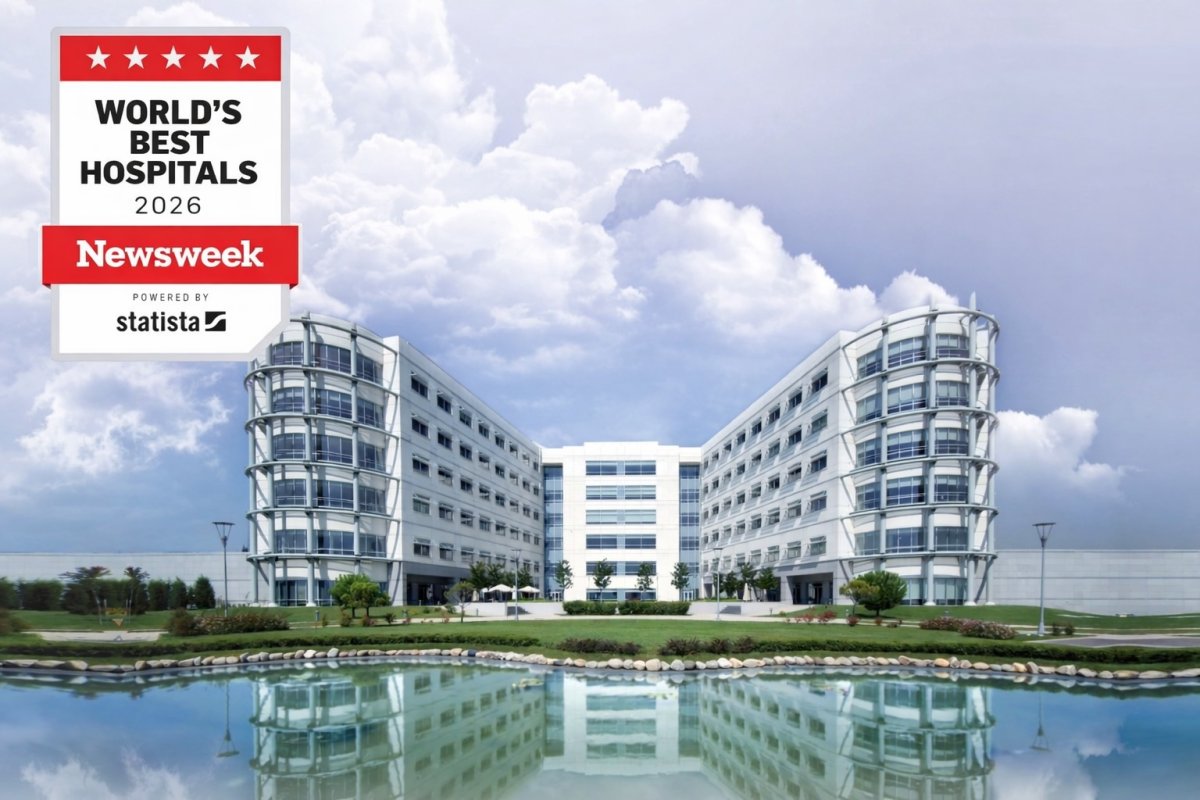




Medipol Mega University Hospital
Gul Alco




Ophthalmology Clinics Bati Goz

Cryotherapy Overview in Turkey
- Cryodestruction - from $500The procedure uses extreme cold to destroy abnormal tissues, noted for its minimal invasiveness and quick recovery periods.
Day 1 - Arrival
- Arrival at the clinic and registration.
- Consultation with a cryotherapy specialist.
- Preparation for the cryotherapy procedure.
Day 2 - Pre-Operation
- Undergoing necessary medical tests.
- Review of test results by specialist.
- Patient education about the cryotherapy procedure.
Day 3 - Cryotherapy Procedure
- Administration of local anesthesia.
- Start of the cryotherapy process.
- Procedure typically lasts one to two hours.
- Post-procedure monitoring and recovery.
Day 4 - Post-Operation
- Post-operative check up with the specialist.
- Instruction on wound care and pain management.
- Patient is often allowed to leave the same day.
Week 1-2 - Rehabilitation
- Regular follow-up appointments with the specialist.
- Gradual resumption of normal activities.
- Most patients return to work within one week.
Week 3-4 - Rehabilitation
- Continuation of wound care and pain management.
- Resumption of sports and other strenuous activities.
- Final results of cryotherapy are typically visible by week 4.
Please note that this timeline may vary as each case is individual.
- Bookimed deposit: $200 or €200.
- Clinic deposit: Pay a set percentage in advance.
Our Trusted Doctors
View all Doctors
Murat Dokdok
Dr. Murat Dokdok is a specialized interventional radiologist at Anadolu Medical Center. He completed an interventional neuroradiology fellowship at the University Hospital of Zurich. Dr. Dokdok also held a fellowship at Harvard Medical School. He focuses on neurological therapy and imaging for conditions like cerebral aneurysms and liver cancer. Dr. Dokdok works at Anadolu, a facility affiliated with Johns Hopkins Medicine.
- Holds over 100 national and international scientific publications and presentations.
- Certified by the European Society of Neuroradiology.
- Member of the Cardiovascular and Interventional Radiology Society of Europe.
- Performs radiofrequency ablation and chemoembolization for oncology patients.

Muhammet Derda Ozer
Associate Professor Muhammet Derda Ozer specializes in ophthalmic conditions requiring cryotherapy, with advanced training from Wills Eye Institute.
- Completed ophthalmic oncology observership at prestigious Wills Eye Institute in the US
- International Council of Ophthalmology fellowship in vitreo-retinal surgery
- Active researcher with multiple presentations on ocular surface treatments
- Associate professor at Istanbul Yeni Yuzyil University Faculty of Medicine

Mustafa Solak
Dr. Mustafa Solak specializes in cryotherapy for various cancers, trained at Hacettepe University Cancer Institute and Sisli Etfal Research Hospital.
- Expertise in breast, testicular, ovarian, and lung cancers
- Fellowship-trained at Hacettepe University Cancer Institute
- Worked at The University of Texas MD Anderson Cancer Center
- Handles complex cases with cryotherapy
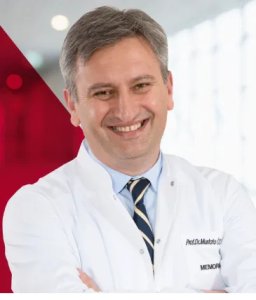
Mustafa Ozdogan
Dr. Mustafa Ozdogan is a professor and medical oncology specialist at Memorial Göztepe Hospital. He is the current President of the Antalya Breast Cancer Association. Dr. Ozdogan previously led oncology departments at Memorial Antalya and Medstar Antalya hospitals. He focuses on a multidisciplinary approach to complex cancer care.
- Sits on the board of the Turkish Society of Medical Oncology.
- Maintains active membership in ESMO and ASCO.
- Co-chairs the national working group for head and neck cancers.
- Works at Memorial Göztepe, which features MR Linac and robotic surgery systems.
Video Stories from Bookimed Patients
Reviews about Bookimed: Discover Patients' Insights
All reviewsShare this content
 Anna Leonova
FAQ about Cryotherapy in Turkey
Is cryotherapy safe, and what are the potential risks?
Cryotherapy is generally safe for healthy individuals when performed under professional supervision within JCI-accredited facilities. Success depends on strict adherence to safety protocols to prevent risks such as frostbite, skin burns, or temporary nerve damage. Sessions must never exceed 4 minutes to ensure patient safety.
- Professional supervision: Trained technicians must monitor sessions to prevent oxygen displacement or asphyxiation.
- Protective equipment: Patients must wear dry gloves, socks, and ear protection during whole-body sessions.
- Session duration: Exposure is strictly limited to 2–4 minutes to avoid tissue freezing.
- Medical screening: Contraindicated for those with cardiovascular issues, Raynaud's syndrome, or deep vein thrombosis.
Bookimed Expert Insight: Quality varies significantly, so look for clinics like Istanbul Florence Nightingale Hospital which hold ISO and JCI accreditations. While basic cryotherapy starts at $450, higher-end centers utilize advanced monitoring sensors that provide a critical safety margin against nitrogen leaks. This is a vital differentiator when comparing facilities for complex cryodestruction procedures.
Patient Consensus: Patients emphasize that while redness is normal, you must aggressively moisturize and avoid sun exposure post-treatment to prevent scarring. Many warn to prioritize safety over cost by choosing clinics that conduct thorough medical history screenings.
What medical conditions are treated with cryotherapy in Turkey?
Cryotherapy in Turkey effectively treats dermatological lesions, localized cancers, and cardiac arrhythmias within Joint Commission International-accredited facilities. Specialized centers in Istanbul and Antalya use advanced techniques like surgical cryoablation and cryodestruction to target abnormal tissues while preserving surrounding healthy structures through controlled freezing.
- Dermatological care: Removes viral warts, skin tags, and precancerous actinic keratosis using liquid nitrogen.
- Oncology applications: Targets prostate, kidney, and lung tumors for patients unsuitable for traditional surgery.
- Cardiac health: Utilizes cold ablation to manage heart rhythm disorders including atrial fibrillation.
- Ocular oncology: Treats retinoblastoma in pediatric patients with specialized surgeons like Dr. Muhammet Ozer.
Bookimed Expert Insight: While many seek cryotherapy for simple skin issues, Turkey has emerged as a hub for complex cryoablation. Centers like Anadolu Medical Center, affiliated with Johns Hopkins, apply these techniques to internal tumors. This high-tech approach allows patients to save up to 77% compared to US costs for identical oncology protocols.
Patient Consensus: Patients emphasize choosing certified dermatologists over wellness spas to avoid skin complications. Many report successful sessions for wart removal and actinic keratosis, noting visible results within 1–2 weeks of treatment.
How quickly is cryotherapy gaining popularity across Turkey?
Cryotherapy is expanding rapidly in Turkey, with market revenues projected to grow at an 8.4% annual rate through 2030. Adoption is driven by rising demand for sports recovery and non-invasive dermatology at JCI-accredited facilities in Istanbul and Antalya.
- Market value: Revenue is expected to reach $42.1 million by 2030 from $24.0 million.
- Growth drivers: High demand for sports recovery, non-invasive pain management, and cosmetic beauty treatments.
- Leading segment: Whole-body chamber therapy is the fastest-growing category across Turkish wellness centers.
- Strategic expansion: International partnerships like IceCure Medical and Mutlu Medikim are increasing local device penetration.
Bookimed Expert Insight: Data shows cryotherapy popularity is decoupling from traditional surgery. While cryosurgery remains the largest segment, the infrastructure gap in spas suggests a massive shift toward wellness-based cryo. Istanbul Florence Nightingale Hospital and Medipol Mega already integrate such advanced technologies within multi-specialty environments.
Patient Consensus: Patients prioritize Istanbul and Antalya clinics for dermatological cryotherapy like wart removal, noting costs are approximately 70% lower than in the US. Many travelers recommend verifying providers through the Turkish Health Ministry database to ensure consistent results.
What happens during a cryotherapy session, and how long does it take?
A whole-body cryotherapy session involves 2 to 3 minutes of exposure to sub-zero temperatures reaching -300°F. Patients wear protective dry gear to prevent frostbite while nitrogen vapor or refrigerated air triggers vasoconstriction. The total visit takes 15 to 30 minutes, including preparation and safety briefings.
- Session duration: Whole-body sessions last 2–3 minutes; localized treatments take 5–15 minutes.
- Required gear: Patients must wear dry socks, gloves, slippers, and a hat or headband.
- Physical sensation: Expect intense chilling, tingling, or `pins and needles` once the vapor enters.
- Post-session phase: Rapid vasodilation follows, often causing an immediate boost in energy and alertness.
Bookimed Expert Insight: While a single session provides a mood boost, Bookimed data shows clinics like Istanbul Florence Nightingale recommend 5–10 sessions for lasting results. Most premier Turkish facilities are JCI-accredited, ensuring that technicians perform vital screenings for Raynaud's or hypertension before your first 3-minute exposure.
Patient Consensus: The first 30 seconds feel the longest due to the initial cold shock. Most find that subsequent sessions become significantly more manageable as the body adapts to the dry, sub-zero environment.
Which are the best-rated clinics for cryotherapy in Turkey?
Top-rated clinics for cryotherapy in Turkey include JCI-accredited facilities like Anadolu Medical Center and Memorial Şişli Hospital, known for advanced medical cryoablation. Specialist centers such as Istanbul Florence Nightingale Hospital and Medipol Mega University Hospital provide high-tech dermatological and oncological cryotherapy services within modern, multidisciplinary environments.
- Anadolu Medical Center: Johns Hopkins-affiliated hospital offering precise cryodestruction for skin and superficial tumors.
- Memorial Şişli Hospital: Turkey first JCI-accredited facility, highly regarded for specialized keloid scar cryotherapy.
- Istanbul Florence Nightingale: Smart-and-Green hospital providing medical cryosurgery backed by extensive oncology and imaging expertise.
- Medipol Mega University: One of Turkey largest complexes featuring advanced technologies like CyberKnife for cryo-related treatments.
Bookimed Expert Insight: While wellness centers offer whole-body cryo-chambers for under $300, medical-grade cryodestruction at top-tier hospitals like Anadolu can range from $500 to $6,500. Patients seeking treatment for tumors or complex lesions should prioritize JCI-accredited multidisciplinary hospitals over general wellness clinics to ensure access to interventional oncology specialists.
Patient Consensus: Patients emphasize the need to distinguish between cosmetic wellness chambers and medical cryosurgery for lesions. Many advise planning for a 2–4 week healing window, as recovery timelines are often longer than marketing materials suggest.