Curettage in Turkey — get 3 top clinic matches with costs


Medically reviewed by
Fahad Mawlood
How it works
How Much Does Curettage Cost in Turkey?
Curettage in Turkey typically costs from $80 to $190 depending on the procedure type, anesthesia choice, and clinic location. While dental deep cleaning for gum disease is most common, gynecological curettage for diagnostic or medical needs is also available at specialized facilities. In the US, similar procedures cost around $980 on average. Patients save approximately 86% compared to US prices. Standard dental care often includes a consultation and local anesthesia.
- Dental full mouth: $80 to $190 for deep cleaning of all four quadrants.
- Dental single quadrant: Typically costs significantly less than a full-mouth procedure for localized gum treatment.
- Gynecological diagnostic: Often attracts a premium when performed under general anesthesia at JCI-accredited hospitals.
- Regional variations: Packages in major hubs like Istanbul or Antalya may cost 15-20% more than in Izmir.
Bookimed Expert Insight: Choosing a dental specialist with academic credentials ensures high-level care for advanced gum disease. For instance, Dr. Hilal Selamet in Istanbul and Dr. Bugra Cakin in Antalya specialize in periodontology with over 15 years of experience. Clinics like Hospitadent Dental Group serve 150,000 patients annually, offering 30-50% savings compared to European dental costs while maintaining ISO international standards.
Discover the Best Curettage Clinics in Turkey: 61 Verified Options and Prices

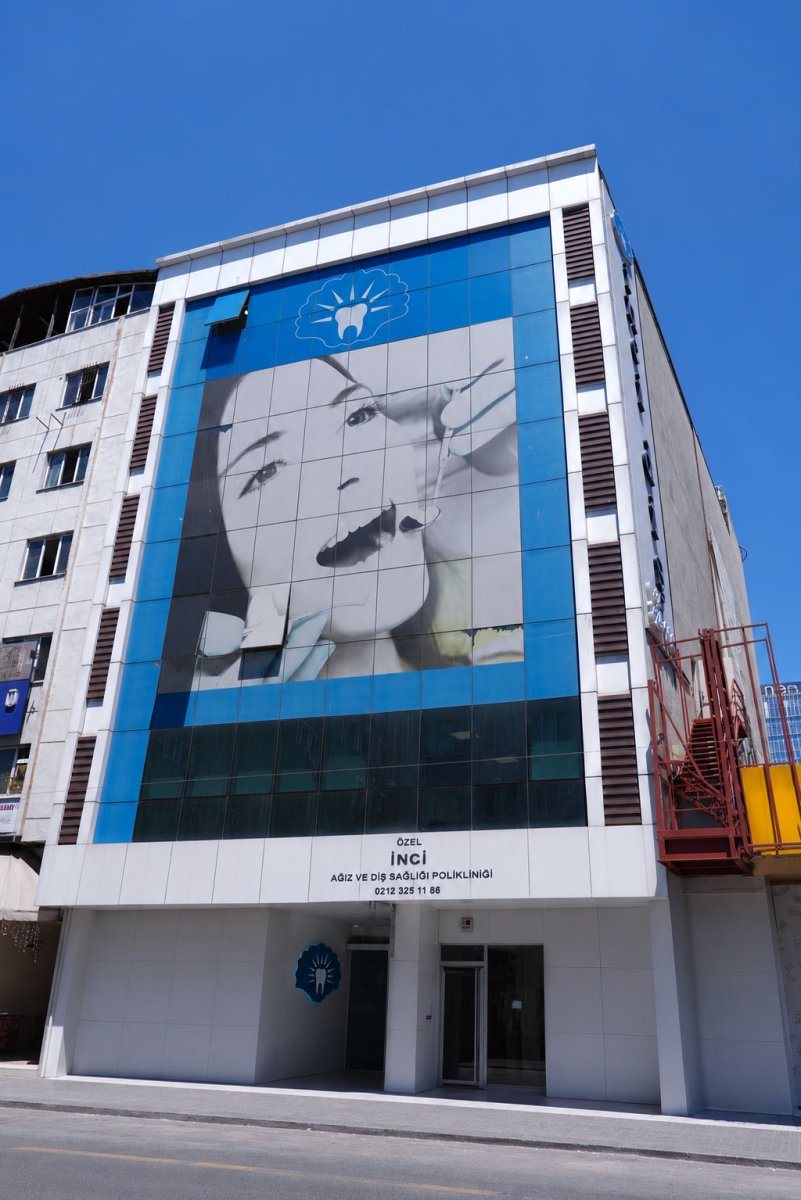
Inci Dis International Dental Clinic
Dentist Ali Sirali






Memorial Şişli Hospital
Asli Tapan Kavusturan












Curettage Overview in Turkey
- Treatment of caries - from $30This therapy aims to eradicate tooth decay, restore dental health and prevent further damage through filling or root canal.
- Curettage - from $80This procedure removes tissue from the body using a curette, promoting healing and diagnosing conditions.
- Dental treatment with sedation - from $280The procedure offers oral care under tranquilization, ensuring comfort during surgeries, especially beneficial for anxious patients.
- Aesthetic Composite Filling - from $50The procedure involves tooth-colored material for cavity repair, producing natural-looking results and strengthening teeth.
Day 1 - Arrival
- Arrive at the airport.
- Transfer to the 5* hotel.
- Rest and adjust to the new timezone.
Day 2 - Pre-operation
- Consultation with the dentist.
- Initial examination and medical tests.
- Discussion of curettage procedure and expectations.
Day 3 - Curettage Process
- Arrival at the dental clinic.
- Administration of local anesthesia.
- Start of the curettage procedure, which lasts about 1-2 hours.
- Post-procedure check by the dentist.
Day 4 - Post-operation
- Rest at the hotel.
- Follow-up visit to the dental clinic if needed.
- Assessment of recovery progress by the dentist.
Week 1 - Rehabilitation
- Gradual return to regular diet.
- Avoidance of strenuous activity.
- Continued oral hygiene practices.
Week 2
- Return to work and regular activities.
- Follow-up visit with local dentist if necessary.
Note: The process outlined above is a general guideline and may vary depending on individual circumstances.
What patients like:
- Cost. The Curettage cost in Turkey ranges from $80 to $190, considerably lower than $2000 to $5000 in the US.
- Doctor’s professionalism. Patients appreciate the high level of professionalism demonstrated by Turkish doctors. The doctors hold relevant certificates and memberships in renowned global organizations.
- Service level. Top-notch service is often praised by patients. From clinical examination, X-Rays, CT-Scan to lifetime warranty and aftercare services, everything is covered.
- Curettage efficacy. Modern techniques used in Turkey result in successful curettage procedures. Patients report high satisfaction rates.
- Logistics. Patients appreciate the well-organized logistics, including transfers between the airport, hotel, and clinic, and hotel reservations for six nights.
What patients don’t like:
- Waiting time. Some patients find the waiting time for procedures slightly long.
- Cultural differences. Rarely, patients report minor issues due to cultural and language differences.
- Follow-ups. Some patients feel that follow-up could be more streamlined.
- Bookimed deposit: $200 or €200.
- Clinic deposit: Pay a set percentage in advance.
Our Trusted Doctors
View all Doctors
Susana Akdash
Susana Akdash specializes in advanced dental implant procedures and aesthetic dentistry, bringing precision and care to each treatment at WestDent Clinic.
- Graduated from Ege University with a focus on implantology and aesthetics
- Trained in high-tech dental implant treatments including All-on-4 and All-on-6
- Attended multiple international dental congresses and implantology symposiums
- Expert in smile design, laminate veneers, and zirconia crowns

Necat Aslan

Taha Abbas Goktas
Dr. Taha Abbas Göktaş is the founder of TH Dental Clinic in Istanbul. He specializes in implant surgery and aesthetic dentistry, integrating both into a single treatment plan. Dr. Göktaş uses restoratively-driven planning, where the final smile design determines the implant position. He holds a license for international health tourism from the Turkish Ministry of Health.
- Co-authored implantology research in the International Journal of Oral & Maxillofacial Implants.
- Performs bone grafting and sinus lifts for patients with bone loss.
- Performs full-arch rehabilitations using All-on-4 and All-on-6 protocols.
- Speaks seven languages, including English, Arabic, French, and Russian.

Mustafa Orkun Ertugrul
Specializing in restorative dentistry with extensive training at top Turkish universities, Dr. Ertugrul brings precision to dental procedures including curettage.
- Trained at Ankara and Dicle universities
- Focuses on aesthetic and functional dental restorations
- Certified in direct composite veneers and smile design
- Active member of the Turkish Dental Association
Video Stories from Bookimed Patients
Reviews about Bookimed: Discover Patients' Insights
All reviewsShare this content
 Anna Leonova

FAQ about Curettage in Turkey
Is curettage (abortion) legal in Turkey?
Abortion is legal in Turkey on request up to the 10th week of pregnancy under Law No. 2827. Beyond this limit, the procedure is only permitted for medical necessities, such as fetal impairment or risks to maternal health, requiring a formal medical board report.
- Consent rules: Single women over 18 provide their own consent for the procedure.
- Spousal requirements: Married women legally require written consent from their spouse to proceed.
- Minor access: Patients under 18 need parental consent; under 15s require judicial reporting.
- Legal extensions: Pregnancies resulting from sexual violence allow for legal termination up to 20 weeks.
Bookimed Expert Insight: Data shows a significant shift toward private JCI-accredited facilities like Memorial Bahçelievler Hospital for these procedures. While the law permits elective termination, many state hospitals frequently decline non-emergency cases. Patients often choose private clinics in Istanbul to ensure immediate access and avoid common public sector delays.
Patient Consensus: Many patients recommend verifying clinic credentials through the Ministry of Health before booking. They often suggest stocking iron supplements afterward, as post-procedure bleeding can sometimes last longer than expected.
Whose consent is required for curettage in Turkey?
Consent for curettage in Turkey is strictly governed by age and marital status under the Population Planning Law. Adult single women provide solo consent, while married women legally require their husband's written approval. Minors under 18 must have consent from a parent or a legal guardian.
- Adult single women: Only the woman's personal written consent is legally required if over 18.
- Married women: Mandatory written consent is required from both the woman and her husband.
- Minors under 18: Legal consent must be obtained from a parent or an authorized guardian.
- Incapacitated persons: Consent requires a legal guardian and typically a justice of the peace.
Bookimed Expert Insight: While Turkish law mandates spousal consent for married women, our data shows a shift toward private care. Only 4% of public hospitals actively provide elective services. JCI-accredited centers like Memorial Bahçelievler Hospital or Anadolu Medical Center offer discreet, high-standard gynecological care that strictly follows legal protocols while ensuring patient privacy.
Patient Consensus: Patients recommend confirming consent requirements directly with private clinics in Istanbul to avoid cultural gatekeeping. Many suggest using the phrase `Benim rızam yeterli` to assert that personal consent is legally sufficient for single adults.
Does curettage affect future fertility?
Curettage generally does not affect future fertility, and most women conceive healthy pregnancies afterward. Risk increases primarily with repeated procedures, which may cause Asherman's syndrome or uterine scarring. High-quality care at Joint Commission International-accredited facilities helps maintain reproductive health and successful implantation rates.
- Scarring risk: Asherman's syndrome involves internal adhesions that can prevent embryo implantation after surgery.
- Endometrial recovery: Most patients see the uterine lining fully rebuild within 1 to 2 cycles.
- Technique impact: Vacuum aspiration is often preferred over sharp curettage to minimize potential tissue trauma.
- Cervical health: Multiple mechanical dilations may slightly increase risks of preterm birth or cervical weakness.
Bookimed Expert Insight: While many choose Turkey for its 86% savings compared to the US, the real value lies in clinical volume. Top-tier centers like Anadolu Medical Center, affiliated with Johns Hopkins, manage thousands of complex gynecological cases annually. This high procedural volume typically correlates with more refined, gentle techniques that prioritize preserving the delicate endometrial lining for future conception.
Patient Consensus: Patients emphasize that choosing an experienced provider is vital, noting that routine recovery typically lasts 1 to 2 weeks. Many advisors suggest tracking menstrual cycles afterward, as unusually light periods can be an early sign of treatable scarring.
What is the standard method used for curettage in Turkey?
The standard method for curettage in Turkey is vacuum aspiration, often called the suction method, which has largely replaced traditional sharp d&c. Performing this 5 to 15 minute procedure involves inserting a thin cannula to remove uterine contents using negative pressure under sedation.
- Available techniques: Modern clinics offer suction curettage, sharp curettage, and specialized hysteroscopy-assisted recovery options.
- Anesthesia standards: Private centers typically provide sedation, while public hospitals may use local anesthesia.
- Legal framework: Voluntary termination is legal until the 10th week of pregnancy in Turkey.
- Recovery timeline: Most patients experience mild cramps for several days following standard suction procedures.
- Clinical setting: Obstetrician-gynecologists perform these procedures in JCI-accredited hospitals like Memorial Bahçelievler Hospital.
Bookimed Expert Insight: While suction is the gynecological standard, sharp curettage remains a vital tool in Turkey’s high-volume hair transplant sector. Data shows surgeons often choose manual sharp curettage over motorized tools for patients with curly hair. This specific clinical choice helps reduce graft transection rates by 20% compared to standard punch methods.
Patient Consensus: Patients often note that while public hospitals provide reliable basic care, private clinics are preferred for hysteroscopy-assisted versions that result in significantly less post-operative bleeding.
Is elective curettage available in Turkish state hospitals?
Elective curettage is technically legal in Turkish state hospitals up to the 10th week of pregnancy, but access remains extremely limited. Approximately 7.8% of public facilities perform elective procedures without restriction, as most state hospitals only provide the service for medical emergencies or fetal health issues.
- Medical necessity: Around 78% of state hospitals restrict curettage to life-threatening or health-related cases.
- Legal consent: Married women require a spouse signature, while those under 18 need parental approval.
- Private alternatives: Most elective procedures occur in private clinics to avoid 2-4 week state queues.
- Regional access: Some regions lack any state facilities offering elective services due to hospital policies.
Bookimed Expert Insight: While state hospitals prioritize urgent cases like miscarriages, private facilities in Istanbul and Antalya offer elective curettage starting at $80. These private centers often hold Joint Commission International (JCI) accreditation and provide immediate access, which is critical given the strict 10-week legal limit in Turkey. Choosing a high-volume private hospital typically eliminates the communication barriers and long wait times found in the public sector.
Patient Consensus: Patients report that while insurance covers urgent care for miscarriages, elective cases are much faster in the private sector. Those using state facilities often face significant waiting times and may need formal referrals to secure a spot.
What anesthesia options are available for curettage in Turkey?
Patients undergoing curettage in Turkey can choose between local anesthesia, intravenous (IV) sedation, and general anesthesia. The selection depends on whether the procedure is dental or gynecological, with JCI-accredited hospitals and specialized dental clinics providing tailored pain management to ensure patient comfort and safety.
- Local anesthesia: Standard paracervical or dental blocks numb the specific area while you remain awake.
- IV sedation: Induces a dreamy, relaxed state for anxious patients without a full unconscious knockout.
- General anesthesia: Provides complete unconsciousness, typically managed by anesthesiologists in A-plus hospitals like Hair Clinic.
- Anesthesia cost: Selecting sedation or general anesthesia typically increases the base procedure price by 20-30%.
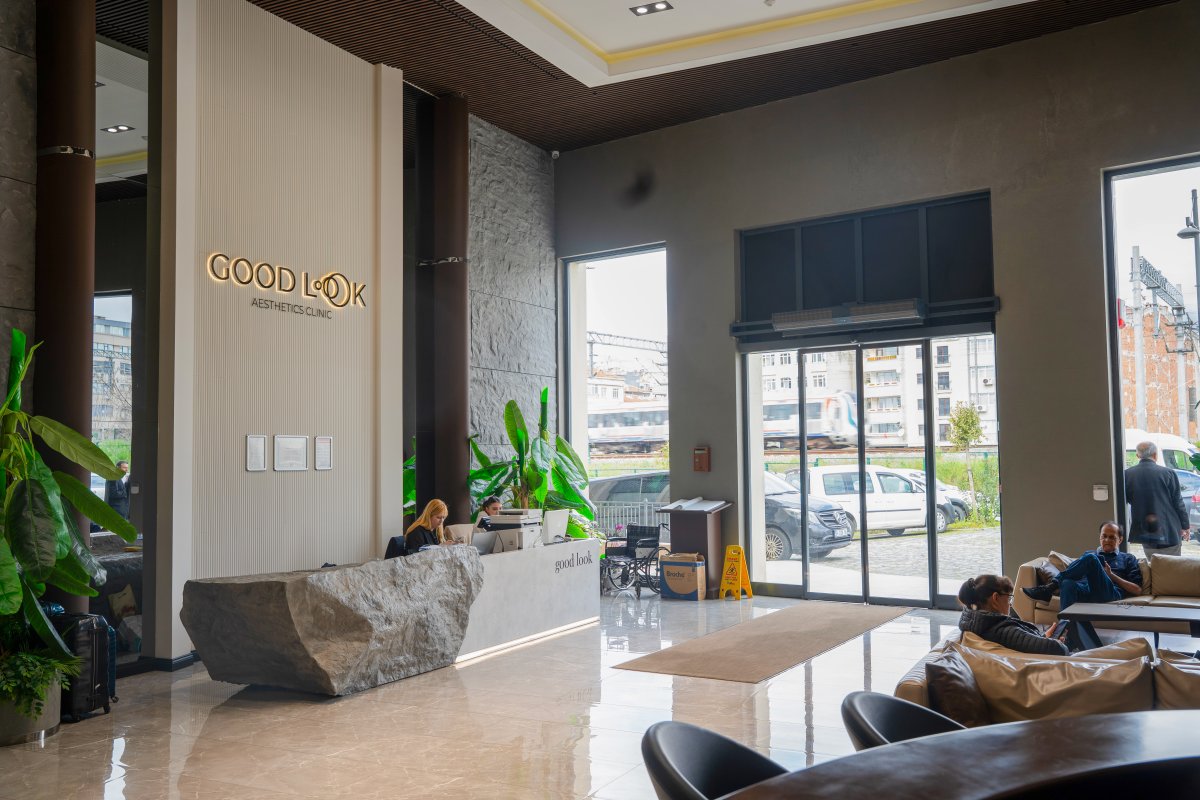
Bookimed Expert Insight: Data from 9,700 requests shows a clear patient preference pattern. While local anesthesia is the clinical standard for outpatient curettage, international patients frequently opt for IV sedation. Clinics like Good Look Clinic or Hair Clinic often use specialized devices to minimize injection discomfort before sedation begins. Always confirm your anesthesia choice via WhatsApp before arrival, as smaller clinics might require advance notice to schedule an anesthesiologist.
Patient Consensus: Many foreigners describe IV sedation as a dreamy and comfortable middle-ground option. Most note that local anesthesia is acceptable for quick procedures, allowing for a same-day return to the airport.
How long is the recovery after curettage?
Physical recovery after curettage in Turkey is typically rapid, with most patients returning to normal activities within 24 to 48 hours. While immediate symptoms like cramping subside quickly, full healing of the uterine lining usually requires 7 to 14 days of restricted physical exertion.
- Daily activities: Most patients return to work within 1 to 2 days after the procedure.
- Physical restrictions: Avoid heavy lifting, running, and vigorous exercise for 3 to 4 weeks.
- Infection prevention: Refrain from using tampons, swimming, or sexual intercourse for at least 14 days.
- Symptom duration: Expect light spotting and menstrual-like cramping to persist for 5 to 10 days.
Bookimed Expert Insight: Data from top Turkish facilities like Anadolu Medical Center shows that specialized gynecology departments prioritize same-day discharge. Patients often report bleeding stops entirely by day 4. We recommend confirming your clinic provides post-operative medications upfront to manage the peak discomfort often felt on days 2 through 4.
Patient Consensus: Patients emphasize using pads for at least one week and suggest planning for light duty. Many note that emotional recovery transitions into a new phase once physical bleeding stops around the second week.