Treatment of caries in Turkey — get 3 top clinic matches with costs
Treatment of caries in Turkey costs $30 to $120, about 73% less than the US average of $280 (Bookimed data, November 2026). Bookimed lists 9 treatment of caries clinics in Turkey, in Istanbul, Izmir, and Ankara, including ISO-certified and JCI-accredited clinics. These clinics are rated 4.8/5 in 203 verified patient reviews on Bookimed.

Medically reviewed by
Ergin Er
How it works
How Much Does Treatment of caries Cost in Turkey?
Treatment of caries in Turkey typically costs from $30 to $120 per tooth. The final price depends on the decay severity, restoration material, and the clinic location in hubs like Istanbul, Antalya, or Izmir. Patients typically save around 73% compared to the US, where the average cost is $280. Standard dental packages often include a consultation, digital X-rays, and local anesthesia.
- Composite fillings: Typically cost $50 to $120 for standard tooth-colored restorations.
- Root canal therapy: Often adds $75 to $300 if decay reaches the nerve.
- Dental crowns: May range from $135 to $350 for severely compromised teeth.
- Sedation services: Generally start at $150 for patients requiring extra comfort during treatment.
Bookimed Expert Insight: High-volume centers provide exceptional value through specialized expertise. WestDent Clinic in Izmir maintains a 99% success rate across 15,000 surgeries. Meanwhile, Hospitadent Dental Group serves over 150,000 patients annually using advanced CEREC technology for rapid restorations. Choosing clinics with ISO or JCI accreditation ensures international safety standards are met at competitive local prices.
| Turkey | The UK | The USA | |
|---|---|---|---|
| Treatment of caries | from $30 | ≈ $120 | ≈ $180 |
Discover the Best Treatment of caries Clinics in Turkey: 87 Verified Options and Prices
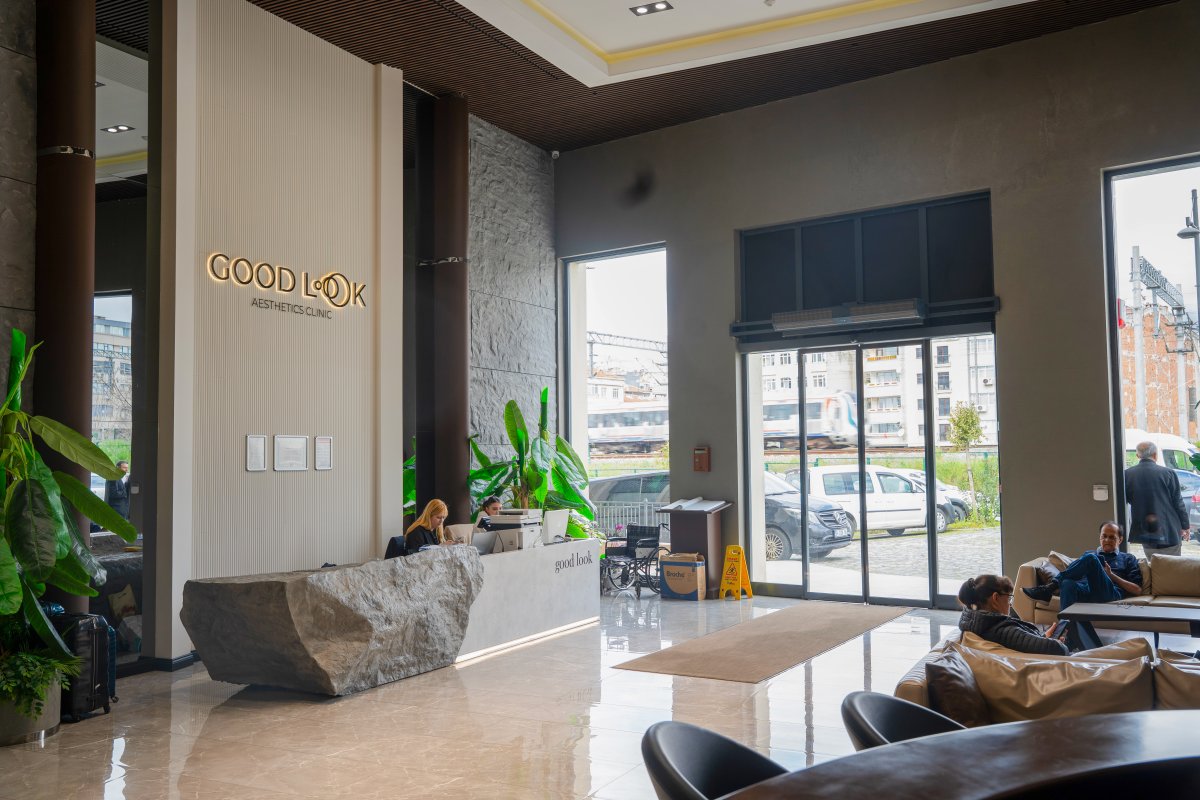

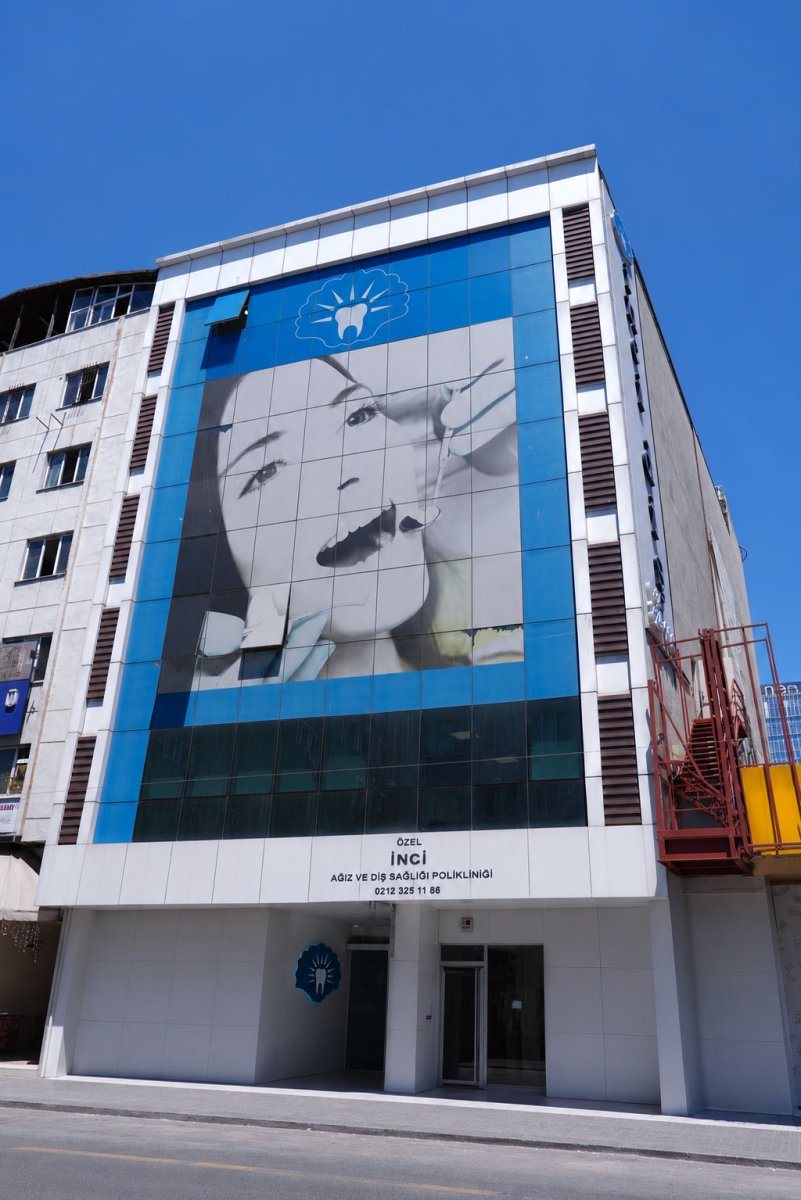
Inci Dis International Dental Clinic
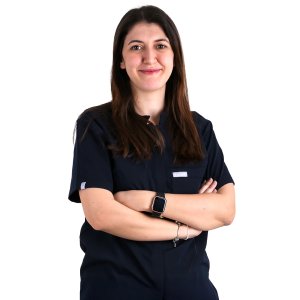
Dentist Neslihan Cebe











Treatment of caries Overview in Turkey
- Treatment of caries - from $30This therapy aims to eradicate tooth decay, restore dental health and prevent further damage through filling or root canal.
- Curettage - from $80This procedure removes tissue from the body using a curette, promoting healing and diagnosing conditions.
- Dental treatment with sedation - from $270The procedure offers oral care under tranquilization, ensuring comfort during surgeries, especially beneficial for anxious patients.
- Aesthetic Composite Filling - from $50The procedure involves tooth-colored material for cavity repair, producing natural-looking results and strengthening teeth.
Day 1
- Arrive at the clinic for consultation.
- Meet with the dentist to discuss caries treatment.
- Your oral health condition is examined.
- Possible X-rays for more detailed examination might be taken.
Day 2
- Arrive at the clinic for treatment.
- Expect anesthesia to numb the treatment area.
- The decayed part of the tooth is removed.
- The tooth is then filled with a filling material.
- The procedure usually lasts 1-2 hours.
Day 3-7
- Follow-up visit to the dentist if necessary.
- Manage pain if any, with prescribed medication.
- Avoid hard or hot foods for a few days.
- Regularly clean the treated tooth.
Week 2
- Regular oral hygiene routine can be resumed.
- Filled tooth should function like any other tooth.
- Contact dentist if any discomfort persists.
Every individual"s recovery process is different and depends on their overall health, the extent of the caries, and their oral hygiene habits. Always follow the advice of your dentist for the best results.
What patients like:
- Cost. The Treatment of caries cost in Turkey ranges from $30 to $120. This is significantly cheaper compared to other countries, such as the US where the cost can go up to $300.
- Doctor’s professionalism. Turkish dentists are known for their high level of professionalism. Many hold international certificates and memberships in renowned organizations.
- Service level. Patients appreciate the high service level in Turkish dental clinics. The staff is friendly, helpful and most of them speak English.
- Treatment of caries efficacy. Turkey uses modern techniques for caries treatment, ensuring high efficacy and patient satisfaction.
- Logistics. Many clinics offer additional services such as airport transfer and assistance with accommodation, making the logistics easier for international patients.
What patients don’t like:
- Waiting time. Some patients might experience longer waiting times due to the high demand for dental services in Turkey.
- Additional costs. While the treatment itself is affordable, additional costs such as accommodation and transportation can add up.
- Multiple visits required. For certain treatments, patients might need to return to Turkey for a follow-up visit, which can be inconvenient.
- Bookimed deposit: $200 or €200.
- Clinic deposit: Pay a set percentage in advance.
Our Trusted Doctors
View all Doctors
Susana Akdash
Specializes in high-tech dental treatments, including advanced implantology and aesthetic procedures at WestDent Clinic.
- Graduated from Ege University with a focus on implantology
- Completed thesis on 'Implant Prosthesis and Aesthetics'
- Attended multiple international dental congresses and courses
- Expert in digital smile design and implant techniques
- Skilled in teeth whitening, filling, and root canals
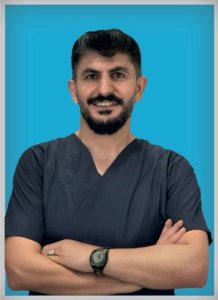
Necat Aslan

Imad Alboshe
Dr. Alboshe specializes in crafting Hollywood smiles and performing secure implant procedures with precision and care.
- Graduated as Doctor of Dental Surgery from OKAN University in Istanbul
- Uses state-of-the-art technology for innovative dental care
- Focuses on patient education for relaxed and confident treatment experiences
- Dedicated to personalized care with honesty and safety
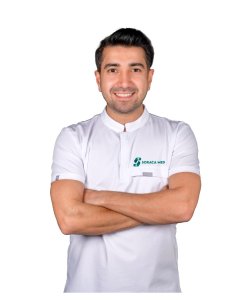
Gurkan Armagan
Dr. Gürkan Armağan is a DSD-certified dentist at Soraca Med in Antalya. He focuses on smile makeovers through digital dentistry and implantology. Dr. Armağan holds specific training in guided implant surgery, which improves implant placement accuracy. He treats patients at Soraca Med, a TMA-registered clinic meeting international quality standards.
- Certified in Digital Smile Design (DSD) for precise aesthetic planning.
- Completed an Aesthetic Dentistry Masterclass and an Advanced Implantology Workshop.
- Performs complex restorations including Emax veneers and All-on-6 dental implants.
- Uses digital dentistry solutions to create Hollywood Smile results for international patients.
Video Stories from Bookimed Patients
Reviews about Bookimed: Discover Patients' Insights
All reviews

Share this content
 Anna Leonova

FAQ about Treatment of caries in Turkey
Is dental caries treatment in Turkey safe and performed by qualified dentists?
Dental caries treatment in Turkey is exceptionally safe and performed by dentists meeting rigorous European standards. Practitioners undergo five years of university training and must register with the Turkish Dental Association and Ministry of Health. High-volume clinics like WestDent and Hospitadent utilize international materials such as 3M and Straumann.
- Doctor qualifications: Dentists complete five-year Master degrees and often pursue three-year DUS hospital residencies.
- Mandatory certification: Licensed clinics must hold Ministry of Health Health Tourism Certification for international stays.
- Advanced technology: Top facilities use CEREC CAD/CAM for same-day crowns and digital 3D imaging.
- Global materials: Surgeons use high-grade 3M composites and GC glass-ionomers for durable tooth restorations.
Bookimed Expert Insight: While a single filling is affordable, the real value in Turkey is the specialization of the larger networks. Groups like Hospitadent serve over 100,000 patients annually and maintain 22 specialist departments. This high volume allows them to provide same-day CEREC restorations for caries-damaged teeth that typically require multiple visits elsewhere.
Patient Consensus: Patients frequently highlight the honesty of vetted specialists who prioritize essential treatments over unnecessary procedures. Many emphasize that the modern, clean environments and friendly staff exceed the typical dental experience found in their home countries.
What materials are used for dental fillings and are they mercury-free or metal-free?
Dental fillings in Turkey are primarily mercury-free and metal-free, using composite resins, ceramics, or glass ionomers. While traditional metal amalgams containing mercury exist, modern clinics in Istanbul and Izmir specialize in aesthetic, biocompatible nano-composites and zirconia inlays to ensure natural-looking, durable results.
- Composite resin: Mercury-free and metal-free mixture of acrylic resin and glass particles.
- Ceramic inlays: Durable, metal-free porcelain restorations often used at clinics like Tower Dental.
- Glass ionomer: Metal-free material releasing fluoride, commonly used for pediatric cavity treatments.
- Zirconia inlays: High-strength, biocompatible metal-free alternative for large cavities in posterior molars.
Bookimed Expert Insight: Data from high-volume centers like WestDent Clinic shows a 99% success rate by transitioning almost entirely to nano-composites. These advanced materials bond better to tooth structure than old amalgams. If you seek total bio-neutrality, ask for BPA-free composites, which top Turkish prosthetic specialists now offer as a premium standard.
Patient Consensus: Patients frequently praise the lack of hidden costs and the aesthetic quality of white fillings. Many survivors of old `silver` fillings specifically recommend confirming mercury-free materials before the procedure to ensure a bright, metal-free smile.
How long does caries treatment take and how many days should I plan to stay in Turkey?
Caries treatment in Turkey typically takes 1 to 3 hours for standard fillings during a single visit. For complex decay requiring root canals or crowns, expect a 2 to 4 day process. Most international patients should plan a 4 to 7 day stay.
- Procedure duration: Simple composite fillings take 30 to 90 minutes per individual tooth.
- Clinical stay: Root canals or crowns usually require 2 to 4 days for completion.
- Technology impact: Clinics using CEREC technology can provide same-day crowns, significantly reducing travel time.
- Travel buffer: Avoid long-distance flights for 48 hours after treatment if experiencing significant swelling.
Bookimed Expert Insight: While many clinics offer same-day fillings, choosing a facility with an in-house laboratory like YEG Clinic can compress a 7-day crown or inlay timeline into just 4 days. This setup eliminates external shipping delays, making it the most efficient choice for travelers with tight schedules.
Patient Consensus: Patients often highlight the efficiency of Turkish dental teams, noting that multiple cavities are frequently treated in one session to maximize the patient's holiday time.
Will the treated tooth look natural and how long will the filling last?
Treated teeth look entirely natural when using composite resin or ceramic inlays shade-matched to your enamel. Composite fillings typically last 5 to 10 years, while durable ceramic or gold restorations can exceed 15 years with proper oral hygiene and regular dental checkups.
- Material aesthetics: Composite resins like Filtek blend seamlessly with natural tooth shades for invisible restorations.
- Ceramic durability: CAD/CAM ceramic inlays offer superior stain resistance and mimic natural enamel translucency perfectly.
- Lifespan factors: Fillings on molars wear faster due to chewing pressure compared to front teeth.
- Maintenance impact: Daily flossing and avoiding high-sugar diets help restorations reach their maximum expected lifespan.
Bookimed Expert Insight: High patient volumes in Turkey drive technical precision. For example, WestDent Clinic performs 15,000 operations every three years. Many top Istanbul clinics now use CEREC CAD/CAM technology. This system creates ceramic inlays in just 2 to 4 hours. These digital restorations fit more accurately than manual fillings, significantly reducing the risk of early failure or secondary decay.
Patient Consensus: Patients report that high-quality composites are virtually invisible and provide an immediate aesthetic boost. Many emphasize that following soft-food guidelines for the first 24 hours ensures the bonding sets perfectly for long-term durability.
What is the typical treatment process for dental caries at a Turkish clinic?
Dental caries treatment in Turkey follows a standardized clinical workflow completed in a single 30 to 60-minute session per tooth. The process includes digital X-ray diagnostics, local anesthesia, and high-precision decay removal using drills. Dentists then apply composite resin fillings, hardened by curing lights, to restore natural function and aesthetics.
- Diagnostic imaging: Clinics use digital periapical or panoramic X-rays for instant decay depth assessment.
- Pain management: Local numbing injections are standard, while clinics like WestDent offer sedation for anxiety.
- Restoration materials: Aesthetic composite white resin is the default choice for a natural tooth appearance.
- Bite calibration: Surgeons use articulating paper to ensure fillings align perfectly with your natural bite.
Bookimed Expert Insight: Turkish clinics often maximize efficiency for international patients by treating multiple cavities in one 3-hour session. Data shows top-rated specialists like Dr. Mahmut Boran have performed over 15,000 treatments. This high volume allows clinics to bundle caries removal with professional cleaning at a competitive total cost.
Patient Consensus: Patients frequently highlight the speed of same-day diagnosis and filling. Many report minimal discomfort and appreciate that clinics explain every step without adding unexpected fees during the visit.
Are there any risks or side-effects of cavity treatment in Turkey?
Potential risks of cavity treatment in Turkey include infection, nerve sensitivity, or filling displacement if improper bonding occurs. Most complications are avoided by choosing clinics with ISO International Standards or JCI accreditation. Expert dentists like Dr. Susana Akdash at WestDent Clinic utilize advanced sterilization to ensure high success rates.
- Infection control: Substandard sterilization may lead to abscesses requiring corrective work in your home country.
- Nerve sensitivity: Aggressive drilling or over-filling can cause chronic temperature sensitivity or persistent jaw pain.
- Bite alignment: Improperly shaped restorations may trigger TMJ disorders or discomfort when chewing or speaking.
- Material quality: Low-quality composite materials occasionally cause allergic reactions or premature filling failure within months.
Bookimed Expert Insight: While many high-volume clinics serve over 45,000 patients annually, speed can lead to over-treatment. Some facilities may pressure patients to upgrade simple fillings to more expensive crowns or root canals. Always verify your treatment plan at clinics like YEG Clinic, where patients report honest assessments without hidden upselling.
Patient Consensus: Some patients report extended facial numbness lasting 2 days after aggressive anesthesia. Most agree that vetting clinics via recent reviews prevents the need for costly repairs back home.
Which is the best city or area in Turkey for high-quality cavity treatment?
Istanbul is the premier destination for high-quality cavity treatment in Turkey due to its high density of internationally accredited clinics and experienced specialists. While Antalya and Izmir offer excellent restorative care, Istanbul clinics like Hospitadent Dental Group serve 150,000 patients annually using advanced digital diagnostics.
- Specialist density: Istanbul houses the most board-certified dentists with over 20 years of experience.
- Advanced technology: Top facilities use CEREC systems for same-day permanent ceramic fillings and inlays.
- Accreditation standards: Most leading centers hold ISO and Turkish Medical Association (TMA) certifications.
- Cost efficiency: Fillings typically range from $30 to $120 across major hubs.
Bookimed Expert Insight: While Istanbul is the popular choice, Izmir clinics like WestDent report remarkably high success rates of 99% for restorative procedures. Izmir often provides a better balance for patients seeking high-tech digital dentistry without the premium tourist price markups frequently found in Istanbul central districts.
Patient Consensus: Patients frequently highlight the transparency of clinics like YEG, noting that reputable doctors perform thorough exams to avoid unnecessary treatments while maintaining no hidden costs.