Cystoscopy in Turkey — Get 3 Top Clinic Matches with Costs

Medically reviewed by
Gokhan Temiz
How Much Does Cystoscopy Cost in Turkey?
A cystoscopy in Turkey typically costs from $300 to $1,100. Prices depend on the procedure type, clinic city, and the doctor's experience level. In the US, this diagnostic costs about $2,200 on average. Patients traveling to Turkey save about 68%. Many clinics in Istanbul and Ankara include consultations and initial tests in the cost.
- Diagnostic cystoscopy: Focuses only on viewing the bladder and urethra for initial diagnosis.
- Cystoscopy with biopsy: Typically adds 20-30% over the standard protocol to collect tissue samples.
- Therapeutic cystoscopy: Costs more than diagnostic checks as it involves minor treatments during viewing.
- Location variations: Prices in Istanbul and Ankara tend to run 10-15% higher than regional cities.
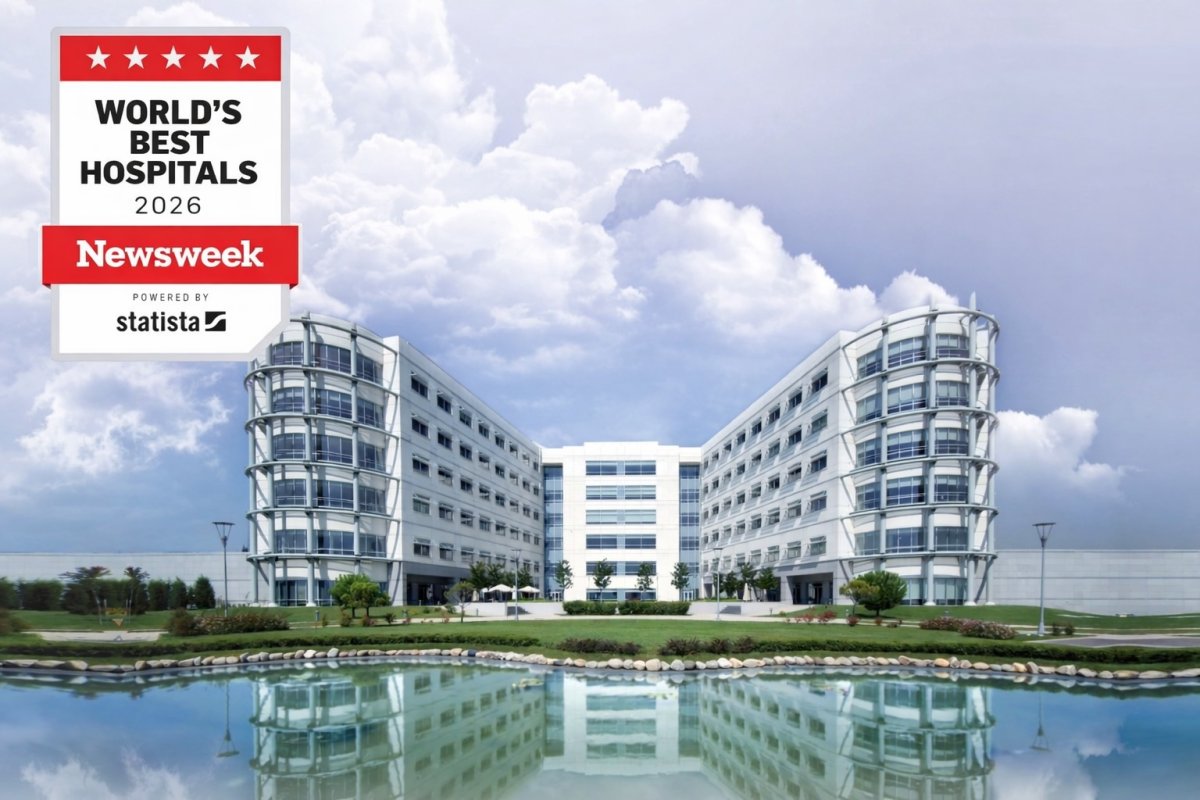
Bookimed Expert Insight: Choosing multidisciplinary centers provides better long-term value for complex urological cases. Hisar Hospital Intercontinental treats over 500,000 patients annually with JCI-accredited standards. Some facilities like Anadolu Medical Center maintain a formal affiliation with Johns Hopkins Hospital. This allows patients to access US-level medical protocols at Turkish market prices. Major centers often use 3 Tesla MRI and robotic systems to supplement the cystoscopy results.
| Turkey | Austria | Spain | |
|---|---|---|---|
| Cystoscopy | from $300 | ≈ $480 | from $1,100 |
Your Benefits and Guarantees with Bookimed
Transparent Prices & Flexible Installments
No hidden fees – just official clinic prices. Pay at the clinic for Cystoscopy upon arrival and use a flexible installment plan if needed.
Verified Clinics & Doctors Only
Bookimed is committed to your safety. We only work with medical institutions that maintain high international standards in Cystoscopy and have the necessary licenses to serve international patients worldwide.
Free 24/7 Assistance
Bookimed offers free expert assistance. A personal medical coordinator supports you before, during, and after your treatment, solving any issues. You're never alone on your Cystoscopy journey.

Your personal Bookimed medical coordinator
- Supports you at every stage
- Helps choose the right clinic and doctor
- Ensures quick and convenient access to information
Discover the Best Cystoscopy Clinics in Turkey: 39 Verified Options and Prices

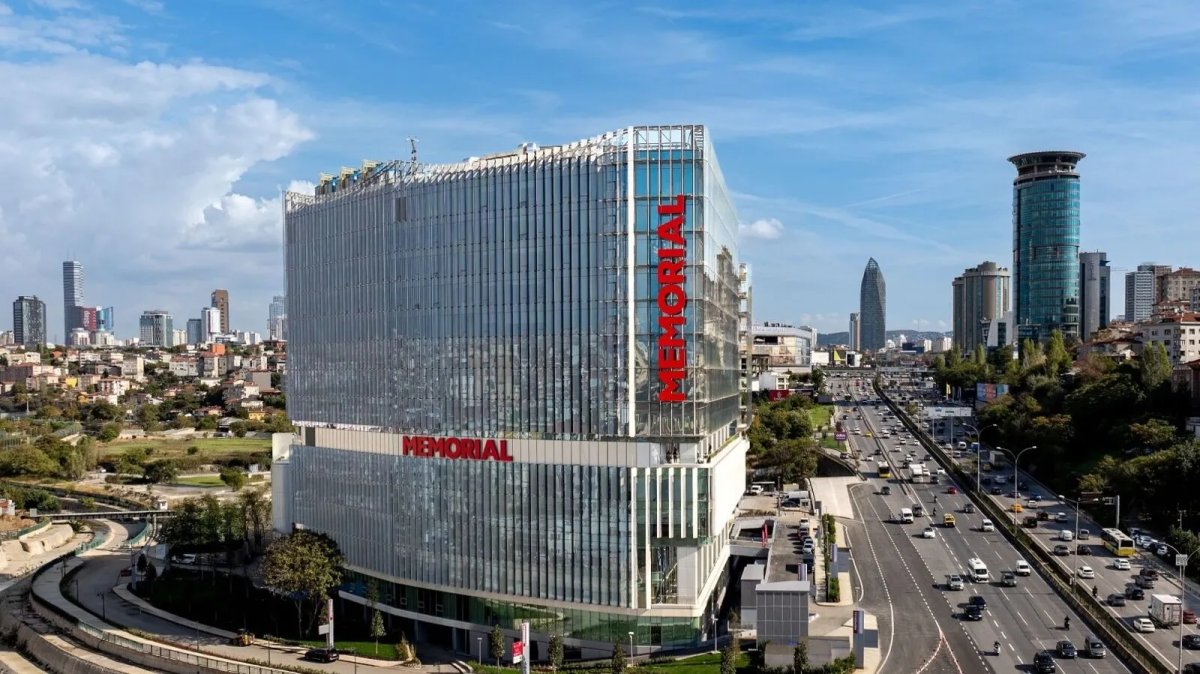
Memorial Göztepe Hospital

Hisar Hospital Intercontinental
Esra Tustas Haberal








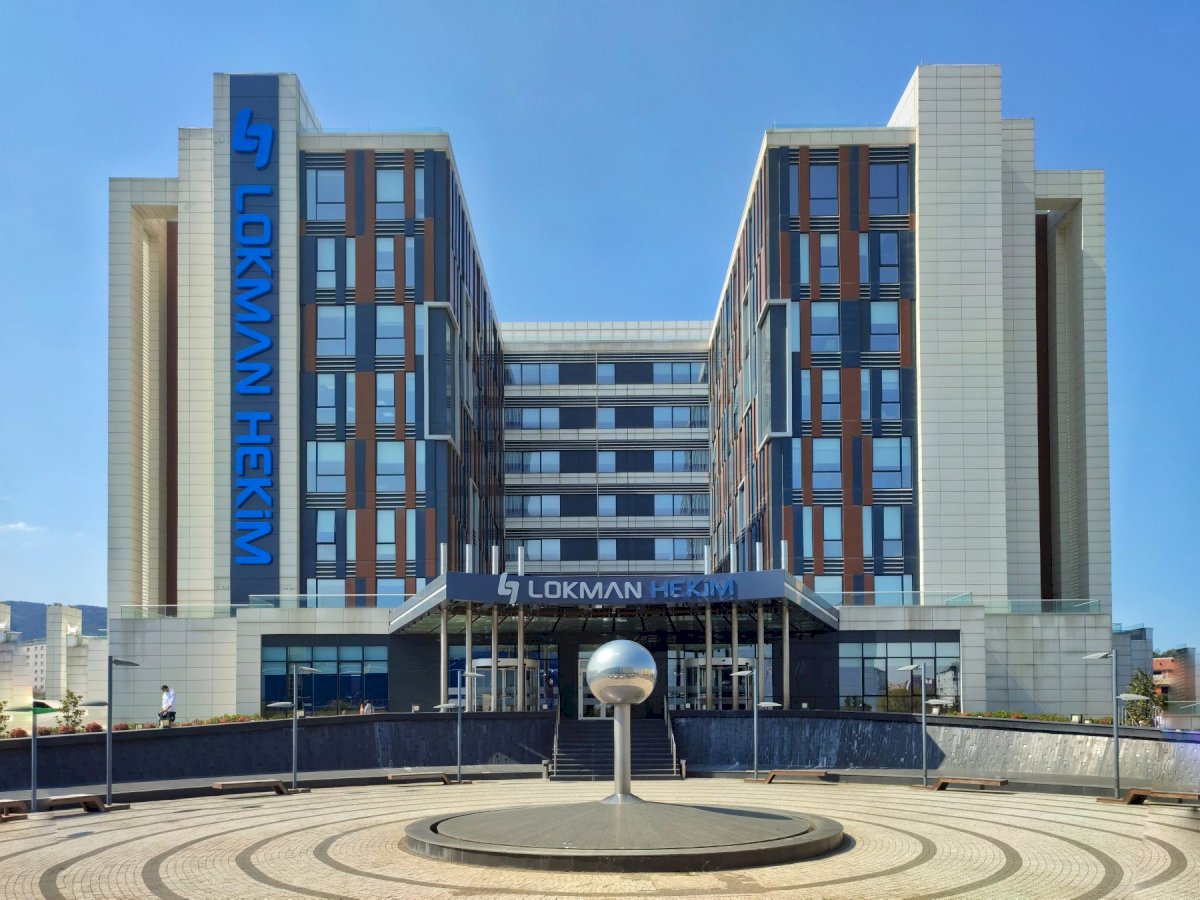
Lokman Hekim Istanbul Hospital
Elif Esra Uyar










Our Trusted Doctors
View all Doctors
Gokhan Demirayak

Cem Iyibozkurt
Dr. Cem Iyibozkurt is a gynecologic oncologist at Istanbul Florence Nightingale Hospital. He specializes in robotic-assisted surgery and minimally invasive oncology. He holds a PhD in Molecular Medicine. Dr. Iyibozkurt trained at the University of Oxford and Florida Hospital. He is a primary practitioner of robotic gynecologic procedures in Turkey.
- Certified by the European Society of Gynaecological Oncology (ESGO).
- Performed hundreds of minimally invasive procedures for gynecologic cancers.
- Maintains membership in the Turkish Society of Gynecologic Oncology.
- Practices at a JCI-accredited hospital that treats 300,000+ patients annually.

Enes Duman
Dr. Enes Duman is an Associate Professor of Interventional Radiology at Medical Park Antalya Hospital. He specializes in neurovascular procedures and endovascular treatments for cerebral aneurysms. Dr. Duman holds training from Ankara University and Baskent University. He previously served as a lecturer and researcher in Interventional Radiology.
- Performs endovascular treatment of wide-necked saccular aneurysms using flow-diverter stents.
- Researches laser wavelength effects on pain during saphenous vein ablation.
- Treats complex conditions at the largest private hospital in the Mediterranean region.
- Expert in minimally invasive diagnostics including angiography, CT, and MRI.
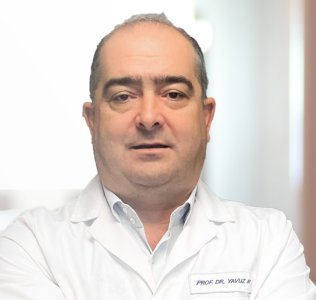
Yavuz Aydin
Dr. Yavuz Aydin is a Professor of Obstetrics and Gynecology at VM Medical Park Florya Hospital. He specializes in IVF, intrauterine insemination, and microsurgical tuboplasty. Dr. Aydin previously held a professorship at Biruni University. He also served as a medical specialist at Istanbul University Cerrahpaşa.
- Holds membership in the American Society for Reproductive Medicine (ASRM).
- Is a member of the European Society of Human Reproduction and Embryology (ESHRE).
- Performs laparoscopic and hysteroscopic surgeries for conditions like endometriosis.
- Treats patients at a JCI-accredited university hospital in Istanbul.
Video Stories from Bookimed Patients
Share this content
 Anna Leonova
FAQ about Cystoscopy in Turkey
When is the best time to travel to Turkey?
The main advantage of Turkish resorts is the long beach season. On the Mediterranean coast, it starts in April and lasts until November. In the resorts of the Aegean Sea — from May to October. The most comfortable time for swimming is from mid-June to the end of October. A large influx of tourists is in July-August, when the air temperature is +38°C, and the water warms up to +27°C.
What is the level of medicine in Turkey?
Healthcare is the key development sector of the Turkish government. The Turkish authorities are convinced that care for the citizens' health should be an absolute priority of state policy and spend about 77 billion liras for healthcare annually.
As a result, 28,000 medical facilities provide excellent medical care in the country. About 50 centers have certificate of JCI (Joint Commission International), the international improver of healthcare quality and safety across the globe. The index of certificates obtained is the largest. To compare, Israel has 20 JCI-accredited facilities, and Germany — only 10 clinics of this type.
What should you know about Turkey before the trip?
| Currency | lira (you also can pay for services in dollars and euros) |
| Best period for the trip | May-October |
| Language | Turkish (most of medical staff speaks English fluently) |
| Visa | is not required for a trip of at least 30 days per visit |
| Time difference with Europe | 3 hours |
| Time difference with the USA | 8 hours |
| Capital | Ankara |
| Medical tourism center | Istanbul |
| Popular resorts | Alanya, Antalya, Kemer, Marmaris |
Do I need a visa?
In 2020, the Republic of Turkey has visa-free agreements with 89 states. Some foreigners are exempted from obtaining entry visas, others are required to receive an electronic visa (e-Visa), and still others must apply for a visa at Turkish missions abroad.
What states need a visa for treatment in Turkey and what countries can cross the border free and easy read here.
What documents are required to apply for a visa to Turkey for treatment?
Visas for travel to Turkey require a number of documents. The necessary papers can be submitted 90 days before the planned departure. Lists of documents includes:
- ID card
- confirmation of online registration and filling out the questionnaire
- certificate of income and availability of funds ($50 per day per person)
- insurance policy for a stay in Turkey (original and copy)
- 2 photos (5x6)
- visa receipt
- booking of flight and hotel
- medical opinion about the need for treatment.
What hotel services are provided here?
In Turkey, hotels of different price ranges and service levels are presented. The level of Turkish hotels is comparable to hotels in Tunisia, Morocco or Egypt. Most tourists choose 4 and 5 star hotels with all-inclusive meals. Such hotels have everything for a comfortable stay: varied food, a large well-groomed territory, animation for children and adults. Some hotels have their own water park, which guests can use for free. Budget travelers can afford to book an economical 3-star hotel with half board or no meals at all.