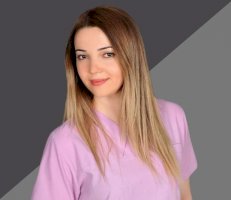
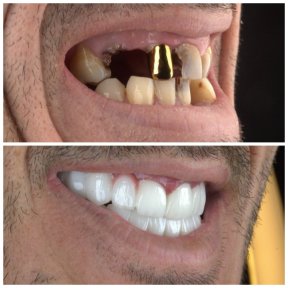
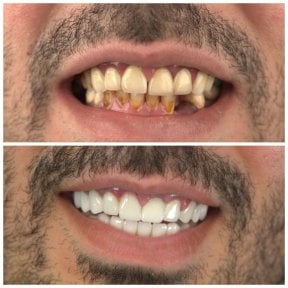
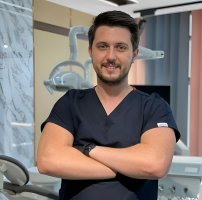
Empress aesthetic crowns plus a durable zirconia option are available in this single package for one missing tooth. Dr. Susana Akdash, whose thesis focused on implant prosthesis aesthetics, performs the bridge work at the ISO 9001-certified WestDent Clinic, an Official Straumann® System Provider. The entire process, from panoramic X-ray planning to advanced cementation, can be completed in one 3–4 day visit. For approximately $456, the fee covers the 3-crown bridge, a 5-star hotel stay, and VIP airport transfers.
How it works
How Much Does Dental bridge installation Cost in Turkey?
Dental bridge installation in Turkey typically costs from $150 to $650. The final price depends on the number of units, material choice, and the specific dental clinic location. In the US, similar procedures cost around $4,000 on average. Patients can find savings of approximately 90% in Turkey. Standard bridge packages often includes a panoramic X-ray, dentist consultations, professional crown preparation, and local transfers.
- Maryland bridge installation: $150 to $250 for resin-bonded options.
- Zirconia dental bridge: $180 to $680 for durable and natural-looking results.
- Porcelain bridge: $400 to $1,500 for standard aesthetic restoration.
- Dental bridge for molars: $350 to $660 for high-pressure back teeth areas.
Bookimed Expert Insight: Choosing clinics in Izmir can offer exceptional value compared to major hubs. For example, WestDent Clinic provides 3-unit bridge packages starting around $750. This price includes 5-star hotel stays and a 99% success rate. Some Istanbul clinics like YEG Clinic even feature on-site laboratories. This allows for rapid smile design completion in just four days.
| Turkey | The UK | The USA | |
|---|---|---|---|
| Dental bridge installation | from $150 | ≈ $2,100 | ≈ $2,800 |
| Zirconia dental bridge | from $180 | from $1,500 | ≈ $3,200 |
| Resin bonded bridge | from $270 | ≈ $1,200 | ≈ $2,500 |
| Porcelain bridge | from $400 | ≈ $1,900 | ≈ $3,000 |
| Metal dental bridge | ≈ $300 | ≈ $2,100 | ≈ $2,500 |
Discover the Best Dental bridge installation Clinics in Turkey: 4 Verified Options and Prices

Dr. Imad Alboshe has installed over 900 dental crowns with a 97% satisfaction rate across 10 years of practice. The Hollywood Smile package costs around $3,600 – typically covering 20 zirconium crowns (Ivoclar Vivadent), panoramic X-ray, whitening session, and VIP transfers. A Doctor of Dental Surgery from Okan University, Dr. Alboshe works at Suave Dental Clinic, accredited by the Turkish Medical Association with a 99% crown success rate.

Dr. Imad Alboshe has performed 900 procedures with a 98% success rate for zirconia crowns over 10 years. The clinic uses premium Ivoclar Vivadent crowns from Germany. A package with 11 crowns typically costs around $2,950 – covering the procedure, 6 nights at a 4-star hotel, VIP transfers, and full dental support. The Turkish Medical Association-accredited clinic maintains a 99% success rate for crown installations.


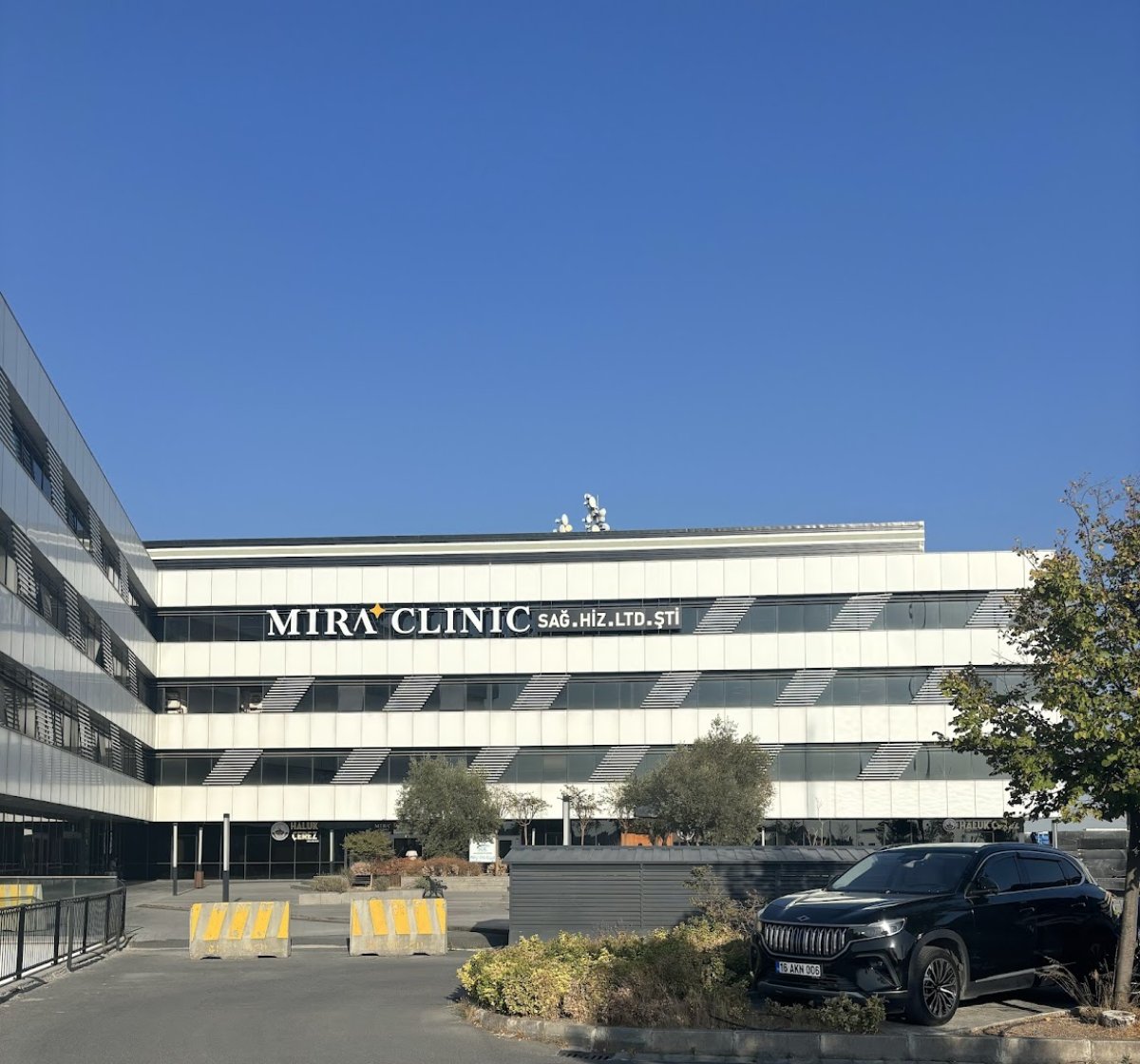
Mira Clinic has treated 46,000+ patients and holds JCI and TEMOS accreditations for safety. The team uses digital scanners to create 3D tooth models, avoiding messy physical impressions. They work with high-quality Swiss and German materials like zirconium and porcelain for durable results. Packages range from basic care to VIP options that include a 5-star hotel, transfers, and flight tickets. With a 4.9/5 rating from 2,600+ reviews, this Istanbul clinic offers a lifetime warranty on dental treatments.
Dental bridge installation Overview in Turkey
- Dental bridge installation - from $150This therapy replaces missing teeth, involving anchoring an artificial tooth to adjacent natural ones, improving smile and chewing ability.
- Maryland bridge installation - from $150The procedure involves securing a false tooth using wings glued to the adjoining teeth, enhancing smile aesthetics.
- Dental bridge for molars - from $350This therapy replaces missing back teeth, using crowns on adjacent teeth for support, improving chewing ability.
- Porcelain bridge - from $400The operation creates a natural-looking artificial tooth to replace missing ones, using durable yet cosmetic material.
- Zirconia dental bridge - from $180This therapy replaces missing teeth using strong, tooth-colored ceramics, giving a natural look with improved chewing function.
- Cantilever bridge - from $350This therapy replaces missing teeth using anchor teeth and a prosthetic tooth, providing firmness and a natural look.
- Resin bonded bridge - from $270This therapy replaces a missing tooth, using a false tooth connected by resin to neighboring teeth, leaving them intact.
Day 1
- Arrive in the country and transfer to the hotel.
- Rest in your 3* hotel after a long journey.
Day 2
- Transfer from the hotel to the clinic.
- Consultation with a dentist.
- Conduct necessary medical tests for dental bridge installation.
- Transfer back to the hotel and rest.
Day 3
- Transfer to the clinic for the dental bridge installation.
- Undergo local anesthesia for the procedure.
- Dental bridge installation takes place, which typically lasts 2-3 hours.
- Transfer back to the hotel for rest and recovery.
Day 4
- Day of rest at the hotel, allowing for initial recovery.
Week 1 to Week 2
- Recovery period, with regular check-ups at the clinic.
- Mild to moderate pain can be expected and managed with painkillers.
Week 3
- Return to work and other light activities.
Week 4
- Full recovery expected.
- Return to sports and other strenuous activities.
- Final result of the dental bridge installation is visible.
Each case is individual and the timeline may vary depending on personal recovery rate and the complexity of the procedure.
What patients like:
- Cost. The Dental bridge installation cost in Turkey ranges from $150 to $650.
- Doctor’s professionalism. Turkish dentists have global recognition for their professionalism. Most of them have international certificates and memberships in recognized dental organizations.
- Service level. Turkey offers high service levels. Patients appreciate the hospitality, cleanliness, and modernity of dental clinics.
- Dental bridge installation efficacy. Patients report high satisfaction rates due to the use of modern techniques and technologies, leading to successful outcomes.
- Logistics. The ease of travel to Turkey and the availability of convenient accommodation and transportation are highly regarded by the patients.
What patients don’t like:
- Language barrier. Some patients experience communication issues due to the language barrier. However, most clinics offer translation services.
- Waiting Time. Sometimes, patients might experience long waiting times due to the high demand for dental procedures in Turkey.
- Travel logistics. Some patients find the process of planning and executing the trip to Turkey for dental procedures to be inconvenient.
- Bookimed deposit: $200 or €200.
- Clinic deposit: Pay a set percentage in advance.
Our Trusted Doctors
View all Doctors
Susana Akdash
Specializes in high-tech implant prosthetics, including All-on-4 and All-on-6 dental bridges at WestDent Clinic.
- Graduation thesis focused on implant prosthesis and aesthetics
- Trained in immediate loading techniques for dental implants
- Completed advanced courses in digital smile design
- Attended multiple national and international implantology symposiums

Necat Aslan

Imad Alboshe
Dr. Alboshe specializes in crafting Hollywood smiles and performing secure implant procedures at Suave Dental Clinic.
- Earned Doctor of Dental Surgery (DDS) from OKAN University in Istanbul
- Graduated from FUTURE University in Egypt with a focus on dental excellence
- Uses state-of-the-art technology for precision and patient comfort
- Dedicated to educating patients for a relaxed and confident experience

Gurkan Armagan
Dr. Gürkan Armağan is a DSD-certified dentist at Soraca Med in Antalya. He focuses on smile makeovers through digital dentistry and implantology. Dr. Armağan holds specific training in guided implant surgery, which improves implant placement accuracy. He treats patients at Soraca Med, a TMA-registered clinic meeting international quality standards.
- Certified in Digital Smile Design (DSD) for precise aesthetic planning.
- Completed an Aesthetic Dentistry Masterclass and an Advanced Implantology Workshop.
- Performs complex restorations including Emax veneers and All-on-6 dental implants.
- Uses digital dentistry solutions to create Hollywood Smile results for international patients.
Video Stories from Bookimed Patients
Reviews about Bookimed: Discover Patients' Insights
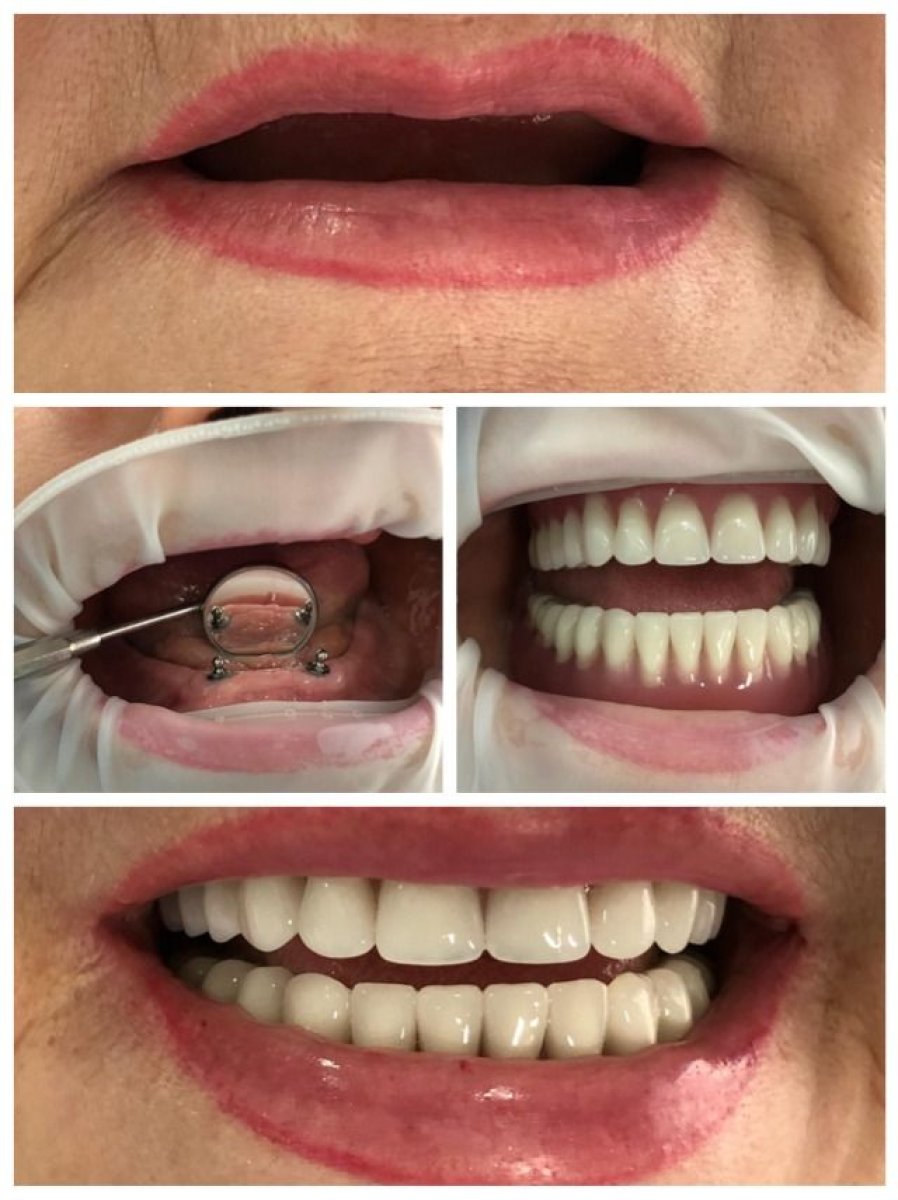
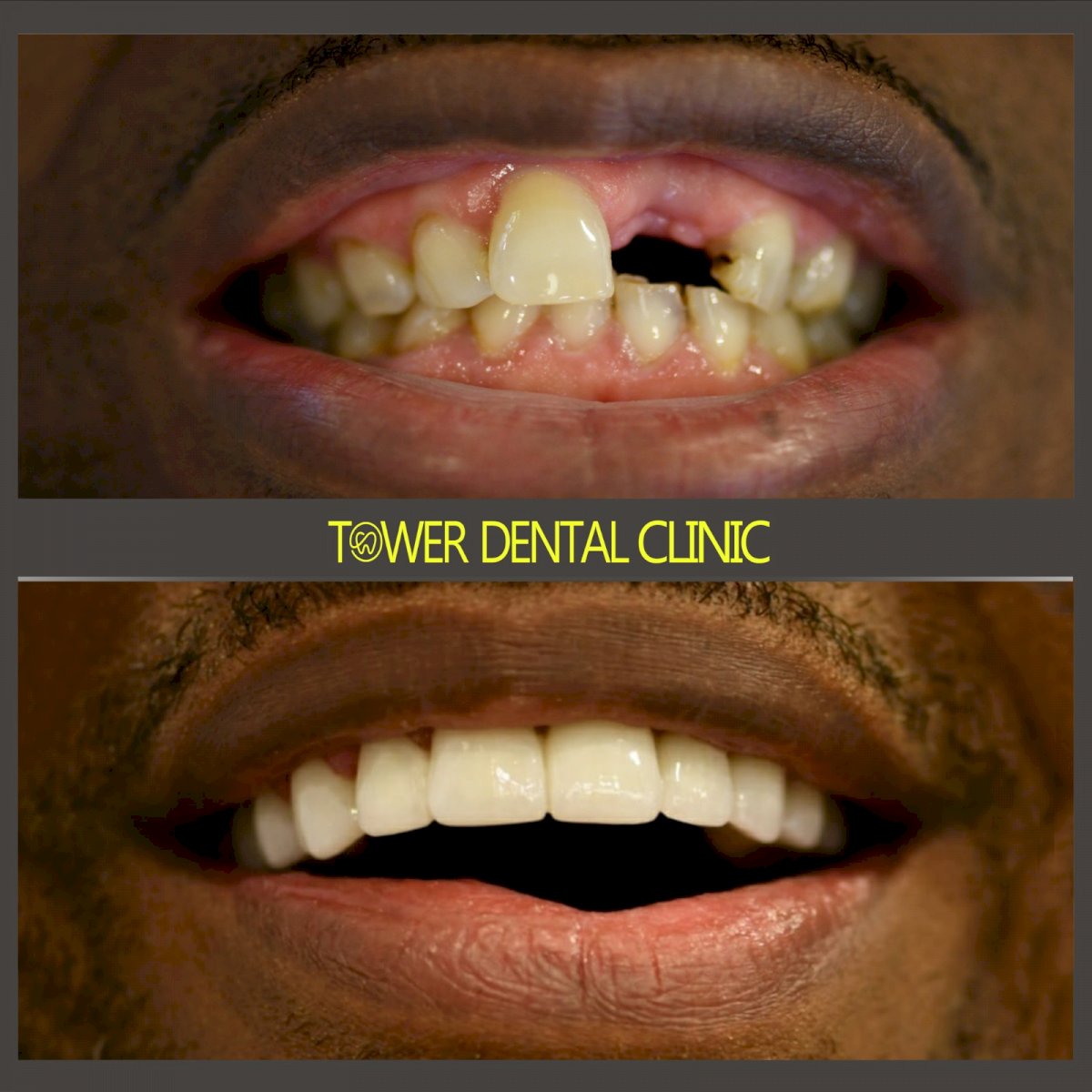
All reviewsDental bridge installation: Before & after photos
View allShare this content
Anna Leonova
Our Dental bridge installation Techniques: What Suits You Best?
When considering Dental bridge installation, it’s important to understand the different techniques and which is best suited for you. Here’s a concise comparison of popular options:

Zirconia Dental Bridge
It is a dental prosthetic made from zirconia used for replacing missing teeth.

Maryland Bridge Installation
This procedure involves the placement of a dental prosthetic that replaces missing teeth using a metal framework bonded to the back of adjacent teeth.

Porcelain Bridge
A porcelain bridge is a dental restoration that replaces missing teeth using porcelain crowns attached to adjacent teeth.

Dental Bridge for Molars
Dental bridgework involves replacing missing molars with artificial teeth supported by adjacent teeth.

Metal Dental Bridge
A metal dental bridge is a fixed dental prosthetic used to replace missing teeth by anchoring to adjacent teeth or implants.
FAQ about Dental bridge installation in Turkey
What materials are most commonly used for bridges in Turkey?
Zirconia and porcelain-fused-to-metal (PFM) are the primary materials used for dental bridges in Turkey. Clinics also offer high-aesthetic E-max (lithium disilicate) and monolithic zirconia for patients seeking superior durability and natural translucency, often supported by premium brands like Straumann during restoration.
- Zirconia bridges: Highly durable material offering metal-free aesthetics and 20-year guarantees at some clinics.
- PFM bridges: Cost-effective option combining a strong metal base with a natural porcelain exterior.
- E-max ceramic: Preferred for front teeth due to high light translucency and realistic appearance.
- Implant-supported bridges: Utilizes high-strength titanium or zirconia connected to multiple dental implant posts.
Bookimed Expert Insight: While many patients focus on specific brands, the real value in Turkey lies in clinical infrastructure. High-volume centers like WestDent Clinic perform over 5,000 operations annually and often include 5-star hotel stays and VIP transfers in their zirconia bridge packages. This level of volume allows Turkish clinics to offer premium E-max or monolithic zirconia at 90% less than US averages.
Patient Consensus: Patients frequently highlight the speed of service, noting that custom zirconia bridges are often completed in 3–5 days. Many express satisfaction with the natural color matching and the seamless integration of all-inclusive logistics included in their dental care.
How many appointments are needed and how long must I stay?
Dental bridge installation in Turkey requires 2 to 3 appointments over a 7 to 10 day stay. Most patients visit the dentist on day 1 for tooth preparation and impressions, then return 5 to 7 days later for final permanent bridge placement.
- Travel duration: Plan 7 to 10 days in Turkey for laboratory fabrication.
- Initial visit: Includes clinical consultation, X-rays, tooth contouring, and mold impressions.
- Interim period: Lab crafting takes 5 days; temporary bridges protect prepared teeth.
- Final appointment: Permanent bridge fitting, bite checking, and securing with dental cement.
Bookimed Expert Insight: While many think Istanbul offers the fastest results, clinics in Izmir like WestDent often provide highly efficient turnaround times with a 99% success rate. Some Turkish facilities use on-site milling technology to reduce the typical 5-day lab wait to just 3 days, which is significantly faster than standard timelines in the US or UK.
Patient Consensus: Patients emphasize arriving 1 or 2 days early for X-rays to prevent scheduling delays. Most advise against rushing the process in under 5 days to ensure a proper fit and allow gums to settle.
Is the dental bridge procedure safe and what are potential complications?
Dental bridge procedures in Turkey are universally recognized as safe, restorative solutions with success rates reaching 99% at top-tier clinics. While complications like tooth sensitivity or gum discomfort are minor and temporary, rare risks include nerve irritation, bridge loosening, or decay under crowns.
- Success rates: Leading İzmir and Istanbul clinics maintain a 99% procedure success rate.
- Major risks: Improperly fitted bridges may trap plaque, causing decay on supporting abutment teeth.
- Structural longevity: Most bridges last 5–15 years, though teeth grinding can reduce this timeframe.
- Safety standards: Clinics hold ISO and TÜV NORD certifications, ensuring rigorous sterilization and material quality.
Bookimed Expert Insight: Data from 45,000 annual patients shows that clinics with in-house laboratories, like YEG Clinic, significantly reduce misalignment risks. These facilities create custom-fit bridges in under 4 days. This speed prevents the prolonged use of temporary bridges, which often cause the most gum irritation and sensitivity issues.
Patient Consensus: Many patients emphasize that while procedures are smooth, maintaining impeccable hygiene is vital. Using water picks helps prevent the common infections that can lead to bridge failure years later.
How long does a dental bridge last in Turkey and what factors influence longevity?
A dental bridge in Turkey typically lasts 5 to 15 years, though high-quality materials like zirconia often exceed 20 years with proper care. Longevity depends on material choice, oral hygiene, and precision fitting by specialists in JCI-accredited clinics in Istanbul, Izmir, and Antalya.
- Material durability: Zirconia bridges last 15–20 years, while porcelain-fused-to-metal (PFM) usually reaches 10–12 years.
- Surgical expertise: Clinics like WestDent report a 99% success rate across thousands of dental reconstructions.
- Hygiene maintenance: Plaque control prevents decay in abutment teeth, which are vital for bridge support.
- Specialized equipment: Top facilities use genuine Straumann materials and ISO-certified quality management systems for precision.
Bookimed Expert Insight: Patient data indicates that choosing clinics with in-house laboratories, such as YEG Clinic, often results in a more precise fit. A perfect fit is crucial because even a microscopic gap can harbor bacteria, significantly shortening the bridge lifespan. Precise smile design in just 4 days can ensure long-term structural integrity.
Patient Consensus: Patients emphasize that using a water flosser is a game-changer for cleaning under the bridge. Many express relief at the seamless fit provided by Turkish specialists, noting that the new bridge feels as natural and sturdy as their original teeth.
What is the essential difference between a bridge and an implant?
The essential difference lies in structural support: dental bridges rely on neighboring healthy teeth for stability, whereas implants are independent titanium posts anchored directly into the jawbone. Bridges require permanent alteration of adjacent teeth to serve as anchors, while implants preserve natural tooth structure.
- Support mechanism: Bridges use crowns on adjacent teeth; implants function as artificial roots.
- Tooth preservation: Implants leave surrounding teeth untouched; bridges require filing down healthy enamel.
- Bone health: Implants prevent jawbone loss; bridges do not stimulate bone under the gap.
- Durability: Bridges usually last 5–15 years; implants often last a lifetime with care.
Bookimed Expert Insight: Turkish clinics like WestDent Clinic and Good Look Clinic frequently offer zirconia bridges for as little as $180, which is significantly lower than the $4,000 US average. While bridges are faster, choosing them over implants in Turkey often depends on bone density. If your bone is thin, a bridge avoids the extra cost and months of healing required for bone grafting.
Patient Consensus: Many patients regret the permanent grinding of healthy teeth required for bridges and find cleaning under them challenging. Those choosing implants appreciate the independent structure, especially when Turkey's pricing makes the lifetime value more accessible.
What qualifications and accreditation should I look for in a Turkish dentist before bridge placement?
Verify that your Turkish dentist holds a five-year dental degree and mandatory registration with the Turkish Dental Association (TDB). Prioritize specialists in Prosthodontics for bridges. Ensure the clinic possesses a Health Tourism Authorization Certificate from the Turkish Ministry of Health to legally treat international patients.
- Specialist qualification: Seek a prosthodontist with 3–5 years additional training in tooth replacement.
- Government authorization: Confirm the Health Tourism Authorization Certificate for legal international patient care.
- Quality certifications: Look for ISO 9001 or JCI accreditation for high safety standards.
- Material verification: Request written plans specifying brands like Straumann or high-grade Zirconia.
Bookimed Expert Insight: Top-tier clinics like WestDent Clinic maintain 99% success rates by employing specialized teams. Dr. Susana Akdash, for instance, focused her thesis specifically on implant prosthesis. Choosing a doctor with focused academic research in aesthetics often ensures superior bridge longevity and natural appearance.
Patient Consensus: Patients emphasize the importance of seeing clear evidence of specialization during consultations. Many recommend choosing clinics with on-site laboratories to ensure the bridge fit is perfect before leaving Turkey.
What is the typical timeline and number of appointments for a bridge in Turkey?
Standard dental bridge installation in Turkey typically requires 5 to 10 days and involves 2 to 3 clinical appointments. This timeframe allows for tooth preparation, digital impressions, and custom laboratory milling of permanent Empress or zirconia crowns for a precise, durable fit.
- First visit: Consultation, X-rays, tooth shaping, and impressions usually take about 4 hours.
- Interim phase: Temporary crowns are fitted while the laboratory mills the permanent bridge.
- Trial fitting: A mid-week check ensures the bite and aesthetics are perfect before finalization.
- Final placement: Permanent cementation occurs on day 5 to 7, requiring approximately 1 hour.
Bookimed Expert Insight: Clinics with on-site CAD/CAM laboratories, such as WestDent Clinic or YEG Clinic, can often reduce the milling time to just 3 or 4 days. While many centers offer 5-day schedules, booking a 10-day trip allows for vital bite adjustments after the final bridge is cemented.
Patient Consensus: Patients value how clinics organize VIP transfers and 5-star hotel stays to make the waiting period between appointments feel like a holiday. Most recommend bringing recent X-rays to expedite the initial consultation and reduce laboratory delays.
How should I care for my temporary and permanent dental bridge after the procedure?
Effective bridge care requires distinct approaches for temporary and permanent restorations. Temporary bridges use weak cement and require dietary restrictions to prevent dislodging. Permanent bridges are durable but need specialized tools, like floss threaders or interdental brushes, to clean the gap between the gums and artificial teeth.
- Temporary dietary limits: Avoid sticky or hard foods like caramel and ice to prevent breaking acrylic.
- Modified flossing technique: Slide floss sideways rather than pulling upward to keep temporary cement intact.
- Advanced cleaning tools: Use water flossers or proxybrushes to remove trapped food under permanent pontics.
- Sensitivity management: Apply sensitivity toothpaste and use salt water rinses for minor gum soreness.
Bookimed Expert Insight: While many patients focus on the final look, our data shows that bite refinement is the most common follow-up need. Top clinics like WestDent Clinic maintain a 99% success rate by utilizing their own laboratories for rapid adjustments. Expect 1–3 refinement appointments to ensure your bite feels natural after the permanent bridge is seated.
Patient Consensus: Patients often find that food trapping is a daily frustration and suggest carrying interdental brushes everywhere. Many recommend requesting detailed written aftercare instructions before leaving the clinic to manage sensitivity effectively at home.
Am I a suitable candidate for a dental bridge and what are the alternatives?
You are a suitable candidate for a dental bridge if you have healthy adjacent teeth to serve as anchors and good periodontal health. This fixed prosthetic typically replaces 1 to 4 consecutive missing teeth, restoring function and aesthetics within 5 to 7 days in Turkey.
- Anchor tooth health: Supporting teeth must have strong roots and adequate bone for permanent crown placement.
- Periodontal stability: Gums must be free of active disease to ensure the bridge remains stable.
- Treatment alternatives: Dental implants offer standalone replacement, while removable partial dentures provide lower-cost multi-tooth solutions.
- Maryland bridge option: Resin-bonded wings offer a minimally invasive alternative, primarily for replacing single front teeth.
Bookimed Expert Insight: Data shows Turkish clinics like WestDent often bundle 5-star accommodation and VIP transfers into a $750 bridge package. While tempting, prioritize clinics with in-house CAD/CAM labs, such as YEG Clinic or Dental Bosphorus. In-house labs significantly reduce the risk of ill-fitting prosthetics. This often prevents the common `food trap` issues that lead to decay under anchor teeth years later.
Patient Consensus: Many patients find the procedure remarkably fast but warn that maintaining hygiene requires specialized floss threaders. Some suggest choosing clinics with written guarantees to ensure the bridge lasts beyond the typical 5-year failure window.
How long must I stay in Turkey and can I travel or fly immediately after the bridge is fitted?
Patients should plan a 5 to 7 day stay in Turkey for a standard dental bridge restoration. While flying is physically possible after cementation, dental experts recommend waiting 48 to 72 hours to ensure the bite is comfortable and to prevent sensitivity from cabin pressure changes.
- Travel duration: Plan 3 to 5 days for traditional bridges or two trips for implants.
- Flight safety: Wait 24 to 72 hours after final fitting to monitor bite adjustments.
- Clinic protocol: Most Turkish facilities provide initial prep, lab fabrication, and fitting within one week.
- Surgical wait: Allow 3 to 7 days before flying if extractions accompanied the bridge placement.
Bookimed Expert Insight: Clinics like WestDent and YEG Clinic utilize in-house laboratories to compress the standard 7-day timeline into just 3 or 4 days. This setup is a major efficiency boost because lab technicians can adjust the porcelain or zirconia shade and fit in real-time while you wait. Modern facilities often maintain a 99% success rate by using these high-tech CAD/CAM systems for immediate precision.
Patient Consensus: Patients frequently highlight that while the physical fitting is quick, the extra days in Turkey are vital for testing the new bite during meals before heading home. Many travelers appreciate the all-inclusive packages that cover 5-star hotel stays, making the mandatory waiting period feel like a recovery vacation.