Diagnostic Catheterization in Turkey — Get 3 Top Clinic Matches with Costs

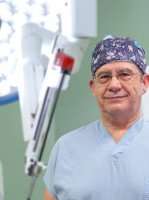
Medically reviewed by
Hasim Ustunsoy
How Much Does Diagnostic Catheterization Cost in Turkey?
Diagnostic catheterization in Turkey typically costs from $5,100. The final price depends on the specific protocol used and the body area covered. Patients save about 42% compared to the US, where this diagnostic costs $8,800 on average. Most international patient packages include initial pre-operative blood work and a brief hospital stay.
- Hospital tier: Top-tier hospitals with international accreditation often charge 20-30% more for their services.
- City location: Clinics in Istanbul typically have higher prices than those in regional medical hubs.
- Procedure complexity: Adding specialized pressure measurements or extensive imaging increases the total cost.
- Therapeutic additions: Costs rise if doctors perform immediate interventions like placing a stent.
Bookimed Expert Insight: Choosing a specialist with high procedure volumes offers the best value for complex cases. For example, Prof. Dr. İbrahim Cansaran Tanıdır has performed over 10,000 pediatric cardiac catheterizations in Istanbul. Highly experienced doctors often work at centers with specialized departments, like the 51 units at Başarı Hospital. Many Turkish professors have extensive international backgrounds, including training at NATO hospitals or publishing in American journals. This high level of expertise remains affordable compared to similar care levels in Western Europe.
| Turkey | Austria | Spain | |
|---|---|---|---|
| Diagnostic Catheterization | from $5,100 | ≈ $2,400 | from $3,900 |
Your Benefits and Guarantees with Bookimed
Transparent Prices & Flexible Installments
No hidden fees – just official clinic prices. Pay at the clinic for Diagnostic Catheterization upon arrival and use a flexible installment plan if needed.
Verified Clinics & Doctors Only
Bookimed is committed to your safety. We only work with medical institutions that maintain high international standards in Diagnostic Catheterization and have the necessary licenses to serve international patients worldwide.
Free 24/7 Assistance
Bookimed offers free expert assistance. A personal medical coordinator supports you before, during, and after your treatment, solving any issues. You're never alone on your Diagnostic Catheterization journey.

Your personal Bookimed medical coordinator
- Supports you at every stage
- Helps choose the right clinic and doctor
- Ensures quick and convenient access to information
Discover the Best Diagnostic Catheterization Clinics in Turkey: 3 Verified Options and Prices



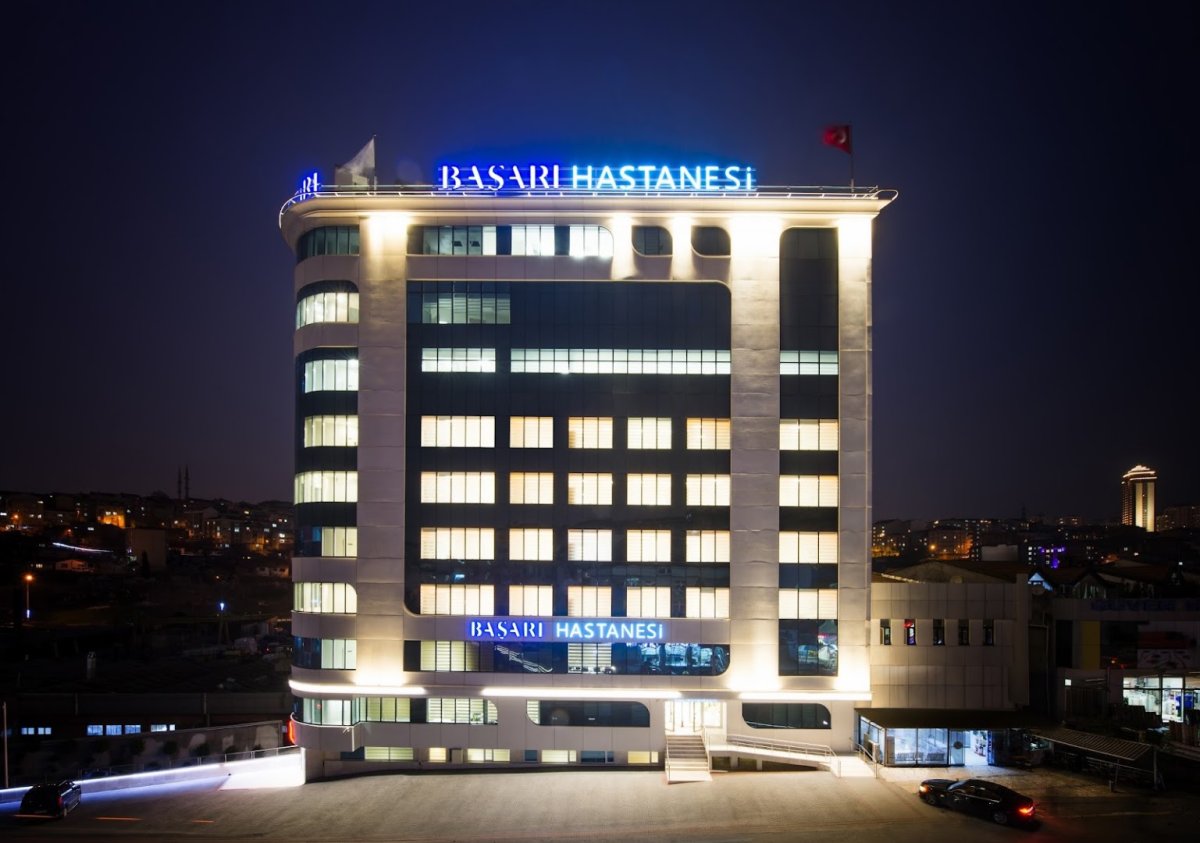

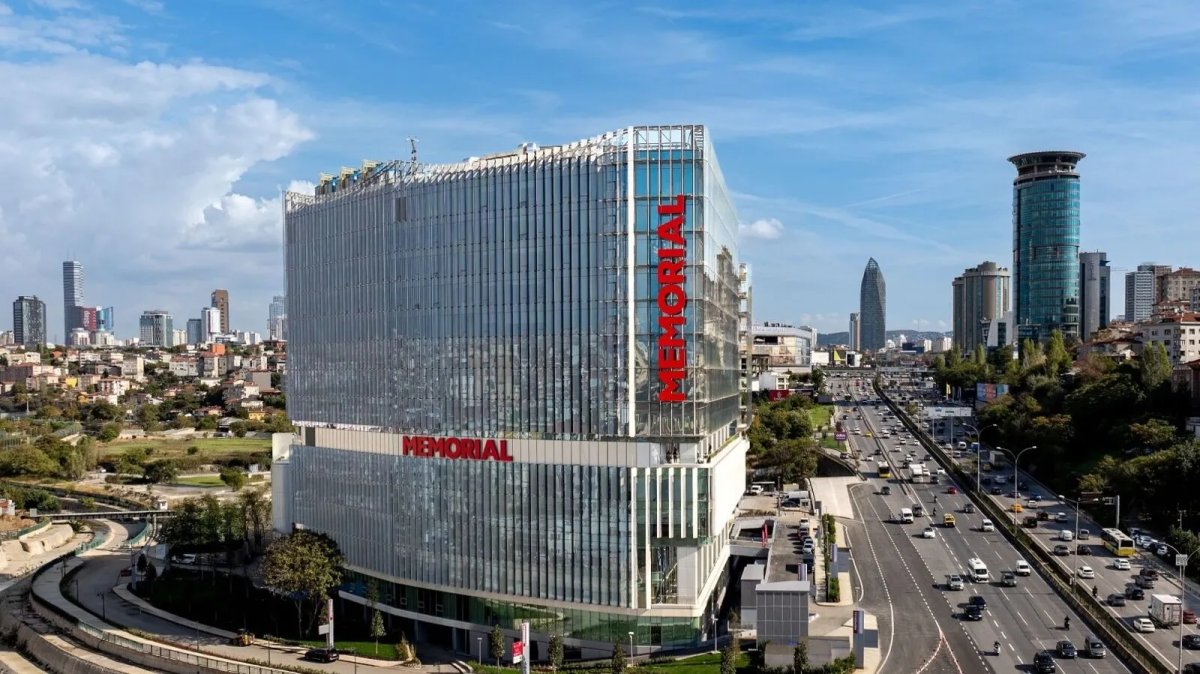
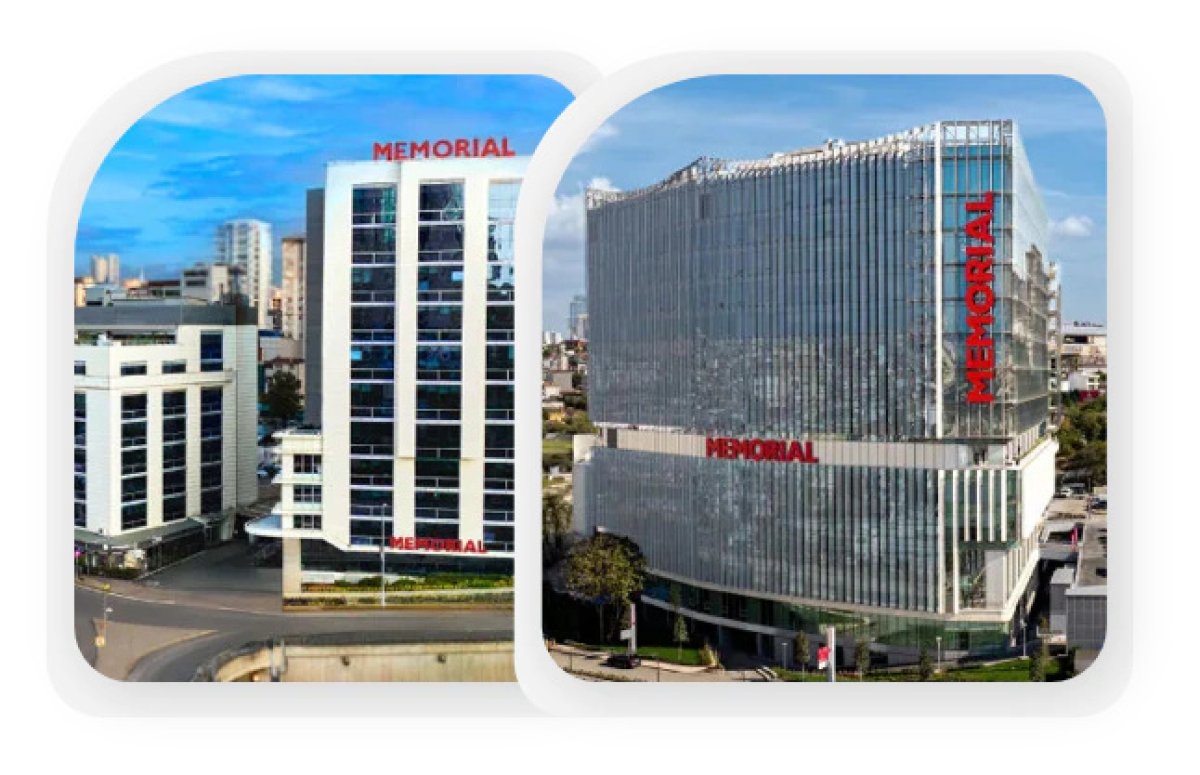
Memorial Göztepe Hospital
Prof. Dr. İbrahim Cansaran Tanıdır – Pediatric Cardiology
Our Doctors
View all Doctors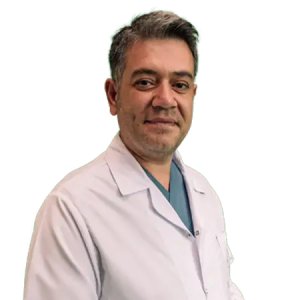
Gokhan Bektasoglu
Dr. Gokhan Bektasoglu is Faculty Doctor at Atlas University Hospital with broad expertise in cardiovascular interventions.
- Specializes in coronary and peripheral vascular angiography including balloon and stent procedures
- Experienced in complex catheterization for heart rhythm disorders and congenital heart diseases
- Published 12 scientific papers on cardiovascular topics in international journals
- Performs echocardiography and transesophageal echocardiography for detailed heart assessment
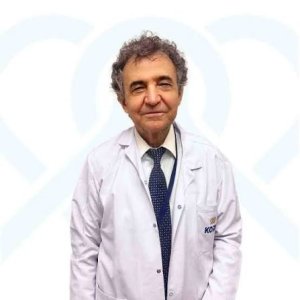
Mustafa Ozkan
Prof. Dr. Mustafa Özkan is a cardiologist at Koru Ankara Hospital. His main areas are coronary artery and heart valve diseases, hypertension, and hyperlipidemia.
He graduated from Istanbul University Faculty of Medicine in 1974. He completed specialization in occupational diseases in 1982 and in cardiology in 1991. He became an associate professor in 1993 and a professor in 2007.
He served at GATA, Izmir Air Hospital, Kütahya Air Hospital, and the NATO Hospital in Belgium. He has published many national and international articles. He has treated many patients.
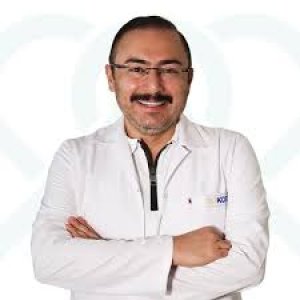
Gokhan Cicek
The doctor is a cardiology specialist who completed medical training at Istanbul University and specialized at the Siyami Ersek Thoracic Heart and Vascular Surgery Training and Research Hospital. With an extensive academic and clinical background, the doctor has served as a chief resident and associate professor, eventually attaining the rank of professor. The doctor currently practices at Ankara City (Bilkent) Hospital.
The doctor possesses significant expertise in interventional cardiology, cardiac pacemaker implantation, and electrophysiology. Clinical focus areas include echocardiography, heart valve procedures such as TAVI and mitral balloon valvuloplasty, and complex coronary and CTO procedures. The doctor has authored numerous scientific studies in national and international journals.
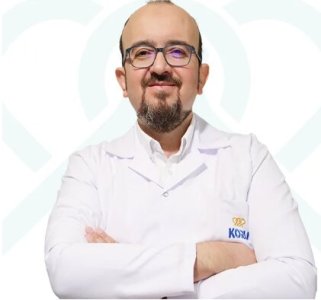
Sadik Kadri Acikgoz
The doctor is a distinguished cardiology specialist with extensive clinical experience, having earned a medical degree from Hacettepe University in 2004 and completed cardiology specialization at Gazi University in 2010. Achieving the rank of Professor in 2024, the doctor has served at several prominent institutions, including Ankara Turkey Higher Specialized Hospital and Ankara Bilkent City Hospital.
The doctor specializes in preventive cardiology, hyperlipidemia, hypertension, and heart failure, with significant expertise in interventional procedures such as coronary angiography, stent and balloon treatments, and complex coronary interventions. The doctor is also skilled in cardio-oncology, rhythm disorders, and advanced imaging techniques like TEE.
Video Stories from Bookimed Patients
Share this content
 Anna Leonova
FAQ about Diagnostic Catheterization in Turkey
When is the best time to travel to Turkey?
The main advantage of Turkish resorts is the long beach season. On the Mediterranean coast, it starts in April and lasts until November. In the resorts of the Aegean Sea — from May to October. The most comfortable time for swimming is from mid-June to the end of October. A large influx of tourists is in July-August, when the air temperature is +38°C, and the water warms up to +27°C.
What is the level of medicine in Turkey?
Healthcare is the key development sector of the Turkish government. The Turkish authorities are convinced that care for the citizens' health should be an absolute priority of state policy and spend about 77 billion liras for healthcare annually.
As a result, 28,000 medical facilities provide excellent medical care in the country. About 50 centers have certificate of JCI (Joint Commission International), the international improver of healthcare quality and safety across the globe. The index of certificates obtained is the largest. To compare, Israel has 20 JCI-accredited facilities, and Germany — only 10 clinics of this type.
What should you know about Turkey before the trip?
| Currency | lira (you also can pay for services in dollars and euros) |
| Best period for the trip | May-October |
| Language | Turkish (most of medical staff speaks English fluently) |
| Visa | is not required for a trip of at least 30 days per visit |
| Time difference with Europe | 3 hours |
| Time difference with the USA | 8 hours |
| Capital | Ankara |
| Medical tourism center | Istanbul |
| Popular resorts | Alanya, Antalya, Kemer, Marmaris |
Do I need a visa?
In 2020, the Republic of Turkey has visa-free agreements with 89 states. Some foreigners are exempted from obtaining entry visas, others are required to receive an electronic visa (e-Visa), and still others must apply for a visa at Turkish missions abroad.
What states need a visa for treatment in Turkey and what countries can cross the border free and easy read here.
What documents are required to apply for a visa to Turkey for treatment?
Visas for travel to Turkey require a number of documents. The necessary papers can be submitted 90 days before the planned departure. Lists of documents includes:
- ID card
- confirmation of online registration and filling out the questionnaire
- certificate of income and availability of funds ($50 per day per person)
- insurance policy for a stay in Turkey (original and copy)
- 2 photos (5x6)
- visa receipt
- booking of flight and hotel
- medical opinion about the need for treatment.
What hotel services are provided here?
In Turkey, hotels of different price ranges and service levels are presented. The level of Turkish hotels is comparable to hotels in Tunisia, Morocco or Egypt. Most tourists choose 4 and 5 star hotels with all-inclusive meals. Such hotels have everything for a comfortable stay: varied food, a large well-groomed territory, animation for children and adults. Some hotels have their own water park, which guests can use for free. Budget travelers can afford to book an economical 3-star hotel with half board or no meals at all.