Electronic Arm Prosthesis in Turkey — Get 3 Top Clinic Matches with Costs
Bookimed lists 8 electronic arm prosthesis clinics in Turkey, mostly in Istanbul, Ankara, and Antalya, including JCI-accredited and ISO-certified clinics. These clinics are rated 4.6/5 in 753 verified patient reviews on Bookimed.

Medically reviewed by
Kayhan Turan
How Much Does Electronic arm prosthesis Cost in Turkey?
Electronic arm prosthesis in Turkey typically costs from $27,000 to $45,000. The final price depends on the technology used, the manufacturer, and the level of multi-grip functionality required. In the US, similar procedures cost around $57,500 on average. Turkey offers savings of around 37%. Main medical hubs include Istanbul, Antalya, and Ankara. Packages often include the device, fitting, and rehabilitation sessions.
- Basic myoelectric systems: These entry-level electronic devices typically represent the most affordable technological tier.
- Advanced bionic arms: These models use muscle signals for multi-grip control and cost significantly more.
- Premium global brands: Technology from brands like Ottobock or Össur increases the total budget substantially.
- Location factors: Specialized centers in Istanbul and Antalya often house JCI-accredited facilities with higher volumes.
Bookimed Expert Insight: Choosing high-volume centers like Memorial Şişli Hospital or Memorial Antalya Hospital adds significant value. These JCI-accredited clinics attract patients from over 160 countries. They provide access to professors like Suleyman Bulent Bektaser who specialize in complex prosthetic surgery. Opting for these established hubs ensures a 5-star experience with integrated rehabilitation. This holistic approach is crucial for mastering advanced bionic limb control.
| Turkey | Austria | Spain | |
|---|---|---|---|
| Electronic arm prosthesis | from $27,000 | ≈ $28,000 | ≈ $14,000 |
Your Benefits and Guarantees with Bookimed
Transparent Prices & Flexible Installments
No hidden fees – just official clinic prices. Pay at the clinic for Electronic arm prosthesis upon arrival and use a flexible installment plan if needed.
Verified Clinics & Doctors Only
Bookimed is committed to your safety. We only work with medical institutions that maintain high international standards in Electronic arm prosthesis and have the necessary licenses to serve international patients worldwide.
Free 24/7 Assistance
Bookimed offers free expert assistance. A personal medical coordinator supports you before, during, and after your treatment, solving any issues. You're never alone on your Electronic arm prosthesis journey.

Your personal Bookimed medical coordinator
- Supports you at every stage
- Helps choose the right clinic and doctor
- Ensures quick and convenient access to information
Discover the Best Electronic arm prosthesis Clinics in Turkey: 8 Verified Options and Prices


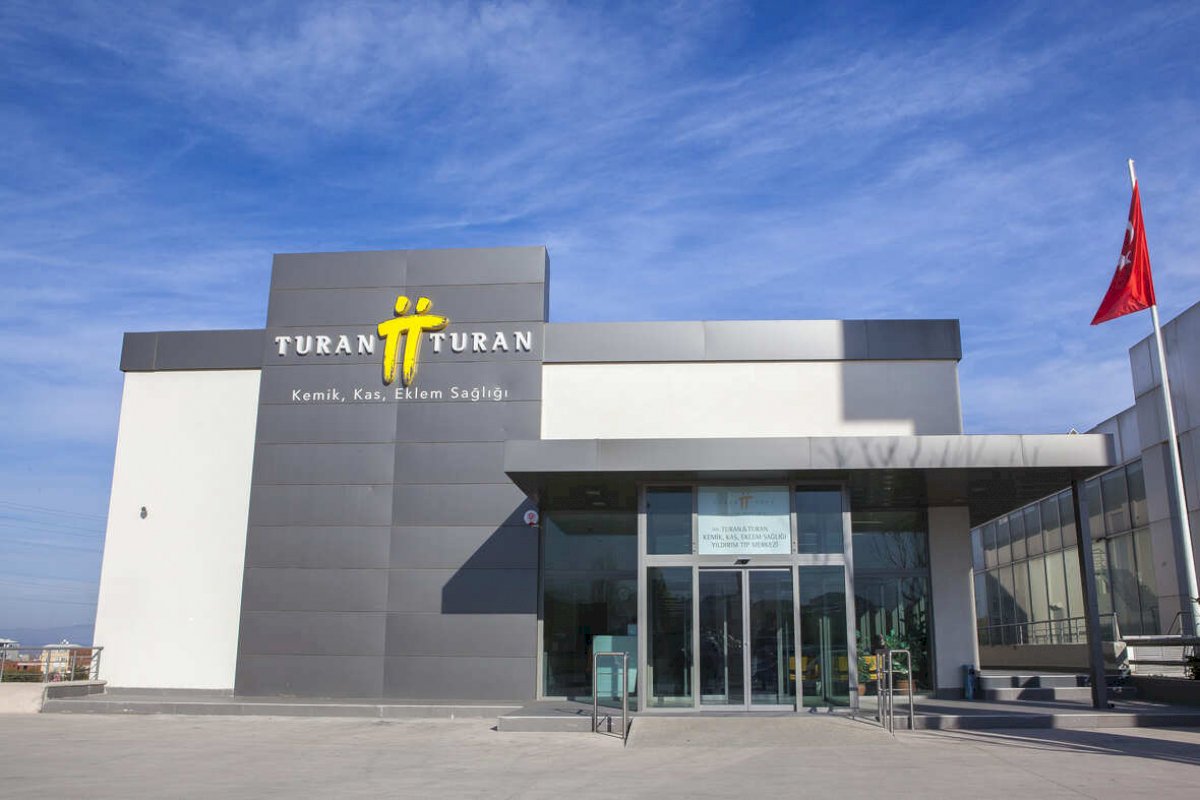
Turan Turan Health Group


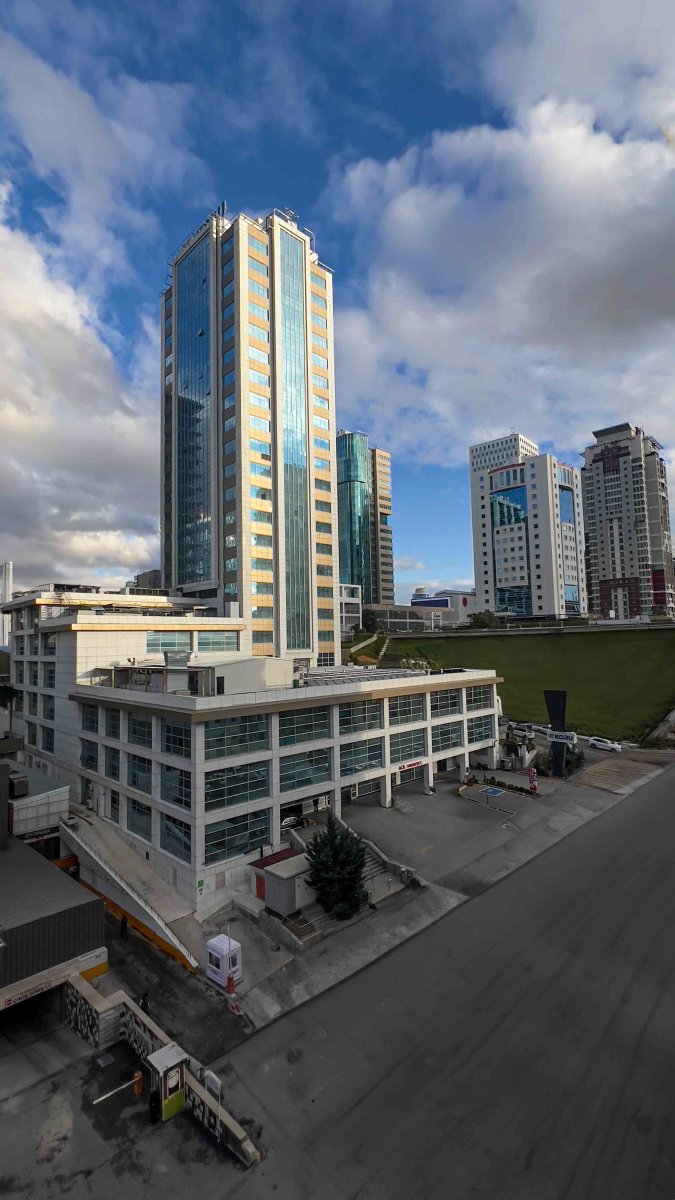


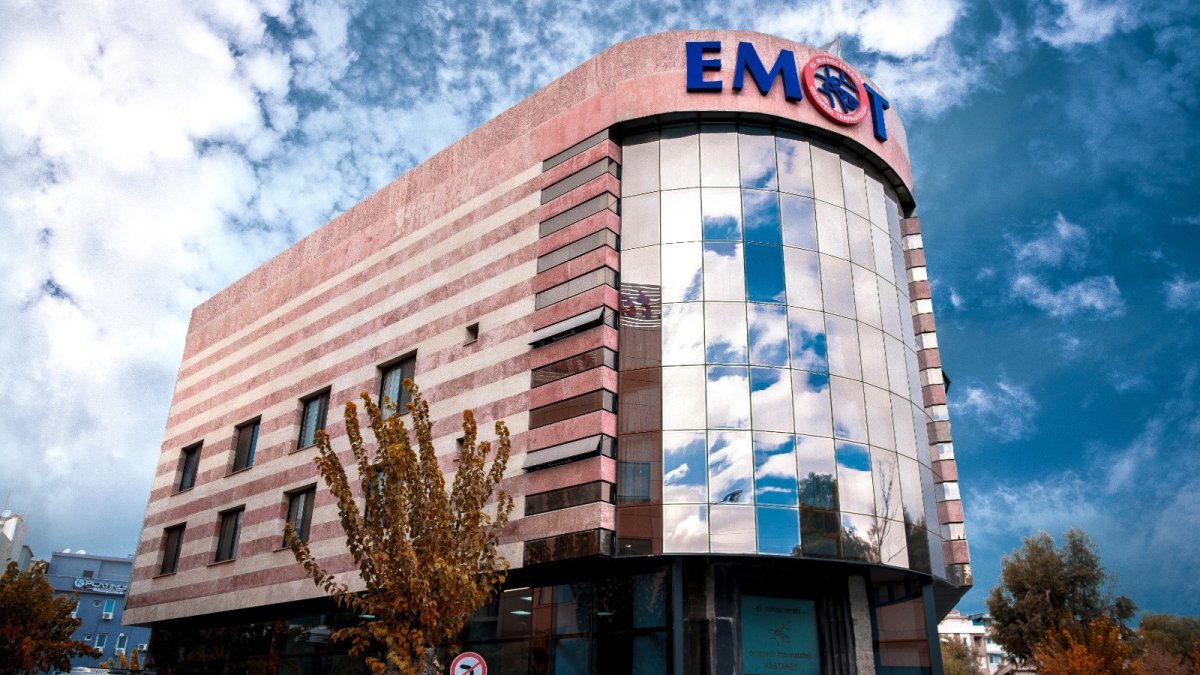
Private Medicabil Hospital
Omer Faruk Bilgen






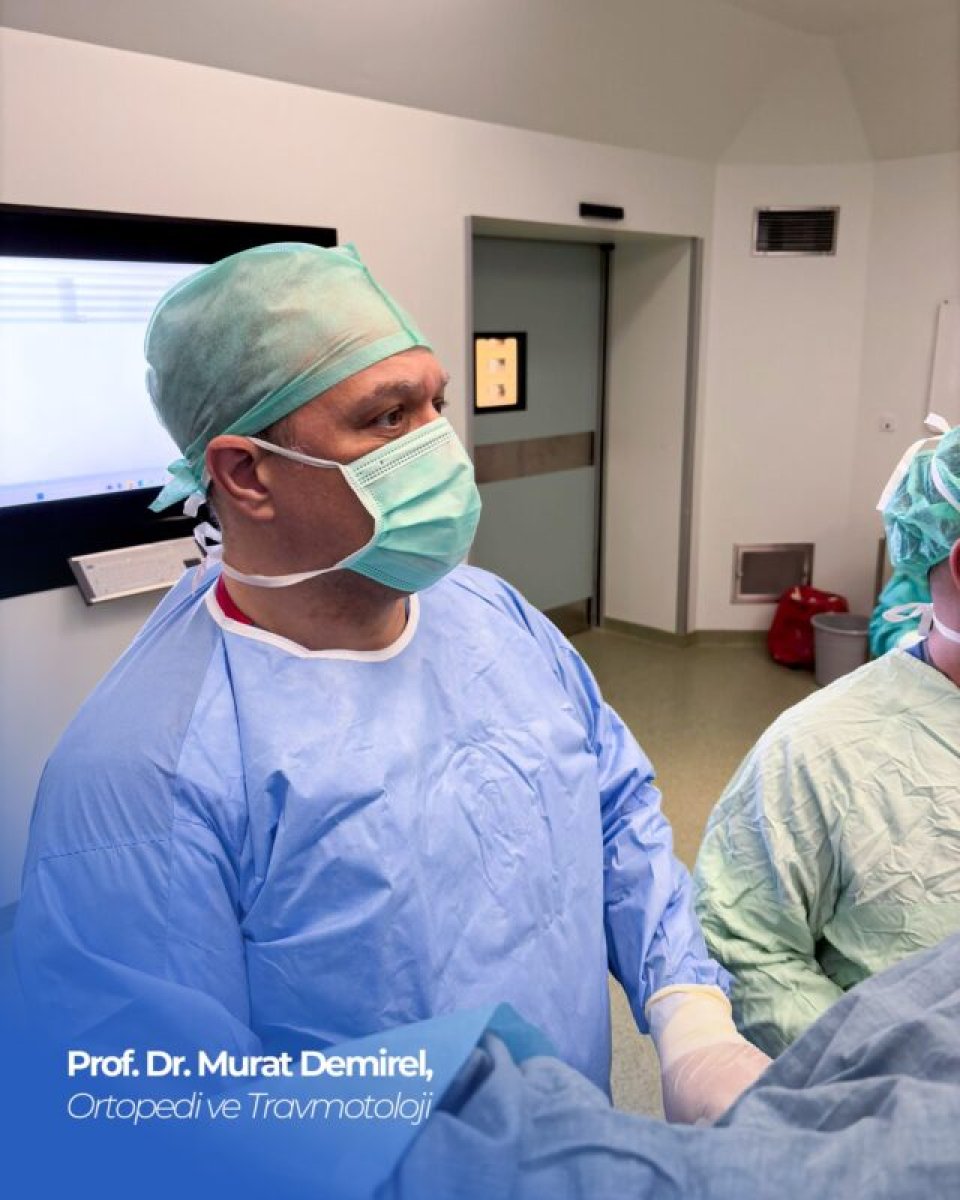
Prof. Dr. Murat Demirel
Electronic arm prosthesis Overview in Turkey
- Limb prosthetics - from $7,000The procedure involves replacing lost limbs with prosthetics, improving mobility.
- Below knee prosthesis - from $2,500Lower leg replacement with a prosthesis to improve mobility and enhance the quality of life post-amputation.
- Prosthetic foot - from $6,000The procedure involves attaching an artificial foot to enable mobility and improve quality of life.
- Bionic leg - from $45,500The operation installs a high-tech prosthesis, improving mobility and balance for individuals with leg loss.
- Electronic leg prosthesis - from $47,900Installation of advanced, programmable artificial legs, enhancing movement, accuracy, and comfort.
- Prosthetic finger - from $2,200The procedure helps replace missing fingers, improving hand function and appearance with customizable, moveable prosthetics.
- Bionic arm - from $24,700An artificial limb that uses muscle signals to control movement.
- Electronic arm prosthesis - from $27,000The operation provides a high-tech limb replacement, enhancing movement with advanced features, like tactile feedback.
- Leg orthotics - from $350The procedure involves custom devices for supporting and improving lower limb function and mobility. It"s non-invasive and beneficial for various conditions.
Day 1
- Arrive at the medical facility.
- Meeting with a prosthetist for examination.
- Consultation with a psychologist if needed.
Day 2
- Preoperative tests like blood tests, X-rays, etc.
- Meeting with an anesthesiologist to discuss anesthesia options.
Day 3
- Undergo the electronic arm prosthesis procedure.
- The operation lasts about 4 to 6 hours.
- General anesthesia is used for comfort.
Day 4 - Day 7
- Recovery in the clinic under medical supervision.
- Regular check-ups and medication as required.
Week 2 - Week 6
- Begin rehabilitation for prosthesis training.
- Follow-up appointments with the prosthetist.
Week 7 - Week 12
- Continue with rehabilitation and prosthesis adaptation.
- Gradual return to regular activities.
Week 13
- Return to work, sports, and other activities.
- Final adjustments to the prosthesis if needed.
Please note that each patient"s recovery is unique and these timelines can vary.
- Bookimed deposit: $200 or €200.
- Clinic deposit: Pay a set percentage in advance.
Our Trusted Doctors
View all Doctors
Bahtiyar Demiralp
Specialized in orthopedic oncology and trauma surgery – Dr. Demiralp brings decades of expertise to complex limb reconstruction cases at Medical Park Antalya.
- Trained at Mayo Clinic's Orthopedic Department
- Expert in external fixation for war injuries and open fractures
- Multiple awards for research in bone tumor treatments
- Member of Turkish Musculoskeletal Tumor Society
- Associate Professor in Orthopedic Oncology graduate programs

Azmi Hamzaoglu
Dr. Hamzaoglu founded Turkey's first spine surgery center and leads the Istanbul Scoliosis and Spine Center.
- Specialized in orthopedics and traumatology since 1983
- Professor at Istanbul University's Faculty of Medicine
- Trained at Minnesota Spine Center and University of Hokkaido
- Member of the Turkish Medical Association

Adil Turan
Associate Professor Adil Turan specializes in orthopedics and traumatology, with advanced training in trauma research from Denver Health Hospital.
- Over 17 years of orthopedic and traumatology experience
- Member of Turkish Orthopedics and Traumatology Association
- Former Chief Assistant at Antalya Training and Research Hospital
- Specialized in sports injuries and knee surgery
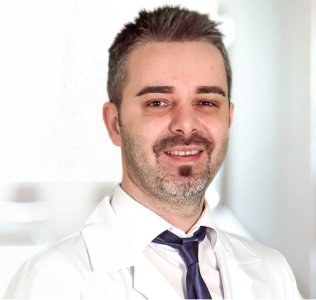
Firat Oruc
Specialist in orthopedic prosthetics – Dr. Firat Oruc focuses on advanced joint and limb solutions at Medical Park Antalya Hospital Complex.
- Over 27 years of experience in orthopedics and traumatology
- Specializes in knee, shoulder, and hip joint surgeries
- Expert in hand surgery and pediatric orthopedics
- Performs procedures for soft tissue and bone tumors
Reviews about Bookimed: Discover Patients' Insights
All reviews





Share this content
Video Stories from Bookimed Patients
 Anna Leonova
FAQ about Electronic arm prosthesis in Turkey
What is usually included in Turkish electronic-arm prosthetic packages?
Turkish electronic-arm prosthetic packages typically include a myoelectric or bionic device, custom-fitted carbon fiber sockets, and professional rehabilitation. Comprehensive plans at JCI-accredited centers in Istanbul or Ankara bundle the hardware with physical therapy, 2 to 5-year warranties, and luxury logistical support for international patients.
- Device technology: Includes high-tech systems like Ottobock hand and forearm units or bionic models.
- Custom fabrication: Provides personalized carbon fiber sockets and silicone gloves matched to skin tone.
- Clinical support: Covers orthopedic consultations, diagnostic imaging, and extensive functional muscle signal training.
- Travel logistics: Packages often feature 4-star hotel stays and VIP transfers from the airport.
Bookimed Expert Insight: Data suggests focusing on socket maintenance rather than just the initial device cost. While Turkish clinics offer competitive pricing between $27,000 and $45,000, remember that sockets often require remaking every 3 to 6 months. Some packages at major centers like Memorial Şişli Hospital include 2 free adjustments to help manage these early transition costs.
Patient Consensus: Patients emphasize requesting a written list of inclusions for batteries and liners before payment. Most recommend budgeting 20% extra for first-year maintenance as packages prioritize the device over long-term aftercare visits.
Is an electronic arm prosthesis safe?
Electronic arm prostheses are safe and reliable medical devices when fitted by certified specialists. Advanced models like the LUKE Arm carry FDA approval for commercial use. While mechanical failures or skin irritation occur, serious medical complications remain rare under the guidance of board-certified orthopedic surgeons.
- Expert fitting: Certified prosthetists ensure custom socket fits to prevent pressure sores or skin chafing.
- Safety certifications: Top Turkish clinics hold JCI and ISO accreditations to guarantee international device standards.
- Maintenance schedule: Regular professional inspections every 3 to 5 years maximize device lifespan and reliability.
- Environmental care: Users must protect non-waterproof electronics from moisture to prevent sudden motor malfunctions.
Bookimed Expert Insight: While US costs average $57,500, Turkey offers the same technology for $27,000 to $45,000. Data from Memorial Sisli Hospital, the first JCI-accredited facility in Turkey, shows high success rates when procedures are led by professors like Suleyman Bulent Bektaser. High patient volumes at these centers often translate to more precise socket customizations, which reduces the 20-30% faster electronic failure rate typically seen in humid climates.
Patient Consensus: Users emphasize that starting with short wear times and monitoring skin daily prevents complications. While mechanical reliability is a common frustration, the emotional benefit of regained autonomy far outweighs the need for frequent battery management.
Where are the best clinics for electronic arm prostheses in Turkey?
The best Turkish clinics for electronic arm prostheses are primarily in Istanbul, Ankara, and Antalya, featuring JCI-accredited facilities and advanced bionic technology. Top-rated centers like Memorial Şişli Hospital and Memorial Antalya Hospital utilize premium German Ottobock and Icelandic Össur systems for high-precision mobility and grip.
- Memorial Şişli Hospital: Turkey first JCI-accredited hospital specializing in I-Limb Quantum bionic systems and rehabilitation.
- Memorial Antalya Hospital: Highly rated center offering 3D scanning and full 2–3 week fitting processes.
- Private Koru Ankara: Large facility serving 350,000 patients yearly with specialized orthopedic and prosthetic departments.
- Private Medicabil Hospital: Joint Commission International-accredited hub in Bursa known for high orthopedic success rates.
Bookimed Expert Insight: While many search for the lowest price, the real value in Turkey lies in rehab duration. Memorial Şişli packages often include 30+ rehabilitation sessions. This is crucial because mastering 16-function bionic hands requires intensive professional training often excluded in basic clinics.
Patient Consensus: Patients value Turkey as a budget-friendly hub for myoelectric arms, often costing half of US prices. Many recommend planning an 8-week stay to account for potential component import delays and necessary fitting adjustments.
Am I a good candidate for an electronic arm prosthesis?
A good candidate for an electronic arm prosthesis typically has a mid-length transradial amputation with strong muscle signals. Successful users must possess healthy skin at the site and high cognitive motivation to master complex controls. Clinical evaluation at facilities like Memorial Şişli Hospital or Private Medicabil Hospital confirms physiological and functional readiness.
- Muscle signal: Requires sufficient electrical activity in residual limb muscles to trigger myoelectric sensors.
- Amputation level: Below-elbow (transradial) sites generally offer the highest success rates for electronic hands.
- Skin condition: Site must be free of irritation or infection to tolerate constant electrode contact.
- Physical capacity: Candidates must manage the increased weight of electronic components compared to mechanical versions.
Bookimed Expert Insight: Data shows 30–40% of potential users experience poor signal pickup during initial testing. In Turkey, top orthopedics specialists like Professor Suleyman Bulent Bektaser at Private Koru Ankara Hospital emphasize pre-fitting nerve conduction tests. This avoids investment in devices that the residual limb cannot reliably control. Choosing a JCI-accredited facility ensures the multidisciplinary team includes both specialized surgeons and expert prosthetists for precise calibration.
Patient Consensus: Many patients find that short below-elbow stumps provide the best control. However, they frequently suggest testing a demo unit for 2 weeks to ensure the added weight is manageable for daily use.
How long does the fitting and training process take?
The electronic arm prosthesis fitting and training process in Turkey typically requires 3 to 6 months for functional independence. Patients undergo an initial 1 to 4 week socket fitting phase involving multiple clinical sessions, followed by several months of intensive rehabilitation to master myoelectric electrode control.
- Socket fabrication: Custom fitting requires 2 to 6 adjustments over 1 to 4 weeks.
- Physical rehabilitation: Guided training sessions typically occur 2 to 3 times weekly for 6 months.
- Functional mastery: Mastering complex grips or fine motor tasks often takes 6 to 12 months.
- Surgical healing: Professionals like Dr. Suleyman Bulent Bektaser require 3 to 4 weeks recovery post-surgery.
Bookimed Expert Insight: While basic device fitting in Istanbul often matches US timelines, Turkish clinics often provide more frequent face-to-face follow-ups within their packages. Major centers like Memorial Sisli Hospital can accelerate the initial setup because they house integrated prosthetic workshops and rehabilitation departments in one facility.
Patient Consensus: Success depends on daily practice and tracking skin comfort weekly to prevent socket issues. Most patients find that maintaining high motivation is the biggest factor in mastering advanced functions during the long training phase.
How long will the electronic prosthetic device last?
An electronic arm prosthesis typically lasts 3 to 7 years before requiring major repairs or replacement. Longevity depends on component durability, with high-tech myoelectric sensors and microprocessors requiring consistent maintenance. Modern devices in Turkish JCI-accredited clinics often reach the upper limit of this timeframe through specialized care protocols.
- Battery lifespan: Rechargeable units generally require replacement every 2 to 3 years due to degradation.
- Mechanical wear: Actuators and motors often fail sooner than internal circuitry from frequent daily use.
- Maintenance schedule: Professional check-ups every 6 to 12 months significantly extend the device functional life.
- Socket replacement: Changes in residual limb shape necessitates a new socket every 1 to 3 years.
Bookimed Expert Insight: Data from leading Turkish centers like Memorial Şişli Hospital shows that upgrading after year 5 is often more economical. Post-warranty repair costs for aging electronics can reach $3,000 to $8,000. Choosing newer microprocessor-controlled models allows for software updates that improve performance without physical hardware changes.
Patient Consensus: Electronic devices have finite lifespans, but careful daily cleaning and avoiding water exposure can push durability past 7 years. Many emphasize confirming local repair availability and battery replacement protocols with Turkish providers before departing.
What results can I expect after fitting?
After fitting an electronic arm prosthesis in Turkey, patients can expect functional restoration within 6 to 12 months. Initial results include basic grip control and electrode mapping, while long-term outcomes focus on performing activities of daily living like feeding and typing with 60% to 70% success rates.
- Functional timeline: Reach a functional plateau and consistent movement control within 6 to 12 months.
- Daily performance: Accomplish tasks like feeding or typing with approximately 50% of natural hand function.
- Rehabilitation intensity: Complete 20 to 40 hours of occupational therapy during the first month for adaptation.
- Prosthetic maintenance: Expect 8 to 12 hours of battery life and annual technical component servicing.
Bookimed Expert Insight: While many focus on the bionic hand, the socket fit is the real differentiator for success. Data from top Istanbul centers like Memorial Şişli Hospital shows that muscle atrophy is common in the first year. Choosing a clinic that includes CAD-CAM 3D-printed sockets allows for faster, more precise revisions when your limb shape naturally changes after the initial fitting.
Patient Consensus: Expect a honeymoon period of wonder followed by several weeks of managing socket pressure spots. Most users emphasize that reaching 100 rehabilitation hours is the threshold where grip speed and control truly become intuitive.
What should I consider when traveling with an electronic prosthesis?
Traveling with an electronic prosthesis requires proactive power management, clear communication with security, and essential maintenance kits. Prioritize keeping lithium-ion batteries in carry-on luggage to meet airline safety standards. Always carry a doctor's letter and international power adapters to ensure your device remains functional and passes through customs smoothly.
- Battery safety: Pack spare lithium-ion batteries in carry-on bags to comply with airline regulations.
- Security clearance: Present a medical notification card to security officers before undergoing advanced imaging screenings.
- Maintenance kit: Include extra liners, prosthetic socks, and small tools for minor mechanical adjustments.
- Documentation needs: Carry a prosthesis passport with serial numbers for international customs and emergency repairs.
Bookimed Expert Insight: While US costs average $57,500, traveling to JCI-accredited hubs like Memorial Şişli Hospital in Istanbul offers advanced limb-sparing expertise at $27,000 to $45,000. Patients should confirm if their clinic provides a loaner device or emergency manufacturer contacts, as repair infrastructure varies significantly once you leave major Turkish cities.
Patient Consensus: Many travelers recommend bringing double the necessary batteries because finding compatible charging outlets can be difficult abroad. Patients also advise keeping all device specifications on your person rather than in checked luggage to prevent damage or loss during transit.
What does the procedure involve and how long will I stay in Turkey?
The electronic arm prosthesis procedure in Turkey involves surgical implantation or socket fitting followed by advanced EMG sensor calibration. Patients typically stay 10 to 14 days to complete the surgical phase, initial healing, and intensive physical therapy required for bionic control. This comprehensive timeline ensures device functionality and patient mobility before departure.
- Hospital stay: Expect 1–2 days of hospitalization for surgery and immediate post-operative monitoring.
- Fitting process: Technicians calibrate the myoelectric sensors and bionic software by day 5 post-op.
- Rehabilitation: Plan 3–7 days of outpatient physiotherapy to master grip and muscle triggers.
- Device options: Clinics offer advanced models like Lulu or Hero Arm equivalent for natural movement.
Bookimed Expert Insight: While many international centers require months for fitting, top Turkish clinics like Memorial Şişli Hospital use integrated rehab teams to condense the process into 2 weeks. Data shows that completing pre-trip EMG tests at home can further reduce on-site diagnostic time, allowing more hours for practical mobility training.
Patient Consensus: Patients emphasize budgeting a full 14 days to avoid rushed calibration, which is vital for long-term comfort. Wear loose clothing for therapy sessions and ensure the clinic provides English-speaking support to navigate complex technical instructions during sensor mapping.
Do I need special travel insurance for this procedure?
You need specialized medical travel insurance because standard policies exclude planned procedures like an electronic arm prosthesis. Regular insurance only covers unforeseen emergencies, while specialized medical tourism policies protect against complications, coordination of follow-up care, and emergency medical evacuation from Turkey to your home country.
- Planned procedures: Standard travel insurance strictly excludes treatments scheduled before your trip starts.
- Complication coverage: Specialized policies cover unexpected infections or revisions costing up to $15,000.
- Medical evacuation: High-limit evacuation coverage handles life-threatening complications requiring specialized transport home.
- Policy timing: You must usually purchase coverage within 21 days of your first deposit.
Bookimed Expert Insight: Electronic arm prosthesis costs in Turkey range from $27,000 to $45,000, which is 37% less than US averages. However, since the technology is complex, choosing a JCI-accredited facility like Memorial Şişli Hospital ensures international safety standards that many specialized insurers require for valid complication coverage.
Patient Consensus: Patients emphasize that basic travel insurance voids all claims for prosthetic work. Many recommend budgeting an extra €300 to €800 for independent policies to avoid paying for expensive revisions out of pocket.
Is the prosthesis waterproof?
Most electronic arm prostheses are water-resistant rather than fully waterproof, meaning they withstand light rain or splashes but not submersion. Advanced bionic models like the Hero Arm or Ottobock devices utilize sealed electronics, yet prolonged exposure to water can still cause terminal corrosion or battery failure.
- Water resistance: Devices typically feature IP66 ratings for protection against dust and light water jets.
- Submersion risks: Full immersion often voids warranties and causes permanent short-circuits in sensitive myoelectric sensors.
- Protective solutions: Turkish clinics provide specialized silicone skins or vacuum-sealed covers for showering and swimming.
- Electronic vulnerability: Batteries and charging ports remain the most susceptible components to moisture-induced damage.
Bookimed Expert Insight: Data from leading Turkish rehabilitation centers shows a clear trend: patients often mistake water resistance for waterproofing. While clinics in Istanbul and Ankara work with high-end brands like Ottobock and Össur, they frequently recommend dedicated mechanical `water arms` for beach or pool use. This dual-device strategy prevents the $20,000–$40,000 bionic investment from being compromised by salt or chlorine, which silicone covers cannot always block entirely.
Patient Consensus: Patients report that while myoelectric arms handle sweat and light rain well, full immersion is a major risk. Many suggest using high-quality shower covers rather than trusting built-in seals for daily hygiene.
What is expected for follow-up after I leave Turkey?
Post-operative care for an electronic arm prosthesis in Turkey involves a 3-to-6 month intensive adjustment phase followed by life-long remote maintenance. Patients transition to video or email consultations for electrode signal calibration and device tuning as Turkish clinics typically lack formal partnerships with international providers.
- Remote calibration: Specialists adjust electrode sensitivity and programming parameters via scheduled video calls.
- Physical therapy: Patients must source local therapists experienced in bionic limb integration independently.
- Maintenance schedule: Annual or bi-annual virtual sessions ensure hardware functionality and software updates.
- Records transfer: Secure digital copies of surgical reports and implant specifications before final departure.
Bookimed Expert Insight: While many clinics like Memorial Şişli Hospital serve patients from over 160 countries, the post-care burden often falls on the patient. Data shows that successful long-term outcomes depend on securing the specific programming codes and signal maps from your Turkish surgeon. These files are essential because local prosthetists cannot recalibrate your electronic limb without these proprietary manufacturer settings.
Patient Consensus: Expect to act as the primary bridge between your Turkish surgical team and home providers. Many navigate minor technical issues like sensor drift through asynchronous messaging, which requires patience for international time zone responses.