Electronic Leg Prosthesis in Turkey — Get 3 Top Clinic Matches with Costs

Medically reviewed by
Kayhan Turan
How Much Does Electronic leg prosthesis Cost in Turkey?
Electronic leg prosthesis in Turkey typically costs from $47,900 to $77,400. The final price depends on the level of amputation, microprocessor model, and rehabilitation duration. Patients save around 17% compared to the US, where this procedure costs $57,500 on average. Most Turkish packages include the prosthetic device, fitting sessions, physical therapy, and airport-to-hospital transfers.
- Bionic leg systems: Often start at a 30-40% premium over standard electronic models.
- Microprocessor knee units: Costs vary based on weatherproofing and activity level features.
- Main medical hubs: Major centers for these procedures are located in Istanbul, Ankara, and Antalya.
- Rehabilitation services: Intensive gait training is usually bundled into the initial fitting cost.
Bookimed Expert Insight: Choosing Istanbul for prosthetic fitting offers a unique advantage. Clinics like Memorial Şişli Hospital are JCI-accredited and serve patients from 167 countries. This high volume ensures technicians have extensive experience with the latest Ottobock and Össur systems. Older, established facilities often provide more inclusive long-term follow-up support than newer clinics. This is vital for the initial six-month adjustment period.
| Turkey | Austria | Spain | |
|---|---|---|---|
| Electronic leg prosthesis | from $47,900 | ≈ $28,000 | ≈ $14,000 |
Your Benefits and Guarantees with Bookimed
Transparent Prices & Flexible Installments
No hidden fees – just official clinic prices. Pay at the clinic for Electronic leg prosthesis upon arrival and use a flexible installment plan if needed.
Verified Clinics & Doctors Only
Bookimed is committed to your safety. We only work with medical institutions that maintain high international standards in Electronic leg prosthesis and have the necessary licenses to serve international patients worldwide.
Free 24/7 Assistance
Bookimed offers free expert assistance. A personal medical coordinator supports you before, during, and after your treatment, solving any issues. You're never alone on your Electronic leg prosthesis journey.

Your personal Bookimed medical coordinator
- Supports you at every stage
- Helps choose the right clinic and doctor
- Ensures quick and convenient access to information
Discover the Best Electronic leg prosthesis Clinics in Turkey: 12 Verified Options and Prices



Turan Turan Health Group






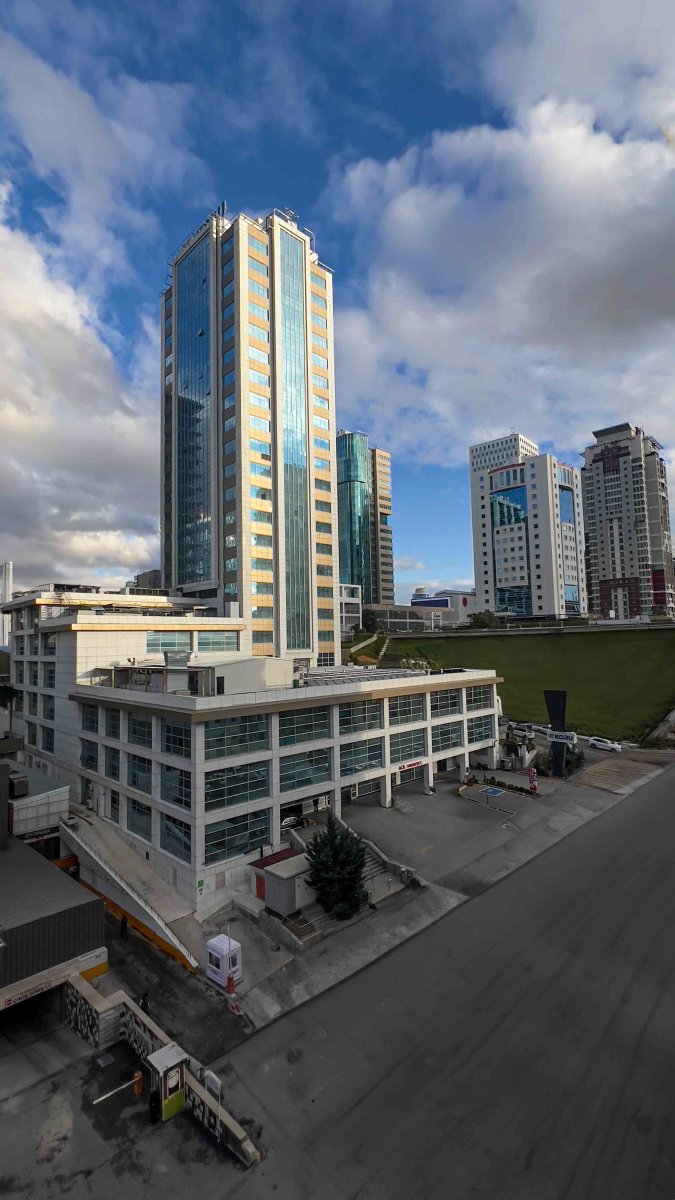


Private Medicabil Hospital
Omer Faruk Bilgen





OrtoCare Orthopedic Clinic
Electronic leg prosthesis Overview in Turkey
- Limb prosthetics - from $7,000The procedure involves replacing lost limbs with prosthetics, improving mobility.
- Below knee prosthesis - from $2,500Lower leg replacement with a prosthesis to improve mobility and enhance the quality of life post-amputation.
- Prosthetic foot - from $6,000The procedure involves attaching an artificial foot to enable mobility and improve quality of life.
- Bionic leg - from $45,500The operation installs a high-tech prosthesis, improving mobility and balance for individuals with leg loss.
- Electronic leg prosthesis - from $47,900Installation of advanced, programmable artificial legs, enhancing movement, accuracy, and comfort.
- Prosthetic finger - from $2,200The procedure helps replace missing fingers, improving hand function and appearance with customizable, moveable prosthetics.
- Bionic arm - from $24,700An artificial limb that uses muscle signals to control movement.
- Electronic arm prosthesis - from $97,000The operation provides a high-tech limb replacement, enhancing movement with advanced features, like tactile feedback.
- Leg orthotics - from $350The procedure involves custom devices for supporting and improving lower limb function and mobility. It"s non-invasive and beneficial for various conditions.
Day 1:
- Arrival at the hospital for pre-operation consultation.
- Meeting with the orthopedic surgeon to discuss the procedure.
- Undergoing necessary medical tests such as X-ray and MRI.
- Consulting with a prosthetist for measurements and prosthesis design.
Day 2:
- Arrive at the operation theatre for the procedure.
- Undergo anesthesia, general or spinal depending on your case.
- Procedure of attaching the electronic leg prosthesis.
- Procedure typically lasts 2-4 hours.
Day 3:
- Post-operative care begins in the hospital.
- Regular monitoring of your health by the medical team.
- Initial wound care and adjustment of prosthetic.
Week 1:
- Stay in the hospital for close monitoring.
- Begin initial rehabilitation with a physiotherapist.
- Learn how to balance and move with the new prosthesis.
Week 2-6:
- Discharge from the hospital.
- Continue rehabilitation at home or at a rehabilitation center.
- Regular follow-ups with the prosthetist for adjustments.
Week 7-12:
- Intense physiotherapy to improve strength and coordination.
- Gradual return to daily activities and work.
- Begin light sports activities under physiotherapist"s guidance.
Week 13 onwards:
- Continue physiotherapy and regular check-ups.
- Final adjustments to the prosthesis if needed.
- Full return to normal activities, sports, and work.
Each patient"s recovery timeline and experience with an electronic leg prosthesis may vary depending on individual health and fitness levels.
- Bookimed deposit: $200 or €200.
- Clinic deposit: Pay a set percentage in advance.
Our Trusted Doctors
View all Doctors
Bahtiyar Demiralp
Specialized in orthopedic oncology and trauma surgery – Dr. Demiralp has extensive experience with complex cases at Medical Park Antalya Hospital Complex.
- Trained at Mayo Clinic's Orthopedic Department
- Expert in external fixation for limb lengthening and deformity correction
- Recipient of multiple awards for research in musculoskeletal tumors
- Member of several prestigious orthopedic societies including TOTBİD and TMSTS

Azmi Hamzaoglu
Dr. Hamzaoglu founded Turkey's first spine surgery center and leads the Istanbul Scoliosis and Spine Center, bringing decades of expertise in complex orthopedic cases.
- Over 43 years of experience in orthopedics and traumatology
- Trained at Minnesota Spine Center and University of Hokkaido in Japan
- Professor at Istanbul University's Faculty of Medicine
- Specializes in innovative surgical techniques for spine conditions

Adil Turan
Associate Professor Adil Turan specializes in orthopedic trauma and prosthetics at Medical Park Antalya, with training from Denver Health Hospital.
- 17 years in orthopedics and traumatology
- Fellowship in trauma research in the USA
- Member of Turkish Sports Injuries Arthroscopy and Knee Surgery Association
- Former Chief Assistant at Antalya Training and Research Hospital
Firat Oruc
Dr. Firat Oruc specializes in electronic leg prostheses and other complex orthopedic surgeries at Medical Park Antalya Hospital Complex.
- Over 27 years of experience in orthopedics and traumatology
- Expertise in knee, shoulder, and hip joint surgeries
- Special focus on prosthetics and soft tissue tumors
- Performs pediatric orthopedic surgeries
Reviews about Bookimed: Discover Patients' Insights
All reviews





Share this content
Video Stories from Bookimed Patients
 Anna Leonova
FAQ about Electronic leg prosthesis in Turkey
If I get an electronic leg prosthesis in Turkey, what serious risks or complications should I discuss with my surgeon beforehand?
Serious complications for an electronic leg prosthesis include surgical site infections, deep vein thrombosis, and mechanical failures like battery depletion or software glitches. Patients must also discuss osseointegration risks, specifically aseptic loosening or bone fractures, which occur in approximately 6% of cases during recovery.
- Surgical infections: Critical risk requiring Revision of Amputation if deep tissue is affected.
- Mechanical failure: Microprocessor freezes can cause sudden hydraulic loss and unexpected stumbles.
- Osseointegration risks: Bone fractures around implants and septic failure require complete device removal.
- Skin breakdown: Improper socket fitting from heavier bionic parts causes chronic ulcers.
- Software maintenance: Recalibration and proprietary updates often require returning to Istanbul clinics.
Bookimed Expert Insight: While initial costs in Turkey range from $47,900 to $77,400, patients often overlook long-term maintenance. High-end clinics like Memorial Sisli Hospital provide JCI-accredited surgical care, but microprocessor limbs require sensor recalibration every few months. Before booking, confirm if your surgeon offers remote software support or if you must travel back to Ankara or Istanbul for every technical adjustment.
Patient Consensus: Many travelers worry about battery dependency in rural areas and the high cost of repairs once they return home. Moisture from Turkey's humid climate is a frequent concern for sensitive electronic sensors.
Who is actually fit—and who is not—for an electronic leg prosthesis in Turkey?
Suitability for electronic leg prostheses in Turkey depends on functional mobility levels K3 or K4, requiring users to navigate variable speeds and uneven terrain. Ideal candidates include active individuals walking over 5 kilometers daily with high cardiovascular reserves and the cognitive ability to manage device charging.
- Functional mobility: Requires K3 or K4 status for community ambulation and handling environmental barriers.
- Physical health: Optimal for patients with BMI under 30 and strong pulmonary reserves.
- Amputation cause: Young trauma patients often see better outcomes than those with vascular issues.
- Stump condition: Success depends on healed, non-infected surgical sites and proper socket fit.
- Excluded cases: Sedentary lifestyles, cognitive impairment, or severe hip contractures typically disqualify candidates.
Bookimed Expert Insight: While Turkish clinics like Memorial Şişli Hospital use world-class Ottobock and Össur technology, the real success factor is the recovery location. Data suggests budgeting for a 3-6 month local rehab stay in Turkey. Accessing high-end microprocessor systems for $47,900 provides massive savings, but only if you secure a local physical therapy commitment first.
Patient Consensus: Experienced users emphasize staying active for 30 minutes daily before the fitting. Research shows many suggest starting with a hydraulic leg before upgrading to electronic systems to ensure stump viability.
Which Turkish hospitals and specialists are internationally accredited for electronic leg prosthesis fitting?
Turkish facilities including Memorial Şişli Hospital and Biruni University Hospital hold prestigious Joint Commission International (JCI) and TEMOS certifications for electronic leg prosthesis fitting. These centers specialize in microprocessor-controlled systems like Ottobock C-Leg and Össur bionic models, ensuring high-standard global safety protocols.
- Hospital accreditation: Memorial Şişli was the first Turkish hospital to achieve JCI certification.
- Specialist expertise: Prof. Dr. Cengiz Sen at Biruni specializes in complex electronic limb adaptations.
- Advanced technology: Clinics utilize robotic-assisted knee prosthesis and Michelangelo leg systems for outcomes.
- University affiliation: Biruni University Hospital offers academic-level care with specialized orthopedics and traumatology.
Bookimed Expert Insight: While JCI accreditation signals safety, look for clinics with high patient volumes like Memorial Şişli, which serves patients from 167 countries. This international experience often translates to better handling of complex calibration needs for specialized electronic components like the C-Leg 4.
Patient Consensus: Successful outcomes depend on staying in Turkey for at least 2 weeks. Patients emphasize that rushing home before completing the 3 required calibration visits can lead to an off-balance fit.
What does the surgery and rehab timeline look like after arriving in Turkey?
The electronic leg prosthesis timeline in Turkey typically spans 2 to 4 weeks for arrival, surgery, and initial gait training. Patients undergo pre-operative screenings and fitting preparations within 3 days of landing, with surgery or final limb integration usually occurring between day 2 and day 5.
- Hospital stay: Expect 3 to 5 days of inpatient monitoring following the surgical procedure.
- Intense rehabilitation: Patients participate in 4 to 6 hours of daily physical therapy sessions.
- Mobility milestone: Many patients achieve independent steps or walk without crutches by week 3.
- Device fitting: Electronic prosthesis adjustment begins around day 4 to 7 as initial swelling subsides.
Bookimed Expert Insight: Turkish clinics often provide electronic limbs immediately, bypassing the long waiting lists common in the US or Europe. While the medical stay is efficient, the most successful outcomes come from patients who book flexible return flights to allow an extra 7 days for socket fine-tuning.
Patient Consensus: Patients emphasize preparing for highly aggressive daily therapy sessions, including tackling stairs by the third week. Many recommend bringing high-quality supportive shoes and compression garments to manage the physical demands of rapid rehabilitation.
What clinical results and mobility gains can I realistically expect after an electronic prosthesis?
Electronic leg prostheses provide significant stability gains, reducing injurious falls by up to 79% through automated stumble recovery. Patients realistically achieve a more natural gait, higher walking speeds, and better terrain adaptability on slopes or uneven ground within 6 to 12 months of specialized rehabilitation.
- Fall prevention: Microprocessor joints stiffen instantly during trips to prevent 79% of major falls.
- Walking speed: Users typically increase level-ground walking speed by 14% to 32% after adaptation.
- Physical strain: Electronic sensors reduce energy expenditure by 18%, lowering long-term hip osteoarthritis risks.
- Terrain adaptability: Integrated gyroscopes allow 20% faster movement on grass, snow, or steep inclines.
- Rehab timeline: Most patients master basic indoor tasks within 3 months of consistent physical therapy.
Bookimed Expert Insight: Turkish orthopedic centers like Memorial Şişli Hospital and Biruni University Hospital offer the same Ottobock Genium and C-Leg models found in the US but at a lower price point. While the technology is identical, the quality of your results depends heavily on the socket fit rather than just the microprocessor. Professor Cengiz Sen and other Turkish experts emphasize that a poorly fitted socket can negate the advanced benefits of a $40,000 electronic limb.
Patient Consensus: Many users report walking 3 to 5 kilometers daily without fatigue after their initial 3-month adjustment period. While the first few weeks feel heavy or clunky, the ability to climb stairs step-over-step provides a massive boost in clinical confidence and social participation.
What is typically included in a prosthesis package in Turkey, and which logistics expenses are my responsibility?
A typical electronic leg prosthesis package in Turkey covers the advanced medical device, surgical implantation, custom socket fitting, and intensive initial rehabilitation. These all-inclusive bundles generally range from $47,900 to $77,400, saving patients approximately 17% compared to US costs for similar high-end bionic technology.
- Core inclusions: High-end devices like Össur or Ottobock, including all microprocessor-controlled components.
- Clinical services: Professional alignment, gait training, diagnostic X-rays, and custom socket fabrication.
- Hospital stay: Typically includes 1–2 nights in JCI-accredited facilities like Memorial Şişli.
- Local logistics: VIP airport-to-hotel transfers and dedicated translation services are usually standard.
- Mandatory exclusions: International airfare, visa fees, and travel insurance are your responsibility.
Bookimed Expert Insight: While many clinics include initial rehabilitation, the most valuable differentiator is the length of stay covered. OrtoCare Orthopedic Clinic and Private Medicabil Hospital handle high volumes, yet local technical support for electronic components often ends at 6 months. We recommend negotiating for virtual follow-up sessions or a written international warranty. Long-term adjustments in your home country can cost an additional $2,000 to $5,000, so verify if the clinic has partner technicians in your region.
Patient Consensus: Patients emphasize budgeting 15% to 25% extra for logistics like customs documentation and international shipping for device revisions. Many recommend using clinic shuttles to reduce local costs but warn that companion meals and flights are rarely included.
Can Turkey issue a medical device passport so my electronic prosthesis is accepted when I fly back home?
Turkish clinics provide a prosthesis passport or technician certificate rather than an official government ID. This document contains technical specifications, serial numbers, and microprocessor details. It ensures your electronic leg prosthesis is recognized by airline security and international customs during your return flight.
- Prosthetic passport: Obtain this technical document from your Turkish orthopaedic technician or clinic.
- Medical certificate: Carry an English-language letter from your surgeon confirming your fitness to fly.
- Security protocol: Notify airport officers early to bypass full-body scanners or request private screening.
- Battery compliance: Keep the IEC 60601 certificate handy to satisfy international lithium-ion battery regulations.
Bookimed Expert Insight: Clinics like Memorial Şişli or Biruni University Hospital often handle patients from over 160 countries. They provide specialized export documentation and customs stamps because they understand international transit rules. Ask your coordinator for these specific stamps to simplify clearing customs in your home country.
Patient Consensus: Patients recommend notifying your airline 72 hours before departure. Always keep your doctor’s letter and technical certificates in your carry-on luggage for immediate access at security.