Face bump removal in Turkey — get 3 top clinic matches with costs


Medically reviewed by
Fahad Mawlood
How it works
How Much Does Face bump removal Cost in Turkey?
Face bump removal in Turkey typically costs from $850 to $3,500. The final price depends on whether the bump is a surface skin lesion or a structural nasal hump. In the US, similar procedures cost around $730 on average. Turkey offers savings of around 0%. Standard packages usually include pre-op tests, local anesthesia, and follow-up visits.
- Laser surface removal: Typically ranges from 20% to 40% of the maximum surgical price.
- Surgical excision: Generally represents the mid-range cost for complex or atypical skin growths.
- Nasal hump removal: Often costs 100-200% more than minor skin lesion treatments.
- Regional variations: Packages in Istanbul typically cost 15-20% more than clinics in Izmir.
Bookimed Expert Insight: Choosing multidisciplinary centers like Memorial Şişli Hospital provides extra safety for atypical growths. This facility was the first in Turkey to earn JCI accreditation. For aesthetic refinement, clinics like Hospital XP report a 99.9% facelift success rate. Most Turkish centers bundle VIP transfers and 5-star stays into the initial quote. This often makes high-end Istanbul clinics more economical than basic European options.
| Turkey | The UK | The USA | |
|---|---|---|---|
| Face bump removal | from $850 | ≈ $350 | ≈ $350 |
Discover the Best Face bump removal Clinics in Turkey: 11 Verified Options and Prices



Memorial Bahçelievler Hospital
Tonguc Isken



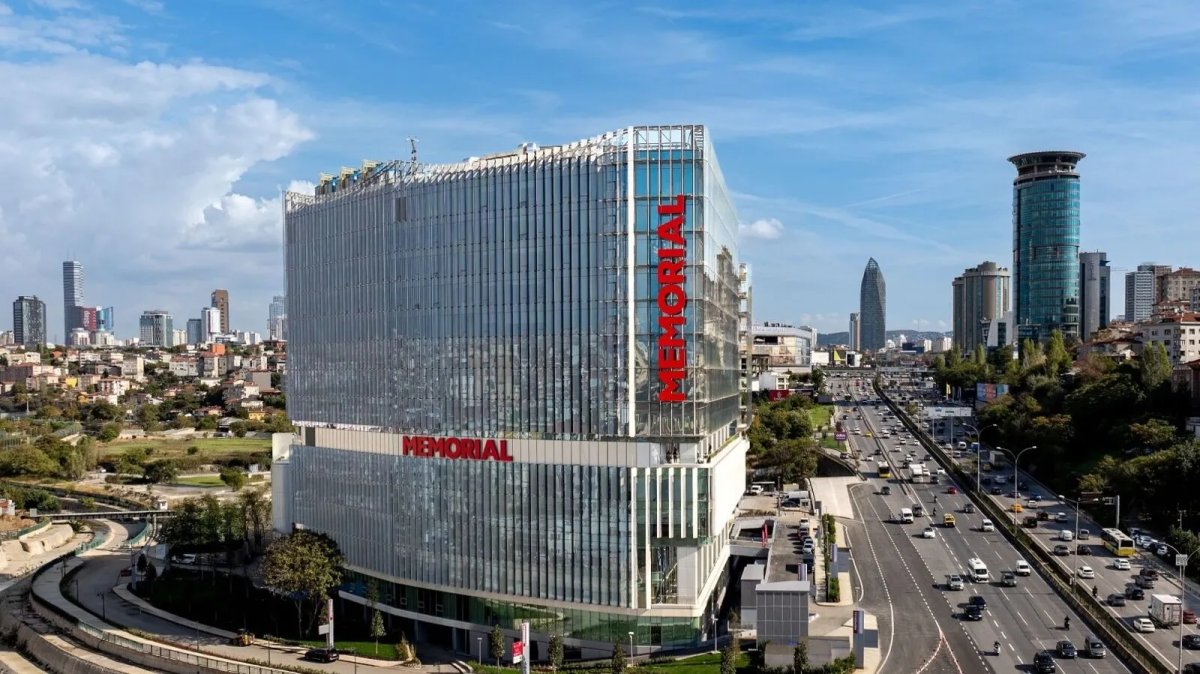
Memorial Göztepe Hospital



Medipol Bahçelievler Univesity Hospital
Caner Gelbal


VIPMED Klinik
Face bump removal Overview in Turkey
- Laser Skin Resurfacing - from $600This therapy rejuvenates the skin by removing damaged layers, encouraging collagen production for a smoother appearance.
- Birthmark removal - from $550This therapy eliminates birthmarks via surgery or laser, improving skin appearance and boosting self-esteem.
- Face bump removal - from $850The operation helps eliminate skin irregularities, especially on the face, for smoother, more appealing skin.
- MOXI Laser Treatment - from $800A non-invasive treatment uses gentle laser energy to rejuvenate skin, reducing sun damage and signs of aging, with minimal downtime and quick recovery.
- Fraxel Laser Treatment - from $250This non-surgical procedure uses a specialized laser to improve skin texture and tone by targeting damaged skin cells and stimulating collagen production for faster recovery.
- CO2 Laser Treatment - from $250Usage a carbon dioxide laser to remove layers of damaged skin, promoting collagen production and improving texture with minimal recovery time.
- HALO Laser Treatment - from $800A skin rejuvenation procedure uses a hybrid laser to treat sun damage, fine lines, and uneven skin tone, promoting a smoother and more youthful appearance with minimal downtime.
- VBeam Laser Treatment - from $800This non-invasive procedure uses targeted laser technology to reduce redness, treat skin conditions like rosacea, and improve complexion with minimal recovery time.
- COOL PEEL Laser Treatment - from $800Advanced laser technology to gently resurface the skin, reducing fine lines and sun damage with minimal recovery time.
Day 1 - Arrival
- Arrive at the medical facility for the surgery.
- Complete all necessary paperwork and registration.
Day 2 - Pre-operation
- Consultation with a dermatologist and surgeon.
- Undergo routine blood tests and imaging studies.
- Discuss anesthesia options and potential risks.
Day 3 - Surgery Day
- Arrive at the clinic fasting from midnight.
- Receive local or general anesthesia depending on the size and location of the bump.
- Undergo surgical removal of the face bump lasting 1-2 hours.
- Stay in recovery until anesthesia effects wear off.
Day 4 - Post-operation
- Stay in the clinic for observation if necessary.
- Receive post-operative care instructions.
- Arrange for follow-up appointments.
Week 1 - Rehabilitation
- Rest and recover at home.
- Keep the wound clean and dry.
- Take prescribed pain medication if needed.
Week 2
- Return to light activities.
- Attend follow-up appointment for wound check.
Week 3 - 4
- Resume normal activities and work as tolerated.
- Complete any additional follow-up appointments.
Month 2-3
- Final result of the surgery is visible.
- Return to sports and other physical activities.
Please note, each patient"s experience varies, and this timeline is a general guide.
- Bookimed deposit: $200 or €200.
- Clinic deposit: Pay a set percentage in advance.
Our Trusted Doctors
View all Doctors
Melikgazi Ozturk
Dr. Melikgazi Ozturk is a specialist in plastic, reconstructive, and aesthetic surgery at Memorial Şişli Hospital. He received his medical degree from the prestigious Hacettepe University. Dr. Ozturk focuses on combining clinical practice with active academic research. He works at the JCI-accredited Memorial Şişli Hospital in Istanbul.
- Performs complex procedures including rhinoplasty, deep plane facelifts, and breast reconstruction.
- Completed specialized training and served as a research assistant at Erciyes University.
- Expertise covers aesthetic body contouring like Vaser liposuction and tummy tucks.
- Practices at a facility maintaining a 90% success rate for organ transplants.
Nur Afsar
Dr. Nur Afsar specializes in natural facial contouring with a focus on non-surgical solutions. Her meticulous approach ensures personalized results for every patient.
- 7 years of experience in medical aesthetics and face contouring
- Advanced training in Ultherapy, Radiesse, and thread lifting techniques
- Honored participant at international congresses like IMCAS Paris and AMWC Monaco
- Focused on blending scientific precision with aesthetic sensitivity
Tonguc Isken
Professor Tonguc Isken brings over 27 years of expertise in plastic and reconstructive surgery, with a focus on aesthetic procedures at Memorial Bahçelievler Hospital.
- Holds faculty positions at Bahçeşehir University and Johns Hopkins
- Published 51 scientific articles, including 33 international studies
- Recipient of two TUBITAK science incentive awards
- Member of International Society of Plastic Surgery (ISAPS)
- Specializes in innovative techniques for facial and breast reconstruction

Cemal Firat
Prof. Firat specializes in reconstructive and aesthetic surgery, bringing academic precision to facial procedures at Medical Park Antalya.
- Board-certified in plastic and reconstructive surgery
- Expert in microsurgery and maxillofacial techniques
- Professor at Inonu University's Faculty of Medicine
- Authored research on innovative surgical methods
Video Stories from Bookimed Patients
Reviews about Bookimed: Discover Patients' Insights
All reviewsShare this content
 Anna Leonova

FAQ about Face bump removal in Turkey
What types of face bumps can be treated?
Common face bumps such as sebaceous cysts, lipomas, milia, and skin tags are routinely treated using surgical excision, CO2 laser, or radiofrequency ablation. Turkish clinics manage benign growths and vascular lesions, often providing same-day discharge and pathology reports for excised tissues to ensure patient safety.
- Benign growths: Surgeons remove sebaceous cysts and lipomas via 30-minute surgical excision or drainage.
- Skin lesions: Milia, skin tags, and warts are targeted using cryotherapy or radiofrequency ablation.
- Vascular bumps: Laser therapy effectively treats cherry angiomas and pyogenic granulomas with minimal surface damage.
- Skin tumors: Specialists like Professor Cemal Firat at Medical Park Antalya perform dermoscopy-guided removal.
Bookimed Expert Insight: While many clinics offer laser removal for speed, surgical excision remains the gold standard for cysts. Data from top-tier facilities like Memorial Şişli Hospital shows that full capsule removal via surgery prevents the 20-30% recurrence rate seen with simple drainage techniques.
Patient Consensus: Most patients report returning to normal activities immediately after these 30-minute procedures. Many highlight that scars start fading significantly within 2 weeks but stress avoiding sun exposure for a month.
What is the expected recovery process and timeline?
Most patients achieve initial healing within 7 to 14 days following face bump removal in Turkey. Swelling typically peaks between days 2 and 4, while bruising generally fades within 10 days. Full results and scar maturation are usually visible in 4 to 8 weeks.
- Early recovery: Swelling resolves 70–80% by day 10 with religious icing during first 72 hours.
- Stitch removal: Surgeons typically remove non-dissolvable stitches between days 7 and 10 post-procedure.
- Activity restrictions: Patients should skip makeup and work for 1–2 weeks to prevent infection.
- Travel safety: Experts recommend waiting 10–14 days before flying to avoid pressure-induced swelling.
Bookimed Expert Insight: While basic removal is common, clinics like Memorial Bahçelievler Hospital use eco-friendly designs specifically to reduce patient stress and accelerate physiological recovery. Choosing a JCI-accredited facility in Istanbul often ensures access to advanced precise excision techniques. These methods significantly minimize initial redness, allowing scars to begin fading with silicone sheets in just 3 weeks.
Patient Consensus: Patients emphasize using arnica and bromelain supplements to manage bruising. Many suggest budgeting for a potential hotel extension if swelling persists beyond the 1-week mark.
How is candidacy determined and when should bumps be investigated rather than cosmetically removed?
Candidacy for face bump removal is determined by a clinical evaluation assessing medical necessity and physical health markers. Bumps require medical investigation rather than cosmetic removal if they exhibit rapid growth, irregular borders, pain, or hardness. Surgeons in Turkey utilize dermoscopy and imaging to confirm diagnosis before elective excision.
- Growth rate: Fast-growing or evolving lesions require immediate biopsy over cosmetic laser removal.
- Physical markers: Asymmetrical shapes or variegated colors (ABCDE rule) signal potential malignancy risks.
- Sensation: Bumps that itch, burn, or feel tender require a diagnostic medical workup.
- Consistency: Hard, fixed lumps often need imaging like CT or MRI before removal.
- Skin condition: Screening identifies patients with thin skin or bleeding disorders for safety.
Bookimed Expert Insight: Top Istanbul centers like Memorial Şişli Hospital prioritize diagnostic safety by requiring full ENT exams or high-resolution imaging before treatment. While laser resurfacing ranges from $600 to $1,300, reputable surgeons like Dr. Makbule Dundar at Medipol Acibadem District Hospital will first perform dermoscopy to rule out basal cell carcinoma. Choosing clinics with JCI accreditation ensures you receive hospital-grade pathology services rather than just a cosmetic fix.
Patient Consensus: Many patients find that high-quality Turkish clinics offer more thorough screenings than their home countries. They emphasize the importance of choosing surgeons who measure skin thickness and request bloodwork rather than accepting every case for surgery.
What are the most popular removal methods used?
Popular face bump removal methods include CO2 and fractional laser sessions for superficial growths, while surgical excision with sutures remains the standard for deeper lesions like cysts. Non-surgical options like cryotherapy and chemical peels provide targeted treatments for benign surface bumps with minimal downtime.
- Laser treatment: Uses CO2 or fractional lasers to vaporize superficial bumps with low scarring risk.
- Surgical excision: Deep removal method using sutures, preferred for larger or recurring skin growths.
- Cryotherapy: Rapidly freezes small benign bumps using liquid nitrogen for quick, non-invasive results.
- Dermaplaning excision: Minimally invasive shaving technique for growths located on the skin surface.
Bookimed Expert Insight: Turkish clinics often combine surgical excision with laser resurfacing in a single session to reduce long-term scarring. While laser treatment heals faster cosmetically, data shows it frequently requires touch-up sessions to achieve permanent results. Specialized centers like Memorial Şişli Hospital utilize JCI-accredited standards to handle complex removals that non-specialized cosmetic studios may misdiagnose.
Patient Consensus: Patients emphasize that lasers are best for subtle surface work, but deeper bumps require surgical intervention to prevent regrowth. Most expect 3–6 months for redness to fade completely before seeing the final result.
How long is the recovery period?
Recovery after face bump removal in Turkey typically allows patients to return to work within 7 to 10 days. While major swelling and bruising peak by day 4, most visible marks resolve within 2 weeks. Full internal tissue healing generally takes 4 to 12 weeks.
- Minor excisions: Stitches are typically removed in 5 days with minimal marks after 14 days.
- Surgical shaving: Major swelling usually subsides enough for office work by day 10 post-procedure.
- Aggressive removals: Procedures involving bone work may require 4 to 6 weeks for bruising resolution.
- Social downtime: Patients should plan for 10 to 14 days before attending major social events.
Bookimed Expert Insight: Data from 4,279 requests shows that patients often overlook the impact of air travel on recovery. Flying immediately after facial surgery can add 3 to 5 days of extra puffiness due to cabin pressure. We recommend staying in Istanbul for at least 48 hours before your return flight to minimize this effect.
Patient Consensus: Many patients find that while they look normal after 1 week, physical fatigue often persists for up to 3 weeks. They suggest sleeping elevated and using cold packs during the first 7 days to accelerate the healing process.
What pre-operative preparations are required for medical tourists?
Pre-operative preparation for face bump removal in Turkey involves medical verification, lifestyle adjustments, and logistical planning. Medical tourists must secure surgical clearance, stop blood-thinning supplements 14 days prior, and confirm Joint Commission International (JCI) or ISO accreditation at facilities like Memorial Bahçelievler Hospital.
- Medical clearance: Complete blood work and ECGs 21 days before traveling for surgeon review.
- Substance cessation: Stop smoking and alcohol 14 days before to prevent delayed wound healing.
- Medication window: Avoid aspirin, herbal supplements, and retinoids 7–14 days before your scheduled procedure.
- Arrival timing: Arrive in Turkey 2 days early to rest and finalize in-person consultations.
Bookimed Expert Insight: While many focus on surgery day, the most successful patients book procedures for Monday or Tuesday. This timing ensures full medical staff availability for follow-up care. Facilities like Memorial Şişli Hospital, which serves patients from 167 countries, have higher clinical volumes that often lead to more streamlined pre-op protocols.
Patient Consensus: Patients emphasize arriving well-hydrated and bringing cash in USD or Lira for non-medical expenses. They also suggest scheduling return flights at least 7 days post-op to manage peak swelling before flying.
What is included in a typical medical package in Turkey?
Medical packages in Turkey typically bundle the surgical procedure, private hospital stays, and comprehensive logistics into a single fixed price. These all-inclusive arrangements commonly feature VIP airport transfers, 4 or 5-star hotel accommodations, and dedicated personal coordinators to manage translation and medical recovery needs.
- Medical services: Covers surgeon fees, anesthesia, pre-operative blood work, and required diagnostic tests.
- Hospital stay: Includes 1–2 nights in a private room with 24/7 nursing care.
- Ground logistics: Private VIP transportation between the airport, hotel, and the clinical facility.
- Aftercare essentials: Provides post-operative medications, necessary compression garments, and initial follow-up consultations.
Bookimed Expert Insight: Data from top-tier clinics like Memorial Şişli and Medipol reveals a shift toward including advanced diagnostic technology in standard packages. While basic packages cover essential blood work, high-volume centers now frequently bundle 3 Tesla MRI or 512-slice CT scans into executive-level health screenings to attract international patients seeking comprehensive assessments.
Patient Consensus: Patients often emphasize that while transfers and hotels are seamless, it is vital to budget extra for personal medications and meals outside the hospital. Most recommend confirming whether virtual follow-up consultations are included once you return home.