Flexible ureterorenoscopy (URS) in Turkey — get 3 personalized clinic matches
Flexible ureterorenoscopy in Turkey costs $3,800 to $4,100, about 78% less than the US average of $18,000 (Bookimed data, November 2026). Bookimed lists 3 flexible ureterorenoscopy clinics in Turkey, all in Istanbul, including JCI-accredited clinics. These clinics are rated 4.6/5 in 317 verified patient reviews on Bookimed.


Medically reviewed by
Fahad Mawlood
How it works
How Much Does Flexible ureterorenoscopy (URS) Cost in Turkey?
Flexible ureterorenoscopy (URS) in Turkey typically costs from $3,800 to $4,100. The final price depends on stone size, laser technology used, and the clinic tier. In the US, similar procedures cost around $18,000 on average. Turkey offers savings of around 78%. Most packages include the surgeon fee, anesthesia, hospital stay, and medical consumables like JJ stents.
- Stone complexity: Larger stones over 2cm may require longer operative time and advanced holmium laser fragmentation.
- Bilateral procedures: Treating stones in both kidneys simultaneously can increase costs by up to 100%.
- Hospital accreditation: Prices in JCI-accredited hubs like Istanbul and Ankara reflect premium safety standards.
- All-inclusive logistics: Many Turkish clinics bundle VIP transfers and 5-star hotel stays into the quote.
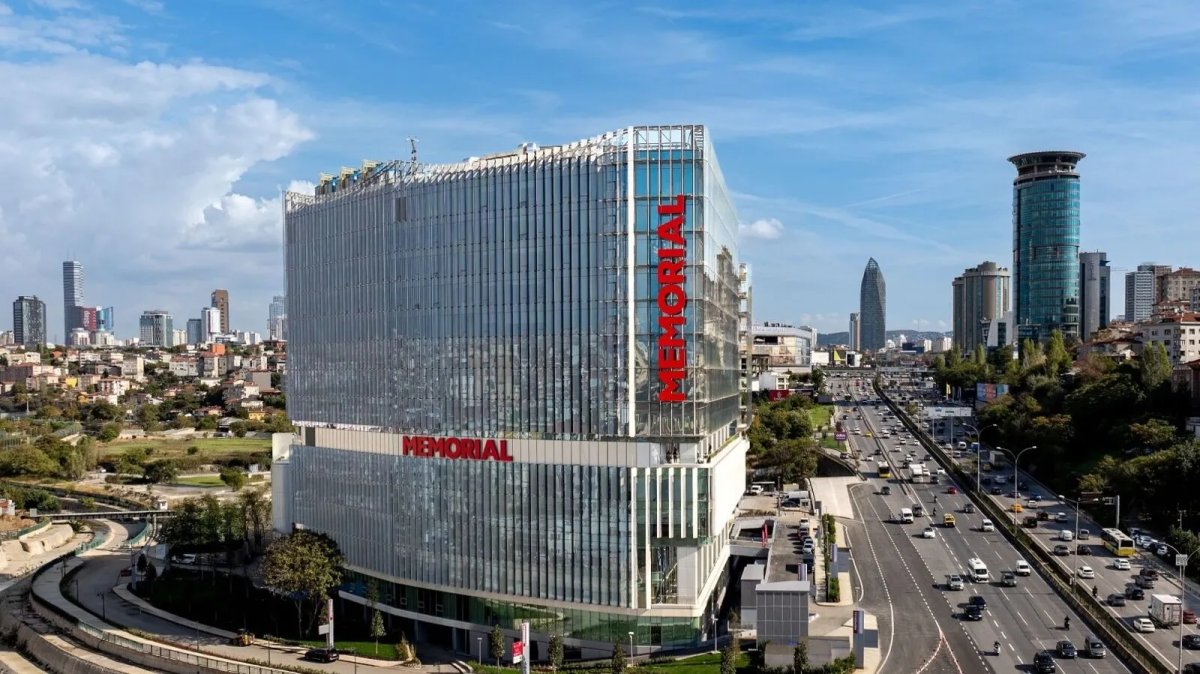
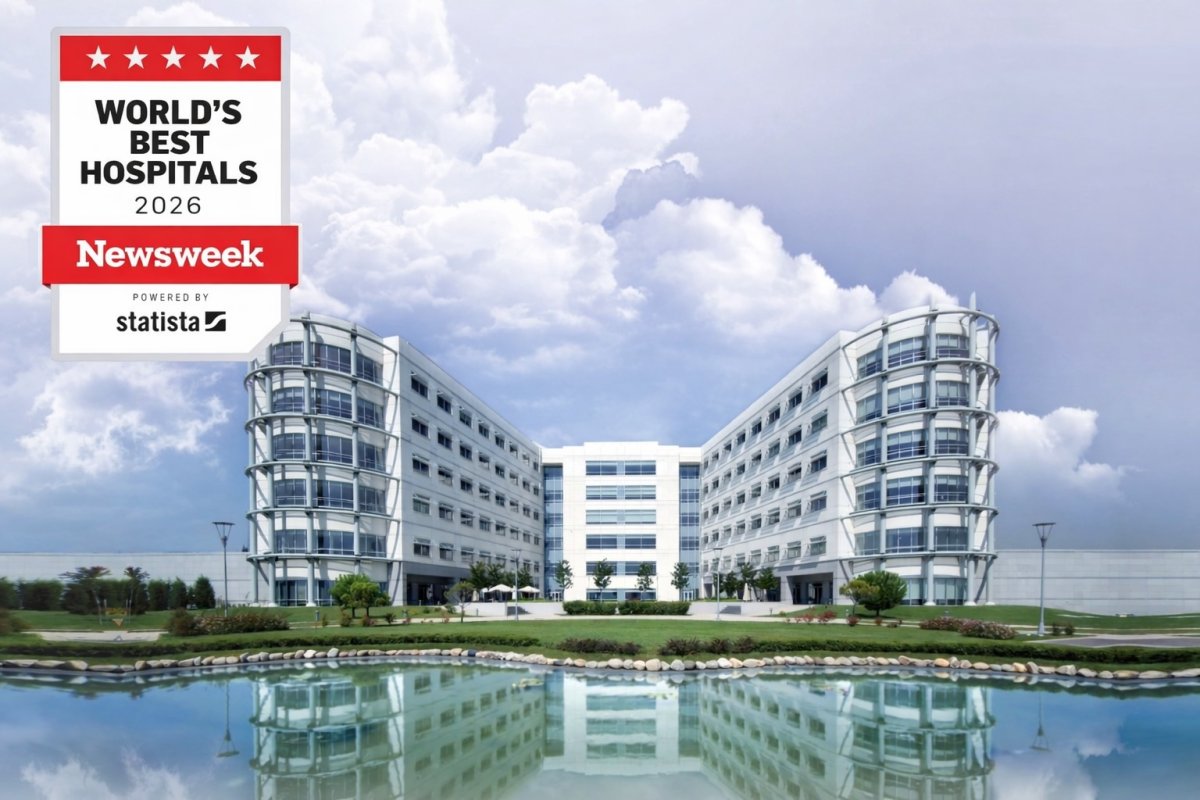
Bookimed Expert Insight: Choosing a high-volume center like Memorial Şişli or Anadolu Medical Center ensures access to the latest flexible scopes. While Hisar Hospital offers specialized stone crushing packages for approximately $5,200, patients benefit from their JCI-accredited infrastructure. Top urologists here, such as Professor Ozkan Onuk, have performed over 1,000 successful stone surgeries. This high specialization often results in shorter hospital stays and fewer peripheral costs.
| Turkey | Austria | Spain | |
|---|---|---|---|
| Flexible ureterorenoscopy (URS) | from $3,800 | ≈ $5,200 | ≈ $4,300 |
Discover the Best Flexible ureterorenoscopy (URS) Clinics in Turkey: 18 Verified Options and Prices






Hisar Hospital Intercontinental
Basri Cakiroglu

















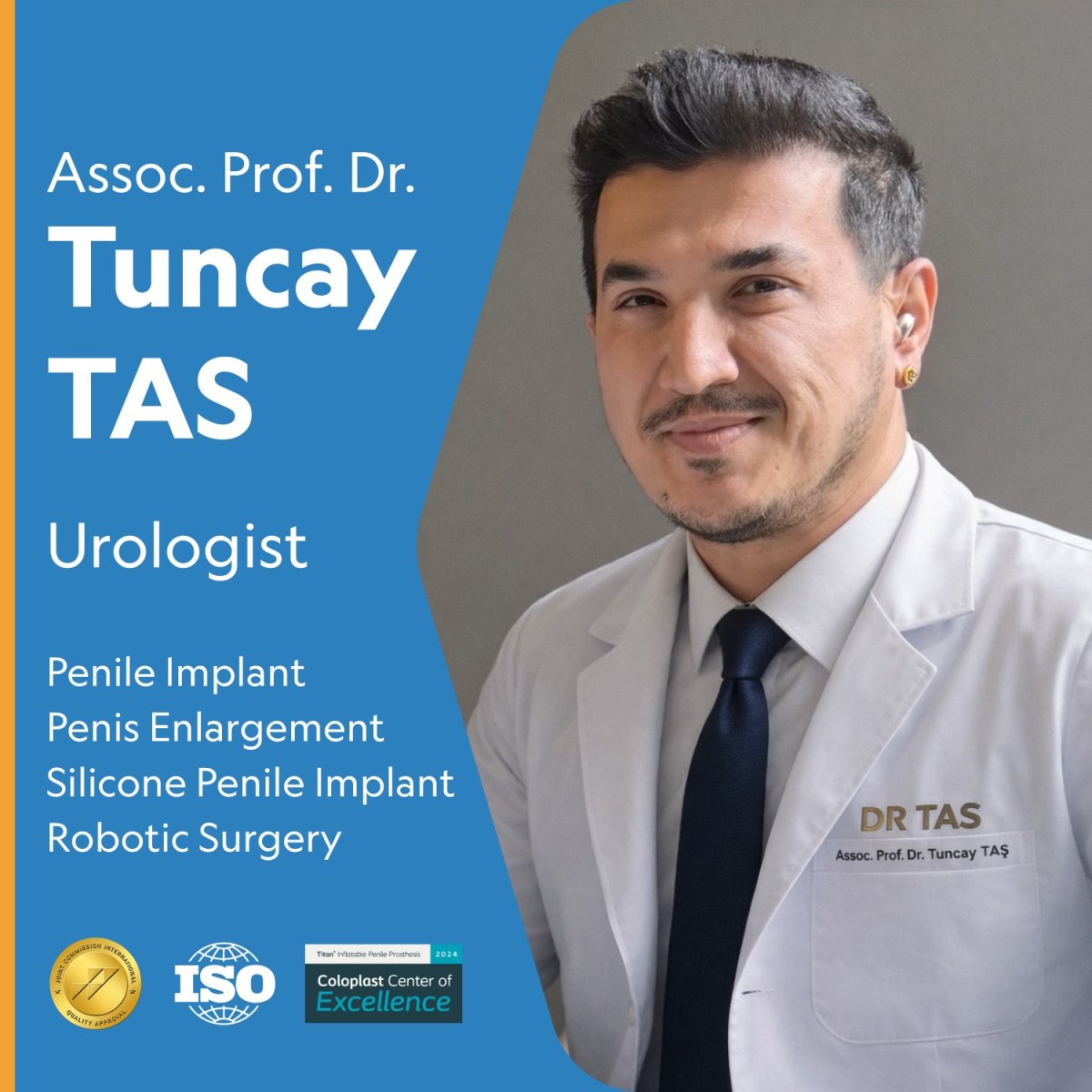



Medipol Bahçelievler Univesity Hospital
Osman Civil

Flexible ureterorenoscopy (URS) Overview in Turkey
- Flexible ureterorenoscopy (URS) - from $3,800The operation uses a thin, flexible tube to diagnose and treat kidney and ureteral conditions efficiently and safely.
Day 1: Arrival
- Arrive at the hospital and check-in.
- Meet with your anesthesiologist and urologist.
- Undergo routine preoperative tests like blood tests and ECG.
Day 2: Pre-Operation
- Meet with a dietitian to discuss fasting guidelines.
- Receive instructions on preoperative hygiene and clothing.
- Discuss all medications and supplements with your doctors.
Day 3: Flexible Ureterorenoscopy (URS)
- Arrive at the hospital early in the morning.
- Undergo anesthesia, typically general, before the procedure.
- Procedure begins by inserting a thin telescopic device into the urethra.
- Stones or obstructions are identified, and removed or fragmented.
- Procedure usually lasts between 1-3 hours.
Day 4: Post-Operation
- Stay in the hospital overnight for observation.
- Receive pain relief medication if necessary.
- Undergo post-operative tests such as X-rays or ultrasound.
Week 1-2: Rehabilitation
- Rest and avoid strenuous physical activities.
- Monitor for any signs of infection or complications.
- Follow-up appointment with your urologist after a week.
- Return to work after two weeks if recovery is smooth.
Please note, the timeline and recovery process can vary greatly for each individual depending on their overall health, the complexity of the procedure, and the presence of any complications.
- Bookimed deposit: $200 or €200.
- Clinic deposit: Pay a set percentage in advance.
Our Trusted Doctors
View all Doctors
Dr Bugra Cetin
Dr. Bugra Cetin specializes in minimally invasive urologic surgeries, performing advanced procedures like flexible ureteroscopy at Bahçelievler Medicalpark Hospital.
- Board-certified urologist with extensive training in molecular medicine
- Expert in laparoscopic and endoscopic techniques for faster recovery
- Performs complex reconstructive urologic surgeries with high success rates
- Member of international urology and sexual medicine associations
Basri Cakiroglu
Dr. Basri Cakiroglu is an Associate Professor of Urology at Hisar Hospital Intercontinental in Istanbul. He specializes in urooncology, pediatric urology, and male infertility treatment. Dr. Cakiroglu performs complex surgical interventions using the robotic da Vinci system. He works at a JCI-accredited hospital that serves over 500,000 patients annually.
- Performs robotic prostatectomy and kidney-sparing surgeries.
- Treats conditions including varicocele, prostatitis, and polycystic kidney disease.
- Specializes in andrology, infertility, and pediatric urological care.
- Authored numerous medical articles in international and local journals.

Cenk Acar
Dr. Cenk Acar is a urological surgeon at Hisar Hospital Intercontinental in Istanbul. He has performed over 500 surgeries for urological cancers. He was the first doctor in Turkey to apply bipolar prostate enucleation. Dr. Acar completed a fellowship in robotic and laparoscopic surgery at The Netherlands Cancer Institute.
- Performed over 250 HOLEP procedures for benign prostate enlargement.
- Expert in intraoperative fluorescence imaging for robotic urological surgeries.
- Specializes in sentinel lymph node dissections for prostate cancer treatment.
- Works at a JCI-accredited hospital serving 500,000 patients annually.

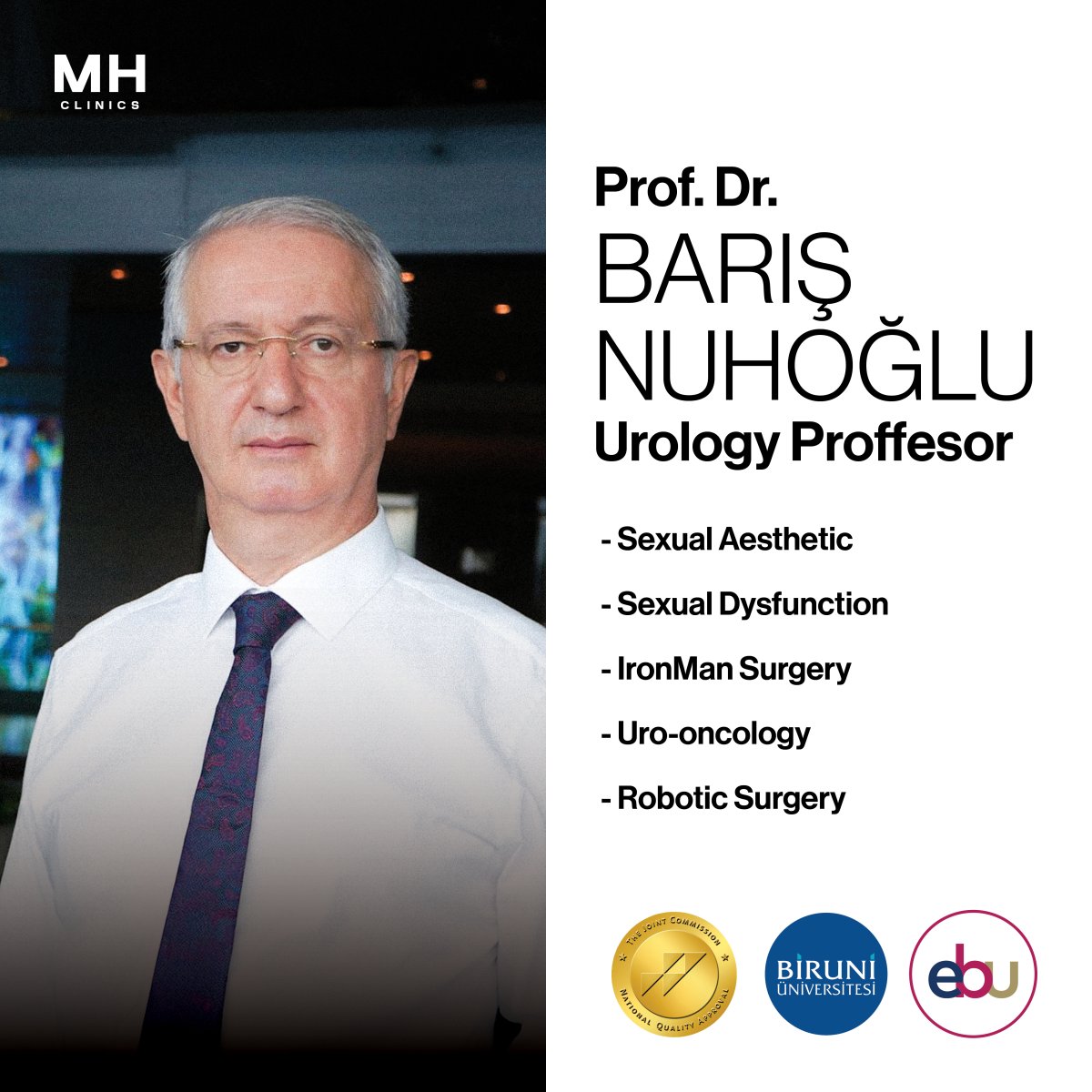
Baris Nuhoglu
Dr. Baris Nuhoglu specializes in urological procedures at Men's Health Clinics.
- Expert in flexible ureterorenoscopy (URS) procedures
- Focused on delivering personalized care
- Works at a leading men's health facility
Video Stories from Bookimed Patients
Reviews about Bookimed: Discover Patients' Insights
All reviewsShare this content
 Anna Leonova

FAQ about Flexible ureterorenoscopy (URS) in Turkey
What is the success rate of flexible ureterorenoscopy in Turkey?
Flexible ureterorenoscopy success rates in Turkey range from 78% to 95.6% for achieving a stone-free state. Outcomes depend on stone size and location. Procedures for stones under 20 mm frequently exceed 90% efficacy at JCI-accredited centers in Istanbul using advanced laser lithotripsy.
- Stone size impact: Success exceeds 90% for stones under 20 mm in a single session.
- Anatomical clearance rates: Renal pelvis stones show 88% to 93% clearance versus lower pole stones.
- Surgeon volume: Top experts like Dr. Basri Cakiroglu have performed over 900 successful procedures.
- Clinical benchmarking: Large-scale Turkish studies of 1,571 cases report 95.6% overall procedural success.
Bookimed Expert Insight: High-volume centers in Turkey often achieve better outcomes by combining flexible URS with digital imaging. While the average success is high, the 95.6% peak rates come from clinics performing over 1,000 surgeries annually. Choosing a surgeon with 900+ procedures significantly reduces the need for secondary `clean-up` sessions.
Patient Consensus: Most patients report being mobile within 48 hours and emphasize the importance of a follow-up CT scan. Many recommend confirming whether a JJ stent is required to manage post-operative expectations and comfort.
What should I expect during the flexible ureterorenoscopy procedure?
Flexible ureterorenoscopy in Turkey is a minimally invasive, incision-free procedure performed under general anesthesia to treat kidney stones. Surgeons insert a flexible telescope through the urethra to reach the kidney. They use holmium lasers to fragment stones into dust or small pieces for removal.
- Procedure duration: Most surgeries at facilities like Hisar Hospital Intercontinental last 30 to 90 minutes.
- Hospital stay: This is typically an outpatient procedure allowing for same-day discharge after monitoring.
- Surgical approach: Surgeons access the urinary tract naturally, ensuring no external cuts or scarring occur.
- Stent placement: A temporary soft plastic tube often remains for 1 to 4 weeks post-surgery.
Bookimed Expert Insight: Data from top Istanbul clinics shows a strong correlation between surgeon volume and efficiency. Experts like Dr. Basri Cakiroglu or Professor Ozkan Onuk have performed over 900 to 1,000 such procedures. High-volume surgeons often navigate complex anatomy faster, potentially reducing the time you spend under general anesthesia.
Patient Consensus: While the surgery itself is painless, many find the post-operative stent causes significant urgency and flank discomfort. Patients recommend using heating pads and staying hydrated to manage these temporary sensations until removal.
What is the typical recovery time and downtime after flexible URS?
Most patients recover from flexible ureterorenoscopy within 5 to 7 days, with many returning to sedentary work in 48 hours. Full internal healing and a return to strenuous exercise typically require 3 to 4 weeks. Most procedures in Istanbul clinics allow for same-day discharge after anesthesia wears off.
- Initial downtime: Rest for 24 hours post-surgery before resuming light walking or driving.
- Work timeline: Return to desk-based roles within 1 to 2 days after procedure.
- Physical activity: Avoid lifting over 10 lbs for at least 7 to 14 days.
- Stent management: Expect removal within 5 to 14 days if a ureteral stent was placed.
Bookimed Expert Insight: While many sources suggest a 1-week recovery, our data shows that high-volume surgeons like Dr. Ozkan Onuk at Biruni University or Dr. Basil Çakıroğlu at Hisar Hospital perform over 900+ procedures. This level of specialization often leads to refined laser techniques that minimize internal tissue irritation and potentially shorten the acute recovery phase for patients.
Patient Consensus: Expect pink-tinted urine and a stinging sensation for the first 3 to 5 days. Patients emphasize drinking 2 to 3 liters of water daily to significantly reduce discomfort and flush the system during the first week.
Which hospitals in Turkey are considered leaders in flexible ureterorenoscopy?
Leading Turkish hospitals for flexible ureterorenoscopy include JCI-accredited facilities like Hisar Hospital Intercontinental, Memorial Şişli, and Anadolu Medical Center. These centers utilize advanced Holmium laser technology and specialized endo-urology suites, with top surgeons performing over 900 minimally invasive stone-crushing procedures annually to ensure high success rates.
- Surgeon expertise: Dr. Basri Cakiroglu has completed over 900 flexible ureterorenoscopy procedures at Hisar Hospital.
- Clinical credentials: Memorial Şişli was the world 21st hospital to receive prestigious JCI accreditation.
- Academic affiliation: Anadolu Medical Center maintains a clinical partnership with Johns Hopkins Medicine for standards.
- High volume: Liv Hospital Ulus performs over 13,200 annual surgeries with advanced laser lithotripsy systems.
Bookimed Expert Insight: While many clinics offer laser lithotripsy, the top-tier hospitals like Memorial and Anadolu prioritize specialized endo-urology departments over general surgery. Data shows these centers attract patients from 167 countries, largely because their primary urologists, such as Professor Ozkan Onuk, have personally performed 1,000+ kidney stone surgeries.
Patient Consensus: Patients emphasize choosing JCI-accredited spots like Acibadem or Memorial for easier logistics. They often advise sticking with surgeons who have documented 500+ cases and planning a 1-week stay for proper stent monitoring.
Is flexible URS preferable to other stone treatments such as ESWL or mini-PNL?
Flexible ureterorenoscopy (fURS) is generally preferable for kidney stones between 10–20 mm, offering a 90% stone-free rate in a single session. While ESWL is less invasive, fURS significantly outperforms it for lower pole stones and hard compositions where shockwaves often fail.
- Success rates: fURS achieves 90% clearance compared to approximately 60% for shockwave therapy (ESWL).
- Invasiveness: It is less invasive than mini-PNL, requiring only 1–2 days of hospitalization.
- Stone size: Most effective for stones under 20 mm in complex or lower locations.
- Clinical volume: Top Istanbul clinics like Anadolu Medical Center serve over 65,000 patients annually.
Bookimed Expert Insight: While mini-PNL offers a slight edge in stone-free rates for larger masses, our data shows patients increasingly choose fURS in Turkey for its superior safety profile. Surgeons like Dr. Ozkan Onuk have performed over 1,000 successful stone surgeries, reflecting the high-volume expertise that minimizes common post-operative risks.
Patient Consensus: Many patients report that fURS effectively cleared stones that failed ESWL treatment after multiple sessions. However, some note that the temporary Double-J stent used after the procedure can cause manageable but lingering discomfort for several weeks.