Foraminotomy in Turkey — Get 3 Top Clinic Matches with Costs


Medically reviewed by
Ali Zirh
How Much Does Foraminotomy Cost in Turkey?
Foraminotomy in Turkey typically costs from $6,000 to $10,000. The final price depends on the surgical technique, the clinic tier, and the complexity of the spinal decompression. In the US, similar procedures cost around $22,000 on average. Turkey offers savings of around 64%. Most packages include pre-operative MRI, surgeon fees, hospital stays, and VIP transfers.
- Kyphoplasty: $9,000 to $10,000 for treating vertebral compression fractures.
- Minimally invasive approach: Often adds a premium for specialized equipment but reduces hospital stay.
- City variations: Medical hubs include Istanbul, Ankara, Antalya, Bursa, and Sivas.
- Hospitalization length: Standard packages usually cover two to four nights of inpatient care.
Bookimed Expert Insight: Choosing JCI-accredited facilities in Istanbul provides elite care at competitive rates. Memorial Şişli Hospital was the first in Turkey to earn this accreditation. For complex spinal cases, doctors like Cevdet Gokcek offer 34 years of experience and specialized micro-neurosurgery training. Some clinics, like Hisar Hospital Intercontinental, even bundle 15 physical therapy sessions into their $2,000 packages. This adds significant long-term value for post-operative recovery.
| Turkey | Austria | Spain | |
|---|---|---|---|
| Foraminotomy | from $6,000 | ≈ $6,800 | from $15,000 |
| Kyphoplasty | from $9,000 | ≈ $6,500 | ≈ $8,500 |
Your Benefits and Guarantees with Bookimed
Transparent Prices & Flexible Installments
No hidden fees – just official clinic prices. Pay at the clinic for Foraminotomy upon arrival and use a flexible installment plan if needed.
Verified Clinics & Doctors Only
Bookimed is committed to your safety. We only work with medical institutions that maintain high international standards in Foraminotomy and have the necessary licenses to serve international patients worldwide.
Free 24/7 Assistance
Bookimed offers free expert assistance. A personal medical coordinator supports you before, during, and after your treatment, solving any issues. You're never alone on your Foraminotomy journey.

Your personal Bookimed medical coordinator
- Supports you at every stage
- Helps choose the right clinic and doctor
- Ensures quick and convenient access to information
Discover the Best Foraminotomy Clinics in Turkey: 3 Verified Options and Prices



Memorial Ataşehir Hospital
Zafer Orkun Toktas






Central Hospital
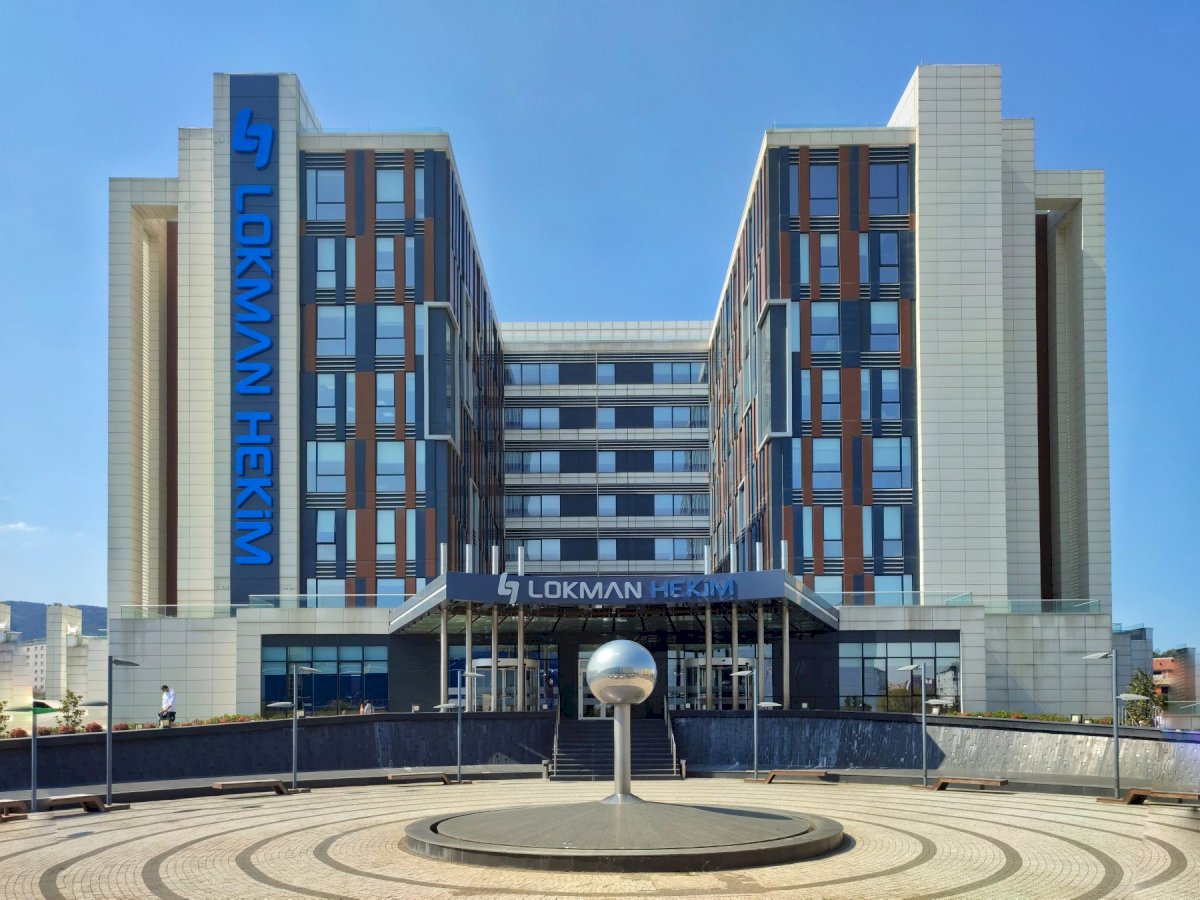
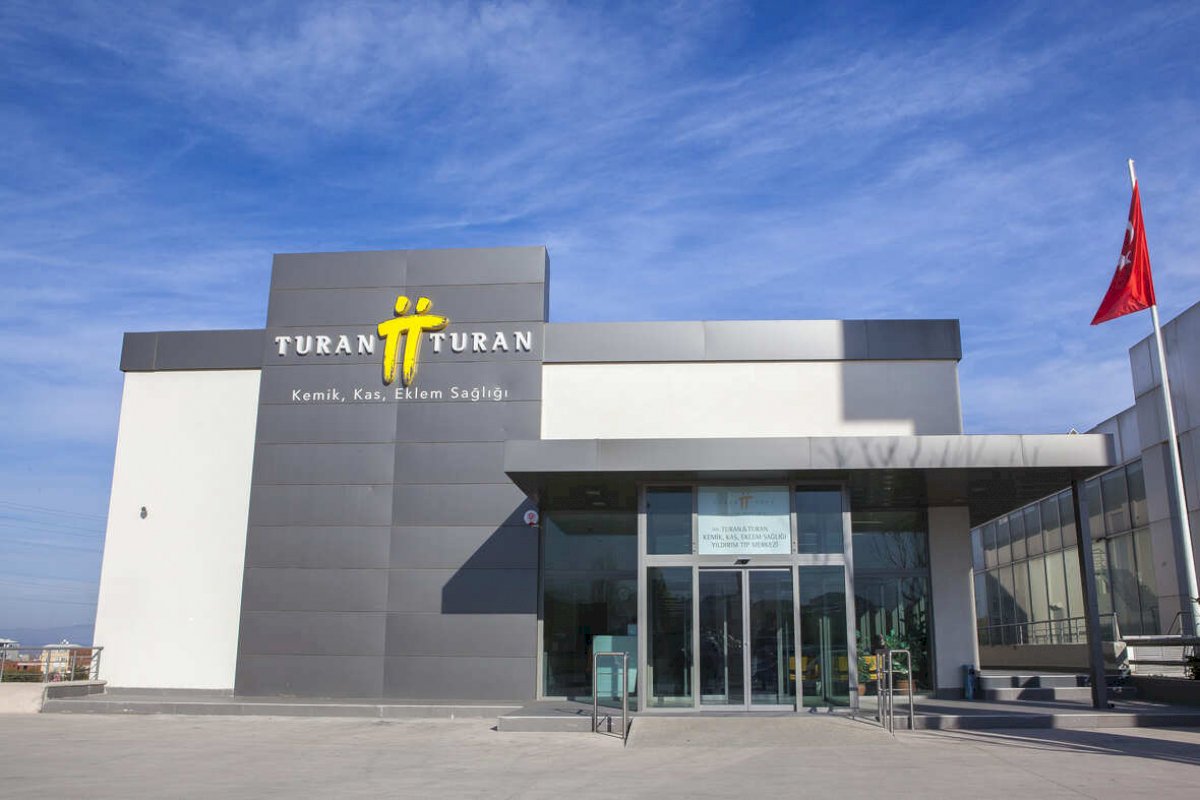


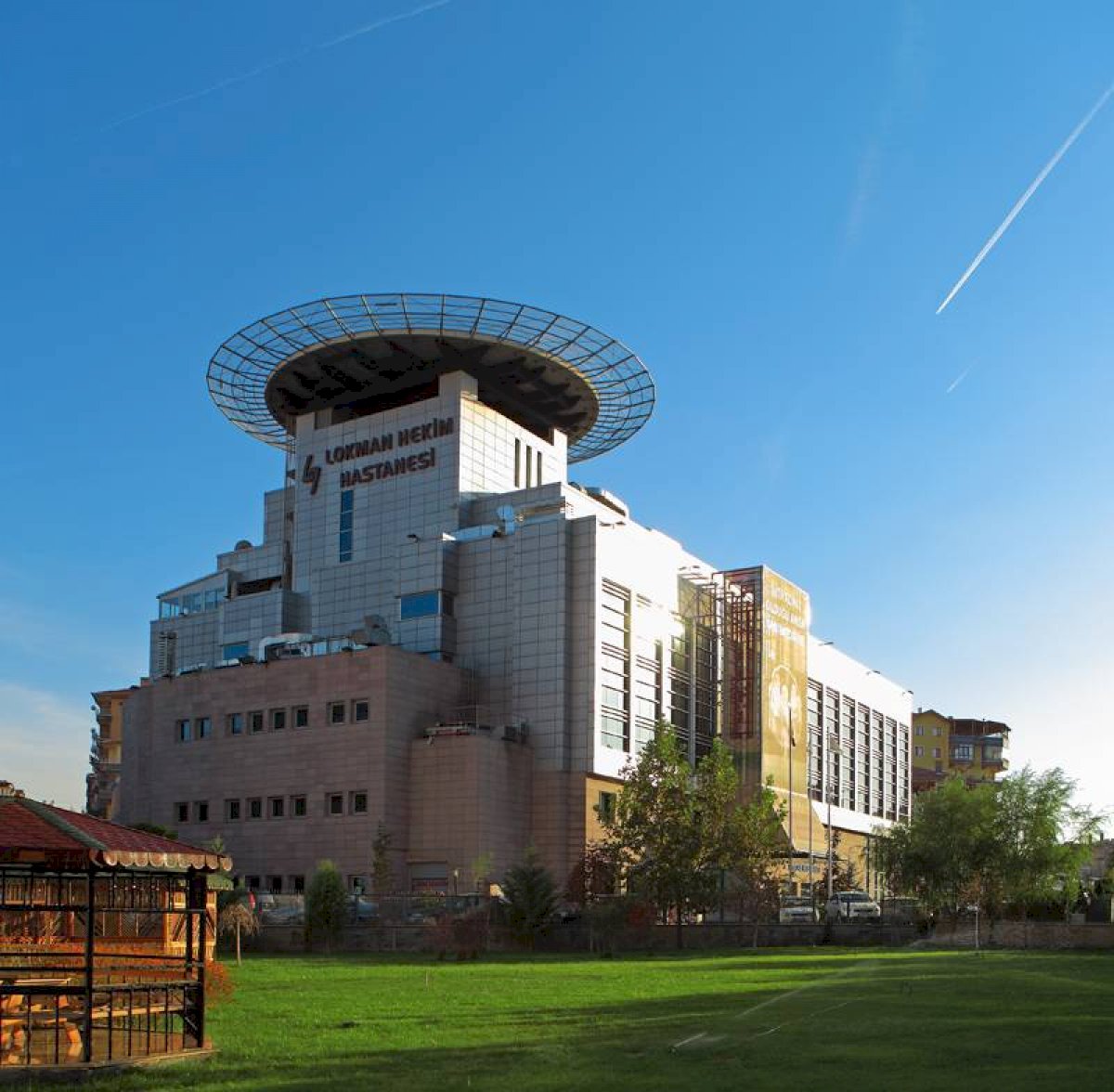
NP Istanbul Brain Hospital
Mustafa Bozbuga


Foraminotomy Overview in Turkey
- Kyphoplasty - from $9,000The operation repairs fractured vertebrae, alleviating pain and restoring posture. It is a minimally invasive, balloon-assisted technique.
- Foraminotomy - from $6,000This procedure decompresses nerves in the spine via small incisions, relieving pain and offering quicker recovery.
Day 1: Arrival
- Arrive in the country and settle into your accommodation.
- Rest and acclimate to the new environment.
Day 2-3: Pre-Operation
- Undergo a comprehensive medical evaluation.
- Consult with a neurologist and orthopedic surgeon.
- Complete necessary blood tests and imaging studies.
- Receive instructions for surgery preparation.
Day 4: Surgery
- The procedure lasts 2-3 hours, under general anesthesia.
- A small incision is made in the vertebral area.
- The foramen is widened to relieve nerve root compression.
- The incision is closed and bandaged.
Day 5-7: Post-Operation
- Stay in the hospital for monitoring and pain management.
- Start gentle physiotherapy exercises under supervision.
- Meet with the surgeon for a post-operative check-up.
Week 1-4: Rehabilitation
- Continue physiotherapy exercises to regain strength.
- Gradually increase activity levels as advised by the doctor.
- Return to work after two weeks for non-physical jobs.
Week 4-8: Rehabilitation Continued
- Resume regular activities, excluding heavy lifting.
- Return to sports activities gradually after six weeks.
- Expect to see the final result after two months.
Please note that this is a general timeline and individual experiences may vary.
- Bookimed deposit: $200 or €200.
- Clinic deposit: Pay a set percentage in advance.
Our Trusted Doctors
View all Doctors
Hasan Ozgur Ozdemir
Prof. Dr. Hasan Ozgur Ozdemir specializes in endoscopic lumbar disc surgery and advanced spine procedures at Medical Park Antalya Hospital Complex.
- Over 24 years of neurosurgery experience
- Expert in minimally invasive spine surgeries
- 1st place in Turkish Neurosurgical Society Proficiency Exam
- Member of Turkish Neurosurgical Society and Turkish Medical Association

Emad Abdallah
Dr. Abdallah specializes in minimally invasive spine techniques, trained under Dr. Mehmet Zileli — a leader in advanced spinal surgery.
- Residency at Balikesir University Hospital’s neurosurgery department
- Published research on novel treatments for spinal cord injuries
- Completed specialized training in pediatric neurosurgery
- Co-authored study on lumbar disc herniation biomarkers

Ramazan Sari
Associate Professor in neurosurgery with 22 years of experience, now practicing at Istanbul Florence Nightingale Hospital.
- Trained at S.B. Göztepe Training and Research Hospital
- Specializes in neurosurgery with expertise in spine procedures
- Former lecturer at Medipol and Eurasia universities
- Contributed to establishing neurosurgery departments at Medipol University

Salih Murat Imer
Prof. Imer has over 41 years of neurosurgical experience, specializing in advanced spine procedures like foraminotomy at Istanbul Florence Nightingale Hospital.
- Trained in functional and stereotactic neurosurgery in Finland and France
- Certified in full-endoscopic spine surgery techniques
- Published 68 articles and presented at 33 international congresses
- Former professor and department founder at Istanbul University
Video Stories from Bookimed Patients
Reviews about Bookimed: Discover Patients' Insights
All reviews






Share this content
 Anna Leonova

Our Foraminotomy Techniques: What Suits You Best?
When considering Foraminotomy, it’s important to understand the different techniques and which is best suited for you. Here’s a concise comparison of popular options:

Kyphoplasty
Kyphoplasty is a minimally invasive procedure designed to treat vertebral compression fractures and restore spinal alignment.
FAQ about Foraminotomy in Turkey
What surgical technique is used—open or minimally invasive?
Surgeons in Turkey primarily use minimally invasive techniques for foraminotomy, including endoscopic and tubular system approaches. These methods utilize small incisions under 2 cm to relieve nerve compression. Traditional open surgery remains an option only for complex, multi-level cases or severe bone reconstructions.
- Endoscopic approach: Surgeons use tiny 1-2 cm incisions and high-definition cameras for nerve decompression.
- Tubular retractors: The METRx system protects muscles by dilating rather than cutting through them.
- Hospital stay: Minimally invasive procedures typically require 1 day compared to 2-3 days open.
- Recovery time: Patients often return to desk work within 1 week after endoscopic surgery.
Bookimed Expert Insight: While many clinics offer minimally invasive options, look for surgeons like Prof. Dr. Mustafa Bozbuga who have 30+ years of experience. High-volume centers in Istanbul like Memorial Şişli often prioritize the percutaneous endoscopic method. This specific technique significantly reduces muscle trauma compared to the standard tubular approach used in smaller clinics.
Patient Consensus: Patients value the same-day discharge and significantly smaller scars associated with endoscopic techniques. Many report that choosing minimally invasive surgery allowed them to resume light activities within days rather than weeks.
How long should I plan to stay in Turkey and what travel-related factors should I consider?
For a foraminotomy in Turkey, plan for a 10 to 14-day stay to ensure safe travel. This timeline covers pre-operative consultations, the spinal procedure, a 1 to 3-night hospital stay, and essential recovery time before meeting the 7-day no-fly safety threshold for surgical patients.
- Clinical stay: Expect 1–3 nights hospitalization post-surgery for monitoring and initial physical therapy.
- Flight safety: Avoid flying for 7 days post-op to prevent deep vein thrombosis (DVT).
- Visa requirements: Secure an e-Visa online for 90-day stays; ensure your passport is valid.
- Ground logistics: Use clinic-provided airport transfers to navigate Istanbul traffic and ensure vehicle accessibility.
Bookimed Expert Insight: While many clinics like Memorial Şişli or Hisar Hospital offer 7-day recovery packages, data shows patients often face high fees for last-minute flight changes. Booking a flexible ticket for a 12-day stay is more cost-effective than extending a 7-day trip after surgery if your recovery requires extra rest.
Patient Consensus: Successful travelers recommend arranging hotels with wheelchair access near the clinic. They stress that post-op mobility improves daily, but local SIM cards are vital for staying in touch with coordinators during recovery.
What is a foraminotomy and why is it performed?
A foraminotomy is a spinal surgery that widens the narrow bony openings, or foramen, where nerve roots exit the spinal column. Surgeons perform this procedure to decompress pinched nerves, effectively relieving radiating pain, numbness, and muscle weakness caused by conditions like spinal stenosis or herniated discs.
- Primary goal: Relieve pressure on spinal nerve roots to resolve chronic radiculopathy symptoms.
- Common indications: Foraminal stenosis, bone spurs, herniated discs, or thickened ligaments narrowing nerve pathways.
- Surgical techniques: Available approaches include minimally invasive, endoscopic, or microsurgical methods for targeted decompression.
- Recovery time: Endoscopic techniques allow return to activity in 1–2 weeks versus months for fusion.
Bookimed Expert Insight: While many patients view foraminotomy as a standalone fix, data from high-volume centers like Memorial Şişli Hospital suggests it is most effective when combined with targeted physical therapy. Choosing an endoscopic approach over traditional open surgery can reduce your recovery timeline from months to just 14 days. Always verify your surgeon has performed at least 100 successful decompressions to ensure the best long-term outcome.
Patient Consensus: Patients report high success rates for relieving sharp shooting pain, though some note that managing expectations is vital for multi-level issues. Most emphasize that immediate relief is common, but 6 months of symptom tracking is essential for full stability.
What are typical recovery and rehabilitation steps?
Patients typically begin walking on the day of surgery to prevent blood clots and stiffness. Foraminotomy in Turkey involves a 1-day hospital stay with light activities resuming within 1 to 4 weeks. Minimally invasive techniques used by JCI-accredited clinics ensure a faster return to daily life.
- Initial mobility: Start gentle walking on day 1 to avoid shoulder and back stiffness.
- Pain management: Peak discomfort occurs between days 2 and 5, managed by prescribed NSAIDs.
- Physical therapy: Formal rehabilitation begins 7 to 10 days post-op, focusing on nerve glides.
- Activity timeline: Return to desk work in 1 to 2 weeks; avoid lifting for 3 months.
Bookimed Expert Insight: While most clinics suggest a 1-day stay, the highest-rated Turkish neurosurgery centers like Memorial Sisli focus on immediate post-op mobilization. This prevents `zombie shoulder` stiffness. Patients often find that starting physical therapy sessions locally in Istanbul—which cost only €50-100—significantly accelerates their recovery before flying home.
Patient Consensus: Many patients recommend using a neck pillow for the flight home and emphasize tracking arm pain after week 2. Early movement is the most common tip for a successful recovery journey.
How safe is foraminotomy in Turkey and which surgeons perform it?
Foraminotomy in Turkey is highly safe with success rates between 85% and 95% at JCI-accredited facilities. Expert neurosurgeons like Prof. Dr. Ilhan Elmaci and Asst. Prof. Cevdet Gokcek utilize minimally invasive techniques to ensure low complication rates and rapid patient mobilization within 48 hours.
- Surgeon expertise: Prof. Dr. Ilhan Elmaci at Florence Nightingale practiced at Johns Hopkins University.
- Clinical standards: Memorial Şişli Hospital was the first in Turkey to achieve JCI accreditation.
- Advanced technology: Top centers use robotic-assisted Mazor-X and O-arm imaging to protect nerves.
- Recovery timeline: Patients typically return home in 2 days and stay mobile within 48 hours.
Bookimed Expert Insight: Data shows that choosing University-affiliated hospitals like Medipol Mega or Medipol Pendik provides a safety edge. These institutions serve over 1,000,000 patients annually and house 400+ specialists. This high volume translates to surgeons like Asst. Prof. Cevdet Gokcek having extensive experience in complex decompression cases.
Patient Consensus: Most patients report that nerve pain vanishes within weeks of the procedure. They recommend ensuring your coordinator speaks fluent English to manage follow-up care and surgical imaging reviews effectively.
How long should I plan to stay in Turkey for the procedure and follow-up?
Patients should plan to stay in Turkey for 10 to 14 days for a foraminotomy. This timeframe covers pre-operative imaging, the surgical procedure, and a critical recovery period. Most surgeons require a final in-person follow-up to confirm fit-to-fly status before your departure.
- Arrival window: Arrive 2 to 3 days early for necessary diagnostic imaging and consultations.
- Hospital stay: Expect 1 to 2 nights of inpatient observation following the spinal procedure.
- Recovery buffer: Remain in Turkey for 5 to 7 days post-discharge for wound monitoring.
- Flight safety: Wait 10 to 14 days before long-haul flights to minimize complication risks.
Bookimed Expert Insight: Data from top-tier Istanbul facilities like Memorial Şişli and Medipol Mega shows that foraminotomy patients often save over 64% compared to US costs. While clinical success rates for spinal decompression reach 90-95%, the most successful outcomes correlate with staying the full 14 days. This allows for post-op imaging that many smaller clinics might skip but is standard at JCI-accredited university hospitals.
Patient Consensus: Patients emphasize booking at least 12 days to avoid rushing recovery. They highly recommend staying in accommodation very close to the clinic to avoid using public transport during the first week of healing.
What results and long-term outcomes can patients expect?
Patients undergoing foraminotomy in Turkey typically experience 70% to 90% immediate relief from radicular pain. Long-term success involves sustained mobility and functional restoration. Outcomes are optimized through minimally invasive endoscopic techniques performed by board-certified neurosurgeons in JCI-accredited facilities across Istanbul and Ankara.
- Pain reduction: Most patients report significant arm or leg pain relief within weeks.
- Recovery timeline: Endoscopic procedures allow many patients to return to work within 14 days.
- Long-term stability: Between 60% and 80% of patients maintain successful results after 5 years.
- Success markers: Clinics like Lokman Hekim report 99.9% success for similar spinal decompressions.
Bookimed Expert Insight: Data shows a high success correlation with surgeon volume. Prof. Dr. Mustafa Bozbuga and Asst. Prof. Cevdet Gokcek each have over 30 years of experience. Choosing surgeons with 1,000+ complex spine cases often translates to lower rates of adjacent segment degeneration.
Patient Consensus: Many describe the reduction in nerve pain as life-changing shortly after surgery. Patients emphasize that starting aggressive physical therapy at 4 to 6 weeks is vital for maintaining these results long-term.
What risks or potential complications should patients be aware of?
Foraminotomy in Turkey is generally safe, though risks include infection, nerve irritation, or cerebrospinal fluid (CSF) leaks. Minimally invasive techniques used at JCI-accredited hospitals like Memorial Şişli significantly reduce blood loss. Patients should monitor for 10-20% potential persistent numbness or radiculopathy post-surgery.
- Infection control: Surgical site infections may require antibiotics; choose clinics with ISO-certified sanitation protocols.
- Neurological risks: Nerve damage or dural tears occur in 5-15% of complex spinal decompressions.
- Thrombosis prevention: DVT risks increase due to long-haul flights combined with post-operative immobility.
- Recovery monitoring: Arm or leg pain can return within 3 months if decompression is incomplete.
Bookimed Expert Insight: Data from 3,880+ requests shows a trend where patients prioritize high-volume neurosurgeons like Prof. Dr. Mustafa Bozbuga. Experience matters because precise decompression prevents the need for future revisions. We recommend budgeting for a 2-week local stay. This allows Turkish specialists to perform a post-op MRI before your flight home.
Patient Consensus: Many patients find that while local clinics provide excellent initial care, having a backup doctor at home is essential. They often suggest packing your own wound supplies and confirming clear communication channels to avoid feeling ghosted after discharge.
What is included in common medical-travel packages for foraminotomy in Turkey?
Foraminotomy packages in Turkey typically bundle microsurgical or endoscopic spinal decompression with comprehensive logistics to support international patients. These all-inclusive arrangements cover specialist surgeon fees, anesthesia, and 3-5 nights of private hospital inpatient care featuring 24/7 nursing and specialized medical meals.
- Medical essentials: Includes surgeon fees, anesthesiology, and initial post-operative medications for home use.
- Hospital stay: Provides 3–5 nights in a private room with dedicated nursing assistance.
- Logistics: Includes VIP airport-to-hotel transfers and 7–14 days of local hotel accommodation.
- Support: Features 24/7 personal coordinator services and 3 months of follow-up via WhatsApp.
Bookimed Expert Insight: Data suggests choosing clinics like Memorial Şişli Hospital, which was the first JCI-accredited facility in Turkey. While packages seem complete, top-tier surgeons like Prof. Dr. Mustafa Bozbuga often recommend budgeting 20% extra for unbundled diagnostic imaging like specialized MRI scans.
Patient Consensus: Many patients appreciate the VIP transfer services but advise getting an itemized list of inclusions to confirm if pre-operative tests are fully covered before traveling.
How long is the typical recovery timeline?
Foraminotomy recovery in Turkey typically allows a return to light activities within 2-6 weeks. Patients generally achieve full recovery between 4-12 weeks, while complete nerve healing may take 3-6 months. Most individuals resume sedentary work after 1-2 weeks of rest.
- Light activity: Return to walking and light movements within 2-6 weeks.
- Full recovery: Most patients resume normal daily routines within 4-12 weeks.
- Nerve healing: Complete resolution of numbness or tingling requires 3-6 months.
- Work timeline: Expect 1-2 weeks off for office roles and 4-6 weeks for physical jobs.
Bookimed Expert Insight: Clinics like NP Istanbul Brain Hospital use endoscopic techniques that often enable same-day walking. Turkey’s neurosurgeons, including Professor Mustafa Bozbuga with 30 years experience, focus on minimally invasive access. This approach typically reduces the initial inflammatory phase and promotes earlier mobility compared to traditional open surgery.
Patient Consensus: Many patients report immediate relief from sharp pain but note that shoulder tension persists. Success depends on avoiding overactivity during the second week to prevent temporary setbacks in healing.