Melanoma surgery in Turkey — get 3 personalized clinic matches
Melanoma surgery in Turkey costs $3,500 to $6,000, compared with about $14,000 in the US (Bookimed data, November 2026). Bookimed lists 5 melanoma surgery clinics in Turkey, all in Istanbul, including JCI-accredited and ISO-certified clinics. These clinics are rated 4.6/5 in 1,520 verified patient reviews on Bookimed.

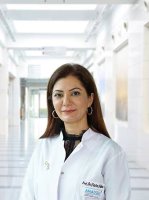
Medically reviewed by
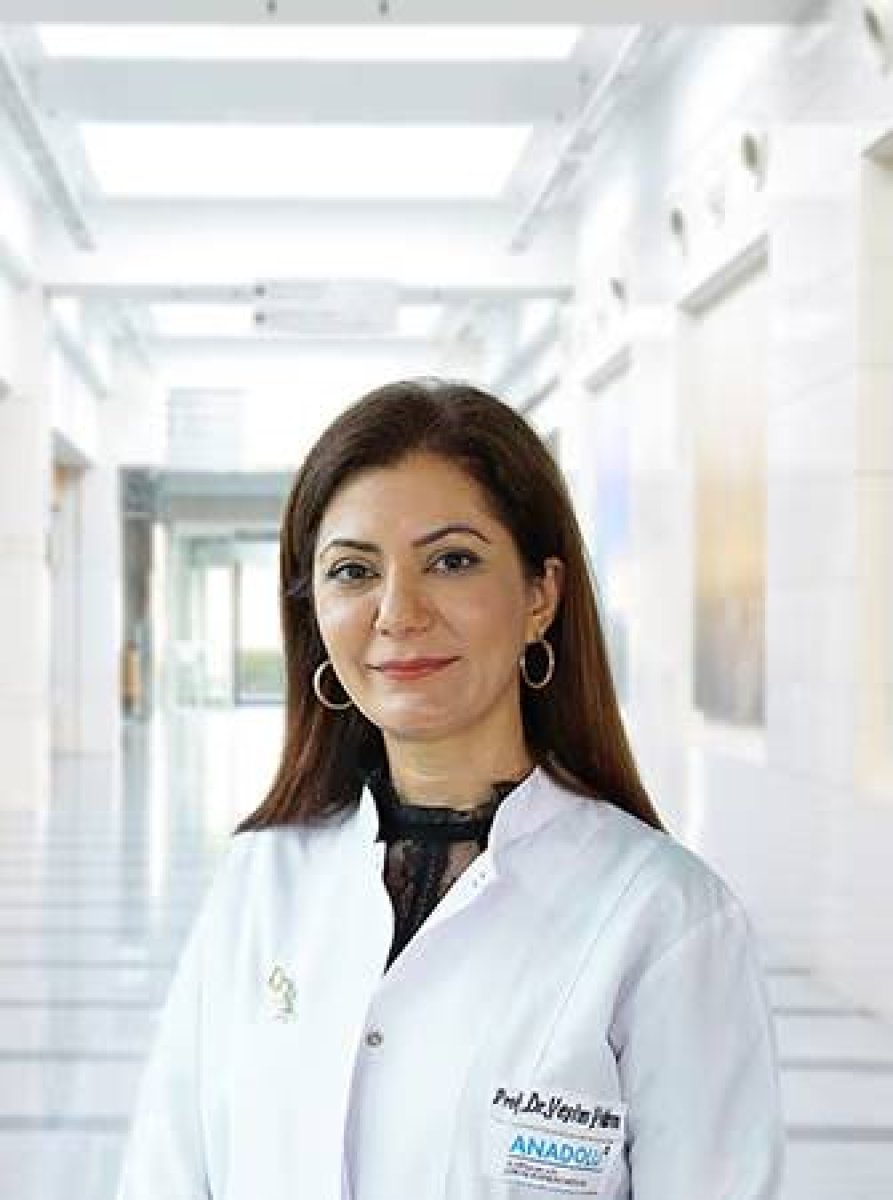
Yesim Yildirim
How it works
How Much Does Melanoma surgery Cost in Turkey?
Melanoma surgery in Turkey typically costs from $3,500 to $6,000 depending on the surgical technique, tumor thickness, and required reconstruction. Patients save around 66% compared to the US, where the average cost is $14,000. Most Turkish medical centers in Istanbul and Ankara provide all-inclusive support featuring airport transfers, language assistance, and initial consultations.
- Mohs microsurgery: from $6,500 for precise, layer-by-layer removal of skin cancer.
- Wide excision of melanoma: $6,300 to $25,400 which involves removing the tumor and safety margins.
- Topical therapy of melanoma: $1,800 to $3,400 for non-surgical treatment of early-stage lesions.
- Reconstructive techniques: Complex cases requiring skin grafts or flaps typically add 30-50% to the base price.
Bookimed Expert Insight: Choosing JCI-accredited hubs like Anadolu Medical Center or Memorial Şişli offers elite-tier oncology care. These centers maintain affiliations with top US institutions like Johns Hopkins Medicine. Patients access high-end diagnostics like PET-CT and TrueBeam radiotherapy at costs significantly below Western averages. Many Istanbul clinics even provide "Green Building" environments to support recovery. This ensures a high-value balance between clinical technology and patient comfort.
| Turkey | Austria | Spain | |
|---|---|---|---|
| Melanoma surgery | from $3,500 | ≈ $3,800 | from $6,000 |
| Wide excision of melanoma | from $6,300 | ≈ $2,600 | from $5,000 |
| Topical therapy of melanoma | ≈ $1,800 | ≈ $1,800 | from $5,000 |
| Mohs microsurgery | from $6,500 | ≈ $1,500 | from $7,200 |
Discover the Best Melanoma surgery Clinics in Turkey: 26 Verified Options and Prices





Hisar Hospital Intercontinental
Mustafa Solak


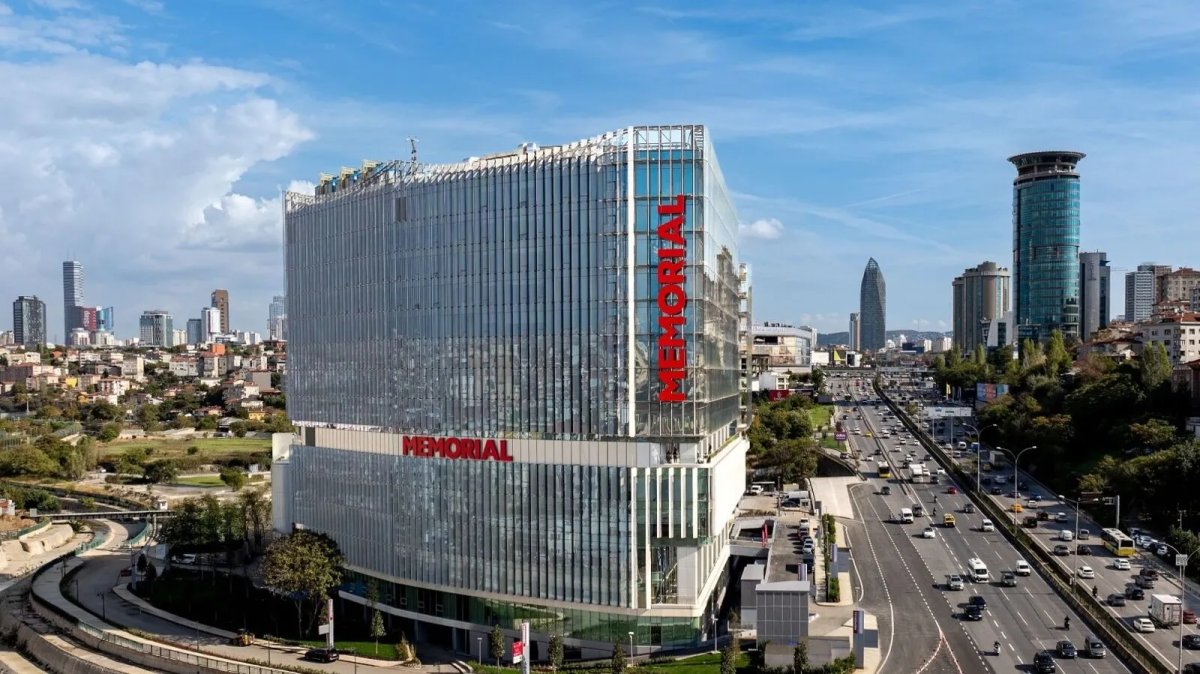
Memorial Göztepe Hospital


Memorial Ataşehir Hospital
Kamil Yalçın Polat


Memorial Ankara Hospital

Istinye University Liv Hospital Bahcesehir
Tahsin Ozatli


Melanoma surgery Overview in Turkey
- Melanoma surgery - from $3,500This procedure removes skin cancer, ensuring complete disease control and improved recovery.
- Mohs microsurgery - from $6,500This therapy removes skin cancer layer by layer, checking each for cancer cells, ensuring minimal tissue loss.
- Wide excision of melanoma - from $6,300This treatment involves surgically removing skin cancer, specifically ensuring a clean, cancer-free margin around it.
Day 1 - Arrival
- Arrive at the clinic.
- Settle in the individual chamber provided.
- Meet with language assistance if needed.
Day 2 - Pre-Operation
- Consultation with dermatologist and oncologist.
- Undertake medical tests including blood tests, biopsy.
- Discuss anesthetics and surgical plan with anesthesiologist.
Day 3 - Surgery
- Undergo Melanoma surgery, usually 1-3 hours.
- Local or general anesthesia applied depending on the case.
- Post-surgery, transfer to recovery room for monitoring.
Day 4-7 - Post-Operation
- Stay in the clinic for recovery and monitoring.
- Regular wound cleaning and dressing changes.
- Consult with doctor for post-operative care instructions.
Week 1-2 - Rehabilitation
- Regular follow-up consultations with the surgeon.
- Begin light physical activity as recommended.
- Resume work after two weeks, depending on recovery.
Week 3-6 - Rehabilitation
- Gradually increase physical activities.
- Return to sports after four to six weeks.
- Final results are typically visible after six weeks.
Please note that these timelines may vary depending on individual recovery rates and the complexity of the surgery.
What patients like:
- Cost. The Melanoma surgery cost in Turkey ranges from $3,500 to $6,000. This is significantly lower than in the USA where it costs up to $30000, or in Germany, with prices starting from $20000.
- Doctor’s professionalism. Turkish doctors often hold international certificates and memberships in global medical associations. Their experience in Melanoma surgeries is vast.
- Service level. Patients appreciate the high level of service in Turkish clinics. Comprehensive care and multilingual staff are standard.
- Melanoma surgery efficacy. Modern techniques, such as minimally invasive surgeries and immunotherapies, are widely used in Turkey, improving surgery outcomes.
- Logistics. Most clinics offer package deals, including accommodation and transportation, making the process seamless for international patients.
What patients don’t like:
- Waiting time. Despite efforts, some patients experience long waiting times for consultations and procedures.
- Logistics issues. Language barriers, cultural differences, and navigating a foreign healthcare system can be challenging.
- Follow-up care. Some patients find follow-up care challenging due to distance and communication barriers.
- Bookimed deposit: $200 or €200.
- Clinic deposit: Pay a set percentage in advance.
Our Trusted Doctors
View all Doctors
Bulent Karagoz
Dr. Bulent Karagoz is a medical oncologist at Anadolu Medical Center in Istanbul. He specializes in immunotherapy and targeted therapies for sarcoma, lymphoma, and lung cancer. Dr. Karagoz provides treatment at a facility affiliated with the prestigious Johns Hopkins Hospital.
- Authored over 40 research publications focusing on tumor biology and immunology.
- Former Head of Internal Diseases at Istanbul Okan University Faculty of Medicine.
- Held leadership roles in medical oncology at GATA Haydarpasa Training Hospital.
- Member of the Turkish Medical Oncology Association and European Head and Neck Society.
Mustafa Solak
Specializes in melanoma surgery with fellowship training at Hacettepe University Cancer Institute – one of Turkey's leading oncology centers.
- Board-certified surgical oncologist with extensive cancer surgery experience
- Trained at MD Anderson Cancer Center – a global leader in cancer care
- Works at Hisar Hospital Intercontinental with advanced surgical facilities
- Treats various cancers including complex melanoma cases

Haluk Duman
Dr. Haluk Duman is a Professor of Plastic Surgery at Anadolu Medical Center in Istanbul. He specializes in reconstructive surgery after cancer, burns, and skin tumors. Dr. Duman completed a high-level fellowship at the MD Anderson Cancer Center in the US. He treats both adult and pediatric patients for complex hand and maxillofacial conditions.
- Published over 60 scientific papers on micro-surgery and aesthetic procedures.
- Member of the World Society for Reconstructive Microsurgery.
- Expert in breast reconstruction, melanoma surgery, and maxillofacial reconstruction.
- Works at Anadolu, a clinic affiliated with Johns Hopkins Hospital.
Tahsin Ozatli
Associate Professor Tahsin Ozatli specializes in breast, lung, and gastrointestinal cancers, seeing patients at Istinye Liv University Hospital.
- Internal Medicine Specialist with experience at multiple hospitals in Turkey
- Promoted to Associate Professor in 2016
- Treats a variety of cancers with a focus on comprehensive care
Video Stories from Bookimed Patients
Reviews about Bookimed: Discover Patients' Insights
All reviewsShare this content
 Anna Leonova
FAQ about Melanoma surgery in Turkey
Am I a suitable candidate for melanoma surgery?
You are a suitable candidate for melanoma surgery if the cancer is localized, typically stage 0 to II, or stage III involving regional lymph nodes. Evaluation requires assessing tumor thickness, location, and your ability to undergo anesthesia at JCI-accredited facilities like Anadolu Medical Center.
- Melanoma stage: Standard for stages 0–III; helps prevent further spread to internal organs.
- Tumor thickness: Critical for Breslow depth; lesions over 1 mm usually require sentinel node biopsy.
- Surgical techniques: Options include wide local excision or Mohs microsurgery for sensitive facial areas.
- Health status: Candidates must have stable heart health and controlled chronic conditions like diabetes.
Bookimed Expert Insight: Data from 8,000+ requests shows international suitability drops from 90% to 60% after expert review. To avoid unnecessary travel, ship your biopsy slides to Istanbul for a pre-operative pathology review. Professor Haluk Duman at Anadolu Medical Center specializes in post-cancer reconstruction, which is vital for facial tumors.
Patient Consensus: Many patients emphasize that getting a second opinion in Turkey happened in under 1 week. They strongly advise bringing English pathology reports and budgeting for a sentinel node biopsy if the tumor is deep.
Which Turkish hospitals are best for melanoma surgery?
Top Turkish hospitals for melanoma surgery include Anadolu Medical Center, Memorial Şişli Hospital, and Medipol Mega University Hospital. These JCI-accredited facilities offer advanced surgical oncology, including Mohs microsurgery and sentinel lymph node biopsy, often following American treatment protocols through prestigious international affiliations.
- Anadolu Medical Center: Affiliated with Johns Hopkins Medicine, providing U.S. standard surgical oncology and reconstruction.
- Memorial Şişli Hospital: First JCI-accredited Turkish hospital featuring advanced robotic systems for precise tumor removal.
- Medipol Mega University: High-volume center utilizing Da Vinci robotic technology and complex microvascular tissue grafting.
- Hisar Intercontinental Hospital: Features oncology specialists with training from the MD Anderson Cancer Center.
Bookimed Expert Insight: While many hospitals offer general oncology, Anadolu Medical Center stands out because it holds both OECI and ESMO certifications. This combination is rare in the region and confirms that their surgical and medical protocols meet strict European quality benchmarks. Patients seeking complex reconstruction should note that Prof. Dr. Haluk Duman at Anadolu brings over 35 years of specialized experience in skin tumor surgery.
Patient Consensus: Accuracy in initial pathology and Breslow depth measurement is the top priority for patients to ensure correct staging. Many suggest prioritizing centers that explicitly offer integrated sentinel lymph node biopsies and long-term surveillance with PET scans.
What qualifications should I look for when choosing a melanoma surgeon in Turkey?
Select a melanoma surgeon in Turkey certified by the Turkish Medical Association and the Turkish Society of Plastic Reconstructive and Aesthetic Surgery. Priority should go to Professor-level specialists with fellowships from international oncology centers like MD Anderson and hospitals holding Joint Commission International accreditation.
- Professional registration: Verify mandatory registration with the Turkish Medical Association for legal practice.
- Academic titles: Look for Prof. Dr. or Doç. Dr. indicating senior clinical leadership.
- Specialized fellowships: Prioritize surgeons with advanced training from the University of Texas MD Anderson.
- Hospital credentials: Ensure the facility has Joint Commission International (JCI) or OECI cancer certification.
Bookimed Expert Insight: Top Turkish oncology hubs like Anadolu Medical Center maintain formal affiliations with Johns Hopkins Medicine. This connection ensures your surgical plan follows the same strict pathology and staging protocols used in the United States. Choosing an affiliated center often provides access to multidisciplinary tumor boards for complex melanoma cases.
Patient Consensus: Patients emphasize the importance of video consultations to confirm a surgeon's English fluency. They also recommend verifying that the hospital performs sentinel lymph node biopsies routinely before finalizing your travel plans.
What surgical techniques are used for melanoma in Turkey?
Surgical techniques for melanoma in Turkey follow international oncological protocols, primarily utilizing wide local excision and sentinel lymph node biopsy. JCI-accredited centers like Anadolu Medical Center and Memorial Şişli Hospital employ advanced methods including Mohs microsurgery, fluorescence-guided excision, and reconstructive grafting to ensure complete tumor removal while preserving function.
- Wide local excision: Surgeons remove the tumor with 1–2 cm margins based on Breslow thickness.
- Sentinel node biopsy: It identifies the first draining lymph node to check for Early metastatic spread.
- Mohs microsurgery: Specialized centers use MART-1 staining for 100% margin control in cosmetically sensitive areas.
- Reconstructive grafting: Surgeons use local flaps or skin grafts to close large defects after excision.
Bookimed Expert Insight: Data shows a clear trend where top-tier Turkish clinics like Anadolu Medical Center leverage direct affiliations with Johns Hopkins Hospital. This allows patients to access US-standard surgical protocols, such as fluorescence-guided excision, at a fraction of the cost. Professor Haluk Duman at Anadolu alone brings 35 years of specialized experience in post-cancer reconstructive surgery.
Patient Consensus: Patients report that surgeries in Istanbul follow the same rigorous margin protocols used in the US. Many emphasize the importance of requesting digital pathology reports to ensure seamless follow-up care with doctors in their home countries.
How long is the recovery timeline after melanoma surgery?
Initial recovery after melanoma surgery in Turkey typically takes 1 to 3 weeks for wound closure and suture removal. While most patients return to non-strenuous work within 3 to 7 days, complete functional recovery and tissue maturation usually require 3 to 12 months.
- Wound closure: Stitches are generally removed 7 to 14 days after the excision procedure.
- Activity limits: Avoid strenuous exercise and heavy lifting for at least 4 to 8 weeks.
- Drain management: Drains from sentinel lymph node dissection are typically removed after 2 to 3 weeks.
- Scar maturation: Surgical scars begin to fade and flatten between 3 to 6 months post-op.
Bookimed Expert Insight: Data from top-tier Istanbul clinics shows that specialized oncology centers, such as Anadolu Medical Center, often utilize surgeons with direct fellowships from the University of Texas MD Anderson Cancer Center. This specific expertise in reconstructive microsurgery, shared by several Turkish professors, often results in more refined aesthetic outcomes and faster healing protocols for complex skin flap cases.
Patient Consensus: Patients emphasize that elevation and compression garments are essential for minimizing swelling in the first 2 weeks. Many highly recommend scheduling professional lymphatic drainage massages proactively to manage fluid buildup after limb-related procedures.
How long does recovery take after melanoma surgery?
Most patients achieve basic wound healing within 1 to 4 weeks after melanoma surgery. Full recovery, including internal tissue maturation and scar refinement, typically takes 4 to 8 weeks depending on the excision size and whether sentinel lymph node biopsy was performed.
- Hospital stay: Same-day discharge for small excisions; 1–2 days for lymph node involvement.
- Stitch removal: Surgeons typically remove external sutures between 7 and 14 days post-operation.
- Activity limits: Patients return to non-strenuous work in 2 days but avoid exercise for 3 weeks.
- Advanced healing: Mohs micrographic surgery often allows for faster recovery and minimal scarring.
Bookimed Expert Insight: While basic healing finishes in a month, the choice of clinic significantly impacts aesthetic outcomes. Top Istanbul centers like Anadolu Medical Center or Memorial Şişli frequently involve plastic surgeons, such as Dr. Haluk Duman, in the primary excision. This integration ensures reconstructive expertise is applied immediately, which often reduces the need for secondary scar revisions later.
Patient Consensus: Many patients find they can fly home just 1 day after wide excisions. Those undergoing lymph node biopsies suggest booking business class for extra legroom and using compression sleeves to manage initial swelling.
Will there be visible scars after melanoma surgery?
Visible scars are a natural result of melanoma surgery, as any incision into the dermis triggers the body healing response. While permanent, these scars typically fade from red to pale white and flatten significantly over 12 to 18 months, especially when closed using plastic surgery techniques.
- Surgery type: Wide local excision creates larger scars than tissue-sparing Mohs microsurgery procedures.
- Closure method: Multi-layered plastic surgery closures minimize tension and produce a thinner final line.
- Wound management: Silicone gel sheets and strict UV protection prevent permanent darkening of scars.
- Individual healing: Factors like age and genetics influence whether scars become raised or flat.
Bookimed Expert Insight: Turkish oncology centers like Anadolu Medical Center frequently involve plastic surgeons like Prof. Haluk Duman for melanoma closures. This collaboration is a major advantage because plastic surgeons use sub-cuticular suturing. This specific technique hides stitches under the skin surface, significantly reducing the `railroad track` look common in general surgery.
Patient Consensus: Many patients report that while wide excision scars are initially daunting, they fade to thin white lines within a year. Consistent massage and silicone sheets are highlighted as essential for achieving an 80% improvement in appearance.
What is typically included in a Turkish all-inclusive melanoma surgery package?
Turkish all-inclusive melanoma surgery packages typically cover wide excision surgery, 1 to 2 nights of hospitalization in JCI-accredited facilities, and essential pre-operative diagnostics like blood work and ECGs. Most bundles also include VIP airport-to-clinic transfers, dedicated language interpreters, and initial post-operative follow-up consultations.
- Surgical techniques: Packages cover wide excision or Mohs microsurgery from $6,500.
- Hospital stay: Includes 1 or 2 nights in private rooms with nursing and meals.
- Logistics support: Provides private round-trip airport transfers and 24/7 personal coordination during the trip.
- Clinical diagnostics: Standard inclusions feature basic pathology reports and sentinel lymph node biopsy (SLNB).
Bookimed Expert Insight: While many clinics like Anadolu Medical Center offer extensive on-site diagnostics, advanced staging tools like PET-CT or BRAF mutation testing are rarely part of the flat-fee package. Patients can save up to 66% compared to US costs, but should clarify if anesthesia is bundled, as these fees sometimes appear as separate charges.
Patient Consensus: Patients value the seamless coordination but often find that international-standard pathology reports and long-term immunotherapy are separate responsibilities once they return home.