MIBG-scintigraphy in Turkey — Get 3 Top Clinic Matches with Costs


Medically reviewed by
Fahad Mawlood
How Much Does MIBG-scintigraphy Cost in Turkey?
The price for MIBG-scintigraphy in Turkey typically ranges from $1,100 to $1,800. Total costs depend on the scan protocol, the radioisotope used, and the clinic location. Patients save around 74% compared to the US, where this diagnostic costs $5,700 on average. Most procedures occur in Istanbul at specialized nuclear medicine centers.
- Diagnostic vs treatment costs: Diagnostic scans are priced lower than MIBG therapies. MIBG therapy involves much higher doses of radiation and hospital stays.
- Clinic tier and location: Prices in Istanbul are usually 10-15% higher than in smaller cities. These facilities often hold international JCI accreditation.
- Radiopharmaceutical supplies: The availability of the MIBG isotope can impact the final price. Some clinics import the tracer, which may add to the cost.
- Additional imaging: Doctors may combine the scan with CT for better image fusion. This combined PET/CT or SPECT/CT scan increases the overall diagnostic fee.
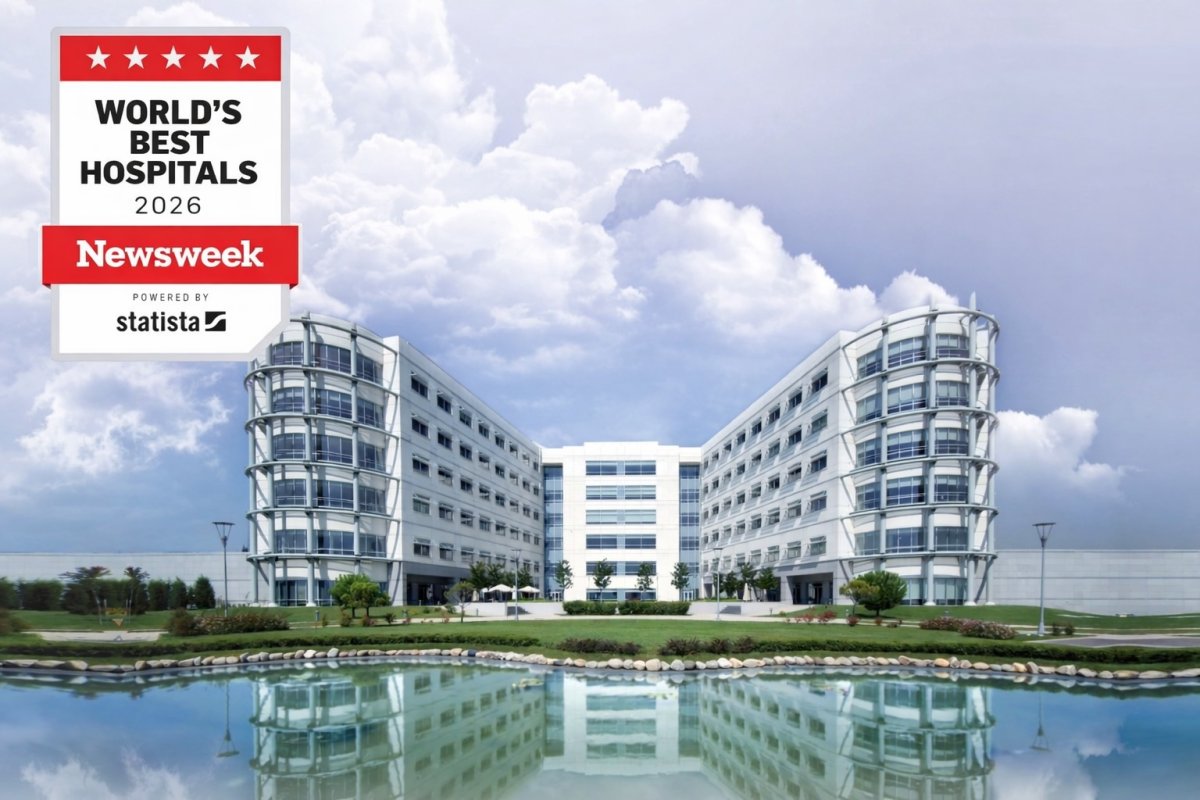
Bookimed Expert Insight: Choosing a facility affiliated with international institutions can provide major medical advantages. Anadolu Medical Center is an affiliate of Johns Hopkins Medicine and serves 65,000 patients annually. Large centers like Medipol Mega University Hospital handle over 1,200 patients every day. These high volumes often lead to more efficient protocols and better diagnostic accuracy. Emsey Hospital was the first to receive health tourism certification from the Turkish Ministry. This ensures a specialized infrastructure for international patients including interpreters and airport transfers.
| Turkey | Austria | Spain | |
|---|---|---|---|
| MIBG-scintigraphy | ≈ $1,100 | ≈ $1,900 | ≈ $1,100 |
Your Benefits and Guarantees with Bookimed
Transparent Prices & Flexible Installments
No hidden fees – just official clinic prices. Pay at the clinic for MIBG-scintigraphy upon arrival and use a flexible installment plan if needed.
Verified Clinics & Doctors Only
Bookimed is committed to your safety. We only work with medical institutions that maintain high international standards in MIBG-scintigraphy and have the necessary licenses to serve international patients worldwide.
Free 24/7 Assistance
Bookimed offers free expert assistance. A personal medical coordinator supports you before, during, and after your treatment, solving any issues. You're never alone on your MIBG-scintigraphy journey.

Your personal Bookimed medical coordinator
- Supports you at every stage
- Helps choose the right clinic and doctor
- Ensures quick and convenient access to information
Discover the Best MIBG-scintigraphy Clinics in Turkey: 3 Verified Options and Prices









Our Doctors
View all Doctors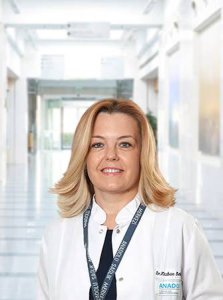
Kezban Berberoglu
Dr. Kezban Berberoglu is a professor of nuclear medicine at Anadolu Medical Center in Istanbul. She completed training at the Johns Hopkins University School of Medicine in Baltimore. Dr. Berberoglu specializes in nuclear oncology and nuclear cardiology. She treats thyroid and prostate cancers using radioisotope therapies. She is a member of the European Association of Nuclear Medicine.
- Performs Lutetium-177 and Actinium-225 therapies for oncology patients.
- Expert in PET-CT imaging using Gallium 68 for oncology cases.
- Member of the Turkish Nuclear Medicine Association cardiology work group.
- Works at an MTQUA Top 10 world hospital affiliated with Johns Hopkins.
Share this content
Video Stories from Bookimed Patients
 Anna Leonova

FAQ about MIBG-scintigraphy in Turkey
When is the best time to travel to Turkey?
The main advantage of Turkish resorts is the long beach season. On the Mediterranean coast, it starts in April and lasts until November. In the resorts of the Aegean Sea — from May to October. The most comfortable time for swimming is from mid-June to the end of October. A large influx of tourists is in July-August, when the air temperature is +38°C, and the water warms up to +27°C.
What is the level of medicine in Turkey?
Healthcare is the key development sector of the Turkish government. The Turkish authorities are convinced that care for the citizens' health should be an absolute priority of state policy and spend about 77 billion liras for healthcare annually.
As a result, 28,000 medical facilities provide excellent medical care in the country. About 50 centers have certificate of JCI (Joint Commission International), the international improver of healthcare quality and safety across the globe. The index of certificates obtained is the largest. To compare, Israel has 20 JCI-accredited facilities, and Germany — only 10 clinics of this type.
What should you know about Turkey before the trip?
| Currency | lira (you also can pay for services in dollars and euros) |
| Best period for the trip | May-October |
| Language | Turkish (most of medical staff speaks English fluently) |
| Visa | is not required for a trip of at least 30 days per visit |
| Time difference with Europe | 3 hours |
| Time difference with the USA | 8 hours |
| Capital | Ankara |
| Medical tourism center | Istanbul |
| Popular resorts | Alanya, Antalya, Kemer, Marmaris |
Do I need a visa?
In 2020, the Republic of Turkey has visa-free agreements with 89 states. Some foreigners are exempted from obtaining entry visas, others are required to receive an electronic visa (e-Visa), and still others must apply for a visa at Turkish missions abroad.
What states need a visa for treatment in Turkey and what countries can cross the border free and easy read here.
What documents are required to apply for a visa to Turkey for treatment?
Visas for travel to Turkey require a number of documents. The necessary papers can be submitted 90 days before the planned departure. Lists of documents includes:
- ID card
- confirmation of online registration and filling out the questionnaire
- certificate of income and availability of funds ($50 per day per person)
- insurance policy for a stay in Turkey (original and copy)
- 2 photos (5x6)
- visa receipt
- booking of flight and hotel
- medical opinion about the need for treatment.
What hotel services are provided here?
In Turkey, hotels of different price ranges and service levels are presented. The level of Turkish hotels is comparable to hotels in Tunisia, Morocco or Egypt. Most tourists choose 4 and 5 star hotels with all-inclusive meals. Such hotels have everything for a comfortable stay: varied food, a large well-groomed territory, animation for children and adults. Some hotels have their own water park, which guests can use for free. Budget travelers can afford to book an economical 3-star hotel with half board or no meals at all.