MRI of Vessels with Contrast in Turkey — Get 3 Top Clinic Matches with Costs

Medically reviewed by
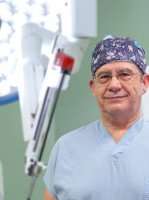
Hasim Ustunsoy
How Much Does MRI of vessels with contrast Cost in Turkey?
MRI of vessels with contrast in Turkey typically costs from $1,200 to $2,000. The final price depends on the specific body area and the type of contrast used. In the United States, patients pay around $2,300 for similar scans. Turkey offers savings of about 30% compared to US averages. Most clinics in Istanbul and Kayseri provide these scans using modern 1.5T or 3T machines.
- Technological tier: Scans using 3T MRI machines often cost more but provide higher image resolution.
- Geographic location: Prices in Istanbul usually align with the national average of $1,200 to $2,000.
- Anatomical focus: Specialized imaging like cardiac or brain angiography may require specific protocols and expert interpretation.
- Contrast agent: The volume and brand of contrast material can influence the total procedure cost.
Bookimed Expert Insight: Choosing a multi-specialty center often provides better value for complex vascular diagnostics. Institutions like Anadolu Medical Center maintain a formal affiliation with Johns Hopkins Hospital. This allows patients to access international medical standards at local prices. Some facilities in Istanbul serve over 1,000,000 patients every year. These high volumes allow clinics to maintain some of the most competitive rates globally. Highly trained specialists there often use advanced techniques like IVUS and FFR for detailed vascular mapping.
| Turkey | Austria | Spain | |
|---|---|---|---|
| MRI of vessels with contrast | from $1,200 | ≈ $480 | from $680 |
Your Benefits and Guarantees with Bookimed
Transparent Prices & Flexible Installments
No hidden fees – just official clinic prices. Pay at the clinic for MRI of vessels with contrast upon arrival and use a flexible installment plan if needed.
Verified Clinics & Doctors Only
Bookimed is committed to your safety. We only work with medical institutions that maintain high international standards in MRI of vessels with contrast and have the necessary licenses to serve international patients worldwide.
Free 24/7 Assistance
Bookimed offers free expert assistance. A personal medical coordinator supports you before, during, and after your treatment, solving any issues. You're never alone on your MRI of vessels with contrast journey.

Your personal Bookimed medical coordinator
- Supports you at every stage
- Helps choose the right clinic and doctor
- Ensures quick and convenient access to information
Discover the Best MRI of vessels with contrast Clinics in Turkey: 17 Verified Options and Prices





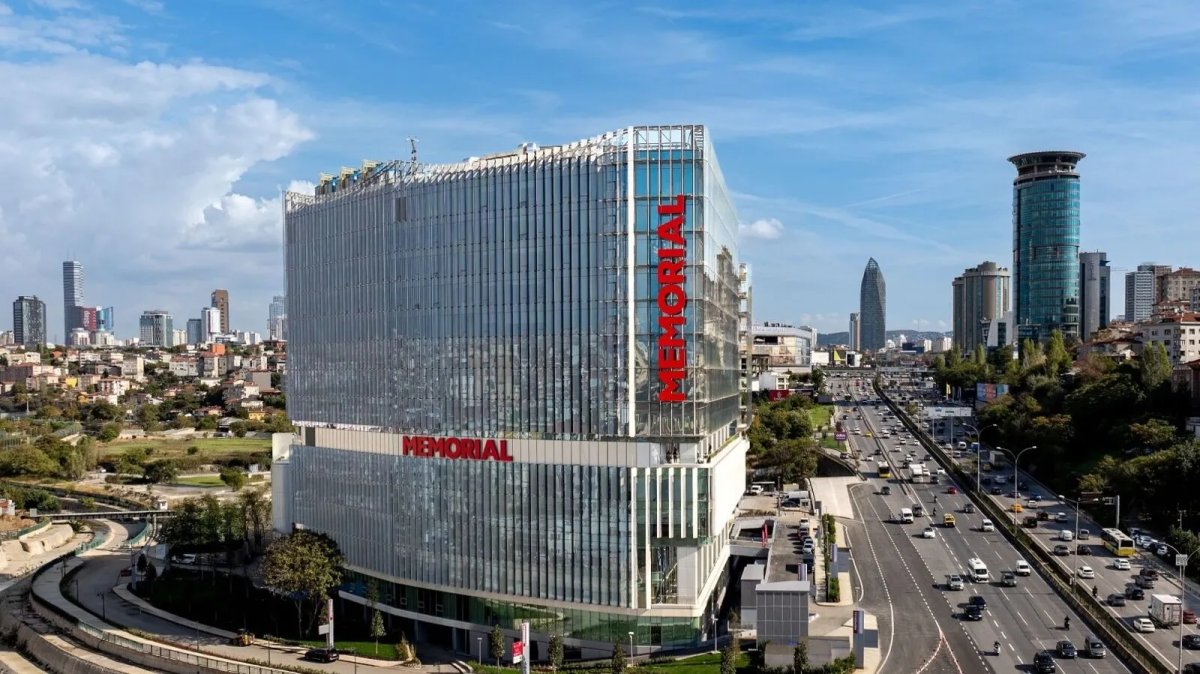
Memorial Göztepe Hospital
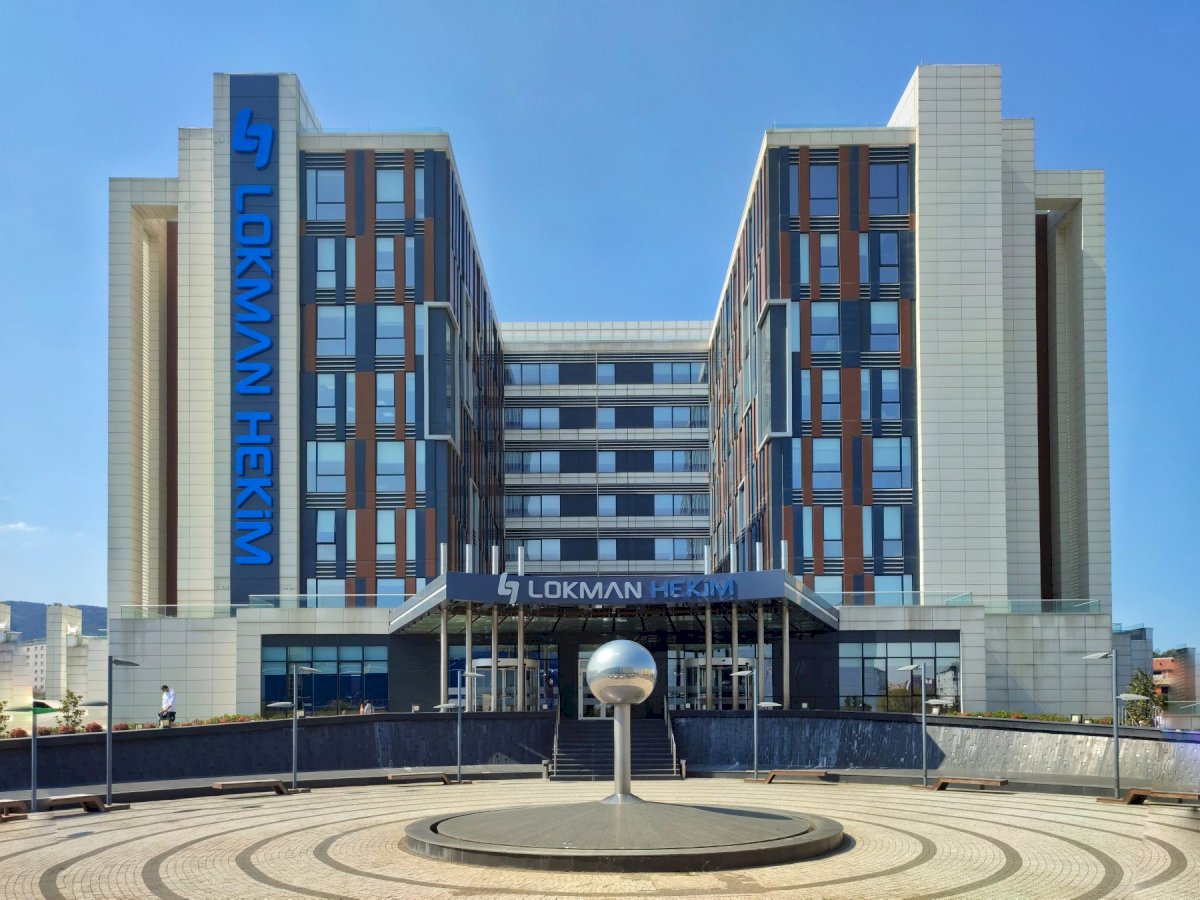

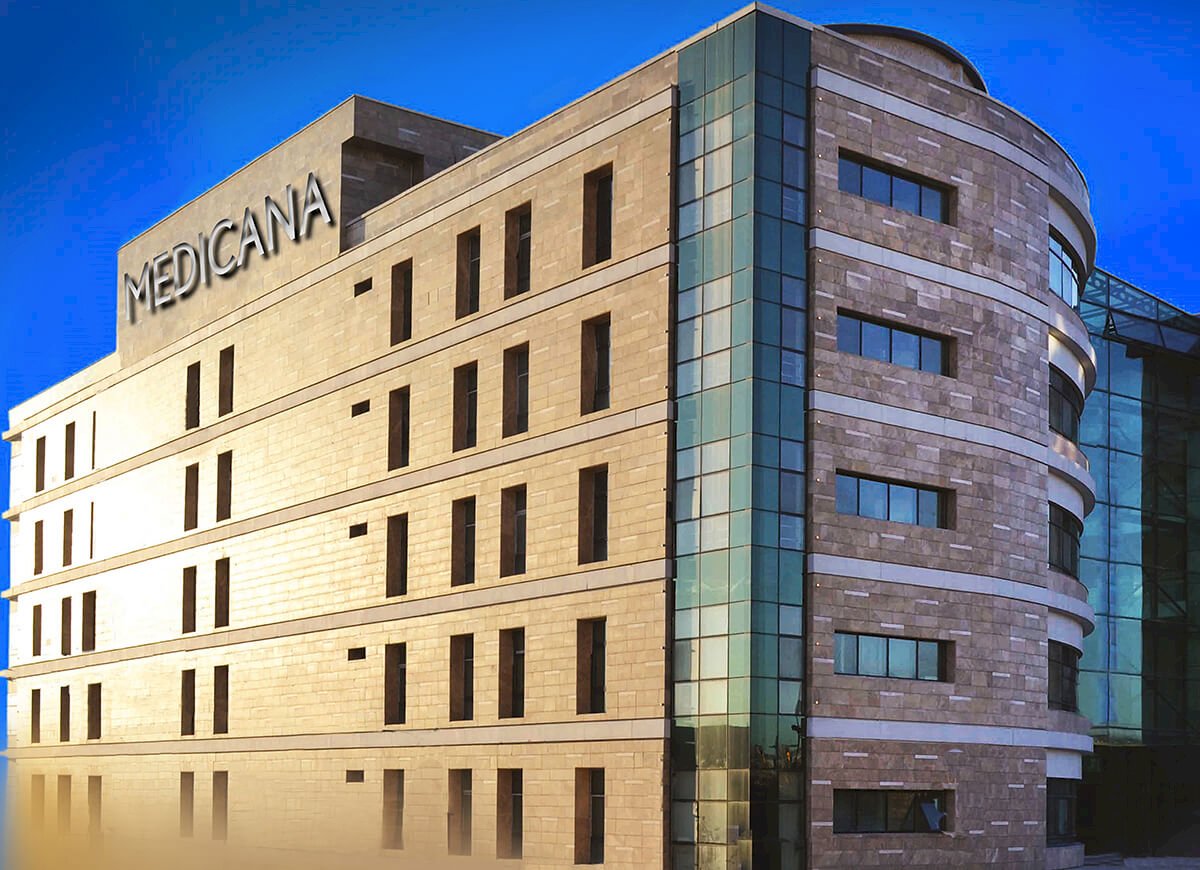
Medicana Sivas Hospital
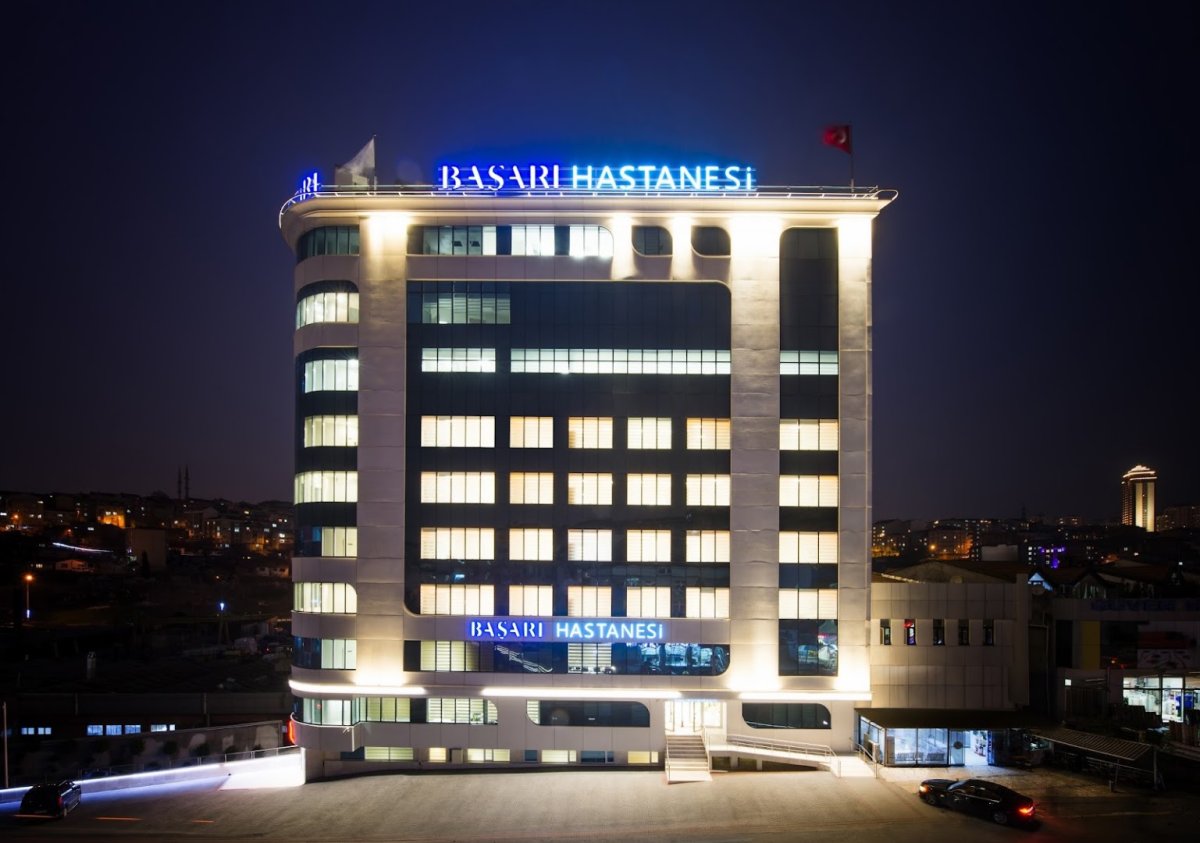


SYSTEM HOSPITAL

Our Doctors
View all Doctors
Ibrahim Halil Tanboga
Professor Ibrahim Halil Tanboga specializes in structural heart diseases. He performs MRI of vessels with contrast at the JCI-accredited Hisar Hospital Intercontinental.
- Completed specialized heart valve training at St Thomas Hospital in London
- Holds a PhD in Biostatistics for advanced medical research and analysis
- Uses high-resolution vessel imaging to diagnose complex coronary artery disease
- Fellow of the European Society of Cardiology
- Treats peripheral artery disease using stents and interventional balloon procedures
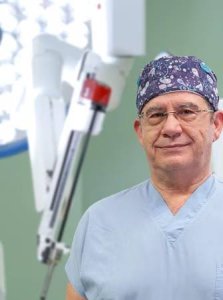
Hasim Ustunsoy
Dr. Hasim Ustunsoy is a cardiac surgeon at Anadolu Medical Center in Istanbul. He pioneered robotic cardiac surgery using the Da Vinci system in Turkey. Dr. Ustunsoy specializes in valve repair and coronary artery bypass. He provides treatment for both adults and children with complex heart conditions.
- Former Head of the Lung Transplant Center at Gaziantep University.
- Completed fellowships at Glasgow University and Columbia University in New York.
- Served as an Associate Professor at Geneva University in Switzerland.
- Member of the International Society for Heart and Lung Transplantation.

Mustafa Saglam
Professor Mustafa Saglam is the Head of Cardiology at Hisar Hospital Intercontinental. He specializes in interventional cardiology and vascular imaging to detect complex heart and artery conditions.
- Performs endovascular repairs – a minimally invasive way to fix artery walls using stents
- Specializes in carotid angioplasty – opening neck arteries to prevent strokes
- Expertise includes MRI of vessels with contrast for precise vascular mapping
- Former Associate Professor at Kartal Kosuyolu High Specialization Training and Research Hospital
- Lead cardiologist at a major JCI-accredited hospital in Istanbul

Yusuf Tavil
Professor Yusuf Tavil leads cardiac care at Medistate Hospital Istanbul. He specializes in vascular diseases and complex heart rhythm disorders.
- Performs carotid angioplasty and stenting to improve blood flow and prevent stroke
- Uses intracranial arterial stenting to treat narrowed vessels in the brain
- Expert in MRI of vessels with contrast for vascular disease evaluation
- Works at Medistate Hospital – a JCI-accredited facility meeting global quality standards
- Performs catheter-based procedures to treat vessels without open-heart surgery
Video Stories from Bookimed Patients
Share this content
 Anna Leonova
FAQ about MRI of vessels with contrast in Turkey
When is the best time to travel to Turkey?
The main advantage of Turkish resorts is the long beach season. On the Mediterranean coast, it starts in April and lasts until November. In the resorts of the Aegean Sea — from May to October. The most comfortable time for swimming is from mid-June to the end of October. A large influx of tourists is in July-August, when the air temperature is +38°C, and the water warms up to +27°C.
What is the level of medicine in Turkey?
Healthcare is the key development sector of the Turkish government. The Turkish authorities are convinced that care for the citizens' health should be an absolute priority of state policy and spend about 77 billion liras for healthcare annually.
As a result, 28,000 medical facilities provide excellent medical care in the country. About 50 centers have certificate of JCI (Joint Commission International), the international improver of healthcare quality and safety across the globe. The index of certificates obtained is the largest. To compare, Israel has 20 JCI-accredited facilities, and Germany — only 10 clinics of this type.
What should you know about Turkey before the trip?
| Currency | lira (you also can pay for services in dollars and euros) |
| Best period for the trip | May-October |
| Language | Turkish (most of medical staff speaks English fluently) |
| Visa | is not required for a trip of at least 30 days per visit |
| Time difference with Europe | 3 hours |
| Time difference with the USA | 8 hours |
| Capital | Ankara |
| Medical tourism center | Istanbul |
| Popular resorts | Alanya, Antalya, Kemer, Marmaris |
Do I need a visa?
In 2020, the Republic of Turkey has visa-free agreements with 89 states. Some foreigners are exempted from obtaining entry visas, others are required to receive an electronic visa (e-Visa), and still others must apply for a visa at Turkish missions abroad.
What states need a visa for treatment in Turkey and what countries can cross the border free and easy read here.
What documents are required to apply for a visa to Turkey for treatment?
Visas for travel to Turkey require a number of documents. The necessary papers can be submitted 90 days before the planned departure. Lists of documents includes:
- ID card
- confirmation of online registration and filling out the questionnaire
- certificate of income and availability of funds ($50 per day per person)
- insurance policy for a stay in Turkey (original and copy)
- 2 photos (5x6)
- visa receipt
- booking of flight and hotel
- medical opinion about the need for treatment.
What hotel services are provided here?
In Turkey, hotels of different price ranges and service levels are presented. The level of Turkish hotels is comparable to hotels in Tunisia, Morocco or Egypt. Most tourists choose 4 and 5 star hotels with all-inclusive meals. Such hotels have everything for a comfortable stay: varied food, a large well-groomed territory, animation for children and adults. Some hotels have their own water park, which guests can use for free. Budget travelers can afford to book an economical 3-star hotel with half board or no meals at all.