Removable veneers in Turkey — get 3 top clinic matches with costs


Medically reviewed by
Fahad Mawlood
How it works
How Much Does Removable veneers Cost in Turkey?
Removable veneers in Turkey typically cost from $280 to $800. The final price depends on whether you choose a single arch or a full set, as well as the clinic location in hubs like Istanbul, Antalya, or Izmir. Patients save around 78% compared to the US, where similar snap-on options average $2,500.
- Single arch snap-on: Costs generally range from $350 to $570 for one row of teeth.
- Full set (upper and lower): Expect to pay more for complete coverage of both dental arches.
- City location: Prices in major medical hubs like Istanbul or Antalya often run 15-20% higher.
- Package inclusions: Many clinics bundle the veneers with VIP transfers and luxury hotel stays.
Bookimed Expert Insight: While removable veneers are a fast cosmetic fix, choosing a high-volume center adds significant value. For instance, Medipol University Ankara Dental Hospital treats 35,000 patients annually and holds Turkish Medical Association (TMA) accreditation. Seeking experts like Dr. Gunay Uygun Gurbuz, who has 25 years of experience in removable restorations, ensures a better fit and more natural aesthetic result.
| Turkey | The UK | The USA | |
|---|---|---|---|
| Removable veneers | from $280 | ≈ $1,100 | ≈ $1,200 |
Discover the Best Removable veneers Clinics in Turkey: 35 Verified Options and Prices

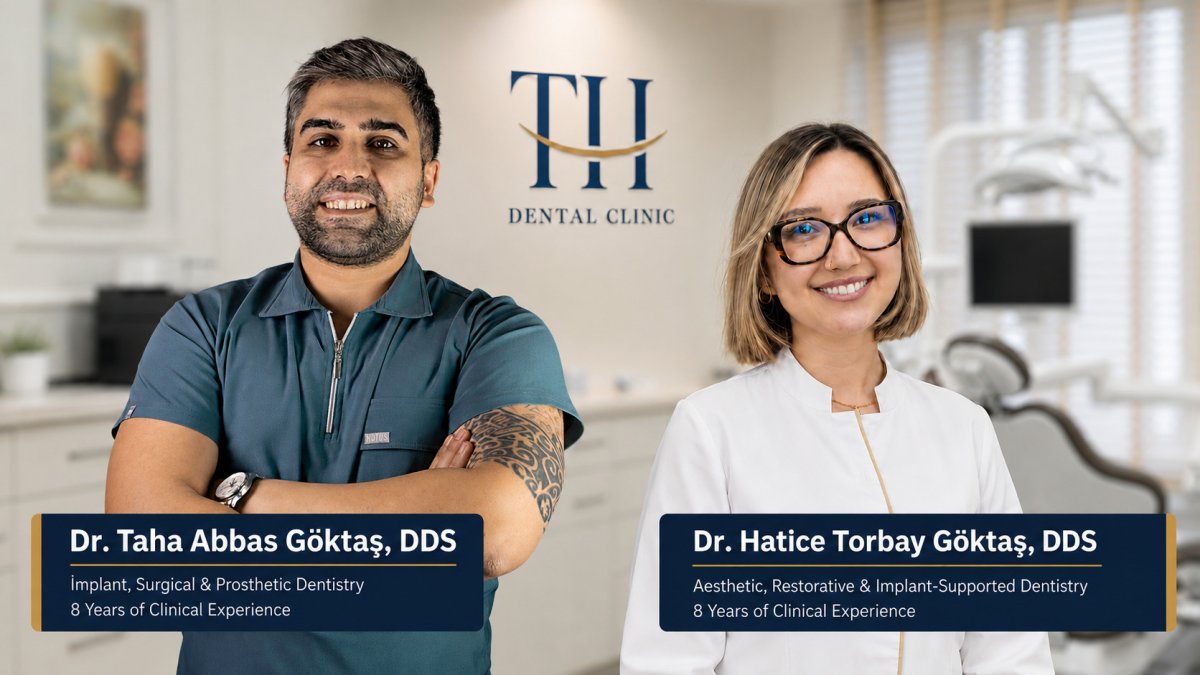
TH Dental Clinic
Taha Abbas Goktas






Memorial Şişli Hospital
Asli Tapan Kavusturan




İstinye Dental Hospital
Mustafa Orkun Ertugrul




Removable veneers Overview in Turkey
- Removable veneers - from $280The procedure offers temporary teeth enhancement, easily attached and removed, providing an improved, beauty-boosting smile.
Day 1
- Arrive in the country and check into your accommodation.
- Visit the clinic for a preliminary consultation.
- Meet with the dental specialist for an oral examination.
Day 2
- Undergo dental X-rays if needed.
- Receive your custom-made removable veneers plan.
Day 3
- Visit the clinic for the veneers fitting session.
- Understand the correct usage and care instructions.
Day 4-7
- Stay in the country for follow-up visits if required.
- Begin adapting to your new removable veneers.
Week 2
- Return home and continue daily care of veneers.
- Visit local dentist for a follow up if necessary.
Week 3-4
- Resume normal eating and drinking habits.
- Return to work, sports and other activities.
Please note that each patient"s case is unique and the timeline may vary slightly.
- Bookimed deposit: $200 or €200.
- Clinic deposit: Pay a set percentage in advance.
Our Trusted Doctors
View all DoctorsTaha Abbas Goktas
Dr. Taha Abbas Göktaş is the founder of TH Dental Clinic in Istanbul. He specializes in implant surgery and aesthetic dentistry, integrating both into a single treatment plan. Dr. Göktaş uses restoratively-driven planning, where the final smile design determines the implant position. He holds a license for international health tourism from the Turkish Ministry of Health.
- Co-authored implantology research in the International Journal of Oral & Maxillofacial Implants.
- Performs bone grafting and sinus lifts for patients with bone loss.
- Performs full-arch rehabilitations using All-on-4 and All-on-6 protocols.
- Speaks seven languages, including English, Arabic, French, and Russian.
Mustafa Orkun Ertugrul
Specializes in removable veneers and smile design – Dr. Ertugrul brings precision and aesthetic expertise to his practice at İstinye Dental Hospital.
- Certified in direct composite veneers techniques
- Trained in restorative dentistry at Dicle University
- Member of the Restorative Dentistry Association
- Published research on aesthetic restorative materials
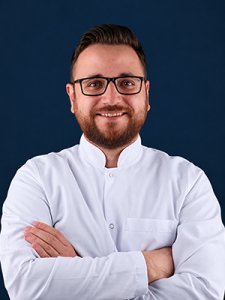
Muhammed Nur Elmedeni
Accreditation: Bachelor's degree in Dentistry from Recep Tayyip Erdoğan University (2021). Training included clinical dentistry, dental diagnosis, treatment planning, restorative care, and patient-centered oral care.
Practice focus: Comprehensive care at Mira Clinic. Services include restorative dentistry, crown treatments, aesthetic dentistry, and general procedures. Each case begins with a careful evaluation and clear treatment options. Plans are precise and aim for natural-looking results tailored to each patient.
Asli Tapan Kavusturan
Dr. Asli Tapan Kavusturan brings over 26 years of dental expertise with a focus on prosthodontics at Memorial Sisli Hospital.
- Specializes in removable veneers and prosthetic dentistry
- Member of the International Team for Implantology (ITI)
- Trained at Ege University, one of Turkey's top dental schools
- Active participant in international dental congresses and seminars
- Practices at Memorial Sisli Hospital, a leading healthcare institution
Video Stories from Bookimed Patients
Reviews about Bookimed: Discover Patients' Insights
All reviews

Share this content
 Anna Leonova

FAQ about Removable veneers in Turkey
What are removable veneers?
Removable veneers are non-invasive, custom-made dental shells that snap over natural teeth to instantly improve aesthetics. These cosmetic prosthetics hide gaps, stains, or chips without drilling or permanent enamel removal. Turkish clinics typically use 3D scanning and high-quality dental resin to create these temporary smile makeovers.
- Procedure type: Non-invasive cosmetic alternative requiring no shots, drilling, or permanent dental alterations.
- Material used: Durable dental resin or thin acrylic shells designed for a secure snap-on fit.
- Cost savings: Patients save 78% compared to the US average cost of $2,500.
- Typical lifespan: Temporary solution lasting 1 to 5 years depending on maintenance and habits.
Bookimed Expert Insight: While marketed as a long-term fix, our data shows top Turkish centers like Istinye Dental Hospital use 3D molding primarily for `trial smiles.` This allows you to test a new look before committing to permanent porcelain. Because the cost in Turkey ranges from $280 to $800, it is a low-risk way to preview results.
Patient Consensus: Many find these perfect for short-term events or photoshoots, though some report a temporary lisp. Most recommend removing them while eating to prevent damage and staining the resin surface.
Are there any risks to getting removable veneers in Turkey?
Removable veneers in Turkey provide a non-surgical aesthetic update, but they carry functional risks like enamel wear, gum irritation, and plaque buildup. Significant risks include bite misalignment and the lack of long-term follow-up care. Choosing JCI-accredited clinics and experienced dentists helps mitigate these complications.
- Enamel erosion: Constant friction between the appliance and teeth can wear down protective tooth enamel.
- Hygiene concerns: Trapped food and bacteria may lead to bad breath or rapid tooth decay.
- Bite misalignment: Extra layers over natural teeth can cause jaw pain or joint disorders.
- Limited lifespan: Most removable sets last only 6 to 18 months before requiring replacement.
Bookimed Expert Insight: While many seek removable options to avoid `Turkey Teeth` shaving, durability is the primary trade-off. Our data shows patients budget $200 to $500 for replacements every year. For lasting results without permanent damage, consult dentists like Gunay Uygun Gurbuz who specialize in metal-free restorations.
Patient Consensus: Patients often describe these as a breeding ground for plaque without obsessive nightly cleaning. Many report the veneers look bulky or fake, frequently cracking within just 3 months of use.
How long do removable veneers last?
Removable veneers typically last 1 to 5 years depending on material quality and daily wear habits. While premium crystallized resin models can reach 5 years, standard versions used for daily eating and drinking often require replacement within 12 to 24 months due to mechanical wear.
- Material durability: High-end resin lasts 3–5 years; budget models often degrade after 12 months.
- Usage impact: Daily wear for eating reduces lifespan compared to occasional cosmetic use.
- Maintenance requirements: Nightly cleaning with effervescent tablets prevents bacterial buildup and material warping.
- Structural risks: Biting hard foods or accidental drops can cause cracks within 3 months.
Bookimed Expert Insight: Data from Turkish clinics shows patients often choose removable options as a diagnostic step. Specialized doctors like Dr. Ufuk Zeren at Ata Health Center have treated over 30,000 patients, often transitioning them from temporary removable sets to permanent porcelain veneers once the desired aesthetic is confirmed.
Patient Consensus: Many patients report noticeable staining or loosening within 6 to 12 months. They emphasize that while convenient, these are temporary solutions requiring meticulous storage and dry handling to avoid odors.
Is the procedure reversible?
Removable veneers in Turkey are physically reversible because they clip over natural teeth without permanent bonding. However, most cosmetic versions require tooth enamel reduction or filing to ensure a natural fit. This preparation permanently alters your tooth structure and remains irreversible despite the veneers being removable.
- Tooth preparation: Most cases require enamel filing, making the underlying changes permanent.
- Structural impact: Removing enamel can lead to lifelong tooth sensitivity to temperature.
- Device mechanics: The appliance itself is removable, similar to a dental retainer.
- Long-term commitment: Once teeth are shaped, you must wear veneers or crowns forever.
Bookimed Expert Insight: While clinics like Soraca Med and Medipol University Ankara serve thousands of patients, the term removable often refers to the device, not the procedure. Data shows costs in Turkey range from $280 to $800, but skipping the permanent prep usually results in a bulky, unnatural appearance.
Patient Consensus: Patients warn that underlying tooth grinding is a permanent change that cannot be undone. They recommend confirming in writing whether your teeth will be ground down before starting treatment.
Can I eat with removable veneers on?
Eating with removable veneers is possible but depends on the material quality. Premium crystallized resin versions allow for most everyday foods, while budget copolyester models are strictly for cosmetic use. Choosing soft textures and avoiding high heat prevents warping, cracking, or accidental dislodging during meals.
- Food selection: Stick to soft items like pasta, eggs, and white fish to prevent damage.
- Items to avoid: Steer clear of nuts, tough meats, and crunchy snacks like apples or popcorn.
- Chewing technique: Use back molars only to distribute pressure and avoid biting with front teeth.
- Cleaning protocol: Remove and rinse the appliance immediately after eating to prevent bacterial buildup.
Bookimed Expert Insight: Data from Turkish clinics like Medipol University Ankara Dental Hospital suggests that while these are non-surgical, their longevity varies wildly. High-volume centers often provide resin-based versions that handle moderate chewing better than the 3–6 month temporary sets found in budget packages. If you plan to eat regularly with them, prioritize university-affiliated clinics that use medical-grade crystallized resins over basic thermoplastic materials.
Patient Consensus: Many patients report an initial bulky feeling and advise starting with very soft foods like yogurt. They emphasize that food frequently traps underneath, requiring immediate removal and cleaning to avoid irritation or bad breath.
Can I eat with removable veneers?
You can eat with removable veneers, but they are designed primarily for light meals and soft foods. These clip-on or snap-on solutions from Turkish clinics like Medipol University Ankara Dental Hospital are less durable than natural teeth and risk cracking or shifting under heavy pressure.
- Food selection: Stick to soft items like pasta, scrambled eggs, mashed potatoes, and soft bread.
- Chewing technique: Use back molars for chewing to avoid putting direct pressure on front resin.
- Items to avoid: Skip hard, sticky, or tough foods like nuts, steak, apples, and crunchy pizza.
- Post-meal hygiene: Remove and rinse the appliance immediately after eating to prevent bacterial buildup and staining.
Bookimed Expert Insight: While these devices cost between $280 and $800 in Turkey, they are best viewed as temporary cosmetic tools rather than functional replacements. Data from high-volume centers like CE International Hospital suggests that using them for daily meals significantly shortens their 6–12 month expected lifespan. If you plan to eat normally, consider saving the 78% difference from US prices toward permanent porcelain options instead.
Patient Consensus: Patients often find eating tricky and report that food particles get trapped easily, causing discomfort. Many recommend keeping them for Photoshoots or social events rather than relying on them for dinner dates or firm foods.
Are removable veneers better than permanent veneers?
Choosing between removable and permanent veneers depends on your long-term goals and budget. Permanent veneers offer a durable, natural-looking transformation using porcelain or composite materials. Removable snap-on versions provide a non-invasive, temporary aesthetic boost but lack the functionality and longevity of bonded restorations.
- Durability: Permanent veneers last 10–20 years while removable options typically fail within 1 year.
- Functionality: Custom permanent restorations allow normal eating; removable sets often require removal during meals.
- Reversibility: Snap-on veneers require no dental shaving, making them fully reversible and non-surgical treatments.
- Aesthetics: Porcelain mimics natural enamel light reflection, whereas removable versions can appear bulky or artificial.
Bookimed Expert Insight: Patients often view removable veneers as a cost-saving shortcut, but our data suggests a different reality. While a full removable set in Turkey costs $280 to $800, the frequent replacement needs often exceed the one-time cost of permanent solutions. Clinics like CE International Hospital and Memorial Bahçelievler Hospital specialize in permanent restorations for a reason: the 90% success rates and long-term patient satisfaction outweigh the short-term savings of snap-ons.
Patient Consensus: Many travelers initially consider removable options as budget-friendly alternatives but frequently report they feel uncomfortable or like `Instagram bait.` Most patients transitioning to permanent veneers express no regrets despite the initial enamel preparation, favoring the stability and natural feel.