Removal of rhabdomyosarcoma in Turkey — get 3 personalized clinic matches


Medically reviewed by
Fahad Mawlood
How it works
How Much Does Removal of rhabdomyosarcoma Cost in Turkey?
Removal of rhabdomyosarcoma in Turkey typically costs from $3,000 to $11,000. Total expenses depend on the tumor location, surgical technique, and the required length of hospitalization. In the US, similar procedures cost around $65,000 on average. Turkey offers savings of around 89%. Most specialized pediatric oncology centers are located in Istanbul and Ankara.
- Tumor complexity: High-complexity cases in the skull base or pelvis can increase costs by 50-60%.
- Robotic-assisted surgery: Using the Da Vinci system typically adds a 20-30% premium over standard surgery.
- Diagnostics and imaging: Budgeting for PET/CT and biopsies adds approximately $1,500 to $3,000 to total costs.
- Hospitalization tier: ICU care costs about double the daily rate of a standard ward stay.
Bookimed Expert Insight: Choosing a facility with JCI and OECI accreditations ensures peak oncology standards at competitive rates. Anadolu Medical Center balances costs with top-tier care through its Johns Hopkins Medicine affiliation. For pediatric cases, Medipol Mega is a standout choice due to its high volume of blood disorder treatments. Packages at Hisar Hospital often include 20 recovery nights, providing significant value for international families.
| Turkey | Austria | Spain | |
|---|---|---|---|
| Removal of rhabdomyosarcoma | from $3,000 | ≈ $14,500 | from $33,200 |
| Complex treatment of rhabdomyosarcoma | ≈ $22,000 | ≈ $75,000 | ≈ $38,000 |
Discover the Best Removal of rhabdomyosarcoma Clinics in Turkey: 8 Verified Options and Prices


Memorial Şişli Hospital
Betul Tavil




Hisar Hospital Intercontinental
Ali Gozukucuk


Associate Professor M. Derda Ozer DERDA SAGLIK HIZMETLERI
Muhammet Derda Ozer





Removal of rhabdomyosarcoma Overview in Turkey
- Removal of rhabdomyosarcoma - from $3,000The procedure entails surgically removing a fast-growing, cancerous muscle tumor, improving patient health outcomes.
Day 1 - Arrival
- Arrival at the medical facility.
- Registration and initial patient assessment.
Day 2 - Pre-operation
- Consultation with an oncologist and surgeon.
- Full body scan and blood tests are conducted.
- CT scan or MRI may be required.
- Discussion on operation process and recovery.
Day 3 - Surgery
- Rhabdomyosarcoma removal surgery is performed.
- The surgery lasts about 3-5 hours.
- General anesthesia is used during the procedure.
Day 4 - Post-operation
- Post-operative care in the intensive care unit (ICU).
- Patient"s vital signs are closely monitored.
- Pain management is provided.
Day 5 till Day 7
- Transfer to a regular ward.
- Physiotherapy begins to prevent complications.
- Discharge planning begins.
Week 1 - Rehabilitation
- Home care and light activity are recommended.
- Follow-up appointment with the surgeon.
Week 2 to Week 6
- Increase in activity level is advised.
- Gradual return to work may be possible.
Week 7 onwards
- Resume normal activities as tolerated.
- Final results are typically seen by week 12.
Please note that each patient"s recovery time and progression will vary. Always follow your doctor"s advice for post-operative care and rehabilitation.
- Bookimed deposit: $200 or €200.
- Clinic deposit: Pay a set percentage in advance.
Our Doctors
View all DoctorsMuhammet Derda Ozer
Associate Professor Ozer specializes in ocular oncology, with extensive training at Wills Eye Institute – a global leader in eye cancer treatment.
- Presented research on primary ophthalmic rhabdomyosarcoma at national congresses
- Completed a prestigious ICO-STAAR Surgical Fellowship in vitreo-retinal surgery
- Board-certified ophthalmologist with multiple ICO examination certifications
- Active member of Turkish Ophthalmological Association's Young Ophthalmologist Council
Ali Gozukucuk
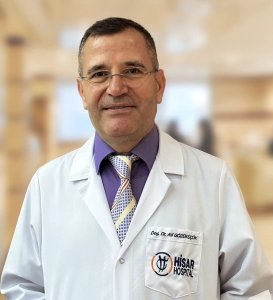
Dr. Ali Gozukucuk is a pediatric surgeon at Hisar Hospital Intercontinental in Istanbul. He completed a specialized fellowship in pediatric surgery at Erciyes University. Dr. Gozukucuk treats children for conditions like hernias, appendicitis, and congenital defects. He works at a JCI-accredited hospital that serves over 500,000 patients annually.
- Specializes in treating inguinal hernias, umbilical hernias, and ankyloglossia.
- Published three articles in international peer-reviewed medical journals.
- Presented 13 research papers at international scientific meetings.
- Performs pediatric urological and cardiac surgical procedures.
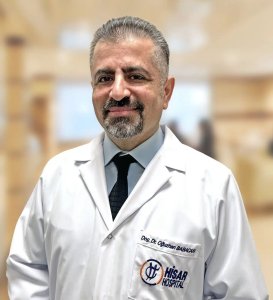
Oguzhan Babacan
Dr. Oguzhan Babacan is a pediatric hematologist-oncologist at Hisar Hospital Intercontinental in Istanbul. He specializes in bone marrow transplantation for children with leukemia and lymphoma. Dr. Babacan has performed allogeneic, autologous, and haploidentical stem cell transplants for 13 years. He treats rare blood disorders and solid tumors in pediatric patients.
- Performs complex bone marrow transplants for leukemia and lymphoma cases.
- Treats childhood blood disorders like thalassemia, hemophilia, and aplastic anemia.
- Expertise in pediatric oncology, including neuroblastoma and Ewing's sarcoma.
- Works at Hisar Hospital, a JCI-accredited facility in Turkey.

Ali Ihsan Anadolulu
Prof. Dr. Ali Ihsan Anadolulu specializes in pediatric gastrointestinal surgery at Central Hospital, focusing on minimally invasive techniques.
- Expert in pediatric colorectal and pelvic floor disorders
- Skilled in treating anorectal malformations
- Participates in clinical research and education
Video Stories from Bookimed Patients
Reviews about Bookimed: Discover Patients' Insights
All reviews
Share this content
 Anna Leonova

FAQ about Removal of rhabdomyosarcoma in Turkey
When is the best time to travel to Turkey?
The main advantage of Turkish resorts is the long beach season. On the Mediterranean coast, it starts in April and lasts until November. In the resorts of the Aegean Sea — from May to October. The most comfortable time for swimming is from mid-June to the end of October. A large influx of tourists is in July-August, when the air temperature is +38°C, and the water warms up to +27°C.
What is the level of medicine in Turkey?
Healthcare is the key development sector of the Turkish government. The Turkish authorities are convinced that care for the citizens' health should be an absolute priority of state policy and spend about 77 billion liras for healthcare annually.
As a result, 28,000 medical facilities provide excellent medical care in the country. About 50 centers have certificate of JCI (Joint Commission International), the international improver of healthcare quality and safety across the globe. The index of certificates obtained is the largest. To compare, Israel has 20 JCI-accredited facilities, and Germany — only 10 clinics of this type.
What should you know about Turkey before the trip?
| Currency | lira (you also can pay for services in dollars and euros) |
| Best period for the trip | May-October |
| Language | Turkish (most of medical staff speaks English fluently) |
| Visa | is not required for a trip of at least 30 days per visit |
| Time difference with Europe | 3 hours |
| Time difference with the USA | 8 hours |
| Capital | Ankara |
| Medical tourism center | Istanbul |
| Popular resorts | Alanya, Antalya, Kemer, Marmaris |
Do I need a visa?
In 2020, the Republic of Turkey has visa-free agreements with 89 states. Some foreigners are exempted from obtaining entry visas, others are required to receive an electronic visa (e-Visa), and still others must apply for a visa at Turkish missions abroad.
What states need a visa for treatment in Turkey and what countries can cross the border free and easy read here.
What documents are required to apply for a visa to Turkey for treatment?
Visas for travel to Turkey require a number of documents. The necessary papers can be submitted 90 days before the planned departure. Lists of documents includes:
- ID card
- confirmation of online registration and filling out the questionnaire
- certificate of income and availability of funds ($50 per day per person)
- insurance policy for a stay in Turkey (original and copy)
- 2 photos (5x6)
- visa receipt
- booking of flight and hotel
- medical opinion about the need for treatment.
What hotel services are provided here?
In Turkey, hotels of different price ranges and service levels are presented. The level of Turkish hotels is comparable to hotels in Tunisia, Morocco or Egypt. Most tourists choose 4 and 5 star hotels with all-inclusive meals. Such hotels have everything for a comfortable stay: varied food, a large well-groomed territory, animation for children and adults. Some hotels have their own water park, which guests can use for free. Budget travelers can afford to book an economical 3-star hotel with half board or no meals at all.