Stereotaxic surgeries in Turkey — get 3 personalized clinic matches


Medically reviewed by
Fahad Mawlood
How it works
How Much Does Stereotaxic surgeries Cost in Turkey?
Stereotaxic surgeries in Turkey typically cost from $6,000 to $8,400. The final price depends on the procedure type, such as diagnostic biopsy or radiosurgery, and the specific technology used. In the US, similar procedures cost around $43,000 on average. Patients save around 83% compared to US prices. These costs generally include neurosurgeon consultations, advanced neuroimaging like contrast MRI, and initial hospital stays.
- Stereotactic radiosurgery: Typically ranges between 20-30% more for robotic systems like CyberKnife vs standard LINAC.
- Stereotactic biopsy: Often bundled into packages including preoperative framed MRI, postoperative CT, and frozen pathology.
- Technology premiums: Advanced platforms such as Gamma Knife or TrueBeam STx typically command higher technical fees.
- Geographic location: Medical hubs like Istanbul often feature slightly different pricing structures compared to Ankara or Izmir.
Bookimed Expert Insight: Choosing JCI-accredited centers in Istanbul provides access to world-class expertise at significant value. For example, Hisar Hospital Intercontinental offers biopsy packages for approximately $3,250. This includes a neurosurgeon with nearly 20 years of experience. Other top-tier options like Anadolu Medical Center are affiliated with Johns Hopkins. These clinics provide high-end technology like the Da Vinci system and specialized Gamma Knife suites.
| Turkey | Austria | Spain | |
|---|---|---|---|
| Stereotaxic surgeries | from $6,000 | ≈ $11,500 | from $13,700 |
Discover the Best Stereotaxic surgeries Clinics in Turkey: 20 Verified Options and Prices
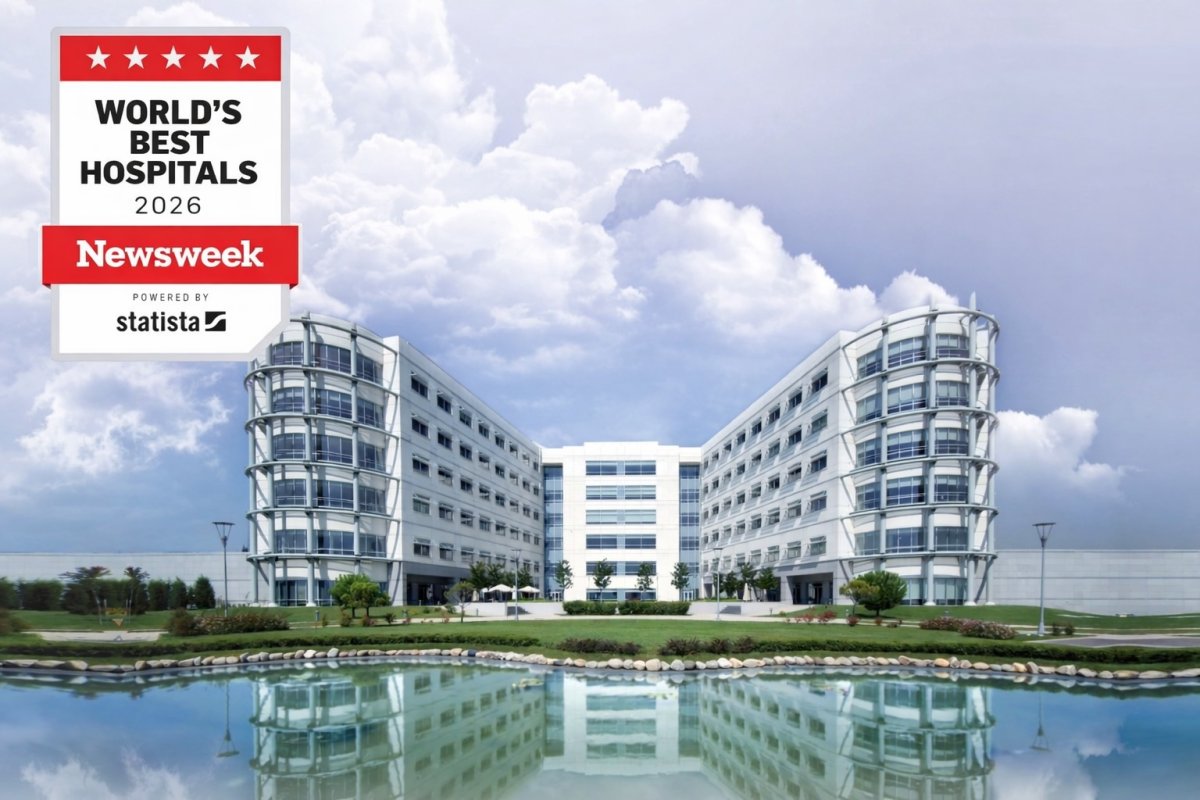








Hisar Hospital Intercontinental
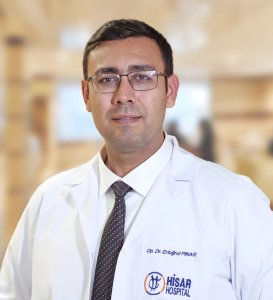
Ertugrul Pinar










Medipol University Parkinson’s and Movement Disorders Center (PARMER)
Mehmet Tonge


Stereotaxic surgeries Overview in Turkey
- Brain tumor removal - from $8,000The surgery extracts harmful growths in the brain, enhancing patient health and reducing symptoms like headaches or seizures.
- Transnasal resection of tumor - from $8,000This operation removes tumors via the nose, reducing recovery time and minimizing surgical scars.
- Stereotaxic surgeries - from $6,000The procedure uses precise coordinates to operate in small brain areas, enhancing accuracy and reducing complications.
- Removal of meningioma - from $9,000The operation aims at surgically eliminating a benign brain tumor, enhancing neurological function and reducing symptoms.
- Resection of glioma - from $10,200The operation removes brain tumors, enhancing patient survival and reducing symptoms, with accuracy and minimal harm.
- Resection of glioblastoma - from $22,000Removal of a malignant brain tumor to control symptoms and prolong life.
- Excision of skull base tumor - from $9,000The procedure removes growths near the skull"s bottom, using surgical techniques, improving patient health and lifespan.
- Pituitary tumor surgery - from $8,000This procedure removes tumors located at the base of the brain, improving quality of life and reducing symptoms.
- Brain tumor surgery - from $12,000Surgery to remove benign or malignant brain neoplasms to stop or control their growth.
- Surgical removal of the brain cyst - from $8,000The procedure aims to remove brain cysts, enhancing patients" life quality by relieving symptoms and preventing complications.
- Brain Tumor Embolization - from $8,000The procedure obstructs blood flow to brain tumors, hindering growth, making removal safer and easier.
Day 1
- Arrival in the country.
- Transfer from the airport to the hotel.
Day 2
- Consultation with a neurosurgeon.
- Undergoing Head MRI.
Day 3
- Pre-operation preparation.
- Consultation with an anesthesiologist.
Day 4
- Stereotaxic surgery, lasting 2-6 hours.
- Post-operation observation in the clinic.
Day 5
- Post-operative recovery in the clinic.
- Transfer to the hotel for further recovery.
Week 1-2
- Recovery at the hotel with regular check-ups.
- Gradual return to light daily activities.
Week 3-4
- Continued recovery with increasing activity.
- Return to work if approved by doctor.
Week 5-6
- Gradual return to sports and other strenuous activities.
- Final results become apparent.
Please note that this is a general guide and individual experiences may vary.
What patients like:
- Cost. The Stereotaxic surgeries cost in Turkey ranges from $6,000 to $8,400. This is significantly cheaper compared to other countries where the prices can go up to $10000.
- Doctor’s professionalism. Patients appreciate the high level of professionalism demonstrated by the doctors. They are members of international medical organizations and have performed numerous procedures.
- Service level. The service level in Turkey is commendable with a dedicated team providing round-the-clock support to patients.
- Stereotaxic surgeries efficacy. The use of modern techniques in Stereotaxic surgeries ensures high success rates.
- Logistics. Many hospitals in Turkey provide logistical support including accommodation and transportation, which patients find helpful.
What patients don’t like:
- Language Barrier. Some patients have reported difficulties in communication due to language barriers.
- Waiting time. There can be long waiting times for surgeries, which some patients find inconvenient.
- Post-surgery care. Some patients feel that the post-surgery care could be improved.
- Bookimed deposit: $200 or €200.
- Clinic deposit: Pay a set percentage in advance.
Our Trusted Doctors
View all DoctorsErtugrul Pinar
Dr. Ertugrul Pinar is a neurosurgeon at Hisar Hospital Intercontinental in Istanbul. He treats adult and pediatric patients with complex brain and spine diseases. Dr. Pinar focuses on brain tumors, vascular aneurysms, and skull base pathologies. He works at a JCI-accredited hospital that serves over 500,000 patients annually.
- Performs specialized procedures including transnasal tumor resection and brain aneurysm repair.
- Treats a wide range of conditions like pituitary adenomas and arteriovenous malformations.
- Expertise covers both surgical oncology and reconstructive spine surgery for herniated disks.
- Provides care for pediatric neurosurgical cases including hydrocephalus and shunt surgeries.
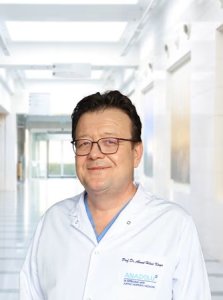
Ahmet Hilmi Kaya
Prof. Dr. Ahmet Hilmi Kaya specializes in functional and stereotactic neurosurgery at Anadolu Medical Center, with extensive research in Parkinson's and movement disorders.
- Professor of Neurosurgery with decades of experience
- Expert in deep brain stimulation and stereotactic biopsy
- Awarded for research by the Turkish Neurosurgery Society
- Supervised medical theses on brain metabolic activity

Hasan Ozgur Ozdemir
Prof. Dr. Hasan Ozgur Ozdemir is a neurosurgeon with extensive experience in endoscopic and minimally invasive brain and spine surgeries.
- Specializes in endoscopic brain surgery and vascular operations
- Recognized with 1st place in Turkish Neurosurgical Society Proficiency Exam
- Member of Turkish Neurosurgical Society and Turkish Medical Association
- Performs surgeries at Medical Park Antalya Hospital Complex
Mehmet Tonge
Specializes in Stereotactic & Functional Neurosurgery with 32 publications and 92 presentations focused on advanced techniques.
- Performs MR Guided Focused Ultrasound (MRgFUS) for precise treatment
- Completed Deep Brain Stimulation Fellowship at Maastricht University
- Board member of Turkish Neurosurgical Society's Stereotactic Section
- Active member of World and European Stereotactic Neurosurgery Societies
Video Stories from Bookimed Patients
Reviews about Bookimed: Discover Patients' Insights
All reviews


Share this content
 Anna Leonova

FAQ about Stereotaxic surgeries in Turkey
Is stereotactic surgery safe for elderly patients?
Stereotactic surgery is widely considered safe for elderly patients because its minimally invasive nature avoids the risks of open surgery. Advanced age alone is not a disqualifier for procedures like Gamma Knife radiosurgery or deep brain stimulation at JCI-accredited centers in Turkey. High precision protects healthy brain tissue and preserves functional status in 97% of cases.
- Surgical approach: No incisions or general anesthesia are required for radiosurgery, reducing infection risks.
- Functional stability: Most patients over 80 maintain their daily activity levels without neurological decline.
- Recovery benefits: Minimally invasive techniques lead to shorter hospital stays compared to traditional craniotomies.
- Complication rates: Severe adverse events remain rare, even in patients with multiple pre-existing conditions.
Bookimed Expert Insight: Data from Turkish centers like Medipol Mega and Istanbul Florence Nightingale shows that surgeons prioritize biological age over chronological age. For example, Prof. Salih Murat Imer utilizes Leksell Gamma Knife training from Marseille to treat complex cases. While 80-year-olds are frequently cleared for surgery, success often depends on specialized pre-operative screenings like contrast Brain MRI included in Hisar Hospital Intercontinental packages.
Patient Consensus: Many patients in their 70s and 80s report life-changing tremor reduction after treatment. They emphasize that while minor fatigue is common, the improvement in mobility outweighs the short recovery period.
What are the success rates and recovery times after stereotaxic procedures in Turkey?
Stereotaxic procedures in Turkey yield high success rates, with 90% accuracy for brain biopsies and 85% to 95% efficacy for neurological disorders. Radiosurgery patients typically recover within 1 to 2 weeks, while frame-based surgical patients require 2 to 4 weeks for full recovery.
- Success rates: Advanced systems like TrueBeam achieve 90% efficacy for brain metastases and tumors.
- Biopsy accuracy: Stereotactic brain biopsies maintain a 90% accuracy rate and 86.16% diagnostic yield.
- Radiosurgery recovery: Patients return to normal activities in 1 to 2 weeks after Gamma Knife.
- Hospital stays: Radiosurgery is often outpatient, while frame-based procedures requires 3 to 7 days.
Bookimed Expert Insight: Data shows that while technology like CyberKnife is standardized, surgeon experience is the true differentiator for success. High-volume specialists at JCI-accredited centers like Hisar Hospital Intercontinental or Anadolu Medical Center often have 15 to 20 years of experience. We see that choosing a board-certified neurosurgeon who performs over 100 annual cases significantly improves long-term control rates for benign lesions.
Patient Consensus: Patients report that while physical recovery is fast, managing long-term follow-up imaging in their home country remains the biggest practical challenge. Most feel the 40% to 60% cost savings reflect lower labor costs rather than any difference in medical technology.
Which specific stereotaxic techniques and clinical applications are available in Turkish medical centers?
Turkish medical centers provide advanced stereotaxic techniques including Leksell frame-based navigation, frameless StealthStation systems, and robotic ROSA technology. These methods treat brain tumors, movement disorders like Parkinson disease, and vascular malformations with sub-millimeter precision. Specialized centers also offer non-invasive Gamma Knife and CyberKnife radiosurgery.
- Neuro-oncology applications: Surgeons perform framed biopsies and TrueBeam STx radiation for deep-seated tumors.
- Functional neurosurgery: Deep Brain Stimulation (DBS) uses microelectrode recording for tremors and dystonia.
- Radiosurgery systems: Gamma Knife and ZAP-X provide incisionless treatment for cranial lesions and AVMs.
- Advanced navigation: Frameless stereotaxy and MR-guided focused ultrasound enable minimally invasive functional disorder therapy.
Bookimed Expert Insight: Turkish clinics like Medipol and Florence Nightingale often combine technologies rarely found together in European centers. For example, some surgeons utilize both the Leksell frame for mechanical stability and Medtronic microelectrode recording to verify electrode placement in real-time. This dual-verification approach is a key reason why Turkey maintains high success rates for complex DBS procedures.
Patient Consensus: Patients emphasize the importance of MRI and CT fusion capability for accuracy. Many noted that private Istanbul centers provide faster access to robotic ROSA systems than most public university hospitals.
Which JCI-accredited hospitals in Turkey are recognized for stereotaxic surgery?
JCI-accredited hospitals in Turkey recognized for stereotaxic surgery include Anadolu Medical Center, Medipol Mega University Hospital, and Memorial Şişli Hospital. These facilities utilize advanced technologies like Gamma Knife, CyberKnife, and TrueBeam STx to perform high-precision neurosurgical procedures and radiosurgery for brain tumors and functional disorders.
- Anadolu Medical Center: Affiliated with Johns Hopkins Medicine, specializing in CyberKnife M6 and Varian Edge technologies.
- Medipol Mega Hospital: Features one of Turkey’s largest neurosurgery departments with Gamma Knife and CyberKnife systems.
- NP Istanbul Hospital: Ranked second in Europe for brain health, offering 3 Tesla MRI-guided stereotaxy.
- Memorial Şişli Hospital: Turkey’s first JCI-accredited facility, providing TrueBeam STx for millimeter-level surgical accuracy.
Bookimed Expert Insight: Clinical data shows a high concentration of world-class expertise in Istanbul, where surgeons like Dr. Salih Murat Imer at Istanbul Florence Nightingale Hospital hold specialized certifications from world-renowned centers in Finland and France. Patients seeking stereotactic biopsies can find comprehensive packages at facilities like Hisar Hospital Intercontinental for approximately $3,250, reflecting a trend where high-end technology is bundled with long-term specialist experience.
Patient Consensus: Patients emphasize that stereotactic procedures in Turkey offer significant savings of 30–50% compared to Western costs while maintaining identical clinical standards. Many recommend focusing on surgeons with high case volumes and ensuring the clinic provides English-speaking coordinators for seamless communication.