Topical therapy of melanoma in Turkey — get 3 personalized clinic matches
Bookimed lists 13 topical therapy of melanoma clinics in Turkey, in Istanbul, Ankara, and Bursa, including JCI-accredited and ISO-certified clinics. These clinics are rated 4.5/5 in 2,030 verified patient reviews on Bookimed.

Medically reviewed by
Yesim Yildirim
How it works
How Much Does Topical therapy of melanoma Cost in Turkey?
Topical therapy of melanoma in Turkey typically costs from $1,800 to $3,400 for the entire treatment course. Final pricing depends on the medication type, lesion size, and the number of specialist consultations required. In the US, similar procedures cost around $6,800 on average. Turkey offers savings of around 62%. Prices usually cover the dermatologist evaluation, prescription of topical agents like imiquimod, and follow-up monitoring.
- Medication costs: Out-of-pocket expenses for topical creams range from approximately $30 to $100 per box.
- Specialist consultations: Initial evaluations in medical hubs like Istanbul or Ankara typically cost between $50 and $150.
- Monitoring fees: Regular follow-up visits to track lesion response are essential for successful topical treatment outcomes.
- City variations: Medical services in Istanbul and Ankara are the primary destinations for oncology care in Turkey.
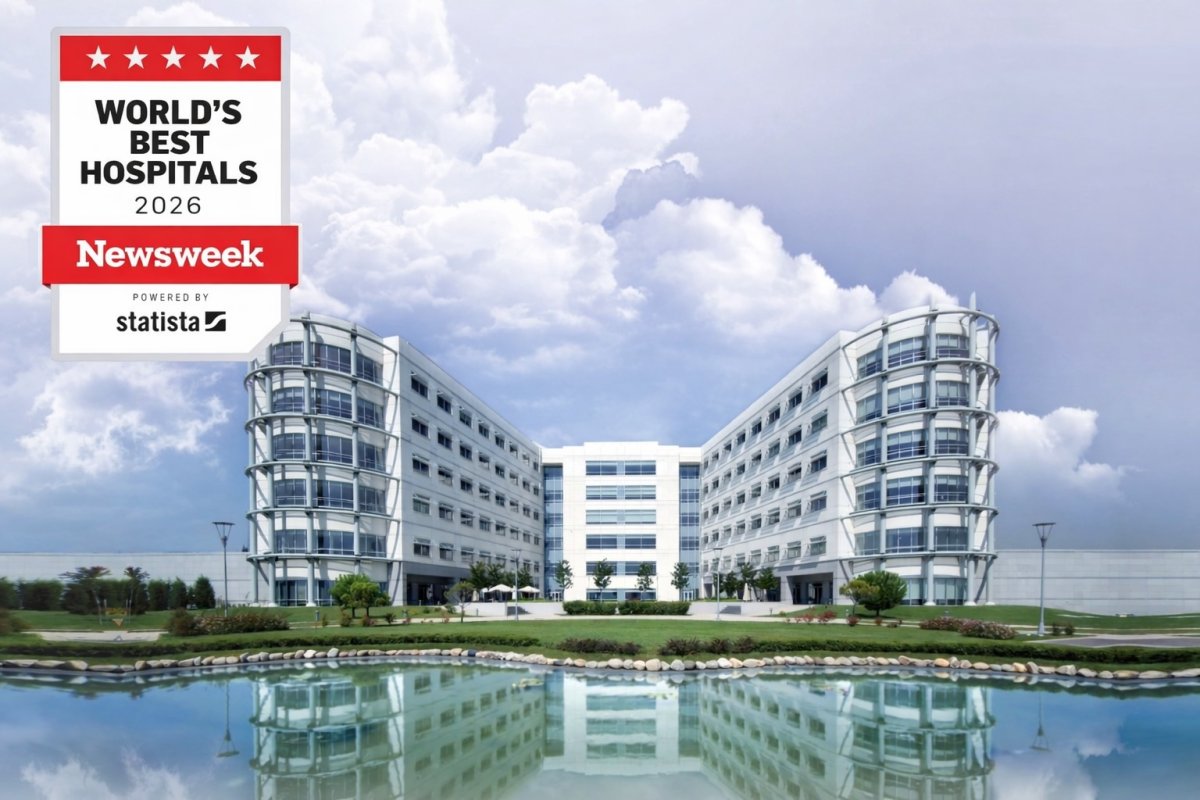
Bookimed Expert Insight: Patients benefit from highly integrated care at centers like Anadolu Medical Center. Their affiliation with Johns Hopkins Hospital ensures protocols meet international standards. While topical therapy is low-cost, choosing a JCI-accredited facility is smart. Clinics like Hisar Hospital Intercontinental include free interpreters, making specialist supervision easier for international patients. Expert oncologists like Abdullah Sakin provide personalized precision oncology that goes beyond simple prescriptions.
| Turkey | Austria | Spain | |
|---|---|---|---|
| Topical therapy of melanoma | ≈ $1,800 | ≈ $1,800 | from $5,000 |
Discover the Best Topical therapy of melanoma Clinics in Turkey: 13 Verified Options and Prices






Hisar Hospital Intercontinental
Mustafa Solak





Medipol Mega University Hospital
Gul Alco




Estophia Hospital


Topical therapy of melanoma Overview in Turkey
- Melanoma surgery - from $3,500This procedure removes skin cancer, ensuring complete disease control and improved recovery.
- Mohs microsurgery - from $6,500This therapy removes skin cancer layer by layer, checking each for cancer cells, ensuring minimal tissue loss.
- Wide excision of melanoma - from $6,300This treatment involves surgically removing skin cancer, specifically ensuring a clean, cancer-free margin around it.
Day 1
- Arrival to the country and check-in at the clinic.
- Initial consultation with a dermatologist.
- Performing necessary medical tests including skin biopsy.
Day 2
- Discussion of test results with the dermatologist.
- Planning and scheduling the topical therapy session.
Day 3
- Topical therapy of melanoma is performed.
- The therapy takes about 1-2 hours, no anesthesia is required.
- The treatment involves the application of a cream or gel.
Day 4
- Post-treatment consultation with the dermatologist.
- Instruction on home care for the treated area is given.
Week 1
- Follow-up consultation to monitor the healing process.
- Any necessary adjustments to the treatment plan are made.
Week 2-4
- Regular follow-up visits to ensure the melanoma is responding to treatment.
- Return to work and other activities can usually be resumed.
Please note, each patient"s case is unique, and treatment plans may vary.
- Bookimed deposit: $200 or €200.
- Clinic deposit: Pay a set percentage in advance.
Our Doctors
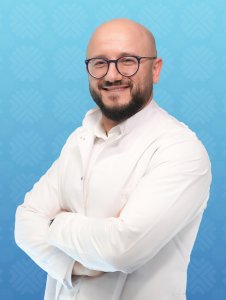
View all DoctorsMustafa Solak
Dr. Mustafa Solak specializes in treating various cancers at Hisar Hospital Intercontinental, including melanoma.
- Completed fellowship at Hacettepe University Cancer Institute
- Handled many cases of breast, testicular, and ovarian cancers
- Trained at The University of Texas MD Anderson Cancer Center

Mustafa Serkan Alemdar
Dr. Alemdar specializes in medical oncology with a focus on melanoma treatment at Medical Park Antalya Hospital Complex.
- Board-certified in medical oncology since 2018
- Extensive training at Akdeniz University Faculty of Medicine
- Over 20 years of experience in internal medicine and oncology
- Works with advanced topical therapy techniques for melanoma
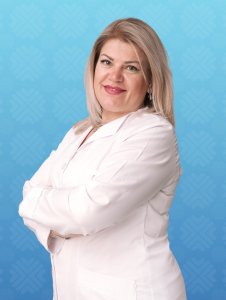
Gul Alco
Prof. Dr. Gül Alço is a radiation oncologist with about 27 years of experience. She treats breast, lung, prostate, gastrointestinal, gynecologic, central nervous system, head and neck, soft tissue, and bone cancers with radiotherapy.
Her expertise includes adaptive radiotherapy and radiosurgery. She uses advanced radiation techniques to provide personalized, evidence-based care in a multidisciplinary, patient-centered setting.
Abdullah Sakin
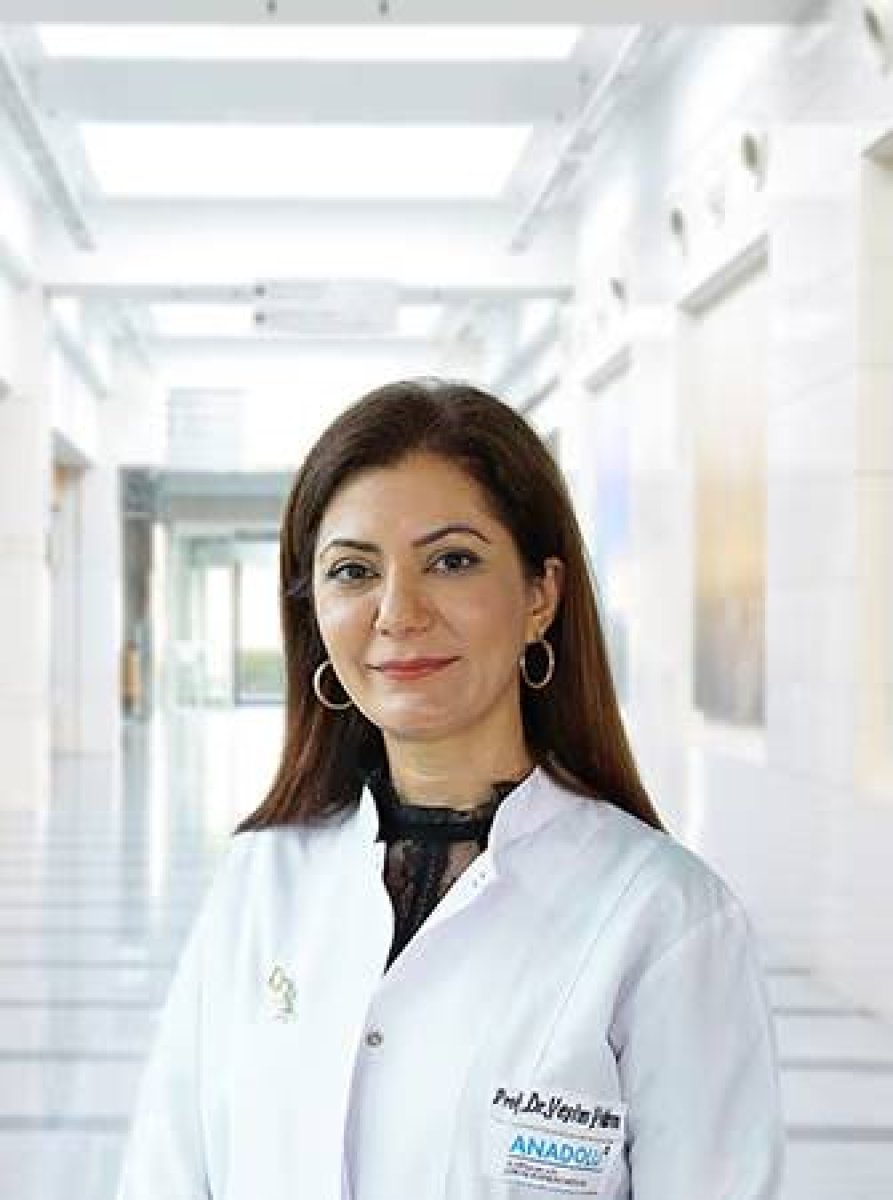
Prof. Dr. Abdullah Sakin is a professor of medical oncology. He treats solid tumors, including lung, breast, gastrointestinal, genitourinary, gynecologic, head and neck cancers, and melanoma.
He delivers personalized, evidence-based care. His treatments include chemotherapy, targeted therapy, immunotherapy, hormone therapy, and precision oncology. He has authored more than 200 scientific publications and takes part in international clinical research. This work advances patient-centered cancer care.
Video Stories from Bookimed Patients
Reviews about Bookimed: Discover Patients' Insights
All reviewsShare this content
 Anna Leonova
FAQ about Topical therapy of melanoma in Turkey
What are the primary topical treatment options available for melanoma in Turkey?
Topical treatments for melanoma in Turkey are primarily used for early-stage melanoma in situ or skin metastases. Turkish oncologists at JCI-accredited centers like Anadolu Medical Center and Memorial Şişli Hospital utilize specialized creams and localized therapies to stimulate immune responses or destroy surface cancer cells.
- Imiquimod therapy: This immunotherapy cream triggers the immune system to attack early-stage surface tumors.
- Photodynamic therapy: Light-activated medication targets and destroys superficial cancer cells in specialized clinics.
- Cryotherapy protocols: Liquid nitrogen freezes small, early-stage lesions, often as a minimally invasive alternative.
- Localized sensitizers: Agents like Diphenylcyclopropenone (DPCP) treat skin metastases by inducing local immune reactions.
Bookimed Expert Insight: While surgical excision remains the gold standard, top-tier Turkish clinics now integrate multidisciplinary tumor boards to approve topical plans. Centers like Hisar Hospital Intercontinental often combine these with advanced molecular-genetic testing. This ensures topical agents are only used when surgical margins are not the primary concern.
Patient Consensus: Patients report that while Imiquimod is a common choice, the resulting skin inflammation requires strict adherence. Many advise preparing for a multi-week inflammatory phase and confirming out-of-pocket costs for newer agents beforehand.
When is topical therapy recommended over surgery for melanoma?
Topical therapy is recommended over surgery for melanoma primarily in Stage 0 (melanoma in situ) cases where surgical excision is technically difficult or clinically contraindicated. It serves as a non-invasive alternative for elderly patients or individuals with severe comorbidities who cannot tolerate anesthesia or traditional surgery.
- Anatomical location: Used for Lentigo Maligna on the face to avoid functional or cosmetic disfigurement.
- Health status: Preferred for patients with heart disease or renal failure facing high surgical risks.
- Lesion characteristics: Recommended for large, ill-defined lesions where achieving clear surgical margins is complex.
- Patient preference: Considered when a patient refuses surgery despite the higher risk of cancer recurrence.
Bookimed Expert Insight: While surgery remains the gold standard, top-tier Turkish centers like Memorial Şişli Hospital and Anadolu Medical Center prioritize a multidisciplinary approach. Data shows that for in situ cases, specialists often combine topical imiquimod with narrow-margin excision to balance oncological safety with aesthetic outcomes, especially for facial lesions.
Patient Consensus: Patients emphasize the importance of confirming in situ status through multiple biopsies before starting creams. Many report successfully avoiding facial scarring but stress that consistent follow-up every 3 months is vital due to the 20–30% failure rate compared to surgery.
Which hospitals in Turkey provide specialized topical melanoma treatments?
Anadolu Medical Center, Memorial Şişli, and Hisar Hospital Intercontinental provide specialized topical melanoma treatments in Turkey. These JCI-accredited facilities offer non-invasive therapies like Imiquimod and photodynamic therapy for early-stage cases. Specialists such as Dr. Mustafa Solak manage these protocols within multidisciplinary oncology departments.
- Anadolu Medical Center: Affiliated with Johns Hopkins Medicine, specializing in advanced photodynamic and topical therapies.
- Memorial Şişli Hospital: Provides JCI-accredited dermatological oncology programs led by experienced specialists in Istanbul.
- Hisar Hospital Intercontinental: Features Medical Oncologist Dr. Mustafa Solak for managing complex localized melanoma cases.
- Medipol Mega University: Utilizes a massive 4-building complex for comprehensive skin cancer screenings and treatments.
Bookimed Expert Insight: Bookimed data shows that while surgery is the primary melanoma treatment, Turkey's top oncology centers like Anadolu integrate American protocols through their Johns Hopkins affiliation. This ensures patients receive the same topical drug standards used in the US but within a more cost-effective healthcare system. If your case is melanoma in situ, these specialized centers offer a high level of expertise in non-surgical management.
Patient Consensus: Patients emphasize that topical treatments are strictly for early-stage cases and require rigorous biopsy confirmation. Practical insights suggest that while surgery offers clear savings, the value of topical therapy lies in the specialized monitoring provided by Turkish professors.
What are the common side effects of topical melanoma creams?
Topical melanoma creams like imiquimod or 5-fluorouracil commonly cause localized skin reactions including intense redness, swelling, and sensory discomfort such as burning or itching. Patients may also experience systemic flu-like symptoms, including fever and fatigue, as the medication activates the body's immune response against malignant cells.
- Local inflammation: Expect redness, scabbing, and crusting at the specific application site.
- Sensory irritation: Many patients report significant itching, stinging, or localized pain during treatment.
- Systemic response: Fever, chills, and muscle aches occur as the immune system engages.
- Pigment changes: Treated areas may develop permanent lighter or darker patches after healing.
Bookimed Expert Insight: Data from major Turkish oncology centers like Anadolu Medical Center show that specialists often adjust application frequency to manage side effects. While standard protocols exist, doctors frequently shift from daily use to 3 times weekly if inflammation becomes too severe. This personalized pacing helps patients complete the full course without needing to abandon therapy due to discomfort.
Patient Consensus: Many describe the skin reaction as looking like an angry red sore or pizza-like crust that peaks around week 4. A common surprise for many is the intensity of the itch and the feeling of having a mild cold while the cream is active.
Is topical therapy effective for advanced melanoma?
Topical therapy is generally not effective as a standalone treatment for advanced melanoma. While agents like imiquimod or DPCP may manage superficial skin metastases, they cannot penetrate the deep subcutaneous tissues reached by stage III or IV disease. Systemic immunotherapy or targeted treatments remain the primary standard of care.
- Depth limitations: Creams fail to reach deep lesions common in advanced melanoma stages.
- Response rates: DPCP shows variable complete response between 13% and 46% for skin-only metastases.
- Primary indications: Topical agents are typically reserved for melanoma in situ or palliative care.
- Combined protocols: Surgeons may use topicals alongside intralesional therapies to boost local immune response.
Bookimed Expert Insight: Data from top Turkish centers like Anadolu Medical Center shows an emphasis on systemic approaches over topicals for advanced cases. While melanoma surgery in Turkey costs between $3,500 and $6,000, patients often save 62% compared to US costs. This allows budget reallocation toward high-tier immunotherapies or advanced diagnostics like PET-CT, which are more critical for survival than topical applications.
Patient Consensus: Patients warn that relying on topical creams for invasive melanoma can delay necessary surgery and lead to disease progression. Most emphasize that these treatments are only partially effective for the lentigo maligna subtype and are rarely curative on their own.