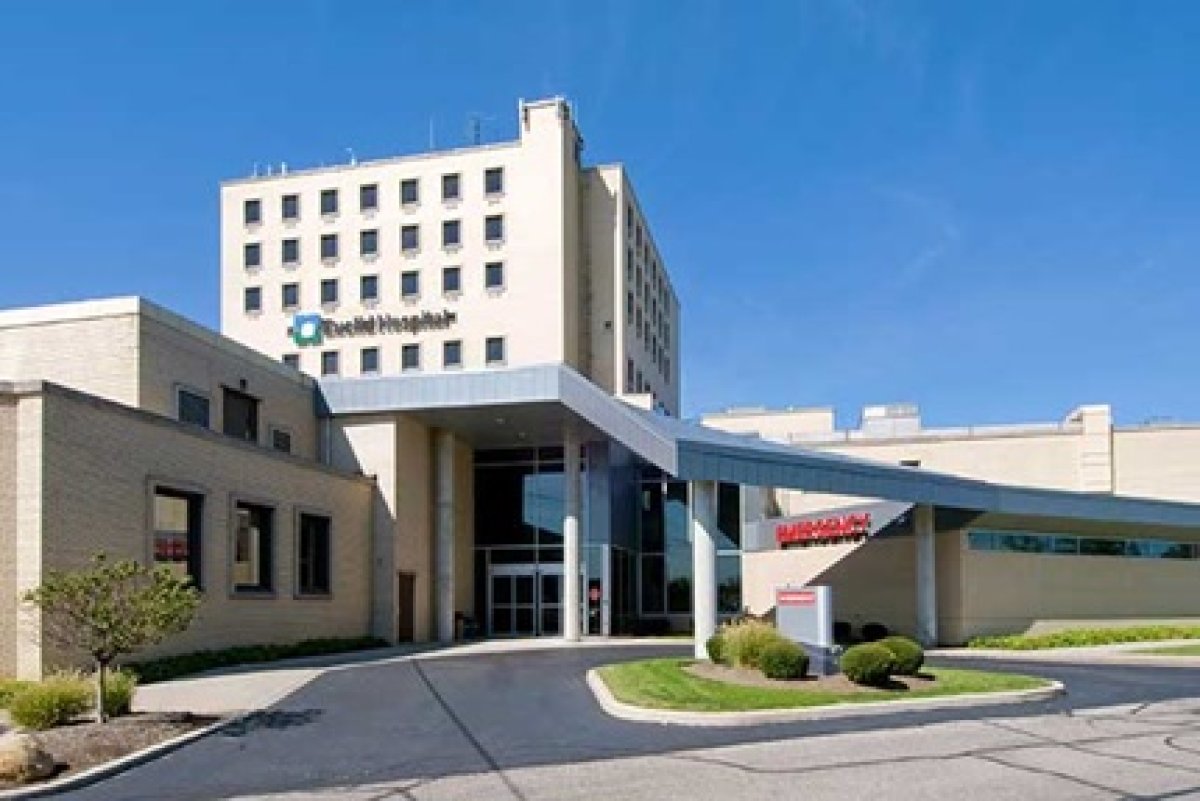
University of Texas MD Anderson Cancer Center
United States of America, Houston


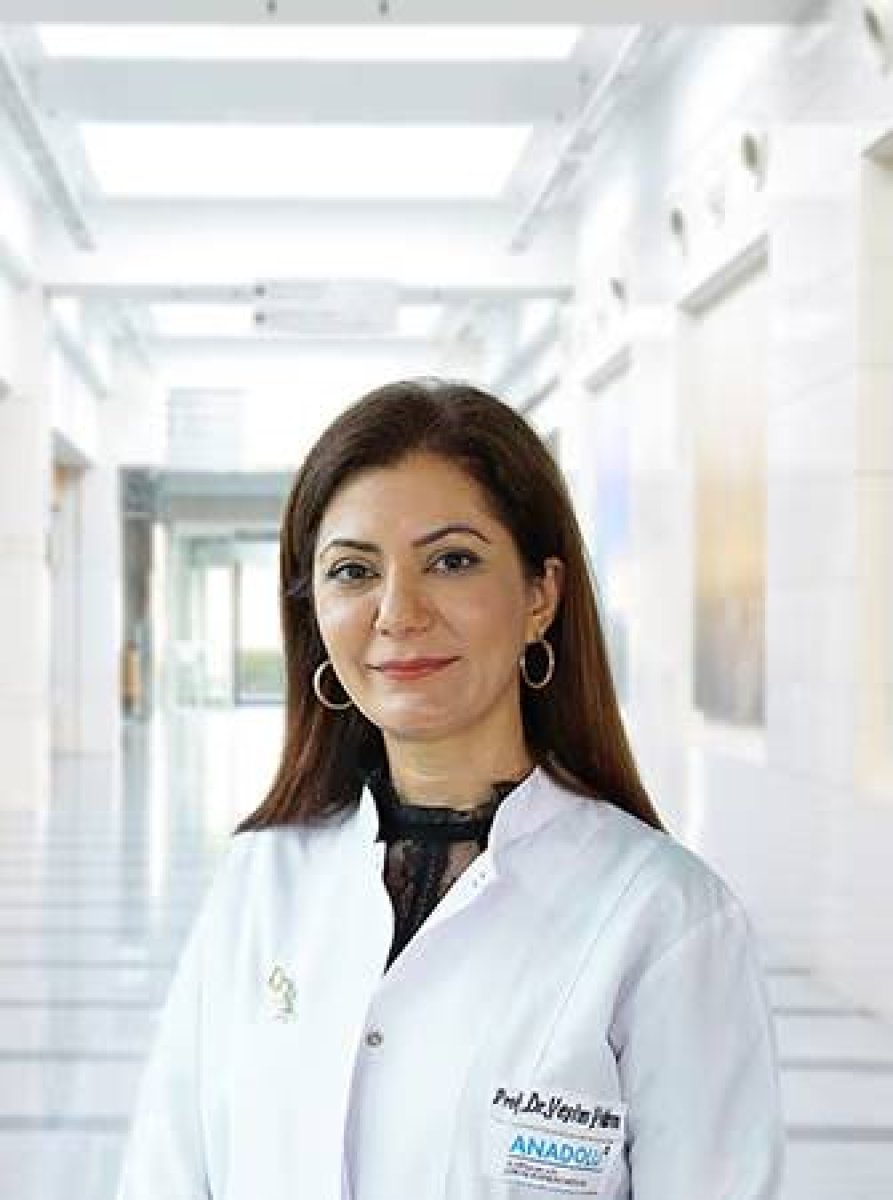
Medically reviewed by
Yesim Yildirim
Glioblastoma treatment cost in United States of America typically includes essential brain MRI with contrast which ranges from $900 to $2,600. Primary treatment procedures such as Gamma Knife surgery often cost $22,000 to $38,000. Total expenses depend on the tumor stage, required inpatient care duration, and specific chemotherapy protocols. Top destinations for advanced neuro-oncology care include Houston, New York, and Baltimore.
Typical Glioblastoma Treatment Costs in United States of America
Bookimed Expert Insight: Patients seeking the highest level of specialization should prioritize NCI-designated comprehensive cancer centers. University of Texas MD Anderson Cancer Center is ranked No.1 for oncology in the USA. It treats over 130,000 patients annually with experts like onco-neurosurgeon John de Groot. For rare or complex cases, Memorial Sloan Kettering Cancer Center offers innovative research programs for 200 cancer types. These premier institutions provide multidisciplinary teams essential for managing aggressive brain tumors effectively.
| United States of America | Turkey | Austria | |
|---|---|---|---|
| Resection of glioblastoma | ≈ $85,000 | from $22,000 | ≈ $24,000 |
| Halcyon | ≈ $22,000 | ≈ $9,500 | ≈ $11,500 |
| Gamma Knife | ≈ $22,000 | from $4,300 | ≈ $7,500 |
| Chemotherapy for breast cancer | ≈ $30,000 | from $4,700 | ≈ $9,500 |
| Actinium-225 Therapy | ≈ $60,000 | from $18,300 | ≈ $12,500 |
No hidden fees – just official clinic prices. Pay at the clinic for Glioblastoma treatment and use a flexible installment plan if needed.
Bookimed is committed to your safety. We only work with medical institutions that maintain high international standards in Glioblastoma treatment and have the necessary licenses to serve international patients worldwide.
Bookimed offers free expert assistance. A personal medical coordinator supports you before, during, and after your treatment, solving any issues. You're never alone on your Glioblastoma treatment journey.


Specializes in glioblastoma treatment as an onco-neurosurgeon at University of Texas MD Anderson Cancer Center.
 Anna Leonova
The standard first-line treatment for glioblastoma in the U.S. follows the Stupp Protocol. This multimodality approach includes maximal safe surgical resection. It is followed by concurrent radiation and temozolomide chemotherapy. Treatment also involves maintenance chemotherapy and Optune therapy to improve survival.
Bookimed Expert Insight: U.S. centers like Memorial Sloan Kettering perform over 800 brain operations annually. High-volume hospitals often utilize advanced hybrid operating rooms. Princeton Hospital at Plainsboro combines 3D imaging with surgery to improve resection precision. This specialized infrastructure is critical for managing complex glioblastoma cases effectively.
Patient Consensus: Patients note it is essential to confirm if the goal is full resection or biopsy. They also emphasize getting a written treatment plan to understand complex sequencing and molecular testing results.
Glioblastoma currently has no complete cure through surgery or other standard treatments. Infiltrative cells invade healthy brain tissue, making total removal impossible. Advanced therapies and gross total resection at centers like MD Anderson extend survival and manage symptoms by slowing tumor progression.
Bookimed Expert Insight: Advanced technologies like the TrueBeam linear accelerator and Gamma Knife at Princeton Hospital or MD Anderson provide precision that standard tools lack. These systems allow doctors to deliver higher radiation doses to tumor remnants while sparing critical brain regions. This technical edge is why specialized US centers manage over 800 brain operations annually.
Patient Consensus: Patients emphasize that surgery removes only the visible tumor and note that starting chemotherapy within 3 to 6 weeks is vital. Many focus on MGMT genetic testing as a key indicator of how well they might respond to treatment.
Tumor Treating Fields (TTFields) are a non-invasive, wearable therapy using low-intensity electrical fields to disrupt cancer cell division. This FDA-approved treatment is available in the United States. It targets glioblastoma by slowing tumor growth while sparing healthy, non-dividing brain cells.
Bookimed Expert Insight: Patient volume is a major indicator of oncology expertise in the United States. Johns Hopkins Hospital handles over 2.8 million outpatient visits annually. Large centers like Memorial Sloan Kettering Cancer Center focus exclusively on oncology. These high-volume institutions often provide better access to specialized neuro-oncology teams. Experienced clinics help manage device logistics and potential skin side effects more effectively.
Patient Consensus: Patients note that regular head shaving and sleep discomfort are common challenges during treatment. Most emphasize that keeping the device on for at least 75% of the day is crucial for results.
U.S. neuro-oncologists select targeted therapies by analyzing a tumor's specific molecular profile. They use next-generation sequencing to identify genetic markers like IDH1/2 or MGMT methylation. Clinicians align these findings with National Comprehensive Cancer Network guidelines to ensure evidence-based care within specialized oncology centers.
Bookimed Expert Insight: Accessing targeted therapy in the US often requires treatment at National Cancer Institute-designated centers. For example, MD Anderson Cancer Center serves 130,000 patients annually and provides advanced molecular testing. These high-volume institutions typically offer greater access to biomarker-driven clinical trials than smaller regional clinics.
Patient Consensus: Patients note that major academic centers are essential for accessing the latest clinical trials. They emphasize the importance of seeking second opinions from specialists who focus exclusively on brain tumors.
Clinical trials are recommended for glioblastoma because standard therapies rarely provide a permanent cure. These studies offer access to advanced innovations like CAR-T cell therapy or personalized vaccines. Precision medicine matches specific genetic mutations to targeted treatments. Specialized centers provide intensive monitoring and multidisciplinary care.
Bookimed Expert Insight: Patients at National Cancer Institute-designated centers like the University of Texas MD Anderson Cancer Center benefit from a massive research infrastructure. This facility alone has developed multiple FDA-approved drugs. Large-scale institutions typically manage higher patient volumes, which often leads to broader eligibility criteria for experimental protocols.
Patient Consensus: Patients emphasize that checking trial eligibility early is vital before standard options are exhausted. Many note that while experimental treatments can buy valuable time, success often depends on having specific tumor markers.