South Korea handles corneal cross-linking with extreme precision. Clinics use digital monitoring systems to track eye stability during the UV treatment. High surgical volumes and early access to riboflavin protocols help stop keratoconus progression. Patients receive care in hospitals recognized among the world's best for clinical safety.
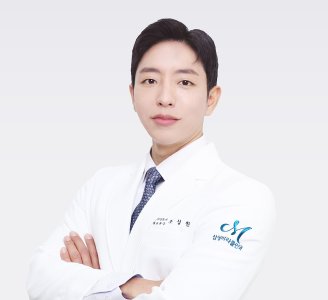
- Surgical precision. Surgeons like Dr. Lee Young Seob have performed 15,000+ vision and refractive procedures.
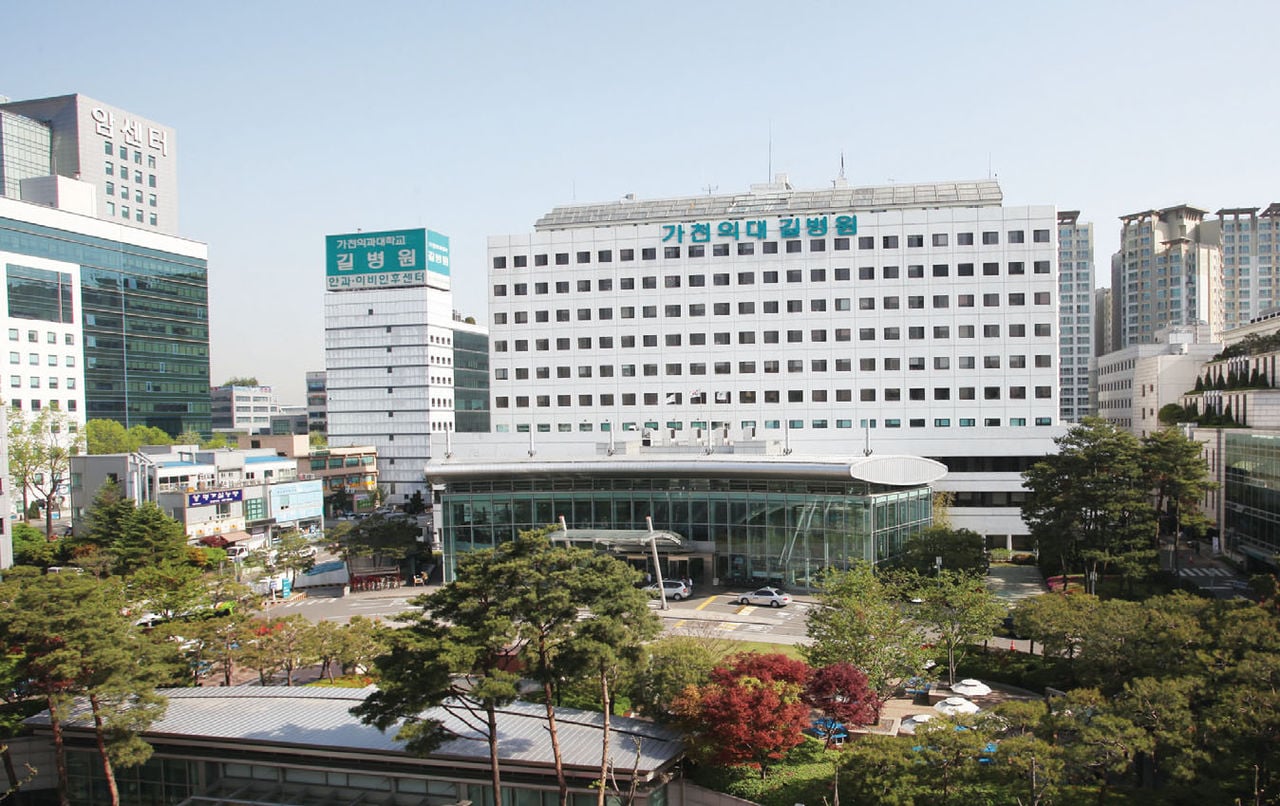
- Digital safety systems. Hospitals like SNUBH use the BESTcare system to eliminate errors in treatment.
- Specialized corneal focus. Experts often hold memberships in the Korean Corneal Study Society for specialized care.
- Global accreditation. Major centers hold Newsweek's World's Best Hospitals and Global Healthcare Accreditation titles.
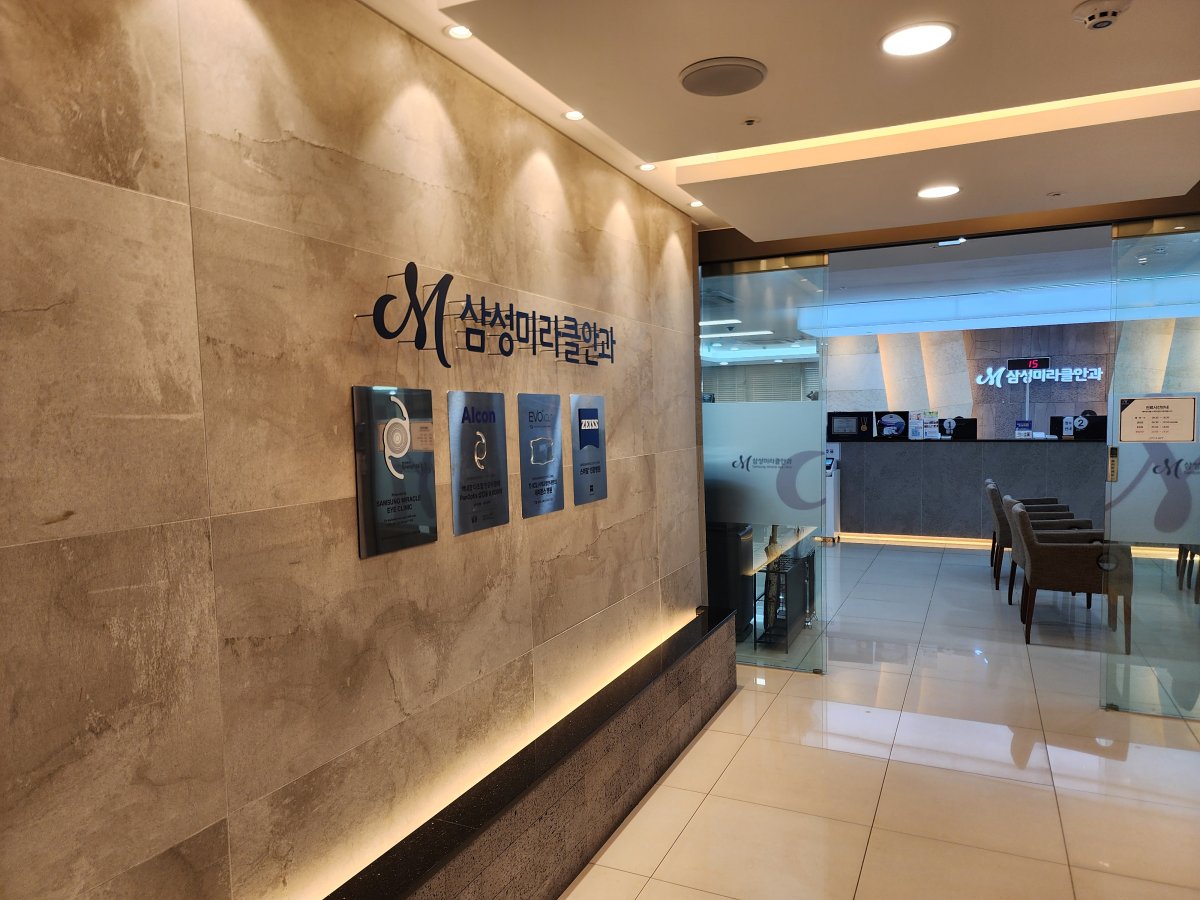
Bookimed Expert Insight: Top Seoul clinics often concentrate their expertise in specific districts like Gangnam. Centers there, such as Samsung Miracle Eye Clinic, treat 6,000+ patients annually. This volume allows specialists to refine protocols for thinning corneas that others might refuse. Patients should look for doctors with ZEISS SMILE certification for high mechanical accuracy.
What patients say: Patients note the high-tech atmosphere in South Korea makes them feel very secure. English-speaking staff frequently guide international patients through complex vision treatments. Many express surprise at how efficiently clinics manage follow-up checks for corneal stability.