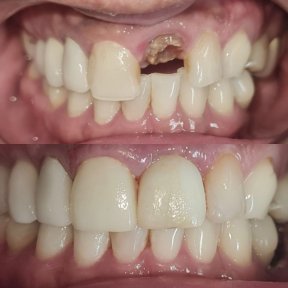
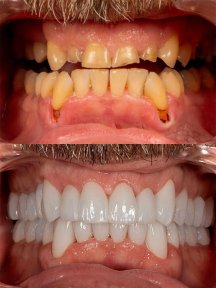
Minor adjustments to a zirconia crown are standard during installation to ensure a comfortable bite. Dentists use articulating paper to identify high spots and diamond tools for refining. However, extensive grinding that removes large chunks of material indicates a fabrication error that requires a remake.
- Surface polishing: Adjusted zirconia must be polished with diamond paste to prevent wearing down opposing teeth.
- Structural integrity: Heavy grinding can thin the crown and increase the risk of future fractures.
- Fabrication accuracy: Major reshaping suggests the initial dental impression or laboratory model was inaccurate.
- Digital precision: Modern scanners used by top clinics reduce the need for manual chairside modifications.
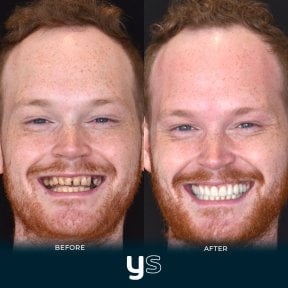
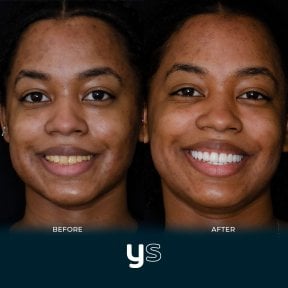
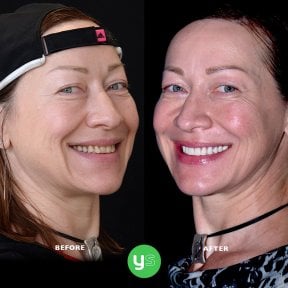
Bookimed Expert Insight: Mexican clinics often combine clinical surgery with on-site laboratory expertise to minimize fitting errors. For example, Dr. Miller Vieira Paula at YeahSmile is a Certified Dental Technician, allowing him to oversee both the fabrication and installation of ceramics. This technical background ensures that crowns are designed with higher precision from the start, often preventing the need for extensive manual adjustments during the final appointment.
Patient Consensus: Patients note that small bite tweaks feel like quick, light tapping. They emphasize that the crown should feel like a glass-smooth surface after any grinding. If the tooth feels rough or bulky, patients recommend asking the dentist to polish it further.