To homepage
4.6/5
TrustPilot

Best Ethnic Rhinoplasty doctors in Republic of Korea: TOP 2 doctors

Compare top Ethnic Rhinoplasty doctors and prices in Republic of Korea. Find your best match here.

Get quotes from 3 top Ethnic Rhinoplasty specialists in Republic of Korea

We'll hand-pick the best doctors based on your needs and budget.

Meet the experts behind this page

Top doctors

2

Republic of Korea

Reviews

14,000+

From real patients

Choose the country with the best prices for doctors' services

Compare prices for Ethnic Rhinoplasty across top countries

Tap a country to view top doctors and prices

Ukraine
Thailand
Mexico
Poland
Czech Republic
Turkey
$1,800 - $3,200
$2,300 - $4,000
$3,000 - $6,000
$3,500 - $7,000
$3,500 - $6,000
$4,100 - $6,000
$0
$2,000
$4,000
$6,000

Get free personalized treatment plans and choose the best option. No commitment · No payments for our services

44 people have requested a quote last month
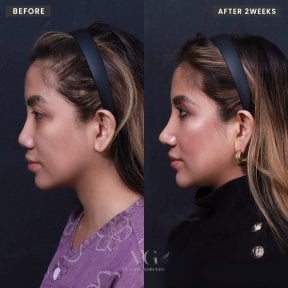
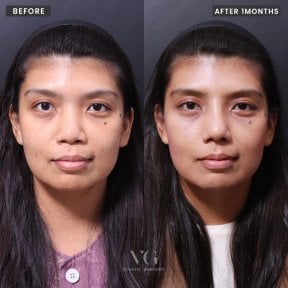
Park Sangwook

  • New
  • 10 years of experience
  • Location: Republic of Korea, Seoul
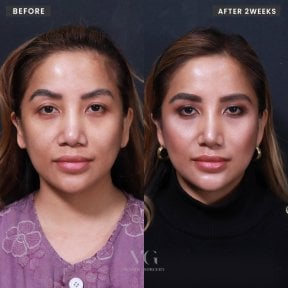
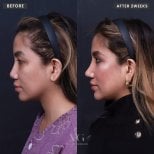
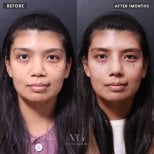
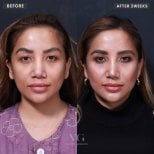
  • Director of VG Plastic Surgery with specialized focus on ethnic rhinoplasty – Park Sangwook tailors procedures to preserve unique facial harmony.

    • Board-certified plastic surgeon with extensive training at Seoul St. Mary’s Hospital
    • Full member of multiple prestigious Korean plastic surgery societies
    • Former director of DA Plastic Surgery Clinic before leading VG Plastic Surgery
    • Specializes in minimal invasive techniques for natural-looking results
  • Read more
Doctor's visit
Price on request

Seung-hyung Noh

  • New
  • 26 years of experience
  • Location: Republic of Korea, Seoul
  • Dr. Noh specializes in complex revision cases for ethnic rhinoplasty, ensuring natural-looking results with minimal surgical intervention.

    • Board-certified plastic and reconstructive surgeon
    • Trained at Columbia University in New York
    • Full member of Korean Society of Plastic and Reconstructive Surgeons
    • Focuses on patient safety and balance
  • Read more
Doctor's visit
Price on request

Choosing a clinic abroad can be stressful. At Bookimed, with over 800K patients helped, we understand your concerns. We know how to find trusted doctors, the best price-quality options, and solutions for even complex cases. We’re here to guide you every step of the way.

Yan Matsiivskiy

Head of Medical Coordinator Team

4300++ patient journeys guided

3 years at Bookimed

60 patients from South Korea have found their doctor through us this month

How you'll get your perfect doctor match

1

2 min Quiz

Tell us your goal, budget, timeline

2

Human Matching + AI

Our algorithm finds matches, coordinator verifies fit

3

Your Options Ready

Compare prices, packages, dates. Chat with your coordinator

Overwhelmed by choices?

Your personal Bookimed coordinator helps you find the perfect surgeon tailored to your needs

  • Supports you 24/7 at every stage
  • Helps match you with the doctor and handles all communication with clinics
  • Coordinates your travel, accommodation, and transfers

Guiding your treatment

Medically trained personal coordinators

Peguy Beaugris
Tetyana Hyrych
Zekra Eldeeb
Victoria Olayinka
Iryna Sydorchuk
Tetiana Ihnatiuk

Choosing the Right Doctor and Clinic: Insider Tips

When selecting a doctor or clinic, keep these key points in mind:
Check credentials
Verify certifications from bodies like ISAPS, JCI, or relevant medical boards
Review success rates
Choose doctors with solid experience and a proven track record in your specific treatment.
Read patient reviews
Browse Bookimed reviews from real patients to learn about their experiences.
Ensure effective communication
Pick clinics that offer language support for a smooth treatment process.
Ask about services
Confirm whether the price includes services such as accommodation, local transfers, and follow-up care to avoid hidden costs.

Bookimed Insights: Top Ethnic Rhinoplasty Specialists in Republic of Korea (2026)

Bookimed has coordinated 53707 requests for Ethnic Rhinoplasty in Republic of Korea, collaborating with 2 top-rated specialists. The doctors in this table are selected based on their international credentials, clinical expertise, and patient outcomes. The 2026 ranking is formed using verified data from actual patient cases and current programs from our partner clinics.
RankDoctorexperienceGood Fit ForWhat Sets Them ApartClinic & LocationConsultation
#110 years of experienceEthnic rhinoplastySpecializes in preserving ethnic facial features while enhancing nasal structure. Board-certified with multiple society memberships and extensive training in Seoul.
Republic of Korea
Price on request
#226 years of experienceComplex revision casesExpert in revision surgery for ethnic rhinoplasty – prioritizes natural outcomes with minimal intervention. Trained at Columbia University and member of KSPRS.
Republic of Korea
Price on request

FAQ

These FAQs come from real patients seeking medical assistance through Bookimed. Answers are given by experienced medical coordinators and trusted clinic representatives.

What are the main risks and complications of ethnic rhinoplasty?

Primary risks of ethnic rhinoplasty include loss of cultural identity through over-Westernization, breathing difficulties from structural collapse, and prolonged swelling due to thicker skin. In Republic of Korea, technical challenges involve managing weaker nasal cartilage and potential complications from synthetic implants like silicone or Gore-Tex.

  • Identity preservation: Excessive bridge height or tip narrowing may cause an unnatural, over-Westernized appearance.
  • Structural integrity: Weak cartilage requires autologous grafts to prevent tip collapse or internal valve obstruction.
  • Skin complications: Thicker skin common in many ethnicities increases risks of keloids or permanent discoloration.
  • Healing timeline: Edema in thicker nasal skin often persists for 12 to 18 months.

Bookimed Expert Insight: Data from top Seoul clinics like JK Plastic Surgery Center shows a shift toward autologous grafts using rib or ear cartilage. While synthetic implants are common in Korea, they carry higher risks of extrusion or infection in ethnic noses. Choosing surgeons like Dr. Seung-hyung Noh, who prioritizes natural outcomes over dramatic changes, helps avoid the 20% revision rate often seen with aggressive techniques.

Patient Consensus: Many patients emphasize requesting 3D simulations and breathing tests before surgery to ensure functional safety. A common concern is the frequent need for minor touch-ups or revisions due to cartilage warping months after the initial procedure.

What criteria determine a good candidate for the procedure?

Ideal candidates for ethnic rhinoplasty in South Korea possess thick-to-medium nasal skin and seek natural enhancement rather than dramatic structural changes. Successful patients demonstrate stable physical health, the maturity to follow a one-year healing timeline, and specific anatomical traits like a nasal bone width under 25mm.

  • Skin characteristics: Patients with medium skin thickness allow for more visible, refined tip definition.
  • Aesthetic goals: Successful candidates prioritize ethnic preservation and subtle 1–2mm bridge height adjustments.
  • Surgical readiness: Candidates must be non-smokers for 3 months to ensure proper tissue vascularization.
  • Anatomical stability: Surgeons favor patients over 30 due to predictable healing and realistic expectations.

Bookimed Expert Insight: Analysis of Seoul's top centers like JK Plastic Surgery reveals a shift toward `minimal invasive` ethnic refinement. While US averages reach $16,800, South Korean board-certified surgeons like Dr. Park Sangwook emphasize avoiding overtreatment. Choosing clinics with ISO certification ensures your nasal cartilage strength matches the planned projection for long-term stability.

Patient Consensus: Patients emphasize that those seeking natural ethnic enhancement rather than celebrity-inspired `perfect` noses report the highest satisfaction. Many warn that thick skin hides subtle refinements, so being prepared for a 12-month swelling period is vital.

How long will recovery take, and what should I expect week-by-week?

Recovery stays acute for 7 to 10 days, with final tissue maturation taking 12 months. Most patients return to social activities by week 3 as bruising fades. Ethnic rhinoplasty in the Republic of Korea often involves specialized techniques that result in prolonged swelling compared to standard procedures.

  • Week 1: Splints and internal packing are removed typically by day 7, providing significant breathing relief.
  • Week 2: About 50% of peak swelling remains, but visible bruising usually fades by day 14.
  • Month 1: Most patients resume sedentary work and light social activities with minimal makeup needed.
  • Months 6–12: Final refinement occurs as 90% of swelling dissipates, revealing the permanent nasal structure.

Bookimed Expert Insight: Clinics like JK Plastic Surgery Center manage over 6,000 international patients annually using aggressive post-operative swelling protocols. Their data suggests that while surgeons approve returning to work after 14 days, patients often prefer 21 days for full confidence. This gap matches the 100% success rates maintained by high-volume Seoul centers focusing on complex ethnic cases.

Patient Consensus: Patients emphasize that sleeping upright for 6 weeks is non-negotiable to manage persistent internal swelling. Many warn that breathing feels temporarily worse before improving, and advise against judging results until at least month 3.

Are incisions and resulting scars visible after ethnic rhinoplasty?

Incisions and resulting scars after ethnic rhinoplasty in South Korea are typically invisible or extremely discreet. Surgeons utilize endonasal techniques with internal incisions or tiny columellar cuts hidden in natural skin folds. Advanced suturing and specialized post-operative care ensure these marks fade significantly within 12 to 24 months.

  • Closed technique: All incisions stay inside nostrils, leaving zero visible external scarring after surgery.
  • Open technique: A tiny columellar incision heals into a faint line, camouflaged by shadows.
  • Alar reduction: Incisions follow natural creases where nostrils meet cheeks to hide external marks.
  • Scar management: Korean clinics provide silicone gels and laser sessions to accelerate the healing process.

Bookimed Expert Insight: South Korea’s leading centers like JK Plastic Surgery Center achieve a 100% reported success rate by prioritizing minimal-intervention philosophies. Data shows top surgeons often trained at elite institutions like Columbia University. They favor precise, internal structural work rather than aggressive external cutting. This approach is vital for ethnic skin, which can better hide internal changes but requires expert handling to prevent hyperpigmentation.

Patient Consensus: Patients emphasize that while thicker ethnic skin conceals internal work well, strict sun protection for 2 years is non-negotiable. Many recommend requesting close-up scar photos from previous cases to verify the surgeon's suturing precision.

What surgical techniques are specific to ethnic versus primary (Caucasian) rhinoplasty?

Primary Caucasian rhinoplasty typically focuses on reductive techniques like dorsal hump shaving and cephalic trimming to refine over-projected structures. In contrast, ethnic rhinoplasty in South Korea emphasizes additive structural augmentation using autologous rib or ear cartilage grafts to build nasal bridges and project under-defined tips.

  • Structural augmentation: Surgeons use rib or ear cartilage to build flat nasal bridges.
  • Septal extension grafts: These grafts elongate short noses and increase tip projection effectively.
  • Alar base reduction: Specific techniques narrow wide or flared nostrils for balanced facial harmony.
  • Dorsal hump reduction: Caucasian procedures focus on shaving bone to lower high nasal bridges.

Bookimed Expert Insight: South Korean clinics like JK Plastic Surgery Center demonstrate a shift toward 100% autologous graft techniques. While Western primary rhinoplasty often utilizes septal cartilage, Korean surgeons frequently prioritize harvested rib cartilage. This specific approach addresses the common lack of sufficient septal material in Asian anatomy. It ensures natural volume and minimizes the warping risks often associated with synthetic silicone implants.

Patient Consensus: Patients emphasize that Korean surgeons prioritize ethnic harmony over Western refinement standards. Many recommend bringing full-face photos to consultations to ensure the graft-heavy techniques achieve a natural, balanced look.

How do I choose an appropriately credentialed surgeon in the Republic of Korea?

Choosing an appropriately credentialed surgeon in South Korea requires verifying board certification via the Korean Society of Plastic and Reconstructive Surgeons (KSPRS). Patients must confirm the clinic is government-registered for international practice and explicitly screen for ghost doctors by requesting operating room CCTV access.

  • Board certification: Verify membership in the Korean Society of Plastic and Reconstructive Surgeons (KSPRS) database.
  • Specialist titles: Ensure the surgeon holds the specific title of Plastic Surgery Specialist (Seonghyeong-oegwa-jeonmuni).
  • Clinic registration: Confirm the facility is registered with the Medical Korea Portal for international patients.
  • Safety protocols: Select clinics with ISO certification or Newsweek-ranked university hospital status for advanced care.

Bookimed Expert Insight: Data shows that elite surgeons, like those at JK Plastic Surgery Center, often have 20-year histories and 85,000+ procedures. High-volume centers often provide more transparency regarding ghost doctor prevention. Always prioritize surgeons who have completed clinical training at major institutions like Seoul St. Mary’s Hospital.

Patient Consensus: Patients emphasize searching surgeon names in Korean characters alongside the word for malpractice to find hidden complaints. They recommend avoiding clinics that use aggressive influencer marketing or pressure patients into immediate surgery during consultations.

How long should I plan to stay in South Korea for the surgery and first-stage follow-up?

Patients should plan to stay in South Korea for 10 to 14 days to complete an ethnic rhinoplasty and essential follow-up care. This window allows for a pre-operative consultation, the surgical procedure, and the critical removal of nasal splints or sutures usually performed 7 days post-operation.

  • Arrival window: Arrive 1 to 2 days before surgery for in-person consultations and blood tests.
  • Suture removal: Plan for a mandatory follow-up 7 days post-surgery to remove external stitches.
  • Flight safety: Avoid flying before day 8 to prevent hematomas caused by airplane cabin pressure.
  • Complex cases: Extensions up to 21 days are recommended for revisions involving secondary rib grafts.

Bookimed Expert Insight: While standard rhinoplasty follows a 10-day rule, ethnic cases with thicker skin often require specialized tape management until day 14. Clinics like JK Plastic Surgery Center, which manages over 6,000 international patients annually, often schedule two mid-week check-ups before the final `fit-to-fly` clearance to monitor specific swelling patterns.

Patient Consensus: Many travelers regret departing before a full week, as shifts in nasal positioning or minor infections are easiest to correct while still in Seoul. Staying at least 10 days ensures the initial inflammatory peak 3 to 5 days post-op is managed by the surgical team.