Memorial Ataşehir Hospital
Turkey, Istanbul
Zafer Orkun Toktas
17 years of experience

Clinic is certified : 
Surgical treatment of scoliosis in Turkey costs $9,000 to $19,000, about 90% less than the US average of $140,000 (Bookimed data, November 2026). Bookimed lists 18 surgical treatment of scoliosis clinics in Turkey, mostly in Istanbul, Ankara, and Antalya, including JCI-accredited and ISO-certified clinics. These clinics are rated 4.6/5 in 1,989 verified patient reviews on Bookimed.

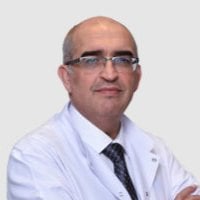
Medically reviewed by
Kayhan Turan
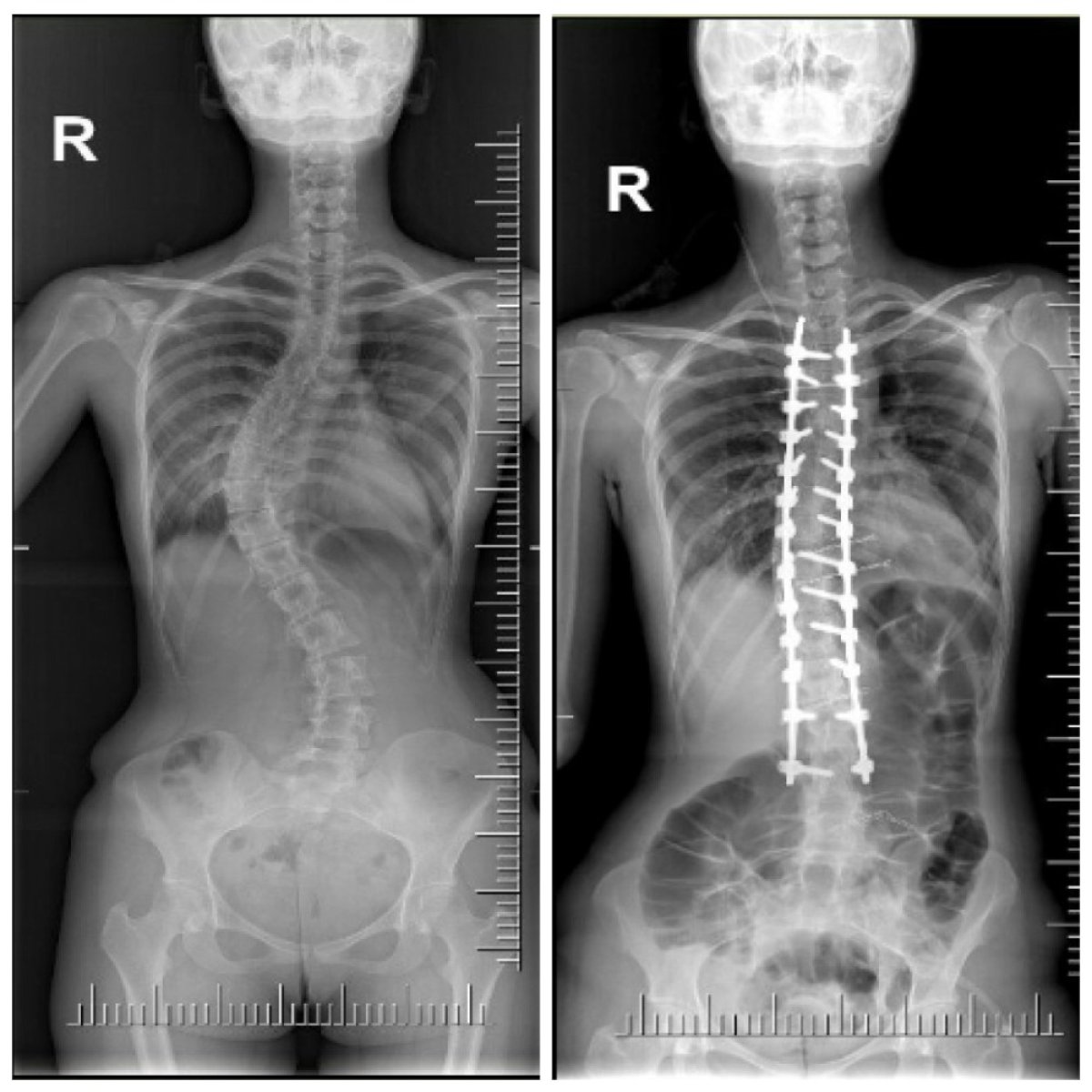
Surgical treatment of scoliosis in Turkey typically costs from $9,000 to $19,000. The final price depends on the spinal curvature severity, the number of fused vertebrae, and the choice between robotic or manual techniques. In the US, similar procedures cost around $140,000 on average. Turkey offers savings of around 90%. Packages typically include neuromonitoring, titanium implants, hospitalization, and airport transfers.
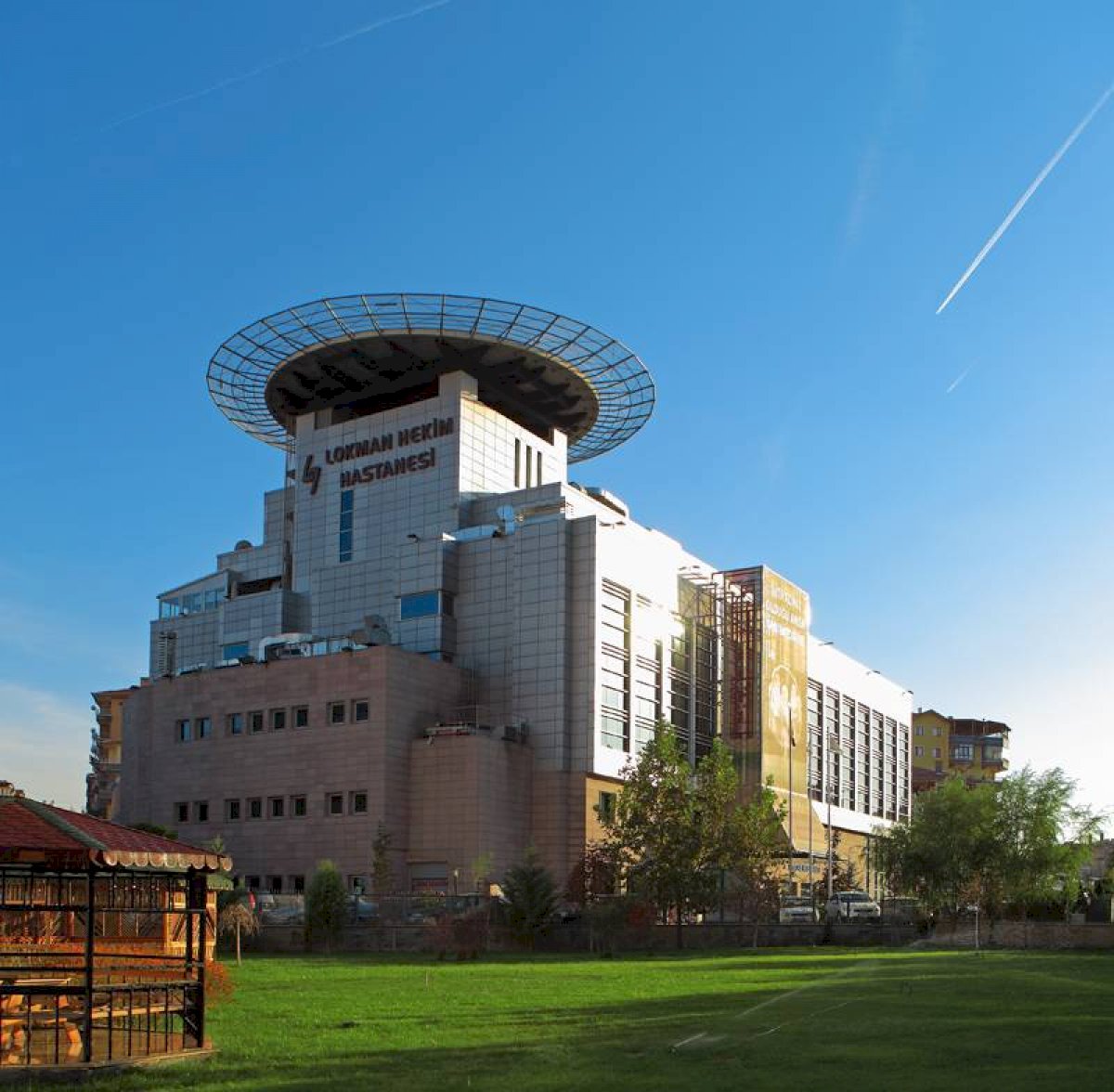
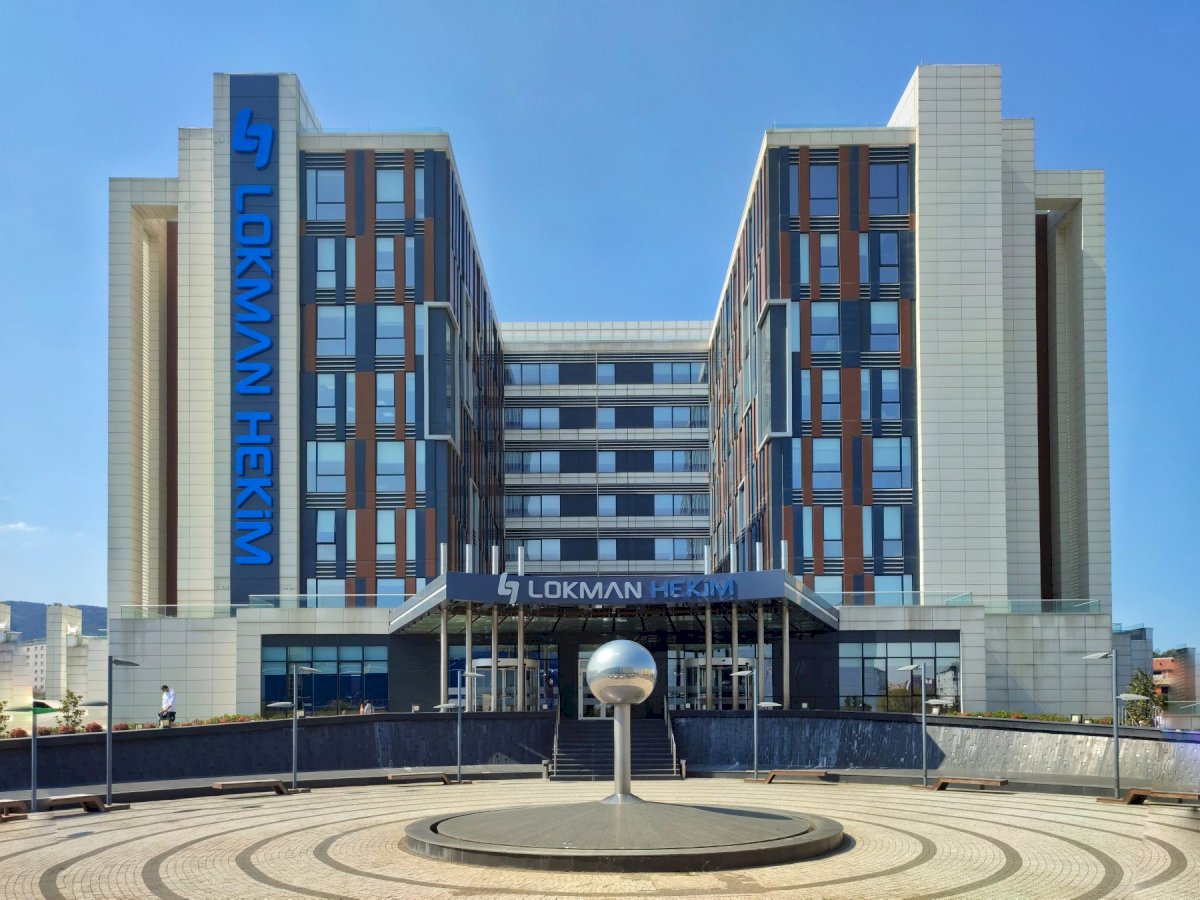
Bookimed Expert Insight: Choosing a university-affiliated hospital often yields the highest value for complex spinal cases. For instance, Lokman Hekim University Ankara Hospital reports a 99.9% neurosurgical success rate. Their all-inclusive packages start around $16,250. This covers seven days of hospitalization and full board. Patients benefit from academic expertise at a lower cost than premium private groups in Istanbul.
| Turkey | Austria | Spain | |
|---|---|---|---|
| Surgical treatment of scoliosis | from $9,000 | ≈ $28,000 | from $55,000 |
| Scoliosis surgery | from $15,800 | ≈ $38,000 | ≈ $26,000 |
| Conservative treatment of scoliosis | from $2,500 | ≈ $1,800 | from $2,000 |
| ApiFix system implantation | from $30,000 | ≈ $21,000 | ≈ $17,500 |







Day 1: Arrival
Day 2: Pre-Operation
Day 3: Surgery
Day 4 to Day 10: Post-Operation
Week 2 to Week 6: Rehabilitation
Week 7: Return to work/school
Week 12: Return to sports and other activities
Week 24: Final Result
Please note that each case is individual and the timeline may vary based on the patient"s health condition and recovery speed.
What patients like:
What patients don't like:
Over 1,000 spinal surgeries performed – Dr. Bayram specializes in scoliosis and other spinal conditions at Hisar Hospital Intercontinental.
The doctor is an experienced neurosurgeon with over 15 years of clinical practice in Turkey. Throughout a distinguished career, the doctor has served in various high-profile medical institutions, including Memorial Ataşehir Hospital, VM Medical Park Pendik Hospital, and Bahçeşehir University Medical Park Göztepe Hospital.
Specializing in neurosurgical procedures, the doctor has extensive experience in managing complex neurological conditions and providing comprehensive patient care. Having served in both private hospital systems and state-run facilities, the doctor possesses a broad clinical background in surgical interventions and neurological health management.
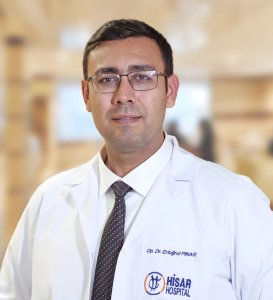
Dr. Ertugrul Pinar is a neurosurgeon at Hisar Hospital Intercontinental in Istanbul. He treats adult and pediatric patients with complex brain and spine diseases. Dr. Pinar focuses on brain tumors, vascular aneurysms, and skull base pathologies. He works at a JCI-accredited hospital that serves over 500,000 patients annually.

Dr. Halil Can Gemalmaz is a professor of orthopedics and traumatology in Istanbul. He is a pioneer in Turkey for 3D patient-specific orthopedic procedures. Dr. Gemalmaz specializes in robotic-assisted joint replacements for the knee and hip. He currently serves as a faculty member at Atlas University Faculty of Medicine.
 Anna Leonova
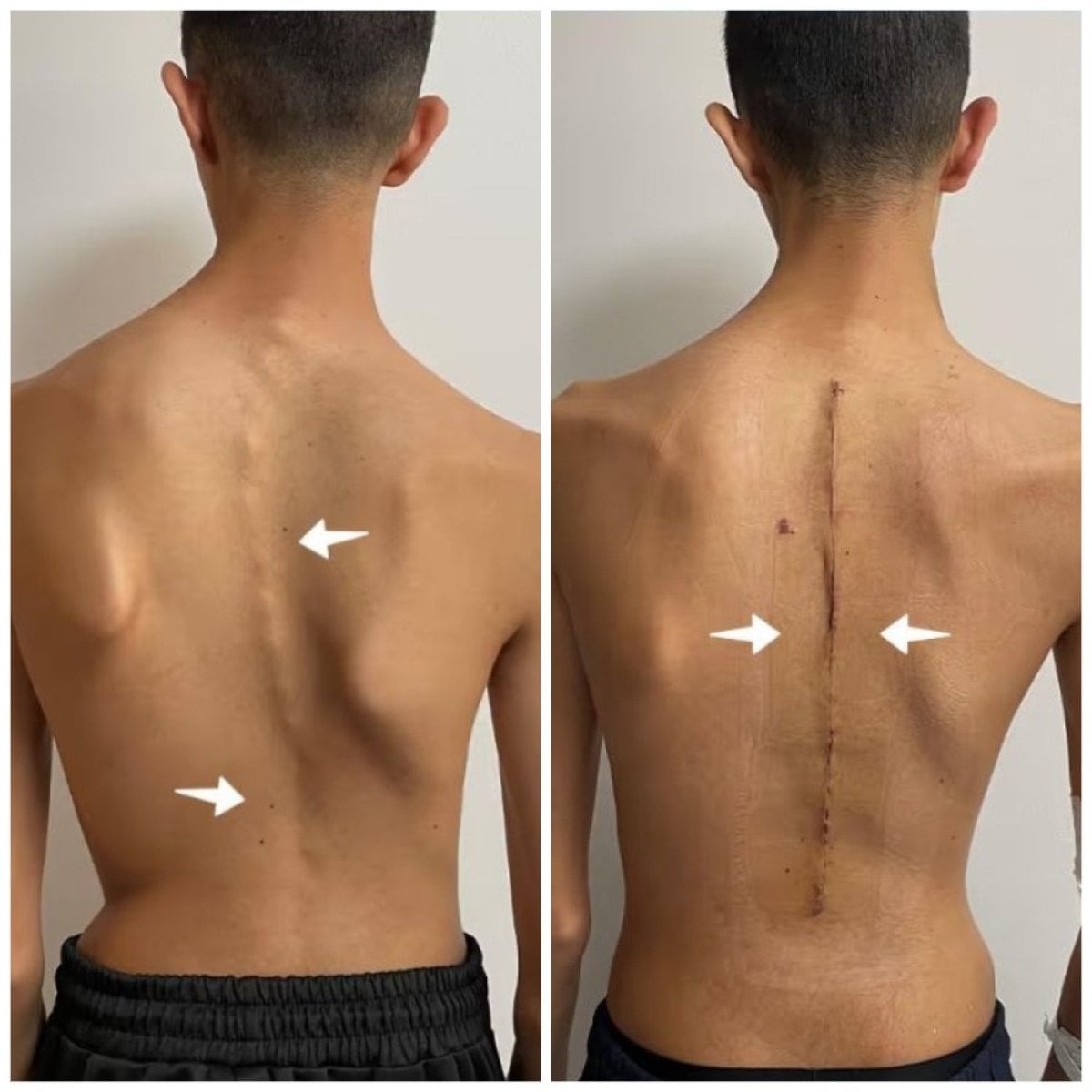
Scoliosis surgery in Turkey maintains success rates between 80% and 95% at top-tier centers. Clinical data shows a 95% success rate for spinal correction and 92% for pain reduction. These outcomes match leading US hospitals while utilizing identical advanced technologies like intraoperative neuromonitoring.
Bookimed Expert Insight: Success in Turkey is driven by surgeon volume rather than just technology. Top-rated specialists like Dr. Erkan Kaptanoglu or Dr. Yusuf Bayram have performed over 1,000 to 2,700 neurosurgery cases each. This high frequency directly correlates to infection rates under 2%, which is significantly lower than many Western averages.
Patient Consensus: Patients frequently report 60–80% curve improvement and high satisfaction with the professionalism of the medical teams. Many highlight that immediate mobilization within 72 hours post-surgery is standard, leading to a smooth recovery process.
Scoliosis surgery involves risks including infection, excessive blood loss, and hardware complications like rod breakage. While rare, nerve damage or permanent loss of spine flexibility are possible. Modern Turkish clinics mitigate these through intraoperative neuromonitoring (IONM) and specialized instrumentation like Stryker systems to ensure spinal cord safety.
Bookimed Expert Insight: Data from top Istanbul clinics shows a trend toward multi-stage procedures for complex curves to reduce immediate surgical strain. For instance, Hisar Hospital offers 1- to 3-stage posterior fusions. Choosing a surgeon with over 1,000 procedures, common in JCI-accredited Turkish centers, significantly correlates with lower complication rates.
Patient Consensus: Many patients emphasize the long 1–2 year recovery timeline and the reality of reduced flexibility. A common practical tip is ensuring your post-op team speaks English to monitor for early signs of complications.
The best hospitals for scoliosis treatment in Turkey include JCI-accredited facilities like Hisar Hospital Intercontinental, Medical Park Göztepe, and Turan Turan Health Group. These centers specialize in advanced techniques like vertebral body tethering and robotic-assisted fusion, led by surgeons with over 1,000 successful spine procedures.
Bookimed Expert Insight: Data shows a significant value gap between standard and complex packages. While basic correction starts at $9,000, premium options at Estexper Clinic include Stryker implants and 15-day hotel stays. This extended recovery window is vital for international patients to clear fit-to-fly assessments.
Patient Consensus: Patients emphasize the high clinical professionalism and `gold-standard` translation services. They strongly advise coordinating with a home-country surgeon first to ensure local systems recognize Turkish implant brands for future check-ups.
Scoliosis surgery recovery typically progresses over 9 to 12 months, with patients reaching major mobility milestones within 3 to 6 months. Initial immobilization lasts 2 to 4 weeks, while complete bone fusion confirmed by X-ray typically requires a full year of healing.
Bookimed Expert Insight: Turkish clinics often utilize neuromonitoring and advanced Stryker systems to enhance safety during complex multi-stage corrections. Data shows that patients in Turkey often benefit from intensive daily physiotherapy sessions during their initial 7-day hospital stay. This clinical focus on early mobilization can potentially speed up the initial recovery phase by 20% compared to standard home-based protocols.
Patient Consensus: Patients report that while the first 4 months involve significant fatigue, having a dedicated translator makes navigating early post-operative care much smoother. Many highlights the importance of staying consistent with bracing to avoid fusion failure during the first year.
Patients should plan to stay in Turkey for 21 days to ensure a safe recovery. This timeline typically includes 7 to 10 days of hospitalization for monitoring and pain management, followed by 10 to 14 days in a nearby hotel for essential follow-up visits.
Bookimed Expert Insight: While many initial quotes suggest a 14-day stay, our data shows that high-complexity cases often require a 3-stage surgery approach. Clinics like Hisar Hospital Intercontinental include a full 7-night recovery hotel stay in these advanced packages to prevent complications. We recommend booking a hotel within 15 minutes of the clinic to simplify frequent post-op mobility checks.
Patient Consensus: Patients emphasize adding a 5 to 7 day buffer for adult fusions. They recommend packing post-op essentials like braces and staying flexible with return flight dates for safety.