Chronic Obstructive Pulmonary Disease (COPD) Treatment in Austria — Get 3 Personalized Clinic Matches


Medically reviewed by
Fahad Mawlood
What's the Cost of Chronic Obstructive Pulmonary Disease (COPD) Diagnosis and Treatment in Austria?
Chronic Obstructive Pulmonary Disease (COPD) treatment cost in Austria primarily covers therapeutic interventions like airway clearance therapy, which ranges from $450 to $1,100. Innovative procedures such as stem cell therapy for COPD typically cost $9,500 to $15,500. Expenses depend on disease stage and hospitalization needs. Patients save approximately 20-30% compared to US medical costs. Vienna is the leading city for specialized care.
Typical Chronic Obstructive Pulmonary Disease (COPD) Treatment Costs in Austria
- Stem cell therapy for COPD: $9,500 – $15,500
- Bronchoscopic balloon dilatation therapy for COPD: $9,500 – $15,500
- Airway clearance therapy: $450 – $1,100
Bookimed Expert Insight: International patients often seek care at premier facilities like Wiener Privatklinik (WPK) in Vienna. This clinic is a Newsweek-ranked World's Best Hospital. It serves 12,000 patients yearly with high international volume. WPK is ideal for complex cases requiring multidisciplinary tumor boards or advanced radiotherapy. Its location near Vienna General Hospital ensures access to top-tier university-level medical expertise.
| Turkey | Austria | Spain | |
|---|---|---|---|
| Stem cell therapy for COPD | ≈ $6,500 | ≈ $9,500 | ≈ $6,500 |
| Bronchoscopic Balloon Dilatation Therapy for COPD (Chronic Obstructive Pulmonary Disease) | from $10,900 | ≈ $9,500 | ≈ $6,500 |
| Airway Clearance Therapy | ≈ $250 | ≈ $450 | ≈ $450 |
Your Benefits and Guarantees with Bookimed
Transparent Prices & Flexible Installments
No hidden fees – just official clinic prices. Pay at the clinic for Chronic Obstructive Pulmonary Disease (COPD) treatment and use a flexible installment plan if needed.
Verified Clinics & Doctors Only
Bookimed is committed to your safety. We only work with medical institutions that maintain high international standards in Chronic Obstructive Pulmonary Disease (COPD) treatment and have the necessary licenses to serve international patients worldwide.
Free 24/7 Assistance
Bookimed offers free expert assistance. A personal medical coordinator supports you before, during, and after your treatment, solving any issues. You're never alone on your Chronic Obstructive Pulmonary Disease (COPD) treatment journey.

Your personal Bookimed medical coordinator
- Supports you at every stage
- Helps choose the right clinic and doctor
- Ensures quick and convenient access to information
Best Chronic Obstructive Pulmonary Disease (COPD) Treatment Centers in Austria: 1 Verified Option and Prices
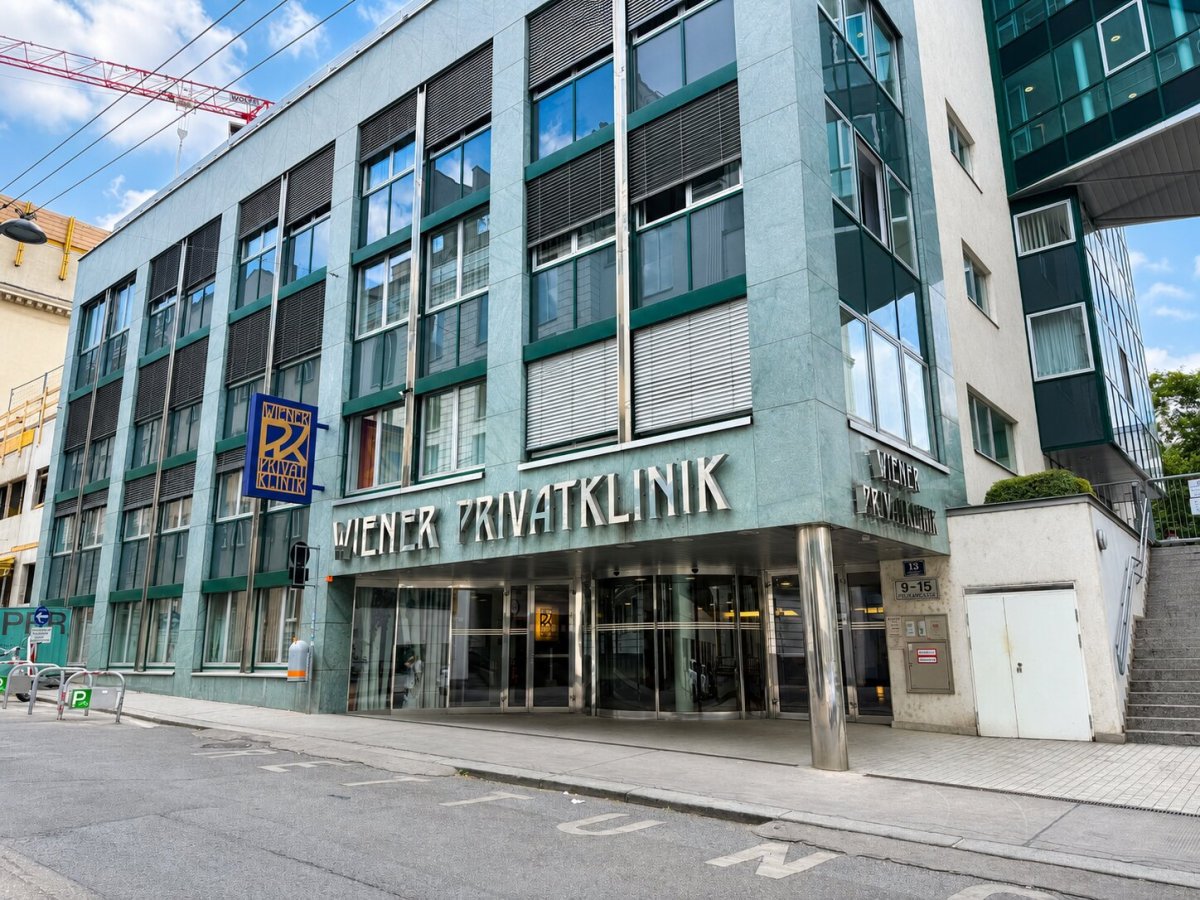






Get a Medical Assessment for Chronic Obstructive Pulmonary Disease (COPD) in Austria: Consult with Experienced Doctors Now
View all Doctors
Walter Klepetko
Dr. Walter Klepetko is a thoracic surgeon at Wiener Privatklinik in Vienna. He heads the Department of Thoracic Surgery at the Medical University of Vienna. He performed one of Austria’s first lung transplants. Dr. Klepetko is a pioneer in thoracic oncology and complex transplantation medicine.
- Founded the Vienna Lung Transplant Program, performing over 100 transplants annually.
- Co-developed the surgical technique for extracorporeal membrane oxygenation (ECMO) in transplants.
- Led the surgical team for Formula 1 legend Niki Lauda’s lung transplant.
- Specializes in lobectomy, lung segmentectomy, and thymoma treatment.
Share this content
Video Stories from Bookimed Patients
 Anna Leonova

Expert Overview about Chronic Obstructive Pulmonary Disease (COPD) Treatment in Austria
What standard medical therapies do Austrian specialists prescribe for COPD?
Austrian specialists prescribe inhaled bronchodilators like LAMA and LABA as the core maintenance therapy. They follow Austrian Society of Pneumology (ÖGP) standards and international GOLD guidelines. Treatment often escalates to triple therapy using fixed-dose inhalers. Certified pulmonologists must approve these advanced combinations for insurance coverage.
- Inhaled bronchodilators: Long-acting muscarinic antagonists (LAMA) and beta2-agonists (LABA) serve as primary maintenance.
- Triple therapy: Specialists frequently utilize combined LAMA, LABA, and inhaled corticosteroids (ICS) inhalers.
- Systemic medications: PDE4 inhibitors (Roflumilast) and mucolytics like N-acetylcysteine are used for severe cases.
- Specialized interventions: Structured pulmonary rehabilitation and long-term oxygen therapy are standard, insurance-funded treatments.
Bookimed Expert Insight: Clinical accessibility in Austria is tied to high-level academic credentials. Modern facilities like Wiener Privatklinik employ professors from the Medical University of Vienna. This ensures patients receive the latest pharmacological protocols. Many advanced inhaler classes require a formal prescription from these university-affiliated specialists to secure health insurance reimbursement. Our data indicates that over 400 physicians at leading Vienna private centers provide this specialized oversight.
Patient Consensus: Patients note that correct inhaler technique is vital for success. They emphasize that specialized pulmonary rehab and exercise training are as important as the medicine itself.
Is inpatient care at a specialized respiratory unit recommended for flare-ups?
Inpatient care at specialized respiratory units is recommended for severe COPD flare-ups. This is vital when patients show acute respiratory failure. Clinical guidelines prioritize these units for non-invasive ventilation. They provide expert monitoring for patients who fail to respond to home rescue bronchodilators.
- Admission criteria: Acute respiratory acidosis with blood pH levels at or below 7.35.
- Advanced support: Access to non-invasive positive pressure ventilation (NIV) or invasive mechanical ventilation.
- Clinical indicators: Altered mental status, confusion, or extreme lethargy indicating dangerous carbon dioxide buildup.
- Facility standards: Units like Wiener Privatklinik offer modern intensive care and state-of-the-art technology.
Bookimed Expert Insight: Choosing a private facility like Wiener Privatklinik in Vienna provides an advantage. Many of their 400 physicians are professors at the Medical University of Vienna. These academic ties often mean patients gain access to advanced options. These include bronchoscopic balloon dilatation or specialized intensive care protocols not found in general wards. This high level of specialization can lead to more accurate diagnosis of flare-ups.
Patient Consensus: Patients note that inpatient care is necessary when they cannot speak full sentences. They value staff who can quickly distinguish between a flare-up and heart-related complications.
Are comprehensive pulmonary rehabilitation programs available in Austria?
Austria offers comprehensive pulmonary rehabilitation programs through structured 3-week inpatient and outpatient facilities. These programs treat chronic obstructive pulmonary disease and interstitial lung disease. Facilities must meet European Respiratory Society standards. Multi-professional teams including pulmonologists and sports scientists lead these clinics.
- Program duration: Standard inpatient programs last 3 weeks for intensive recovery.
- Core therapies: Programs combine high-intensity interval training with progressive strength training.
- Specialized techniques: Patients learn pursed-lips breathing to manage shortness of breath.
- High-altitude care: Some centers use clean alpine air for respiratory recovery.
Bookimed Expert Insight: Quality indicators for Austrian rehabilitation often link to prestigious academic rankings. For instance, Wiener Privatklinik is honored in the World's Best Hospitals list by Newsweek. This reflects high medical performance and patient satisfaction levels. When selecting a facility, look for ISO-certified centers that employ professors from the Medical University of Vienna. These credentials ensure access to the latest evidence-based respiratory protocols and diagnostic expertise.
Patient Consensus: Patients note that rehabilitation is physically demanding but teaches vital self-management skills. Learning proper inhaler techniques and how to pace daily activities are reported as the most helpful outcomes.
Do Austrian insurance plans (e.g., ÖGK) cover standard COPD care?
Austrian public insurance plans like the Osterreichische Gesundheitskasse (OGK) fully cover standard, medically necessary care for COPD. This universal system guarantees coverage for pre-existing conditions without premium increases. Patients typically only pay small statutory co-payments for diagnostic tests, specialized medications, and hospital admissions.
- Specialist access: Consultations with pulmonologists who contract with the OGK are 100% covered.
- Medication coverage: Standard maintenance inhalers and bronchodilators require only a flat statutory prescription fee.
- Medical aids: Long-term oxygen therapy and nebulizers receive coverage after a 10% co-insurance contribution.
- Inpatient rehab: Specialized pulmonary rehabilitation programs are included pending formal approval by the insurer.
Bookimed Expert Insight: Patients should verify if their pulmonologist is a Kassenarzt (contracted doctor) to avoid private billing. High-capacity centers like Wiener Privatklinik provide specialized diagnostics, but these services may require private payment. Standard care remains highly effective within the public system if patients follow the correct referral pathway.
Patient Consensus: People find the coverage reliable but note that waiting times for specialists can be long. Many emphasize confirming that every provider is within the public network to prevent unexpected pharmacy or consultation costs.
Are unique natural/climate-based therapies used in Austria for COPD?
Austria uses state-recognized natural therapies known as ecomedicine to manage respiratory illnesses. These climate-based treatments integrate into pulmonary rehabilitation programs supported by the healthcare system. Key methods include underground healing tunnels, alpine aerosols, and regulated mountain environments to improve breathing quality.
- Speleotherapy: Patients use radon-enriched healing tunnels with high heat and humidity levels.
- Waterfall aerosols: Microclimates near Krimml Waterfalls provide lung-penetrating aerosols for airway relief.
- Climate resorts: Legally protected Luftkurorte towns offer strictly monitored, allergen-poor mountain air.
- Radon vapor: Specialized steam boxes allow therapy without the intense gallery heat.
Bookimed Expert Insight: While natural therapies are iconic in Austria, clinical care remains centralized in major cities. Wiener Privatklinik in Vienna connects patients with over 400 physicians. Many are professors at the Medical University of Vienna. These specialists often bridge medical management with traditional climate-based recovery for comprehensive results.
Patient Consensus: Patients value alpine stays for reducing flare-ups but note altitude can be challenging. They emphasize that fresh air supports exercise tolerance rather than replacing medical inhalers.
What patient rights are guaranteed for COPD care in Austria?
Patient rights for COPD care in Austria are protected by the national COPD Patient Charter and statutory insurance laws. Patients have legal access to early spirometry diagnosis, personalized education, and pulmonary rehabilitation. Rights include the free choice of specialists and access to medical documentation via the ELGA digital system.
- Diagnostic access: You have the legal right to timely spirometry and clinical case-finding checks.
- Specialist choice: Patients may freely choose any pulmonologist without requiring a strict gatekeeper referral.
- Affordable medication: Maintenance therapies have capped out-of-pocket costs under the statutory health insurance model.
- Second opinion: You have the explicit right to consult another specialist regarding complex therapies.
Bookimed Expert Insight: While public insurance covers standard care, private facilities like Wiener Privatklinik offer faster access to specialists. This clinic holds ISO certification and treats patients in a multilingual environment. Choosing a private setting can bypass regional wait times for pulmonary rehabilitation programs. This ensures you begin personalized exercise training much sooner than in public tracks.
Patient Consensus: Patients note it's important to actively request second opinions when starting long-term oxygen therapy. Many appreciate the ELGA system for keeping their electronic prescriptions easily accessible during doctor visits.