Chronic Obstructive Pulmonary Disease (COPD) Treatment in Spain — Get 3 Personalized Clinic Matches


Medically reviewed by
Fahad Mawlood
What's the Cost of Chronic Obstructive Pulmonary Disease (COPD) Diagnosis and Treatment in Spain?
Chronic Obstructive Pulmonary Disease (COPD) treatment cost in Spain is influenced by disease severity, with advanced interventions like bronchoscopic balloon dilatation therapy for COPD ranging from $6,500 to $10,000. Key procedures such as stem cell therapy for COPD typically cost between $6,500 and $11,000. Expenses depend on hospitalizations and medication regimens, offering 30-50% savings compared to the US. Top cities for respiratory care include Madrid and Barcelona.
Typical Chronic Obstructive Pulmonary Disease (COPD) Treatment Costs in Spain
- Bronchoscopic balloon dilatation therapy for COPD: $6,500 – $10,000
- Stem cell therapy for COPD: $6,500 – $11,000
- Airway clearance therapy: $450 – $1,100
Bookimed Expert Insight: Patients with narrowed airways benefit from bronchoscopic balloon dilatation therapy performed at JCI-accredited centers. Publio Cordón Memorial Hospital in Madrid offers specialized pulmonology care using advanced robotic technologies. For complex cases involving respiratory failure, multidisciplinary teams at Hospital Ruber Internacional provide integrated intensive monitoring. These Forbes-ranked facilities offer high-tier private rooms for international patients seeking stable, long-term management protocols.
| Turkey | Austria | Spain | |
|---|---|---|---|
| Stem cell therapy for COPD | ≈ $6,500 | ≈ $9,500 | ≈ $6,500 |
| Bronchoscopic Balloon Dilatation Therapy for COPD (Chronic Obstructive Pulmonary Disease) | from $10,900 | ≈ $9,500 | ≈ $6,500 |
| Airway Clearance Therapy | ≈ $250 | ≈ $450 | ≈ $450 |
Your Benefits and Guarantees with Bookimed
Transparent Prices & Flexible Installments
No hidden fees – just official clinic prices. Pay at the clinic for Chronic Obstructive Pulmonary Disease (COPD) treatment and use a flexible installment plan if needed.
Verified Clinics & Doctors Only
Bookimed is committed to your safety. We only work with medical institutions that maintain high international standards in Chronic Obstructive Pulmonary Disease (COPD) treatment and have the necessary licenses to serve international patients worldwide.
Free 24/7 Assistance
Bookimed offers free expert assistance. A personal medical coordinator supports you before, during, and after your treatment, solving any issues. You're never alone on your Chronic Obstructive Pulmonary Disease (COPD) treatment journey.

Your personal Bookimed medical coordinator
- Supports you at every stage
- Helps choose the right clinic and doctor
- Ensures quick and convenient access to information
Best Chronic Obstructive Pulmonary Disease (COPD) Treatment Centers in Spain: 2 Verified Options and Prices






Get a Medical Assessment for Chronic Obstructive Pulmonary Disease (COPD) in Spain: Consult with Experienced Doctors Now
View all Doctors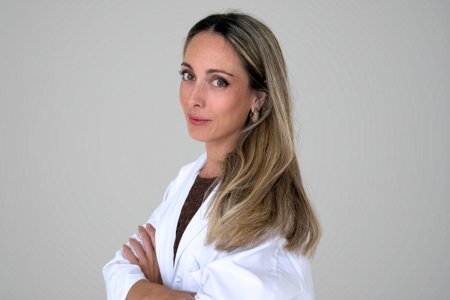
María Jesús López Gude
Dr. María Jesús López Gude is a cardiothoracic surgeon at Publio Cordón Memorial Hospital in Madrid, Spain. She performs open heart surgery, aortic valve replacement, and treats congenital heart disease and complex vascular conditions. She works at a JCI-accredited facility that meets international hospital safety standards.
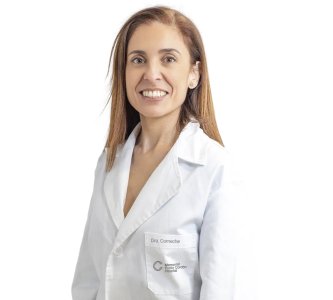
Lorena Aída Comeche Casanova
Dr. Lorena Aida Comeche Casanova is a pulmonologist at Publio Cordon Memorial Hospital in Madrid. She treats chronic obstructive pulmonary disease (COPD), lung cancer, and asthma. Her work includes diagnosing and treating infectious lung diseases and complex respiratory conditions. Dr. Comeche Casanova works at a JCI-accredited facility, a certification for patient safety and clinical quality. The hospital has more than 100 specialists and follows international treatment protocols.
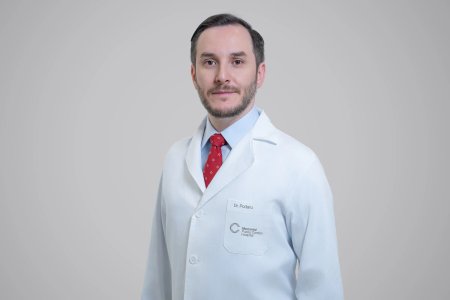
Mihai Podaru Galca
Dr. Mihai Podaru Galca is a specialist in internal medicine, critical care, and clinical oncology at Publio Cordón Memorial Hospital in Madrid. He treats conditions including esophageal cancer, chronic heart failure, and asthma. Dr. Galca works at a facility accredited by Joint Commission International.
The hospital follows international standards across its cardiology and oncology departments. Dr. Galca manages acute and chronic cases, performing diagnostics and immunotherapy for cancer. His background allows him to treat patients with multiple conditions, such as COPD complicated by pneumonia.
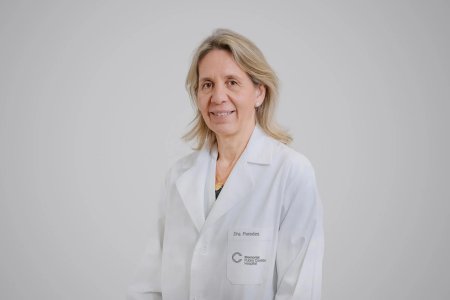
Amparo Paredes Sánchez
Dr. Amparo Paredes Sánchez is a specialist in internal medicine and intensive care at Publio Cordón Memorial Hospital. She treats patients with conditions in pulmonology, cardiology, and neurology, including chronic obstructive pulmonary disease (COPD) and neurological headaches. She works at a JCI-accredited facility in Madrid that is also recognized by the American College of Surgeons. Dr. Paredes Sánchez is part of a medical team of 100 doctors and treats patients who require monitoring and therapeutic intervention.
Share this content
Video Stories from Bookimed Patients
 Anna Leonova

Expert Overview about Chronic Obstructive Pulmonary Disease (COPD) Treatment in Spain
What clinical guidelines do doctors in Spain follow to treat COPD?
Spanish doctors primarily follow the GesEPOC (Guia Espanola de la EPOC) clinical guidelines. This framework prioritizes patient phenotyping to tailor medication. It integrates global GOLD standards while emphasizing risk stratification. Multidisciplinary teams at JCI-accredited centers like Hospital Ruber Internacional ensure strict protocol adherence.
- Risk stratification: Categorizes patients into low or high risk based on FEV1 scores.
- Clinical phenotyping: Directs treatment for high-risk patients based on exacerbation frequency and eosinophil levels.
- Spirometry standards: Confirms diagnosis through post-bronchodilator FEV1/FVC ratios below 0.7 for symptomatic patients.
- Therapy escalation: Shifts from LAMA monotherapy to triple therapy (ICS+LABA+LAMA) for eosinophilic patients.
Bookimed Expert Insight: Spanish healthcare centers prioritize specialized pulmonology reviews over general physician management. JCI-accredited facilities like Hospital Ruber Internacional serve 25,000 patients annually using advanced diagnostics. Doctors often integrate bioimpedance to monitor sarcopenic obesity, a key treatable trait in GesEPOC. This provides a more comprehensive recovery profile than lung function alone.
Patient Consensus: Patients emphasize that mastering inhaler technique and strictly following smoking cessation plans are more impactful than medication changes alone. Many note that specialized pulmonary rehabilitation significantly improves daily exercise tolerance and overall quality of life.
What diagnostics will I undergo at a Spanish clinic?
Diagnostics for COPD in Spain involve advanced lung function tests and high-precision imaging. Clinics use digital X-rays and spiral CT scans to assess emphysema patterns. Specialists perform spirometry to confirm obstruction. These JCI-accredited facilities often repeat tests to ensure baseline accuracy before starting therapy.
- Spirometry testing: Measures lung capacity and airflow to confirm obstruction and severity.
- Chest CT scan: Provides detailed 3D imaging to rule out other lung conditions.
- Pulse oximetry: Non-invasively monitors oxygen saturation levels during both rest and activity.
- Blood gas analysis: Evaluates how well lungs move oxygen into and carbon dioxide out.
Bookimed Expert Insight: Spanish centers like Hospital Ruber Internacional handle massive volumes, performing over 93,000 consultations yearly. This high patient flow means diagnostic protocols are highly standardized. Doctors often prioritize internal testing over outside records to ensure data integrity. Expect to redo spirometry even if you have recent results from home.
Patient Consensus: Patients note that clinics are very thorough and often check for other health issues. It is essential to bring all past medication lists to avoid bureaucratic delays during the initial workup.
What are the first-line medications prescribed in Spain?
First-line COPD medications in Spain primarily include long-acting bronchodilators like Long-Acting Muscarinic Antagonists (LAMA) or Long-Acting Beta-Agonists (LABA). Doctors prioritize these to improve airflow and reduce breathlessness. Spanish clinical protocols follow European guidelines. Rescue inhalers like Salbutamol remain essential for immediate symptom relief.
- Maintenance therapy: Monotherapy with LAMA or LABA inhalers serves as the initial standard.
- Rescue medication: Salbutamol (Ventolin) is the first-line choice for acute bronchospasms and flare-ups.
- Triple therapy: Combinations of LAMA, LABA, and inhaled corticosteroids are used for severe cases.
- Advanced options: Some centers like Hospital Ruber Internacional offer specialized interventions for complex respiratory needs.
Bookimed Expert Insight: While pharmacological standards are consistent, Spanish healthcare facilities like Hospital Ruber Internacional stand out through high-volume specialization. This clinic handles over 93,000 consultations annually. Our data suggests that choosing a high-volume center in Madrid ensures access to the latest diagnostic equipment like 3-Tesla MRI for precise lung assessment.
Patient Consensus: Patients emphasize that mastering the correct inhaler technique is just as vital as the drug itself. Many note that inhaled corticosteroids are often reserved for frequent flare-ups rather than initial treatment.
Is specialized advanced care available for severe COPD in Spain?
Spain provides advanced specialized care for severe COPD through a network of JCI-accredited tertiary centers. Patients access interventional pulmonology treatments like endobronchial valves and bronchoscopic lung volume reduction. These high-complexity facilities adhere to strict European medical standards and the Spanish national GesEPOC guidelines.
- Interventional pulmonology: Bronchoscopic lung volume reduction uses one-way valves for severe emphysema.
- Specialized infrastructure: High-complexity clinics include dedicated intermediate care units for non-invasive ventilation.
- Biological therapies: Spanish protocols utilize monoclonal antibodies to target specific traits and reduce flares.
- Quality standards: Leading facilities like Hospital Ruber Internacional maintain JCI and ISO certifications.
Bookimed Expert Insight: Clinical data shows that Spain's top-tier private hospitals, such as Hospital Ruber Internacional, handle massive patient volumes with over 93,000 annual consultations. For severe COPD, these centers offer a significant advantage by bypassing public system wait times. This allows for immediate access to advanced diagnostics like 3-Tesla MRI and specialized respiratory endoscopy programs.
Patient Consensus: Patients emphasize the importance of moving beyond basic inhalers to secure a pulmonology referral for pulmonary rehabilitation. Many note that specialized urban hospitals are essential for managing home oxygen titration and long-term ventilation needs effectively.
Can medical tourists access Spain’s public COPD care?
No, medical tourists cannot access Spain's public healthcare system for planned Chronic Obstructive Pulmonary Disease care. The Sistema Nacional de Salud is reserved for legal residents. Visitors must use private facilities like Hospital Ruber Internacional. These centers offer specialized treatments regardless of residency status.
- Residency requirement: Public care requires legal residence and social security contributions.
- Private sector: Private hospitals provide pulmonology consultations and pulmonary rehabilitation.
- Emergency status: Public hospitals treat acute respiratory failure but bill non-EU tourists.
- Advanced therapies: High-end private clinics offer bronchoscopic balloon dilatation and stem cells.
Bookimed Expert Insight: Spain ranks fourth globally for medical requests in our network. Private institutions like Hospital Ruber Internacional in Madrid prioritize international patients. They feature JCI accreditation and 15 luxury suites for long-term recovery. Choosing private care bypasses the slow administrative hurdles typical of the public system.
Patient Consensus: Patients note that the public system is administratively complex. Most travelers recommend bringing recent spirometry results and original prescriptions for local pharmacies.